
The best glasses straps for snorkeling beginners in Singapore are those made from highly durable, saltwater-resistant materials like neoprene or high-grip silicone, featuring secure, adjustable locking mechanisms and snug-fitting attachment loops that match your frame’s temple arms. Because the tropical waters around local snorkeling spots like Sisters’ Islands Marine Park or Pulau Hantu present active currents and wave action, a standard daily eyewear retainer will not suffice. Beginners must select a dedicated water-sports strap that keeps prescription glasses or optical inserts firmly anchored to the head, preventing costly losses and ensuring a safe, clear underwater experience.
Why Snorkeling Beginners Need a Dedicated Glasses Strap
Many beginners assume that a standard daily eyewear retainer, such as a thin cord or a fashion chain, is sufficient for a day in the water. However, daily-use retainers are designed for low-impact, dry environments and lack the grip strength, tension, and material durability required for water sports. When exposed to saltwater, standard fabrics like cotton absorb moisture, become heavy, stretch out, and lose their grip on your glasses, while metal components can quickly rust and fail.
Losing prescription eyewear or optical inserts in open water is not just an expensive inconvenience; it is a significant safety hazard. For a beginner, a sudden loss of clear vision can lead to immediate disorientation, difficulty navigating back to the boat or shore, and heightened anxiety in the water. Because snorkeling requires you to look downward into the marine environment, any sudden wave or head movement can easily dislodge unsecured glasses, sending them to the seabed where they are incredibly difficult to retrieve.
Products mentioned in this guide
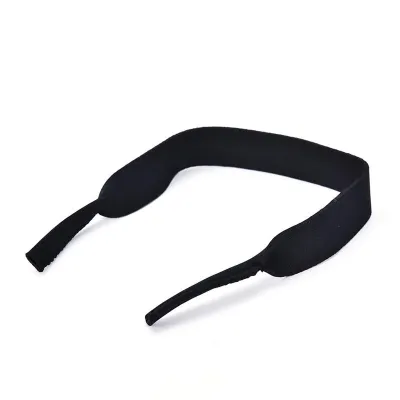
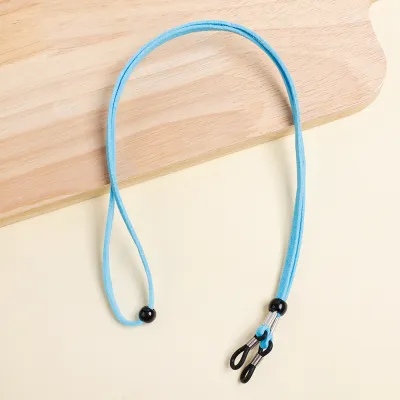
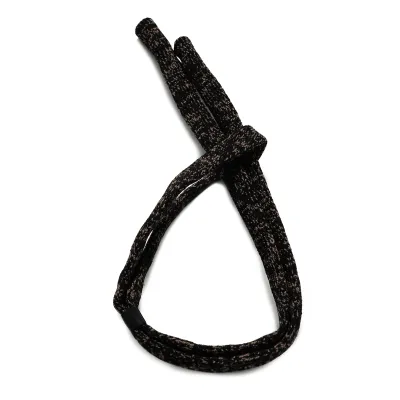
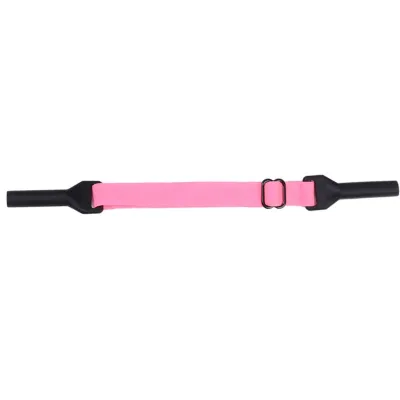
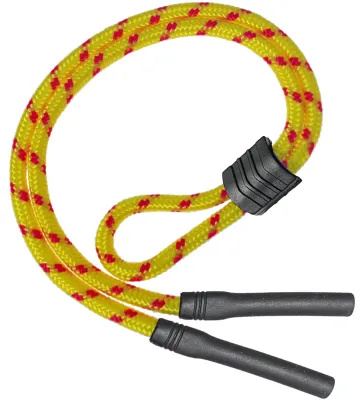
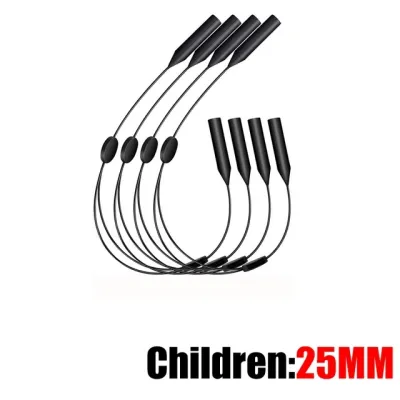
Prices are valid at publication and may change. Please refer to the product page for the latest price.
Water currents, wave action, and frequent head movements put continuous physical stress on your eyewear. As you look up to check your surroundings or clear your snorkel, the water drag exerts force against your frames. A dedicated water-sports glasses strap features a robust locking mechanism and high-friction materials designed specifically to withstand this continuous hydrodynamic pressure, keeping your eyewear firmly in place throughout your dive.
Key Features to Look for in a Snorkeling Glasses Strap
When searching for the ideal snorkeling glasses strap, you must evaluate several core design elements to ensure the product can handle the marine environment. The right strap must balance secure retention with physical comfort, ensuring it does not distract you from your underwater exploration.

No single material or design is universally superior for every snorkeler. The best choice for your gear setup depends on your individual skin sensitivity, hair type, and personal comfort preferences, as well as the specific design of your prescription frames.
Material and Water Resistance
Neoprene is one of the most popular materials for water-sports straps due to its inherent buoyancy and soft, cushioned feel. If your glasses happen to slip off, a thick neoprene strap can help keep them afloat on the water’s surface, making retrieval much easier. However, neoprene takes longer to dry than synthetic alternatives and can feel warm against the back of the neck in Singapore’s humid climate.
Silicone is another excellent option, offering exceptional grip strength on both skin and hair. It is completely waterproof, dries instantly, and is highly resistant to degradation from saltwater and chlorine. The primary trade-off is that textured silicone can pull or snag long hair if the strap is not designed with smooth, rounded edges or a protective fabric sleeve.
Nylon and woven cords are lightweight, highly durable, and dry relatively quickly. While they offer excellent tensile strength, they lack the cushioning of neoprene and the high-friction grip of silicone, meaning they rely entirely on a tight mechanical adjustment to stay secure. They can also tangle more easily in long hair when saturated with saltwater.
Before making a purchase, always check the manufacturer’s labels and product specifications. Look for explicit claims regarding saltwater resistance, chlorine resistance, and UV protection to ensure the materials will not dry out, crack, or lose their elasticity after a few trips to the beach.
Adjustability and Fit Mechanisms
Toggle sliders are a common adjustment mechanism, allowing you to quickly tighten or loosen the strap with wet hands. When evaluating a toggle system, inspect the internal spring; plastic springs are highly preferred for snorkeling, as metal springs can rust rapidly when exposed to saltwater, eventually seizing up and rendering the strap useless.
Velcro closures offer a high degree of adjustability and are very easy to secure, making them a user-friendly option for beginners. However, Velcro can easily trap sand, fine silt, and seaweed during a beach entry, which can significantly reduce its gripping power over time if not thoroughly cleaned.
Silicone buckle or friction-fit systems use molded notches or tension to hold the strap in place without any moving parts. While these systems are incredibly durable and cannot rust or clog with sand, they can be more difficult to adjust on the fly when your hands and the gear are wet.
Micro-adjustments are crucial for achieving a proper fit, as the strap must accommodate your specific head circumference, hair volume, and the thickness of your snorkeling mask strap. A secure locking mechanism must hold its position under continuous water pressure, ensuring the strap does not gradually slide open as you swim.
Attachment Points and Compatibility
To ensure your glasses strap performs reliably, you must verify how it connects to your eyewear. Look for flexible, high-stretch loops or molded sleeves that can slide over various temple arm thicknesses and shapes without tearing or slipping off.
There is a significant difference between securing standard daily optical frames and securing prescription swimming goggles. Daily frames have thin, rigid temple arms that require tight, high-friction silicone sleeves, whereas prescription goggles often feature wide, integrated straps that may require specialized clip-on adapters or wider neoprene band overlays.
Always inspect the attachment points of the strap for signs of high-quality construction. Look for reinforced stitching on fabric straps, heavy-duty molded silicone ends, or secure heat-shrink tubing over the connection joints, as these areas experience the highest amount of tension and are the most common failure points.
How to Evaluate Straps for Comfort and Security
Before heading out to the water, performing a series of dry and wet checks will help you determine if your chosen glasses strap is ready for a snorkeling excursion. Taking the time to test your gear at home prevents uncomfortable surprises and equipment failure in the ocean.
Begin with a dry-fit test by wearing your glasses with the strap attached. Pay close attention to any immediate pressure points behind your ears, at your temples, or at the base of your skull. The strap should feel snug and secure without pinching your skin or pulling your hair, as even minor discomfort on land can turn into a painful headache after an hour in the water.
Next, perform a wet-test simulation in a controlled environment, such as a bathroom sink or shower. Wet your hair, your face, and the glasses strap thoroughly to mimic snorkeling conditions. Gently shake your head from side to side and look up and down; if the strap slips down your neck or your glasses slide down your nose, the tension is insufficient, or the material lacks the necessary wet grip.
During these tests, inspect the strap for any signs of poor construction that could cause issues during extended use. Look for rough or fraying edges, loose adjustment sliders that slide under light tension, or rigid plastic sections that press uncomfortably into your skin. Any of these flaws can lead to painful chafing when exposed to saltwater and repetitive movement.
Where to Buy and What to Verify Before Purchasing
When shopping for a snorkeling glasses strap in Singapore, you have several retail avenues to explore, each offering different advantages. Specialized local dive shops, located in areas like Beach Road or Queensway Shopping Centre, are excellent for hands-on assistance, allowing you to bring your eyewear in to test the fit directly.
General sporting goods stores and established online marketplaces also offer a wide variety of options, often at competitive prices ranging from S$10 to S$30. When purchasing online, it is essential to verify seller ratings and read user reviews specifically focusing on water-sports use, as reviews from runners or cyclists may not reflect how the strap performs in saltwater.
Be sure to check the retailer’s return and exchange policies before buying. Many physical and online stores have strict hygiene restrictions on worn swim gear and personal accessories, meaning you may not be able to return a strap once it has been submerged in water or worn on a dive.
Carefully scrutinize product descriptions for explicit water-sports suitability rather than assuming a generic “sports strap” will suffice. Avoid products that make unverified, absolute claims like “unbreakable” or “100% slip-proof” unless they are backed by clear manufacturer specifications, material certifications, and detailed sizing guides.
Care and Maintenance for Longevity
Proper post-snorkeling care is essential to preserve the elasticity, grip, and overall integrity of your glasses strap. Saltwater, chlorine, and tropical humidity can quickly degrade even high-quality materials if they are left to sit after a swim.
Immediately after every snorkeling session, rinse your glasses strap thoroughly with clean, fresh water. This simple step removes abrasive sand particles, salt crystals, and chlorine, all of which can dry out silicone, weaken neoprene stitching, and cause plastic adjustment toggles to stick.
After rinsing, air-dry the strap in a shaded, well-ventilated area. Avoid leaving the strap in direct sunlight, as prolonged exposure to harsh UV rays will accelerate the degradation of elastic components, fade colors, and cause neoprene to lose its flexibility and cushioning properties.
When storing your gear, keep the strap flat or loosely rolled in a cool, dry place. Avoid folding the strap tightly or placing heavy objects on top of it, as this can cause permanent creasing in neoprene, weaken tension points, and warp the shape of silicone attachment loops, reducing their grip for your next trip.
Frequently Asked Questions (FAQ)
Can I use a regular sports glasses strap for snorkeling?
Using a regular sports glasses strap designed for land activities like running or cycling is not recommended for snorkeling. Land-sports straps are often made from absorbent materials like cotton or standard elastic, which quickly become waterlogged, heavy, and lose their elasticity when submerged. Furthermore, many standard sports straps feature metal adjustment beads or crimps that will rust rapidly in saltwater, leading to structural failure and potentially staining your clothing or gear.
Do glasses straps work with all types of snorkeling masks?
Glasses straps do not work universally with all snorkeling masks, and compatibility depends on your specific setup. If you wear standard daily glasses under a mask, the temple arms can break the silicone skirt’s seal, causing water to leak into the mask. For snorkeling, it is highly recommended to use dedicated prescription mask inserts or optical goggles. If you do use a strap with daily frames, ensure the strap is thin enough to sit comfortably beneath the mask’s silicone strap without interfering with the watertight seal.
How tight should a snorkeling glasses strap be?
A snorkeling glasses strap should be adjusted to a snug, secure fit, but it should never be overly tight. Over-tightening the strap can cause tension headaches, skin irritation, and can even warp delicate optical frames, leading to lens distortion or damage. The ideal fit is one where the strap rests comfortably against the back of your head, preventing the eyewear from shifting or sliding down your nose when you move your head, without creating painful pressure points behind your ears.
Community discussion
Share your experience or ask a question. Comments are reviewed before publication.