
Selecting the right 5kg dumbbells for a home gym in Singapore requires balancing material durability, grip comfort, and space constraints. While a 5kg weight is a highly versatile tool suitable for a wide range of fitness levels, the humid tropical climate and compact living spaces typical of local apartments introduce unique challenges. Finding the ideal pair involves looking beyond basic aesthetics to evaluate how different materials, handle designs, and configurations perform under daily use. This guide provides a structured framework to help you verify product specifications, assess material safety, and choose the best setup for your specific training goals.
Rather than highlighting temporary retail listings or promoting specific brands, this guide focuses on objective verification standards. By understanding the physical properties of various coatings, the ergonomics of different handle textures, and the practical trade-offs between fixed and adjustable systems, you can make an informed investment. Whether you are looking to build endurance, recover from an injury, or add light resistance to your cardio routines, the following criteria will ensure your equipment remains safe, functional, and comfortable for years to come.
Why 5kg Dumbbells Are a Home Workout Staple
A 5kg dumbbell pair occupies a unique sweet spot in strength training, offering sufficient resistance to challenge smaller muscle groups while remaining manageable for high-repetition endurance work. For beginners, this weight serves as an excellent entry point for foundational compound movements like squats, lunges, and overhead presses. For intermediate and advanced lifters, 5kg weights are highly effective for isolation exercises such as lateral raises, rear delt flies, and tricep kickbacks, where maintaining strict form is critical to preventing shoulder impingement or joint strain.
Products mentioned in this guide
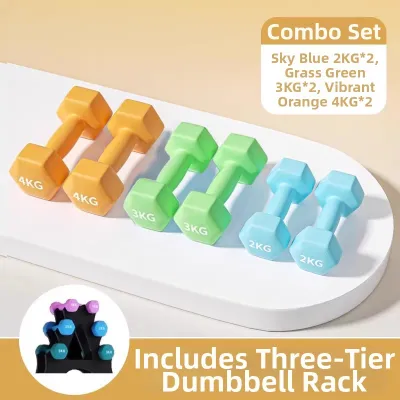
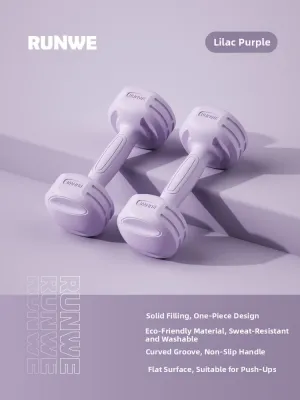
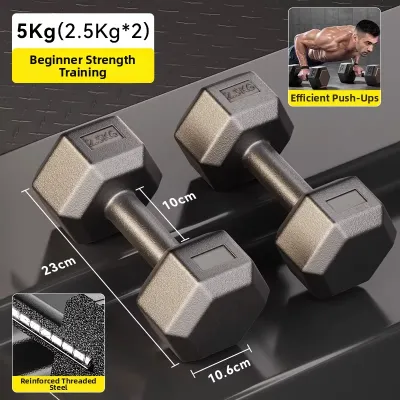
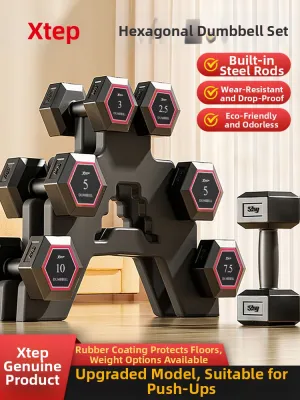
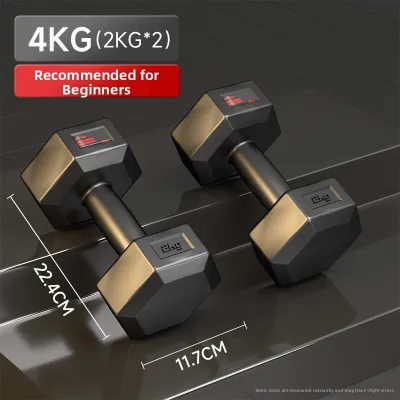
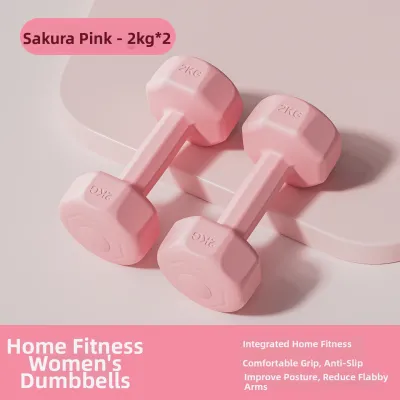
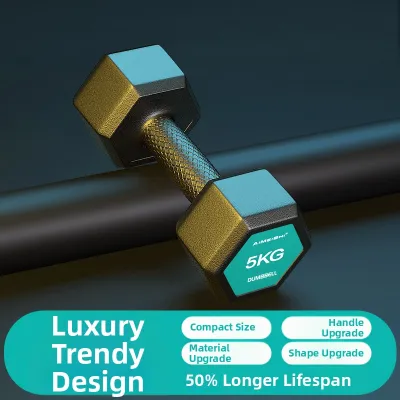
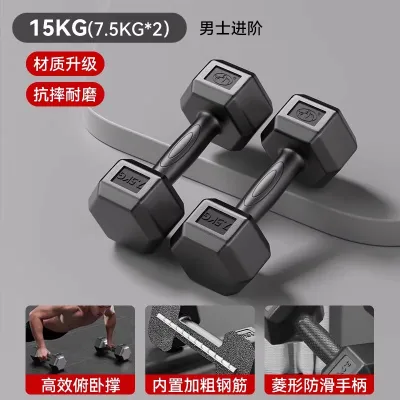
Prices are valid at publication and may change. Please refer to the product page for the latest price.
Beyond traditional strength training, light resistance is a cornerstone of physical therapy and active recovery. If you are rehabilitating a rotator cuff injury or working on joint mobility, a 5kg load provides the controlled resistance needed to stimulate blood flow and tissue repair without overloading healing structures. Incorporating these weights into dynamic warm-ups also helps activate key muscle groups before transitioning to heavier compound lifts, reducing the overall risk of injury during intense training sessions.
However, to achieve continuous fitness gains, you must eventually apply the principle of progressive overload. While 5kg dumbbells are incredibly versatile, your muscles will adapt to the constant stimulus over time. To continue building strength or muscle mass, you will need to increase the training volume by performing more repetitions, slowing down the tempo of each movement, or eventually transitioning to heavier weights. Recognizing when a 5kg load no longer challenges your muscles is essential for planning your long-term home gym progression.
Core Materials and Coatings to Evaluate
The material composition of your dumbbells directly impacts their longevity, safety, and suitability for home environments. In Singapore’s high-humidity climate, exposed metals are highly susceptible to oxidation and rust. Bare cast iron dumbbells, while classic and durable, require regular oiling and maintenance to prevent surface degradation. Consequently, most home fitness enthusiasts opt for coated alternatives that protect the underlying metal from moisture and sweat.

Neoprene and vinyl are popular synthetic coatings that offer excellent protection and a comfortable tactile feel. Neoprene has a matte, slightly textured finish that provides a reliable grip even when your hands are sweaty. It is also relatively soft, which helps dampen noise and protect tiled or vinyl flooring in HDB flats if a dumbbell is set down heavily. Vinyl coatings, on the other hand, have a smooth, glossy finish that is exceptionally easy to wipe clean after a workout. However, vinyl can become slippery when wet, making it less ideal for high-intensity, sweat-inducing sessions unless used with workout gloves.
For heavier-duty home workouts, rubber-coated or polyurethane dumbbells are the industry standard. These typically feature cast iron heads encased in thick rubber, often in a hexagonal shape to prevent rolling. The rubber coating is highly effective at absorbing impacts, reducing noise, and preventing floor damage. However, low-grade rubber can emit a strong, persistent chemical odor that is difficult to eliminate in enclosed, air-conditioned rooms. Polyurethane is a premium alternative that is completely odorless and highly resistant to tearing or fading, though it generally carries a higher price point.
| Material Type | Floor Protection | Grip Security (Sweaty Hands) | Maintenance Needs | Ideal Environment |
|---|---|---|---|---|
| Bare Cast Iron | Low (can scratch/crack tiles) | Medium (requires chalk/gloves) | High (prone to rust in humidity) | Well-ventilated garages or dedicated gym spaces |
| Neoprene Coated | High (soft, shock-absorbing) | High (matte, non-slip texture) | Low (wipe with damp cloth) | Compact apartments, living rooms |
| Vinyl Coated | Medium (prevents scratches) | Low (can become slippery) | Very Low (easy to sanitize) | Low-intensity cardio, rehabilitation |
| Rubber Coated | High (excellent impact dampening) | High (if handle is knurled metal) | Low (may require initial airing out) | Dedicated home gyms, high-impact training |
Proper maintenance is essential to preserve these coatings and prevent hygiene issues. Sweat contains salts and acids that can slowly degrade synthetic materials and corrode internal metal cores if left unchecked. After every workout, wipe down your dumbbells with a soft, damp microfiber cloth. Avoid using harsh chemical solvents, bleach, or abrasive scrubbing pads, as these can strip vinyl coatings or cause neoprene to crack and peel. Ensure your weights are completely dry before storing them in a well-ventilated area away from direct sunlight, which can cause colors to fade and rubber to become brittle.
Grip and Handle Design for Comfort and Safety
The interface between your hand and the dumbbell is a critical safety factor that is often overlooked. A secure grip prevents accidental drops, which can cause severe injury or damage your home’s flooring. Dumbbell handles generally fall into three categories: knurled metal, textured synthetic coatings, and contoured smooth surfaces. Knurling refers to the cross-hatched pattern cut into metal handles, which creates friction to prevent slipping. For 5kg weights, a medium or light knurling pattern is ideal, providing sufficient grip without causing painful calluses or tearing the skin during high-repetition sets.
If you prefer coated dumbbells where the neoprene or vinyl covers the entire handle, pay close attention to the texture and diameter. Coated handles are typically thicker than their solid metal counterparts, which can increase forearm fatigue for users with smaller hands. A contoured handle, which is thicker in the middle and tapers toward the ends, conforms more naturally to the hand’s anatomy, distributing pressure evenly across the palm. Before purchasing, verify the handle diameter in the product specifications; a diameter of 25mm to 30mm is generally comfortable for most hand sizes.
Handle length is another crucial dimension, particularly if you plan to perform exercises that require holding a single dumbbell with both hands, such as goblet squats or overhead tricep extensions. A handle that is too short will cramp your fingers and compromise your control over the weight. Additionally, always inspect new dumbbells for manufacturing defects before your first workout. Run your fingers along the handle and the seams where the coating meets the metal to check for sharp plastic ridges, uneven molding, or loose coating material that could pinch or cut your skin during dynamic movements.
Fixed vs. Adjustable: Evaluating Your Space and Budget
When planning your home gym setup, you must decide whether to purchase a dedicated pair of fixed 5kg dumbbells or invest in an adjustable dumbbell system that can be configured to 5kg. Fixed dumbbells are incredibly convenient; they require zero setup time, have no moving parts that can wear out, and are highly durable. If your workouts involve rapid transitions between exercises, such as in high-intensity interval training (HIIT), having a dedicated pair of fixed weights allows you to maintain your workout momentum without pausing to adjust collars or plates.
However, fixed dumbbells have a larger physical footprint if you plan to expand your collection. Storing multiple pairs of different weights requires a dedicated rack, which can quickly clutter a compact Singaporean apartment. Adjustable dumbbells, which use a single handle with removable plates or a dial-based selection mechanism, offer a highly space-efficient alternative. A single pair of adjustable dumbbells can replace an entire rack of fixed weights, saving valuable floor space. While the initial investment for a quality adjustable set is higher—often starting around S$150 compared to S$20 to S$50 for a single pair of fixed 5kg dumbbells—it is often more cost-effective in the long run as your strength progresses.
If you choose an adjustable system, safety verification is paramount. Threaded spinlock collars must fit tightly against the plates to prevent them from sliding or rattling during overhead movements. For dial-based or selectorized adjustable dumbbells, inspect the locking mechanisms carefully. The plates must lock securely into the handle frame, and the selection dial should click firmly into place. Never use an adjustable dumbbell if the locking mechanism feels loose, sticky, or fails to engage completely, as falling plates pose a significant safety hazard.
Building Your Shortlist: Verification Steps Before Purchase
To ensure you receive a high-quality product that matches your expectations, establish a systematic verification process before finalizing your purchase. Start by checking the manufacturer’s weight tolerance specifications. Lower-quality dumbbells can deviate from their stated weight by up to 10%, meaning a “5kg” dumbbell could actually weigh anywhere from 4.5kg to 5.5kg. Look for brands that guarantee a weight tolerance of 3% or less, ensuring balanced resistance across both hands to prevent muscle imbalances and joint strain.
When shopping on local online marketplaces or specialized fitness retail websites, verify the seller’s credentials. Look for authorized distributors or official brand stores to avoid counterfeit products made from inferior materials. Carefully review the warranty terms and return policies. A reputable seller should offer at least a 6-month warranty against manufacturing defects, such as cracked coatings or loose handles, and provide a clear return policy if the items arrive damaged or do not match the advertised specifications.
Upon delivery, perform a thorough physical inspection before discarding the packaging. Check the shipping box for signs of rough handling that may have caused internal damage. Inspect the dumbbell coatings for punctures, tears, or discoloration, and shake the weights gently to ensure there are no loose internal fragments rattling inside cast iron or sand-filled models. If you detect any structural defects, uneven weight distribution, or if the product feels significantly lighter or heavier than advertised, contact the seller immediately to arrange a replacement rather than risking injury during a workout.
Frequently Asked Questions (FAQ)
Can I build significant muscle mass using only 5kg dumbbells?
While 5kg dumbbells are excellent for muscular endurance, tone, and active recovery, they have physiological limitations when it comes to building significant muscle mass (hypertrophy). Muscle growth requires progressive overload, which means continuously challenging your muscles with heavier loads over time. For smaller muscle groups like the lateral deltoids or triceps, 5kg may provide sufficient stimulus for a considerable period. However, for larger muscle groups like the chest, back, and legs, 5kg will quickly become too light to trigger hypertrophy. To continue progressing, you will eventually need to incorporate heavier weights, increase your time under tension, or perform advanced training techniques like slow negatives and pause repetitions.
How do I clean and maintain rubber or neoprene dumbbells?
To preserve the integrity of rubber or neoprene coatings, clean them regularly using mild, non-abrasive agents. Mix a few drops of gentle dish soap with warm water, dampen a soft microfiber cloth, and thoroughly wipe down the entire surface of the dumbbells to remove sweat, oils, and dirt. Avoid using harsh household chemicals, bleach, alcohol-based sanitizers, or abrasive scrubbing brushes, as these can break down the synthetic compounds, causing the coatings to become sticky, brittle, or discolored. After cleaning, wipe the dumbbells dry with a clean towel and allow them to air dry completely in a well-ventilated indoor space away from direct sunlight and high heat sources.
Are hex-shaped dumbbells better than round ones for home use?
Hexagonal dumbbells are generally superior for home use due to their stability and safety. The flat edges of a hex dumbbell prevent it from rolling across the floor, which is a crucial safety feature if you train on slightly uneven surfaces or need to store your weights on the floor without a rack. This anti-roll design also makes hex dumbbells highly suitable for floor-based exercises like renegade rows, push-ups on dumbbells, or weighted planks, providing a stable base of support. Round dumbbells, while comfortable to hold and classic in design, carry a constant risk of rolling, which can cause accidental foot injuries or damage to nearby furniture and walls.

Community discussion
Share your experience or ask a question. Comments are reviewed before publication.