
Selecting the right punching pad in Singapore requires matching the equipment to your specific martial arts discipline, training frequency, and the physical needs of both the striker and the pad holder. In a tropical climate where humidity can accelerate wear and tear, choosing the correct materials and construction is essential for long-term durability. Rather than searching for a single universal winner, practitioners must evaluate pads based on material specifications, ergonomic fit, and shock-absorption capabilities to ensure safe and effective training sessions.
Whether you are setting up a home workout space in a high-rise apartment or training daily in a commercial combat sports gym, the choice of gear directly influences both safety and technique development. The right equipment protects the holder’s joints from repetitive impact while providing the striker with realistic feedback. By understanding the structural differences between various pad types and brands, you can make an informed decision that aligns with your current skill level and training goals.
Matching Pad Types to Your Martial Arts Discipline
Before evaluating specific brands, you must identify the exact type of punching pad required for your training discipline. Martial arts gear is highly specialized, and using the wrong type of pad can lead to poor technique, inadequate protection, or premature equipment failure. The three primary categories of training targets are focus mitts, Thai pads, and kick shields, each designed for distinct striking styles.
Products mentioned in this guide
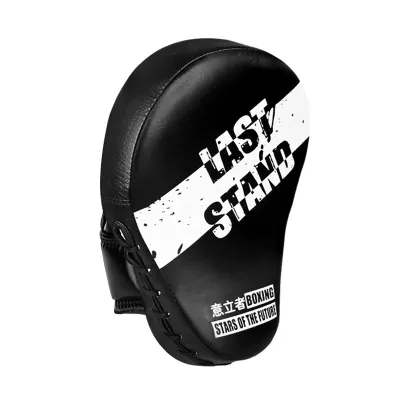
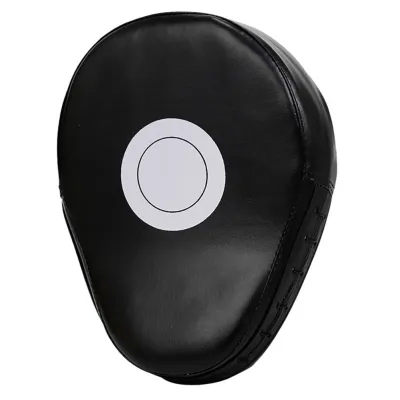

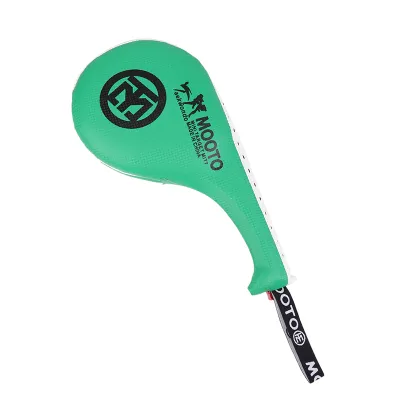
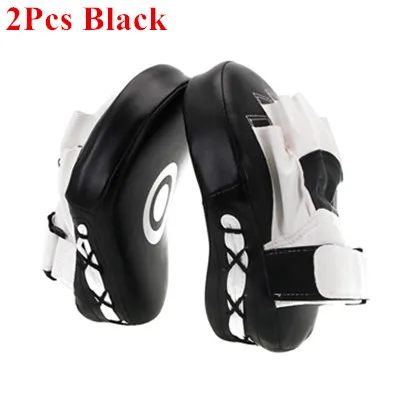
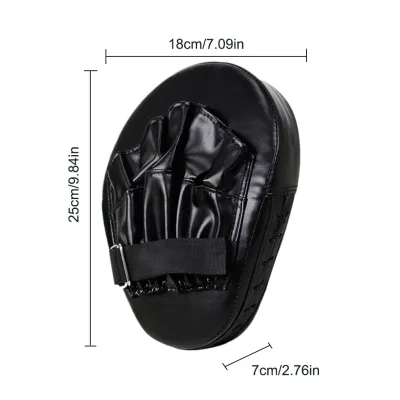
Prices are valid at publication and may change. Please refer to the product page for the latest price.
Focus mitts are small, lightweight, and typically curved or flat targets worn on the hands. They are designed primarily for boxing and rapid hand combinations, emphasizing speed, precision, and head movement. Because they offer a smaller surface area, they force the striker to focus on accuracy. However, they provide minimal protection against heavy kicks or knees, making them unsuitable for disciplines like Muay Thai or taekwondo.
Thai pads are elongated, thick rectangular pads worn on the forearms, usually secured by straps and a handle. These are the standard training tools for Muay Thai and kickboxing, designed to absorb powerful shin kicks, knees, and elbows. The thick, multi-layered foam construction is essential for dispersing the high kinetic energy of leg strikes, protecting the holder’s forearms and shoulders during intense training sessions.
Hybrid pads and kick shields offer a middle ground for mixed martial arts (MMA) and general fitness training. Hybrid pads are often smaller and lighter than traditional Thai pads, allowing the holder to transition quickly between punching and kicking drills. Kick shields are much larger, chest-worn or hand-held targets designed for heavy low kicks, front kicks, and body strikes. Checking your gym’s specific training standards and consulting with your coach will help you narrow down the correct category before you purchase.
Beginner Training Needs and Accessible Brands
Beginners require punching pads that prioritize safety, forgiveness, and ease of use. When you are first learning to strike, your accuracy, control, and wrist alignment are still developing. Off-center hits are common, which can place unusual stress on both the striker’s hands and the holder’s wrists. Therefore, entry-level pads should feature wider striking surfaces and thicker, softer padding to accommodate these early technical inconsistencies.

For the pad holder, lightweight materials and secure strap systems are critical. Heavy pads can quickly fatigue a beginner’s shoulders and arms, leading to poor holding form and an increased risk of injury. Look for hook-and-loop (velcro) closure systems that allow for quick, secure adjustments across different wrist sizes. Synthetic leather, such as polyurethane (PU), is highly suitable for beginners as it is lightweight, budget-friendly, and easy to wipe clean after a sweaty session.
When exploring accessible entry-level brands in Singapore, manufacturers like Decathlon (under their Outshock brand), Everlast, and RDX offer reliable options. These brands produce synthetic focus mitts and basic Thai pads that typically range from S$30 to S$80. While they may not withstand the daily abuse of a professional gym, they provide adequate shock absorption and basic durability for home workouts or twice-a-week classes. Prioritize models with thick foam inserts and reinforced wrist support to ensure a safe introduction to combat sports.
Intermediate Strikers: Balancing Feedback and Protection
As you transition into intermediate training, your striking power, speed, and combination complexity will increase. At this stage, soft, oversized beginner pads may no longer suffice. Intermediate practitioners require pads that offer distinct tactile and auditory feedback—often referred to as the “pop” of a clean strike—without sacrificing the necessary protection for high-volume training sessions.
This transition requires moving toward denser foam cores, such as high-density EVA or layered latex foam, which do not bottom out under moderate-to-heavy impact. Contoured or curved shapes become highly beneficial here. Curved focus mitts catch punches more naturally, reducing the strain on the holder’s wrists by aligning the impact with the natural angle of the hand. For Thai pads, a slight curve helps keep kicks from slipping off the top or bottom of the pad.
Ergonomics and stability are paramount for intermediate pad holders who must endure longer, faster combinations. Look for pads featuring padded forearm channels, reinforced riveted handles, and adjustable dual-strap systems. Brands like Fairtex, Twins Special, and Venum offer excellent mid-tier options. These brands often utilize high-grade synthetic leather (such as Microfiber) or semi-leather materials that offer comparable durability to genuine leather at a more accessible price point, making them ideal for dedicated hobbyists training multiple times a week.
Advanced and Professional Pad Requirements
Advanced fighters and professional coaches demand the highest standards of construction, material quality, and impact dispersion. In a professional training environment, pads are subjected to hours of maximum-force strikes daily. Equipment failure is not just an inconvenience; it is a safety hazard that can lead to chronic joint pain, hyperextension, or acute injury for the trainer.
Professional-grade punching pads are characterized by multi-layered, high-density foam cores that absorb and disperse extreme force across a wide area. The outer shell is almost exclusively constructed from premium genuine cowhide leather or ultra-durable engineered microfiber. These materials resist tearing, cracking, and moisture absorption far better than standard synthetics, which is particularly important in Singapore’s humid climate where sweat can quickly degrade inferior materials.
Advanced pads also feature meticulous construction details, such as double-reinforced stitching, heavy-duty metal buckles (on traditional Thai pads), and specialized wrist wedges that support the holder’s forearm alignment. Renowned brands like Winning (highly favored for professional boxing focus mitts), Cleto Reyes, Fairtex, and Yokkao are the industry standards. Professional gyms evaluate these brands based on weight distribution and balance; a pad that feels top-heavy will quickly fatigue a trainer’s shoulders, regardless of its padding thickness.
How to Verify Quality and Fit Before Purchasing
To ensure you are investing in a high-quality punching pad that fits your hands and training style, you should perform a physical inspection or carefully verify the manufacturer’s technical specifications before completing your purchase. If you are shopping at a local sporting goods store in Singapore, try the pads on with your hand wraps or gloves to check the fit.
First, inspect the strap placement and handle grip. The handle should feel solid and slip-resistant, and your fingers should not feel cramped against the top of the pad. Ensure the forearm straps do not pinch your skin or restrict blood circulation when tightened. Next, examine the edge binding and stitching. Look for double-stitched seams and leather piping along the edges, as these areas experience the highest tension during impact and are the most common failure points.
If you are purchasing online, avoid relying on vague marketing terms like “shatterproof” or “indestructible.” Instead, check the product specifications for exact dimensions, weight per pad, and the specific type of foam used (such as multi-layered EVA or gel-infused foam). Be aware of the weight; a pair of heavy Thai pads can weigh over 1.5 kg, which may be too heavy for smaller pad holders.
Finally, verify the authenticity of the product, especially when purchasing popular Thai brands like Fairtex or Twins Special, as counterfeit gear is common on online marketplaces. Buy from authorized local distributors or reputable specialty combat sports shops. Always check the retailer’s return policies and warranty terms so you can exchange the pads if you discover any manufacturing defects or structural issues upon delivery.
Frequently Asked Questions (FAQ)
How do I clean and maintain leather punching pads?
To maintain leather punching pads, wipe them down thoroughly with a damp cloth and a mild, diluted soap solution after every training session to remove sweat, oils, and dirt. Avoid using harsh chemical cleaners, bleach, or alcohol-based sprays, as these can dry out the leather and cause it to crack over time. Once wiped down, allow the pads to air-dry completely in a well-ventilated indoor area away from direct sunlight and heat sources. In Singapore’s humid climate, never leave damp pads inside a closed gym bag, as this creates an ideal environment for mold, mildew, and persistent odors to develop.
What is the ideal weight for a pair of Thai pads?
The ideal weight for a pair of Thai pads depends on the holder’s physical strength and the primary focus of the training session. Lighter Thai pads, typically weighing between 1.0 kg and 1.2 kg per pair, are excellent for speed, mobility, and rapid combination drills, as they allow the holder to move their arms quickly without rapid fatigue. Heavier pads, weighing 1.5 kg or more per pair, feature thicker, denser foam cores designed to absorb maximum-impact kicks and knees from larger training partners. You should check the manufacturer’s exact weight specifications to ensure the pads match your physical capacity and training requirements.
Community discussion
Share your experience or ask a question. Comments are reviewed before publication.