
Finding reliable shin guards for children in Singapore depends on matching the child’s specific sport, physical size, and verifiable safety labels rather than relying solely on brand names. While many parents search for a single leading brand, the reality of youth sports is that protective gear must be tailored to the individual player’s age, position, and physical development. A shin guard that fits one child perfectly may leave another vulnerable to painful impacts or restrict their natural movement on the field. By focusing on objective fit criteria, material specifications, and local retail verification, you can ensure your child remains protected and comfortable during training and matches.
Identifying Protection Needs by Sport and Age
Different sports demand distinct levels of protection and mobility, making it essential to choose gear designed specifically for your child’s activity. In football, players require lightweight protection that allows for rapid acceleration and precise ball control. Field hockey, on the other hand, involves a heavier, hard ball and low-swinging sticks, which generally necessitates thicker, more robust shin guards that cover a larger surface area of the lower leg. For martial arts, such as Muay Thai or taekwondo, shin guards are typically soft, wrap-around pads designed to cushion both the wearer and their sparring partner during repetitive kicking drills. Understanding these sport-specific differences prevents you from purchasing gear that is either inadequate or excessively bulky.
The construction of the shin guard plays a critical role in how it manages impact forces. Most youth shin guards feature a hard outer shell made of materials like plastic, fiberglass, or carbon composites, paired with an inner layer of soft foam padding, such as ethylene-vinyl acetate (EVA) or polyurethane. The hard outer shell is designed to disperse the concentrated force of a blow across a wider surface area, while the inner foam layer absorbs the remaining energy to minimize bruising. When evaluating manufacturer specifications, look for high-density foam layers that offer substantial cushioning without adding excessive bulk or weight to your child’s legs. Low-quality guards often use thin foam that bottoms out easily under pressure, offering minimal protection.
Products mentioned in this guide
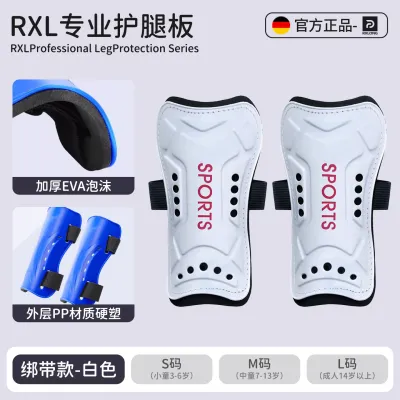
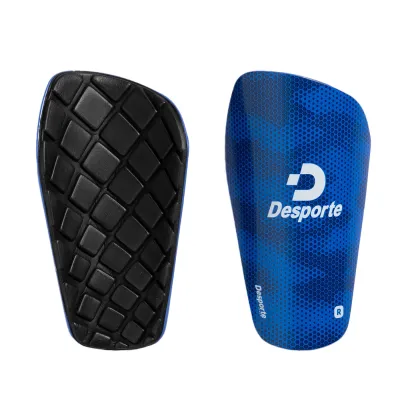
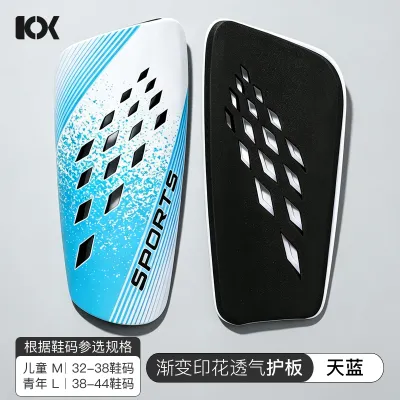
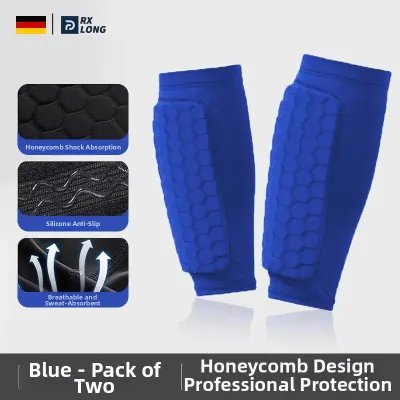
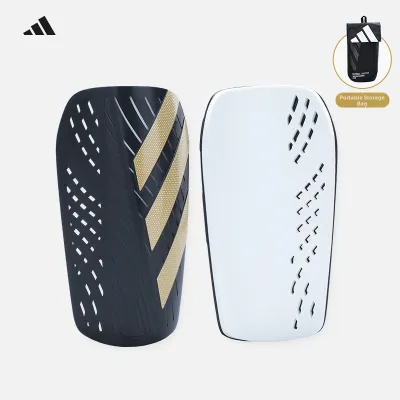
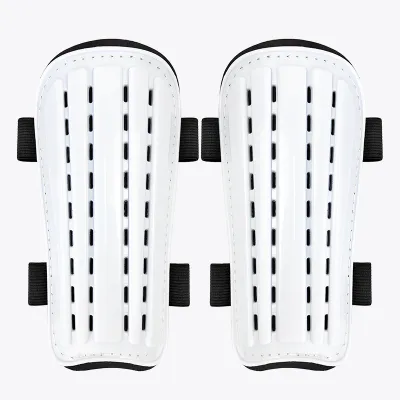
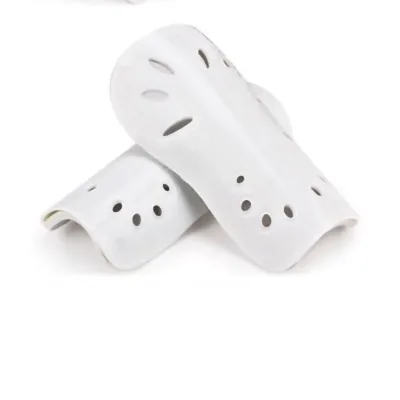
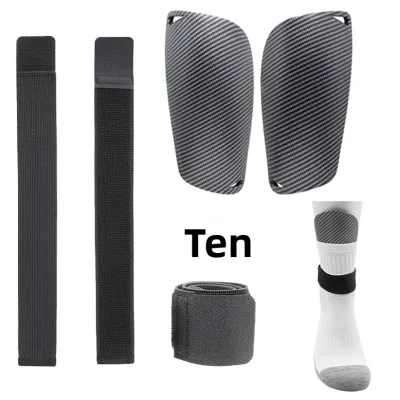
Prices are valid at publication and may change. Please refer to the product page for the latest price.
Parents must also choose between different styles of shin guards, primarily slip-in models and strapped models with integrated ankle protection. Slip-in shin guards are lightweight plates that slide directly into a compression sleeve or under the sports sock, offering maximum freedom of movement preferred by older, more experienced players. Strapped models feature adjustable hook-and-loop bands that secure the guard directly to the leg, often accompanied by padded ankle cups that shield the delicate ankle bones from lateral impacts. While strapped models provide comprehensive coverage that is highly beneficial for younger children or beginners, they can sometimes feel restrictive as a player’s movements become more complex. Balancing these trade-offs requires assessing your child’s current skill level and coordination.
Measuring and Fitting Shin Guards for Maximum Safety
Achieving an accurate fit is the most critical factor in ensuring your child’s shin guards perform as intended during a game. To begin the measuring process, have your child sit in a chair with their knees bent at a ninety-degree angle and their feet flat on the floor. Use a flexible measuring tape to measure the distance along the shin bone, starting from approximately two to three centimeters below the kneecap down to about two centimeters above the prominent ankle bone. This measurement represents the ideal length of the shin guard shell, ensuring it covers the vulnerable shin area without digging into the knee joint or restricting ankle flexion. Avoid buying oversized guards for children to grow into, as they hinder movement and fail to protect the correct areas.

Once you have this measurement, consult the manufacturer’s sizing chart, which typically correlates shin length or the child’s overall height to specific guard sizes, such as extra-small, small, or medium. It is important to test the fit of the physical shin guards using the exact socks, compression sleeves, and footwear your child wears during active play. Slip the guards into place and have your child walk, run, jump, and perform basic sports movements to verify that the gear remains securely positioned. The guard should cover at least two-thirds of the shin bone’s length and fit snugly against the natural curve of the leg without leaving large gaps. Gaps between the guard and shin can catch on clothing or equipment, increasing injury risks.
During this fitting session, actively monitor for observable signs of a poor fit that could compromise safety or comfort. If the shin guard slides down the leg, shifts from side to side, or rotates during movement, it is either too large or lacks adequate securing mechanisms. Conversely, if the edges of the hard shell dig into the skin, leave deep red marks after a few minutes of wear, or pinch the leg when the knee is bent, the guard is too small or shaped incorrectly for your child’s leg structure. Restricted circulation, numbness, or a tingling sensation in the feet are serious indicators that the straps or compression sleeves are overly tight and must be adjusted or replaced immediately. Observing these physical cues during a fitting session prevents discomfort during gameplay.
Inspecting Build Quality and Reading Safety Labels
In the absence of independent testing data for every youth product on the market, parents must learn to physically inspect shin guards to verify their structural integrity. Begin by examining the hard outer shell for any signs of manufacturing defects, such as sharp edges, uneven molding, or micro-cracks that could splinter under pressure. Press firmly on the shell to ensure it does not flex excessively or collapse under moderate hand pressure, as a weak shell will fail to disperse impacts effectively. Next, inspect the inner foam padding to confirm it is securely bonded to the outer shell without peeling edges, bubbles, or thin spots that offer inadequate cushioning. This ensures the guard remains a cohesive protective unit.
The fastening systems and stitching also require close inspection to ensure they can withstand the rigors of regular sports use. Check that any hook-and-loop straps are securely stitched to the main body of the guard and that the grip material holds firmly when fastened. If the model includes integrated ankle guards, examine the stirrup straps and ankle cups for reinforced stitching and flexible, resilient padding that will not chafe the skin. For slip-in models, inspect the accompanying compression sleeves for elasticity, ensuring the fabric is breathable yet tight enough to hold the guards in place without losing its shape after a few stretches. Flimsy straps are often the first points of failure, rendering guards useless.
Reading the manufacturer’s packaging and product labels provides essential safety context that goes beyond basic branding. Reliable manufacturers print specific age, height, and weight recommendations directly on the packaging or on a fabric tag sewn into the guard. Additionally, look for recognized safety compliance marks, such as the CE (Conformité Européenne) mark or the EN 13061 standard label, which indicates the shin guards have met specific European safety requirements for protective sports equipment. These labels verify that the product has undergone standardized testing for impact resistance, field of vision, and skin compatibility, offering a reliable baseline of protection for your child. Avoiding unlabelled products without these certifications safeguards your child from substandard gear.
Navigating Retail and Online Channels in Singapore
Finding genuine, high-quality youth shin guards in Singapore requires a strategic approach to both physical retail and online shopping. Visiting specialized sports retailers and official brand stores in local shopping malls allows your child to try on multiple sizes and styles in person before making a purchase. This hands-on experience is invaluable for identifying the exact fit and shape that matches your child’s leg anatomy, eliminating the guesswork associated with online sizing charts. Store staff can also provide guidance on which models are popular for specific local school leagues or academy training programs, helping you match local league requirements.
When shopping on online marketplaces or e-commerce platforms, extra diligence is required to ensure you are purchasing authentic products from reputable sellers. Look for official brand storefronts or authorized dealers that display clear credentials and positive customer feedback regarding product authenticity. While basic youth shin guards in Singapore typically range from S$10 to S$30, specialized models with advanced materials or integrated ankle protection may cost more. Avoid listings with unusually low prices, vague product descriptions, or missing manufacturer details, as these can be indicators of counterfeit goods that lack proper safety testing. Always review the seller’s return and exchange policies before finalizing your purchase, ensuring you can easily return the guards if they do not fit correctly upon arrival. This is crucial when buying online, where physical fit cannot be verified beforehand.
Upon receiving an online order, conduct a thorough inspection of the packaging and the product itself before allowing your child to use it. Verify that the shin guards arrive in original manufacturer packaging with all official tags, safety labels, and instruction manuals intact. Check for any discrepancies in branding, spelling, or logo placement on the product, which are common signs of counterfeit items. If you notice any manufacturing defects, such as loose stitching, deformed shells, or missing components, contact the seller immediately to arrange for a replacement or refund rather than compromising your child’s safety on the field. This ensures online purchases meet the same safety standards as physical store items.
Maintaining Gear and Recognizing Replacement Signals
Proper maintenance is essential for preserving the protective qualities of your child’s shin guards and preventing the buildup of unpleasant odors, especially in Singapore’s warm and humid climate. After every training session or match, remove the shin guards from your child’s sports bag immediately to allow them to air dry in a well-ventilated area away from direct sunlight. Leaving damp gear sealed inside a dark bag allows bacteria and mold to thrive, degrading materials and causing skin irritation. Wipe down the hard outer shells with a damp cloth and mild soap, avoiding harsh chemical cleaners that could weaken the plastic.
For shin guards with removable fabric liners, compression sleeves, or fully washable designs, always follow the manufacturer’s care labels for washing instructions. Most fabric components should be hand washed in cold water with a gentle detergent and allowed to air dry completely; machine washing or using a clothes dryer can warp the plastic shells, melt the adhesives, or stretch out the elastic straps. Regularly inspect the elastic bands and hook-and-loop fasteners for accumulated dirt, lint, or grass, which can reduce their gripping power and cause the guards to slip during play. Keeping these components clean ensures the guards remain securely positioned.
Even with meticulous care, youth shin guards have a limited lifespan and must be replaced immediately when they show signs of structural compromise. Inspect the hard shells regularly for deep scratches, stress discoloration, or hairline cracks, as these physical defects indicate the material has weakened and may shatter upon the next impact. Similarly, if the inner foam padding becomes permanently compressed, brittle, or begins to crumble, it can no longer absorb impact forces effectively. If the guards no longer cover two-thirds of the shin or the straps become tight, transition to a larger size to maintain optimal protection.
Frequently Asked Questions (FAQ)
Do kids need ankle protection on their shin guards?
Whether a child needs ankle protection depends largely on their age, experience level, and the specific rules of their sports league. For younger children and beginners, shin guards with integrated ankle protection are highly recommended because these players are still developing their coordination and are more prone to accidental kicks around the ankle area. The padded cups provide a physical barrier against stray kicks, offering peace of mind. However, as players grow older, gain better body control, and transition to more competitive levels, they often prefer lightweight slip-in guards. These slip-in models offer greater ankle mobility and flexibility, allowing for more precise footwork, though they leave the ankle bones exposed. Always consult your child’s coach or league regulations, as some youth leagues in Singapore may mandate specific types of protective gear for official matches.
How often should children's shin guards be replaced?
There is no fixed calendar timeline for replacing children’s shin guards, as replacement should be driven by physical growth and observable wear. Children experience rapid growth spurts, meaning a pair of guards that fit perfectly at the start of a season may become dangerously small within a few months. As a general rule, you should assess the fit of your child’s gear at the beginning of every sports season or term. Beyond growth, immediate replacement is necessary if you observe physical damage such as cracked outer shells, torn straps, or severely compressed foam padding that no longer springs back when pressed. Additionally, replace guards immediately after any severe impact that leaves visible stress marks or deep dents, as their structural integrity has been compromised and they can no longer guarantee reliable protection.
Community discussion
Share your experience or ask a question. Comments are reviewed before publication.