
Choosing the right hydration companion for your fitness routine often comes down to what keeps you drinking. If your primary struggle is the monotony of plain water, the airup water bottle offers an innovative solution by using scent pods to simulate flavor through your sense of smell. However, if your workouts demand ice-cold water to combat high humidity, or if you need a rugged container that can withstand being tossed onto concrete, a traditional insulated sports water bottle remains the standard choice. Understanding how these two distinct designs function under active conditions is key to selecting the bottle that will actually support your fitness goals.
While both options serve the fundamental purpose of keeping you hydrated, they approach the task from entirely different angles. One focuses on sensory engagement to change how you experience plain water, while the other prioritizes thermal engineering and structural durability. By comparing their design mechanisms, material builds, and daily maintenance requirements, you can determine which bottle fits seamlessly into your workout routine.
Core Design and Hydration Mechanism
The defining feature of the airup water bottle is its unique scent-pod system, which operates on the concept of retronasal olfaction. When you sip from the bottle, air is drawn through a small vent in the scent pod, creating bubbles in the water. As you swallow, this scented air travels through the back of your throat to your olfactory receptors, tricking your brain into perceiving flavors like peach, watermelon, or citrus. The water itself remains completely plain and free of additives, sugars, or artificial sweeteners. This design is specifically engineered for individuals who find plain water unappealing and struggle to meet their daily hydration targets without flavor motivation.
Products mentioned in this guide
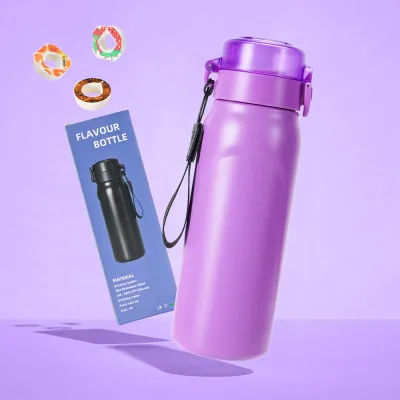
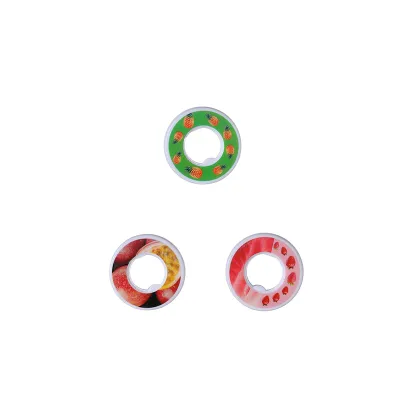
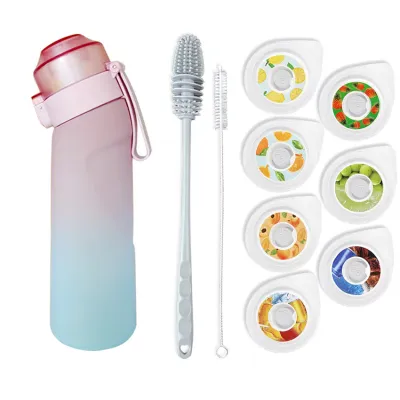
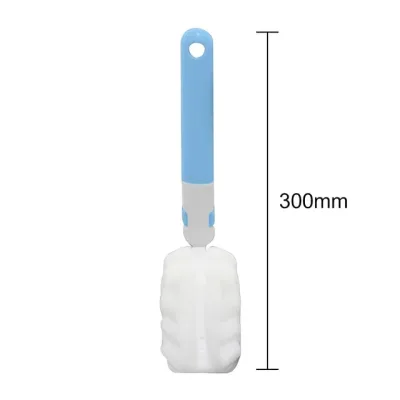
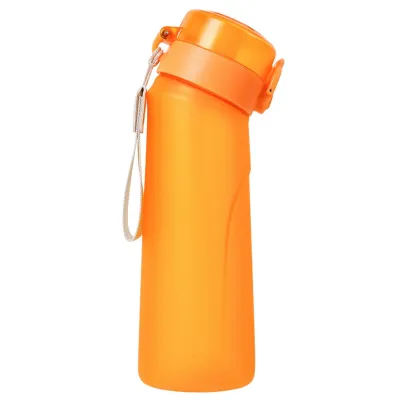
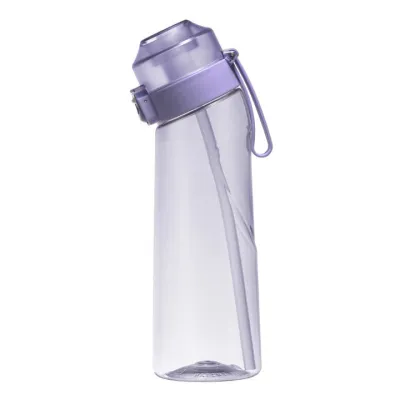
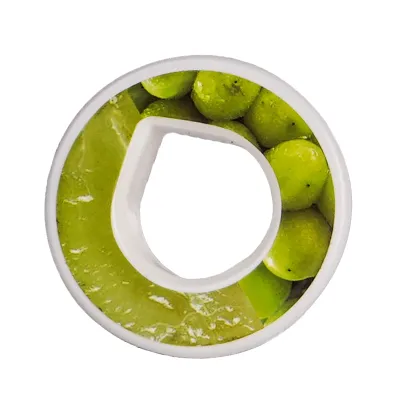
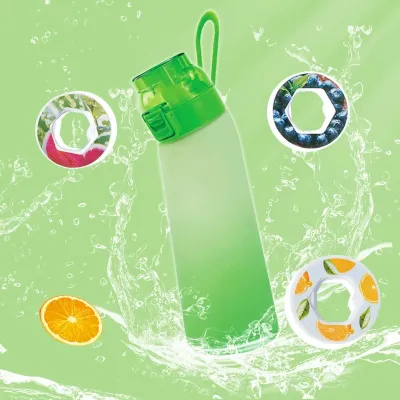
Prices are valid at publication and may change. Please refer to the product page for the latest price.
In contrast, traditional insulated sports water bottles rely on a straightforward, utilitarian design. They do not alter your sensory perception; instead, they are built to hold whatever liquid you choose to put inside them. This makes them highly versatile for athletes who rely on functional beverages. Whether you need to mix electrolyte tablets, pre-workout powders, branched-chain amino acids (BCAAs), or protein shakes, a traditional sports bottle accommodates these mixtures without any risk of damaging a specialized delivery mechanism.
Because the airup system is built around this specialized airflow design, it is essential to verify the specific model’s specifications before purchasing. The brand’s primary focus has historically been flavor simulation rather than thermal engineering. While some newer models feature insulated steel bodies, many of the classic designs are made of lightweight plastics. If your workout routine requires a bottle that can keep liquids cold for hours, you must carefully check the product details to ensure you are selecting a model designed for thermal retention rather than a standard plastic version.
Temperature Retention and Material Build
When training in warm or humid environments, such as outdoor running paths or non-air-conditioned gyms in Singapore, water temperature plays a critical role in athletic performance. Cold water not only tastes more refreshing during an intense workout but also helps regulate your core body temperature. Traditional sports bottles excel in this category due to their double-wall vacuum insulation. This construction features an inner and outer wall of stainless steel with a vacuum sealed between them. Because heat cannot easily transfer across a vacuum, these bottles can keep ice solid and water cold for an entire day, regardless of the external temperature.

To evaluate how the airup water bottle compares in terms of temperature retention, you must look closely at the material of the specific model you are considering. The classic plastic airup models, typically made from Tritan or similar BPA-free plastics, offer virtually no insulation. If you fill a plastic bottle with ice water, the ice will melt quickly, and condensation will form on the exterior, making the bottle slippery to hold. However, if you opt for the double-walled stainless steel airup model, you can expect a level of thermal retention comparable to standard insulated bottles. Always check the manufacturer’s product label for the exact number of hours the bottle is rated to keep liquids cold.
Material build also directly impacts durability and weight during active use. Plastic bottles are inherently lightweight, making them easy to carry in a backpack or gym bag when commuting. However, plastic is prone to cracking or scratching if dropped on hard surfaces like gym floors, asphalt, or rocky outdoor trails. Stainless steel bottles, whether from airup or traditional sports brands, are incredibly rugged and can survive heavy impacts with only minor cosmetic dents. The trade-off is weight; a fully filled stainless steel bottle is significantly heavier than its plastic counterpart, which is an important consideration if you prefer to travel light or carry your bottle by hand during long runs.
Workout Convenience and Daily Maintenance
The usability of a water bottle during a workout can make a significant difference in your hydration flow. During high-intensity training, you need quick, reliable access to water without interrupting your rhythm. Traditional sports bottles often feature a variety of lid options designed for active use, such as push-button flip caps, bite valves, or integrated straws that allow for easy, one-handed operation. These designs allow you to take a quick sip between sets or while running on a treadmill without needing to tilt your head back excessively or use both hands.
The airup bottle utilizes a specific straw and mouthpiece design that is integral to the scent-pod activation. To get the flavored sensation, you must pull the scent pod upward to activate the airflow, and then sip through the mouthpiece while holding the bottle upright. Tilting the bottle like a traditional cup will prevent the system from working correctly and may cause leaks. This specific sipping technique and the requirement to keep the bottle upright can feel less intuitive during a gasping cardio session or a fast-paced workout. Additionally, you must remember to push the pod back down to deactivate it and seal the bottle when you are finished drinking.
Daily maintenance is another crucial factor, especially when using a bottle frequently. Traditional wide-mouth insulated bottles are relatively simple to clean. Their wide openings allow easy access for bottle brushes, and many models are dishwasher-safe, making it simple to maintain hygiene. Airup bottles, due to their unique design, have more intricate components. The mouthpiece, straw, and the area where the scent pod sits must be disassembled and cleaned regularly to prevent moisture from trapping in small crevices. Because saliva can travel back down the straw during use, thorough cleaning is essential to prevent mold and bacteria buildup. Furthermore, the scent pods themselves must be stored properly when not in use to preserve their aroma.
Leak-proof reliability is also vital when carrying your bottle alongside expensive workout gear, electronics, or clean clothes in a gym bag. Traditional sports bottles with heavy-duty screw caps or locking mechanisms are highly secure against leaks under pressure. The airup bottle is designed to be leak-proof when the pod is pushed down and the lid is securely fastened. However, if the pod is left in the active position or if the internal straw is not seated correctly, slow leaks can occur. Users should always perform a quick check of the seals and pod position before tossing the bottle horizontally into a crowded bag.
Decision Framework: Which Bottle Fits Your Routine?
To determine which bottle is the right investment for your fitness journey, consider your specific hydration challenges, workout environments, and beverage preferences. Whether you are investing S$50 or S$80 in a premium hydration vessel, matching the bottle to your lifestyle ensures you get the most value from your purchase.
You should choose the airup water bottle if:
- Your primary obstacle to staying hydrated is a dislike of plain water, and you find yourself constantly craving flavored drinks, sodas, or juices.
- Your workouts are primarily moderate, indoor, or climate-controlled, where extreme temperature retention is not a strict necessity.
- You want a calorie-free, sweetener-free way to enjoy a flavored sensation during your yoga, pilates, or strength training sessions.
- You are willing to dedicate a few extra minutes to detailed cleaning and maintaining the scent-pod components.
You should choose a traditional insulated sports water bottle if:
- You train in hot, humid outdoor environments (such as running along East Coast Park or training at outdoor calisthenics parks in Singapore) and require ice-cold water to help manage your body temperature during long sessions.
- You regularly mix pre-workout powders, electrolyte tablets, or recovery supplements directly into your water bottle.
- You need a highly durable, drop-resistant container that can withstand rough handling on concrete, sports courts, or outdoor trails.
- You prefer a low-maintenance bottle with a simple, high-flow lid mechanism that allows for quick, one-handed sips during intense cardio.
Before making your final decision, always verify the specifications of the exact model you are considering. If you are leaning toward the airup bottle but still want cold water, ensure you select their insulated stainless steel model rather than the plastic version, and check the manufacturer’s product label for specific thermal performance claims and care instructions.
Frequently Asked Questions (FAQ)
Can I use pre-workout or electrolyte powders in an airup bottle?
While you can physically add powders to the water inside an airup bottle, it is generally not recommended by the manufacturer. The airup system relies on a precise straw and air-channel mechanism to draw up water while mixing it with scented air. Sticky powders, sports drink mixes, or effervescent electrolyte tablets can leave residues that clog the fine air vents and mouthpiece. This residue can be difficult to clean thoroughly and may permanently affect the performance of the scent-pod system. For the best experience, it is advised to use only plain, still, or sparkling water in your airup bottle, and reserve your traditional sports bottles for mixing supplements.
Do insulated sports bottles retain odors after prolonged use?
High-quality food-grade stainless steel is naturally resistant to absorbing odors and stains. However, if flavored sports drinks, protein shakes, or pre-workout mixes are left in the bottle for extended periods, a thin film of residue can build up and trap smells. To prevent this, perform basic cleaning checks after every workout. Rinse the bottle with warm water immediately after use, and wash it thoroughly with mild dish soap and a bottle brush. For persistent odors, a deep clean using a mixture of warm water and baking soda, or dedicated bottle-cleaning tablets, can effectively restore a fresh scent. Pay special attention to the silicone gaskets in the lid, as these flexible seals are more prone to trapping odors than the steel body itself.

Community discussion
Share your experience or ask a question. Comments are reviewed before publication.