
Selecting the right ankle ice pack wrap requires looking beyond brand names to evaluate how a wrap balances cold retention, compression, and fit. In Singapore’s warm and humid climate, factors like condensation control, breathable materials, and secure fastening systems become critical for comfortable recovery. By comparing the structural designs, insulation properties, and strap configurations of available brands, you can find a wrap that matches your specific recovery routine and budget. This guide provides a structured approach to comparing these products, focusing on verifiable specifications and design features rather than marketing claims.
Key Dimensions for Comparing Ankle Ice Pack Wraps
When evaluating different brands of ankle ice pack wraps, the first step is understanding the core design categories. Wraps generally fall into two main types: those utilizing built-in gel packs and those designed for crushable ice cubes or reusable ice inserts. Built-in gel wraps offer a contoured, flexible fit that conforms closely to the joint, while ice-fillable designs often provide a more intense, longer-lasting temperature drop.
The wrap’s material properties directly influence both comfort and performance. Neoprene is a common choice for its excellent thermal insulation and structural durability, though it can trap heat and moisture against the skin. Breathable mesh panels or moisture-wicking fabrics are often integrated into premium wraps to improve airflow, which is particularly beneficial in tropical climates.
Products mentioned in this guide
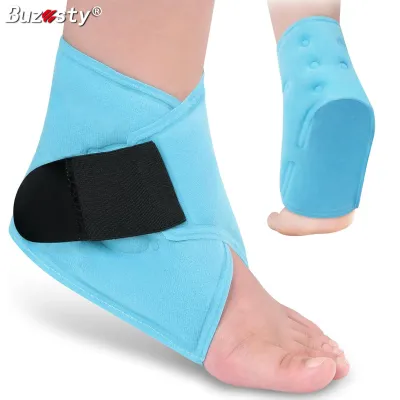
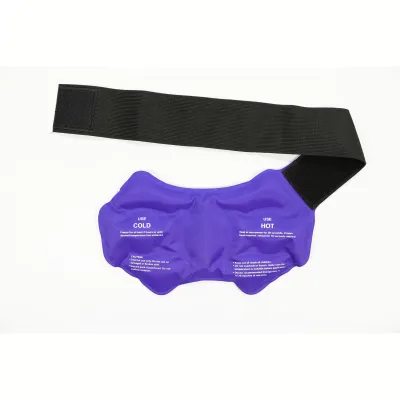
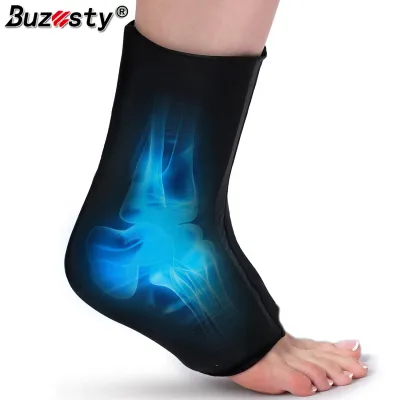
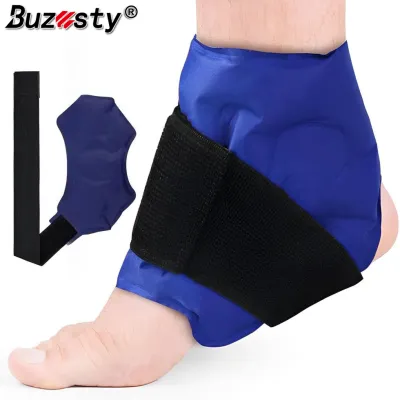
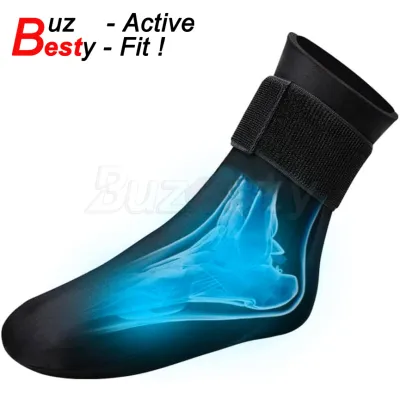

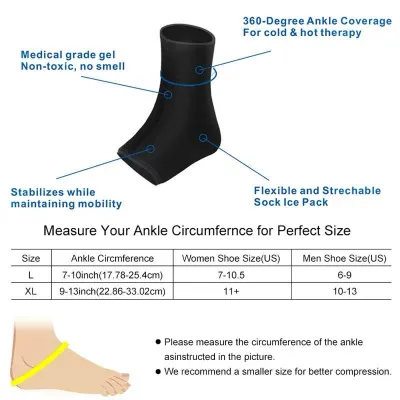
Prices are valid at publication and may change. Please refer to the product page for the latest price.
Fastening mechanisms also vary widely across brands. You will find options ranging from simple single-strap Velcro closures to complex figure-eight strap systems and lace-up compression sleeves. The fastening design determines how easily you can apply the wrap independently and how securely it remains in place during use.
Additionally, consider the coverage area of the wrap. Some models focus solely on the joint itself, while others extend down to the arch of the foot or up the lower calf. Choosing the right coverage depends on whether you are targeting localized ligament discomfort or broader swelling across the entire ankle complex.
Evaluating Cold Retention and Insulation
To compare the cooling performance of different brands without relying on marketing claims, you must carefully examine the manufacturer’s specifications. Look for details regarding the recommended freeze time and the stated active cold duration. High-quality gel formulations are engineered to remain flexible even when frozen, allowing the wrap to mold to the complex contours of the ankle joint.

Outer layer insulation plays a dual role in cold therapy. It prevents the rapid loss of cold energy to the surrounding air, extending the therapeutic window, while also acting as a barrier against condensation. In humid environments, a wrap with poor external insulation will sweat excessively, leading to damp skin and potential slipping.
Thicker insulation layers generally provide longer cold retention, but they also add bulk to the wrap. If you require a highly portable option for post-training recovery at the field or court, a slimmer profile might be preferable. Conversely, if your primary goal is stationary recovery at home, a bulkier, highly insulated wrap will offer more sustained cooling.
You should also verify if the brand uses a dual-chamber design or segmented gel pockets. Segmented pockets prevent the gel from pooling at the bottom of the wrap due to gravity, ensuring that the cold is distributed evenly across the top and sides of the ankle throughout the entire application session.
Assessing Fit, Compression, and Strap Design
A secure fit is essential for effective cold transfer, as any air gaps between the wrap and your skin will significantly reduce the cooling effect. Strap configurations are the primary tool for achieving this close contact. Figure-eight strap designs mimic athletic taping techniques, providing targeted compression to the lateral and medial ligaments of the ankle.
Dual-strap and single-wrap designs are generally easier to apply but may offer less customizable compression. When comparing brands, check the provided size charts and adjustable ranges. Some wraps are designed as one-size-fits-all, while others offer distinct sizes to accommodate different foot widths and ankle circumferences.
Pay close attention to the quality of the edge binding and the stretch of the material. Rough edges or stiff seams can cause chafing, especially when compression is applied tightly. The material should stretch sufficiently to allow for moderate swelling without restricting blood circulation or causing discomfort.
For individuals with high arches or wider feet, a wrap with highly adjustable straps is crucial. Standard wraps without sufficient strap length may pinch or fail to cover the targeted area properly, rendering the cold therapy less effective.
Durability, Maintenance, and Long-Term Value
The long-term value of an ankle ice pack wrap is determined by its durability and ease of maintenance. Examine the seam construction, particularly around the strap attachment points and the edges of the gel pockets. Double-stitched seams and reinforced high-wear areas are indicators of a wrap that can withstand repeated tension and washing.
Strap wear resistance is another critical factor, as low-grade Velcro can lose its grip after a few dozen uses. Check the manufacturer’s care instructions to understand the cleaning requirements. Most wraps require hand-washing and air-drying, as machine washing or tumble drying can degrade the neoprene and weaken the adhesive properties of the fasteners.
Additionally, consider the availability of replacement parts and the terms of the manufacturer’s warranty. Brands that offer individual replacement gel packs allow you to extend the lifespan of the wrap without purchasing an entirely new system. This modular approach significantly lowers the long-term cost of ownership and ensures you always have a spare gel pack ready in the freezer.
Storage requirements are also worth checking. Some gel packs must be stored flat in the freezer to prevent them from freezing into awkward shapes that cannot wrap around the ankle. Ensuring your freezer has the appropriate space for flat storage is a small but important practical consideration.
Decision Framework: Choosing the Right Wrap for Your Needs
To make an informed purchase, align the wrap’s design features with your specific recovery goals and lifestyle. If you need a quick, mess-free solution for routine post-workout recovery, a built-in gel wrap is highly efficient. These wraps freeze quickly and can be slipped on immediately after a training session with minimal preparation.
For managing acute swelling or recovering from more significant joint strain, a wrap compatible with crushable ice cubes or heavy-duty ice inserts may be more suitable. These systems deliver a deeper, more intense cold application that can help manage localized swelling during the initial stages of recovery.
If your recovery protocol requires active compression alongside cold therapy, prioritize wraps featuring a figure-eight strap design. This configuration allows you to adjust the compression level precisely around the joint, providing structural support while the cold therapy takes effect.
When purchasing from online marketplaces or local sports retailers in Singapore, always verify the sizing charts, return policies, and user feedback regarding fit. Ensure the retailer offers a clear return or exchange policy in case the wrap does not fit your foot shape comfortably. Comparing prices in S$ across different platforms can also help you find the best value, keeping in mind that a slightly higher upfront cost for a durable, multi-strap wrap often saves money over time compared to cheaper, single-use alternatives.
Frequently Asked Questions (FAQ)
Can I wear an ankle ice pack wrap while walking or exercising?
Most manufacturers recommend using ankle ice pack wraps while at rest rather than during physical activity. Walking or exercising while wearing a wrap can alter your natural gait, potentially leading to secondary strain on your knees or hips. Additionally, active movement can cause the wrap to shift, reducing the contact area and compromising the compression. The weight-bearing pressure can also cause the gel pockets to rupture if they are subjected to direct impact. Always follow the specific weight-bearing guidelines provided by the manufacturer and consult a healthcare professional before attempting any mobility exercises with the wrap applied.
How long should I apply cold therapy to my ankle per session?
Standard sports medicine guidelines generally suggest applying cold therapy for 15 to 20 minutes per session. Applying cold for longer periods can lead to skin irritation, frostbite, or temporary nerve damage due to prolonged vasoconstriction. It is crucial to use a built-in barrier layer or place a thin towel between the wrap and your skin if the wrap does not have an integrated protective lining. If you experience numbness, severe tingling, or increased pain during use, remove the wrap immediately. Allow your skin temperature to return to normal before applying the wrap again.
Are gel packs better than real ice for ankle sprains?
The choice between gel packs and real ice depends on your immediate recovery needs and convenience preferences. Gel packs are highly convenient, reusable, and flexible, allowing them to contour closely to the complex shape of the ankle joint for even cold distribution. Real ice, however, maintains a lower, more consistent temperature for a longer duration, which can be highly effective for reducing acute swelling immediately after an injury. For routine maintenance and post-workout recovery, gel packs are often preferred for their ease of use, while real ice remains a standard choice for initial acute care where maximum temperature reduction is required.

Community discussion
Share your experience or ask a question. Comments are reviewed before publication.