
Choosing the right ankle support guard brand in Singapore depends on your specific activity level, injury history, and the local tropical climate. Rather than looking for a single “best” brand, you should match your physical needs—whether preventive, rehabilitative, or high-performance—to the design philosophy of different brand categories. The ideal brace should stabilize your joint without restricting necessary movement, fit comfortably inside your athletic footwear, and withstand the demands of local humidity.
In Singapore’s active sporting landscape, ankle injuries are common across court sports like badminton, basketball, and netball, as well as outdoor activities like running and hiking. Navigating the wide array of international and local brands available in physical stores and online marketplaces can be overwhelming. By understanding how different support levels function and how brand categories align with specific use cases, you can make an informed decision that protects your joints and supports your active lifestyle.
Identify Your Required Ankle Support Level
Before comparing specific brands, it is essential to identify the level of support your ankle requires. Ankle guards generally fall into three functional categories: prophylactic (preventive), rehabilitative, and functional. Prophylactic support is designed for individuals with healthy ankles or a history of minor rolls who participate in high-risk sports involving rapid lateral cuts, jumps, and sudden stops. Rehabilitative support is engineered for the acute phase following an injury, such as a moderate-to-severe sprain or ligament tear, where maximum immobilization is required to allow tissues to heal. Functional support bridges the gap, offering a balance of stabilization and mobility as you transition from rehabilitation back into active sports.
Products mentioned in this guide
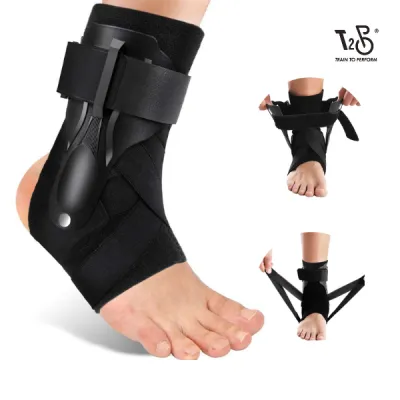
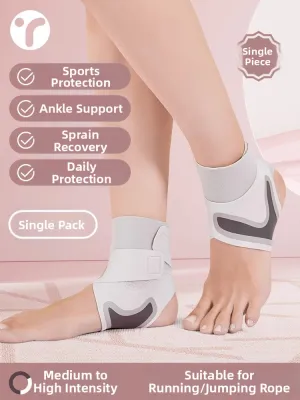
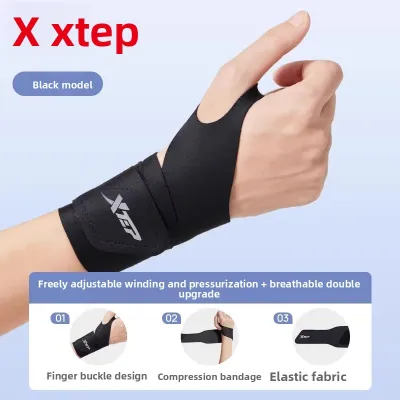
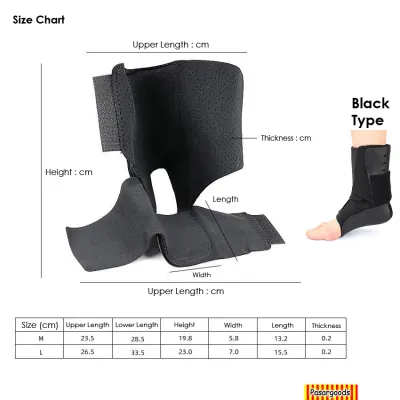
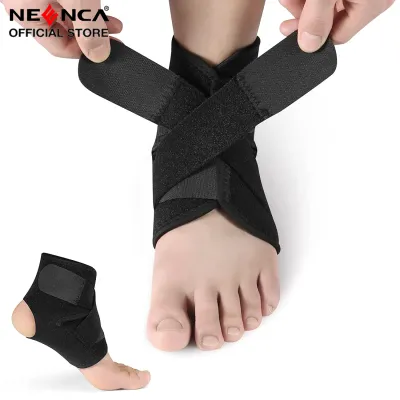
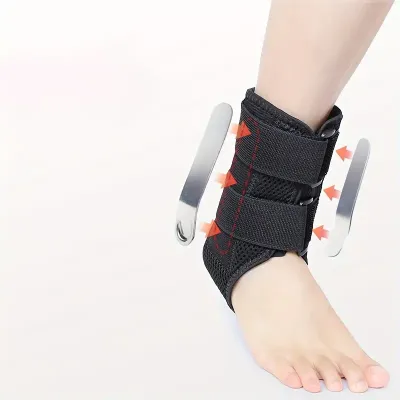
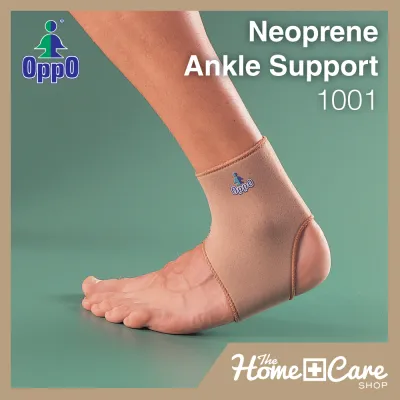
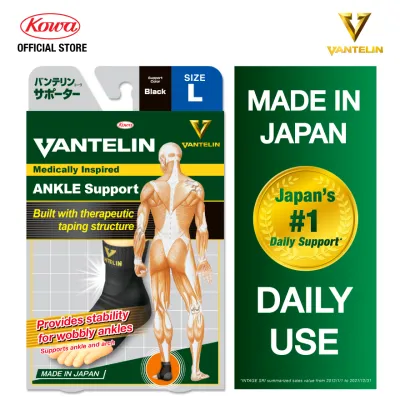
Prices are valid at publication and may change. Please refer to the product page for the latest price.
The physical design of the ankle guard directly determines its support level. Compression sleeves represent the mildest form of support, utilizing elastic or knit fabrics to apply uniform pressure. This compression enhances proprioception—the body’s subconscious awareness of joint position—which helps improve balance and muscle activation during movement. Lace-up braces offer moderate-to-high support by mimicking the restrictive effect of athletic taping; they are highly adjustable but tend to add bulk inside the shoe. Stirrup straps and figure-8 straps provide targeted lateral stability, locking the heel in place to prevent the inward rolling (inversion) that causes most sprains. Rigid hinged braces offer the highest level of protection, utilizing plastic or composite guards to block lateral movement entirely while allowing normal forward and backward flexing.
While selecting a support level, it is crucial to recognize the limits of external equipment. An ankle guard is a supportive tool, not a cure for underlying joint instability or weakness. For severe, chronic, or post-surgical ankle conditions, you must consult a physiotherapist or medical professional. A qualified specialist can provide a personalized rehabilitation plan, including strength and balance exercises, to ensure you do not become overly dependent on an external brace.
Compare Ankle Guard Brand Categories Available in Singapore
Ankle support brands available in Singapore can be broadly grouped into three categories based on their primary design focus: professional sports brands, medical and orthopedic brands, and everyday value brands. Understanding these categories helps narrow your search to the products engineered for your specific lifestyle.

Professional sports brands focus on dynamic movement, sport-specific strapping systems, and seamless integration with athletic footwear. These brands design their braces to withstand high-velocity impacts and rapid directional changes. They often utilize lightweight, high-strength resins and low-profile materials that fit snugly inside tight court shoes or running trainers without causing pressure points. Their strapping systems are engineered to mimic professional athletic taping, allowing athletes to customize the tension across specific ligaments. If your primary goal is to prevent rolls during intense badminton matches, basketball games, or trail runs, these sports-focused brands are typically the most suitable choice.
Medical and orthopedic brands prioritize anatomical precision, medical-grade compression, and targeted pain relief. These products are often developed in collaboration with orthopedic specialists and physiotherapists. They frequently feature flat-knitted elastic fabrics that provide graduated compression—tighter at the extremities and gradually loosening upward—to promote blood circulation and accelerate the reduction of swelling. Many medical-grade braces incorporate integrated viscoelastic or silicone inserts that surround the malleolus (the prominent ankle bones), distributing pressure evenly and massaging the surrounding soft tissue during movement. These brands are ideal for post-injury recovery, managing chronic joint instability, or addressing conditions like arthritis.
Everyday and value brands focus on basic compression, mild support, and budget-friendly accessibility. Commonly found in local pharmacies, supermarkets, and general sporting goods stores across Singapore, these brands offer simple elastic sleeves or basic neoprene wraps. While they lack the advanced structural engineering or medical-grade compression of premium brands, they are highly effective for managing minor daily swelling, providing warmth to stiff joints, or offering light support during low-impact activities like walking or traveling. They serve as an accessible entry point for general fitness enthusiasts who do not require specialized joint stabilization.
Because specific model availability, sizing runs, and pricing fluctuate across local distributors and online storefronts, you should always verify current local stock and detailed specifications. Avoid assuming that a single brand’s sizing is universal; always refer to the specific manufacturer’s measurement guide before making a purchase.
Evaluate Key Features for Singapore's Climate and Activities
When comparing ankle guards, several physical and functional attributes dictate how well a brace will perform in daily use, especially under Singapore’s unique environmental conditions.
Shoe compatibility is a primary consideration. A highly supportive brace is of little use if it cannot fit comfortably inside your standard athletic, court, or hiking shoes. Rigid plastic guards and thick lace-up braces add significant volume around the midfoot and heel, which may require you to loosen your shoelaces completely, remove the shoe’s original insole, or even size up your footwear. Conversely, thin compression sleeves and low-profile sports braces are designed to slip into footwear with minimal disruption to your natural shoe fit.
Material and breathability are critical in Singapore’s hot and humid climate. Traditional neoprene is highly durable and provides excellent heat retention, which can be beneficial for soothing stiff joints. However, in tropical humidity, heavy neoprene traps sweat against the skin, leading to heat rashes, skin irritation, and unpleasant odors. Modern high-performance braces utilize moisture-wicking 3D knits, perforated neoprene, or lightweight spacer fabrics. These materials facilitate airflow, channel sweat away from the skin, and dry rapidly, ensuring comfort during extended outdoor workouts or long days of wear.
Adjustability and strapping mechanisms determine how securely the brace remains in place during activity. High-quality hook-and-loop fasteners (Velcro) allow you to adjust the tension of the straps to match your comfort and support needs. Look for braces with multi-directional strapping systems that lock the heel and support the lateral ligaments. The straps should remain secure without slipping, stretching, or requiring frequent readjustment during high-intensity movements.
Durability and care requirements affect the long-term value of your purchase. Because Singapore’s humidity necessitates frequent washing to maintain hygiene, the materials must withstand regular cleaning cycles. Check the manufacturer’s care labels to see if the brace is machine-washable or requires hand-washing. Premium brands use high-grade elastics and robust Velcro fasteners that resist degradation from sweat salt crystals and repeated washing, ensuring the brace retains its supportive tension over its expected lifespan.
Find Reliable Retailers and Verify Authenticity
To ensure you receive a genuine product that fits correctly, it is important to purchase your ankle guard through reliable channels in Singapore.
Specialty sports stores, running boutiques, and medical supply shops offer the distinct advantage of in-person fitting. Trying on a brace before purchasing allows you to verify the sizing, assess shoe compatibility, and ensure that any integrated padding aligns perfectly with your ankle anatomy. Many specialty retailers staff trained personnel who can analyze your gait, evaluate your movement patterns, and recommend a brace that matches your specific biomechanical needs.
If you prefer the convenience of online shopping, stick to official brand websites, authorized local distributors, or verified flagship stores on major e-commerce platforms. Purchasing from authorized channels guarantees product authenticity and ensures you are covered by the manufacturer’s warranty or return policy if the size is incorrect.
Be vigilant against counterfeit products, which are increasingly common on unverified online marketplaces. Red flags include unusually low prices—such as a premium medical brace offered at a fraction of its standard retail cost—missing holographic authenticity labels, poor or uneven stitching, misaligned logos, and flimsy packaging. Counterfeit braces often use cheap, non-breathable materials and low-grade elastics that stretch out after a few uses, failing to provide the necessary joint stabilization and potentially increasing your risk of injury.
Decision Framework: Match Your Needs to the Right Brand Category
To finalize your selection, match your primary activity, physical condition, and comfort priorities to the most appropriate brand category.
Choose professional sports brands if your primary goal is injury prevention during high-intensity sports. If you require dynamic stabilization that allows you to sprint, jump, and change directions rapidly on the court or trail, these brands offer the necessary lateral support without excessive bulk. Look for models featuring figure-8 strapping systems and lightweight, low-profile materials.
Choose medical and orthopedic brands if you are recovering from an acute injury, managing chronic joint instability, or dealing with persistent swelling and pain. These brands provide the precise, graduated compression and anatomical padding required to support tissue healing, improve circulation, and reduce edema. They are highly suited for daily wear during rehabilitation or low-to-moderate impact activities.
Choose everyday and value brands if you only require mild compression for general fitness, light walking, travel, or managing minor daily fatigue. A simple elastic sleeve or basic wrap is cost-effective, easy to wear, and provides sufficient warmth and joint awareness without the complexity or expense of a technical brace.
Before making your final choice, verify if you have any underlying foot conditions, such as flat feet (overpronation), high arches, or plantar fasciitis. Rigid stirrup braces or thick heel cups can alter your foot strike and gait cycle. If you wear custom orthotic insoles, ensure the ankle brace can accommodate them without causing discomfort or misalignment in your knees and hips. When in doubt, consult a healthcare professional to ensure your chosen support aligns with your overall lower-limb biomechanics.
Frequently Asked Questions (FAQ)
Can I wear an ankle support guard all day?
Whether you can wear an ankle support guard all day depends entirely on the type of brace and your specific physical condition. Lightweight compression sleeves are generally safe for extended daily wear, as they provide mild pressure that helps manage swelling and improves joint awareness without restricting movement. However, rigid, semi-rigid, or heavily strapped braces should typically be restricted to active periods, sports, or specific hours recommended during rehabilitation. Prolonged, continuous use of highly restrictive braces without professional guidance can lead to muscle atrophy, joint stiffness, and a reliance on external support rather than your body’s natural stabilizing muscles. Always consult a healthcare provider or physiotherapist to establish a safe daily wear schedule tailored to your recovery.
How do I wash and maintain my ankle brace?
To prolong the lifespan and maintain the hygiene of your ankle guard, regular cleaning is essential, especially in Singapore’s humid climate. Hand-washing in cool water with a mild detergent is the safest method. If using a washing machine, place the brace in a mesh laundry bag and select a gentle cycle. Secure all hook-and-loop fasteners before washing to prevent them from snagging the fabric. Always air-dry the brace flat or hang it away from direct sunlight and high heat sources, as excessive heat can degrade elastic fibers and warp plastic or silicone inserts. Regularly inspect the brace for worn-out Velcro, frayed straps, or loss of elasticity, which indicate it is time for a replacement.
Community discussion
Share your experience or ask a question. Comments are reviewed before publication.