
A lightweight retractable cable lock is not a high-security device, but it can serve as a practical visual deterrent for brief stops along Singapore’s Park Connector Network (PCN). If you are stopping for a quick toilet break or grabbing a takeaway drink while keeping your eyes on your bicycle, these ultra-portable locks can prevent opportunistic “grab-and-go” thefts. However, relying on them requires a clear understanding of their physical limitations and the specific environment of your stop. They are designed for convenience, not to withstand determined attacks with dedicated tools.
Understanding the Security Limits of Retractable Cable Locks
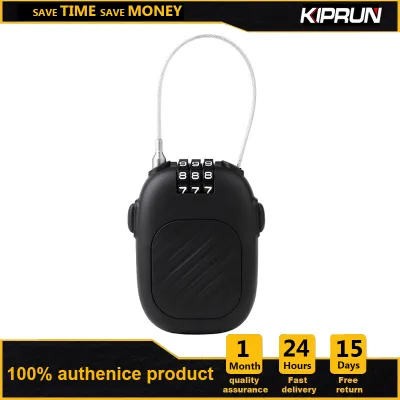
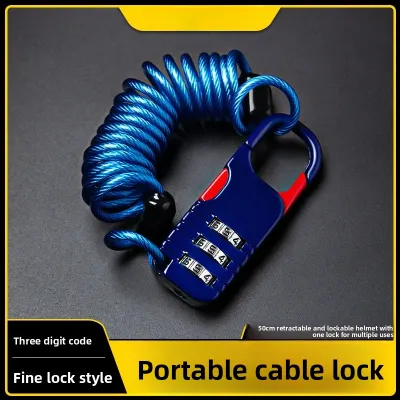
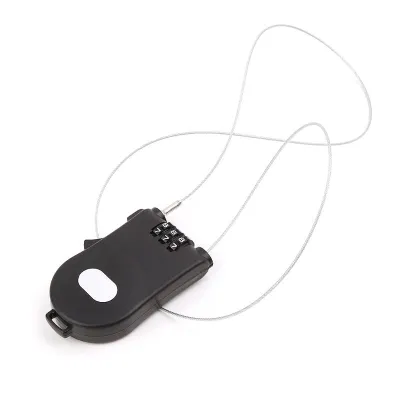
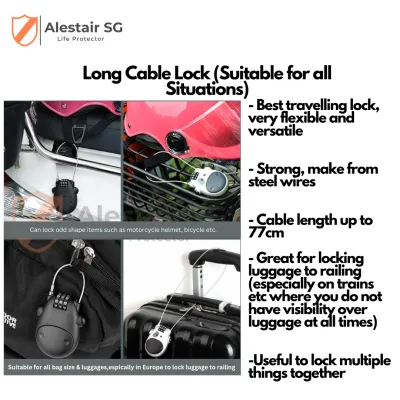
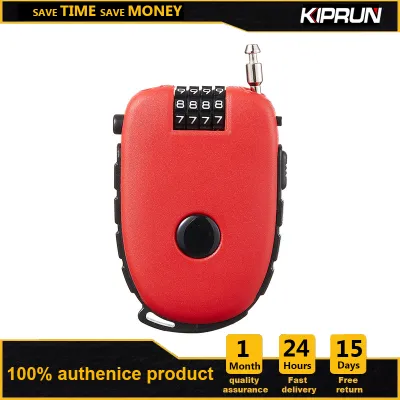
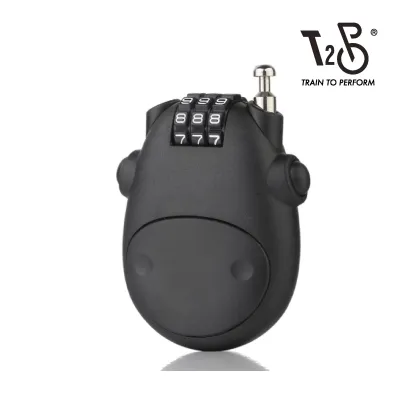
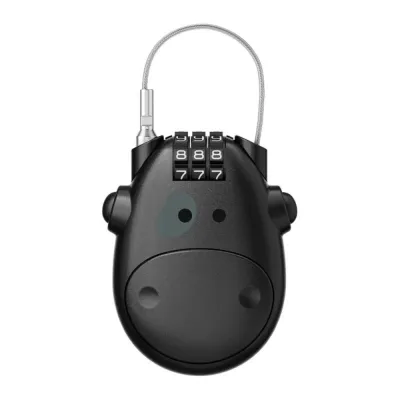
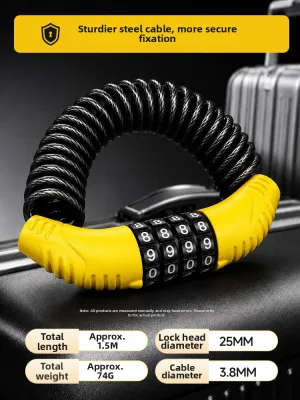
To evaluate whether a retractable cable lock fits your cycling routine, you must first understand its physical constraints. The most significant limitation is the cable thickness. Most retractable models feature steel cables ranging from 1.5mm to 2.4mm in diameter. While this steel core is often coated in protective vinyl to prevent scratches, the actual metal wire is incredibly thin. A thief equipped with basic pocket wire cutters or even heavy-duty shears can slice through these cables in a matter of seconds with minimal effort.
Beyond the cable itself, the locking mechanisms on these devices are generally built for light duty. Many models utilize simple three-digit or four-digit combination dials, while others use basic pin tumbler key cylinders. These mechanisms lack the complex security features, such as disc detainer designs, found on high-end locks. Consequently, they are more vulnerable to basic picking techniques or decoding by a patient thief.
Products mentioned in this guide
Prices are valid at publication and may change. Please refer to the product page for the latest price.
The design of a retractable lock is a deliberate trade-off between portability and structural strength. Weighing under 100 grams and easily fitting into a jersey pocket or a small saddle bag, these locks offer unmatched convenience for road cyclists and folding bike riders who want to travel light. They are not intended to secure a bicycle for hours; rather, they act as a temporary physical barrier that prevents someone from simply hopping onto your unsecured bike and riding away while you pay for your coffee.
Assessing Risk at PCN Cafes and Rest Areas
Using a lightweight lock successfully depends heavily on where and how you stop along the PCN. The most critical factor is maintaining a direct line of sight to your bicycle at all times. If you are seated at an outdoor cafe table just a few meters away, a retractable lock provides excellent peace of mind. It forces a potential thief to make a visible, physical effort to cut or tamper with the lock, giving you ample time to spot the activity and intervene.

The risk profile also varies significantly depending on the specific location of your stop. Busy, well-lit commercial hubs along the PCN—such as cafes near East Coast Park, Punggol Waterway, or the Rail Corridor—benefit from natural surveillance. The constant flow of pedestrians, runners, and fellow cyclists makes overt theft highly risky for a criminal. In contrast, isolated rest shelters or shaded pavilions along quieter stretches of the network offer cover, allowing a thief to operate without attracting attention.
Finally, consider the duration of your stop. A two-minute pause to grab a cold drink from a vending machine or a quick takeaway coffee carries a relatively low risk. However, if you plan to sit down for a full meal or step inside an air-conditioned establishment where your bike is out of view, the risk increases dramatically. Even in a crowded area, a thief can observe your prolonged absence and take advantage of the window of opportunity.
Best Practices for Using a Retractable Lock on the PCN
When a retractable cable lock is your only line of defense, proper technique is essential to maximize its deterrent value. Never simply loop the cable around the top tube or seat post. Instead, thread the cable through the main frame triangle and, if the cable length allows, through at least one wheel. Secure the lock to an immovable, designated bicycle rack or a sturdy metal railing. This prevents a thief from simply lifting the entire bicycle and carrying it away to be worked on later in a private location.
Where you park matters just as much as how you lock. Position your bicycle in a highly visible, central area with active foot traffic. Avoid parking behind large pillars, dense foliage, or in dark corners that provide cover for tampering. Additionally, try to park away from immediate getaway routes, such as the edge of a busy road, making it harder for a thief to make a quick escape.
Remember that a lock only secures the parts of the bicycle it physically loops through. High-value, easily detachable accessories are prime targets for opportunistic thieves. Before walking away from your bike, make it a habit to remove your GPS cycling computer, front and rear lights, and any frame bags containing personal items. If your bicycle features a quick-release saddle, consider taking it with you or securing it with an additional cable loop.
When to Upgrade to a Heavier Locking Solution
While a retractable lock is highly convenient, there are clear scenarios where you must upgrade to a heavier, more robust locking solution. If your riding habits involve leaving your bicycle unattended for extended periods, parking in low-traffic zones, or commuting to areas where the bike must be left out of sight, a lightweight cable is entirely inadequate.
You should also evaluate the replacement value of your bicycle against the weight and cost of a stronger lock. If you ride a high-end carbon road bike, a premium gravel bike, or an expensive folding bicycle worth thousands of S$, the financial loss of a theft far outweighs the minor inconvenience of carrying a heavier lock. In these cases, a lightweight lock should only be used as a secondary deterrent, not your primary security.
For higher-risk situations, transition to a rigid U-lock or a heavy-duty hardened steel chain lock. These options provide the physical resistance necessary to withstand common theft tools like bolt cutters and hacksaws. Although they add significant weight—often over a kilogram—and require a frame mount or a backpack to transport, they offer the level of security needed when you cannot maintain a direct line of sight to your bicycle.
Frequently Asked Questions (FAQ)
Is a retractable cable lock suitable for overnight parking at PCN shelters?
No, a retractable cable lock is completely unsuitable for overnight parking in any public outdoor space, including PCN shelters. Under the cover of darkness and with hours of uninterrupted time, a thief can easily cut through a thin cable using basic tools. For overnight storage, always bring your bicycle indoors or use a highly secure, monitored facility equipped with robust locking points.
Can the retracting mechanism scratch my bicycle frame?
Yes, if used carelessly, the plastic housing of the lock or the moving cable can scratch your bicycle’s paint. To prevent cosmetic damage, regularly inspect the cable’s protective vinyl or plastic coating for any wear, tears, or exposed metal wires. Additionally, avoid letting the lock housing dangle or bang against the frame while riding; instead, store it securely in a jersey pocket, saddle bag, or frame pack.

Community discussion
Share your experience or ask a question. Comments are reviewed before publication.