
Selecting the right tennis ball is a critical yet often overlooked step for beginners embarking on their tennis journey. While advanced players focus on spin potential and high-speed responsiveness, novice players require consistency, comfort, and longevity to build proper muscle memory. Technifibre tennis balls can be highly suitable for beginners, provided you select the specific model and construction type that aligns with your current skill level and training environment. By understanding how different ball designs behave on the court, you can make an informed decision that supports your development and protects your pocketbook.
What Beginners Need from a Tennis Ball
When learning the basics of tennis, your primary goal is to develop clean stroke mechanics, consistent timing, and proper footwork. The physical characteristics of the tennis ball you use play a direct role in how quickly you acquire these skills. If a ball behaves unpredictably, your brain cannot accurately calculate where and when to swing, which slows down your learning curve.
Consistent bounce height is the foundation of timing. Beginners need a ball that rises to a predictable height after hitting the court surface. This predictability allows you to establish a comfortable contact point, ideally around waist height, where you can swing through the ball with a flat or slightly upward trajectory. If a ball bounces too low or dies on the court, you are forced to bend awkwardly or rush your stroke, which can lead to poor habits.
Products mentioned in this guide
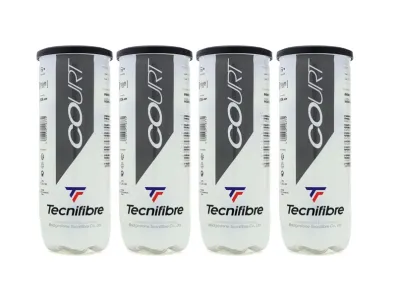
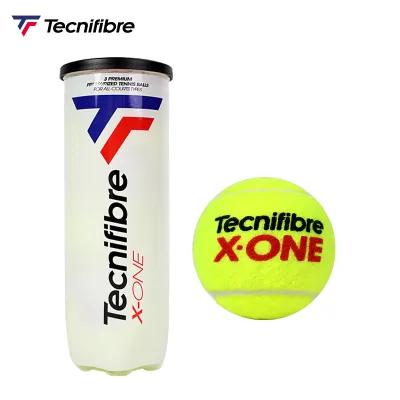
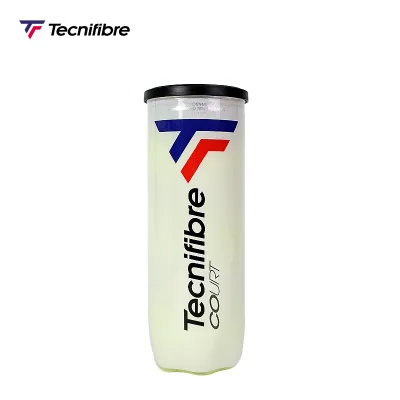
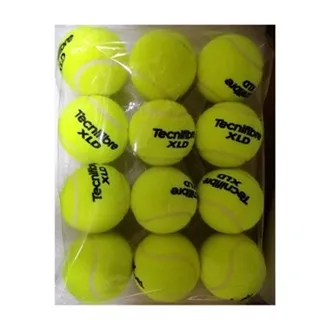
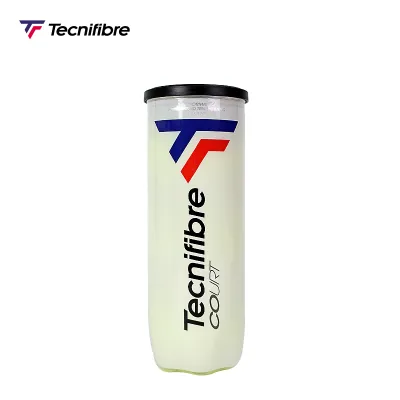
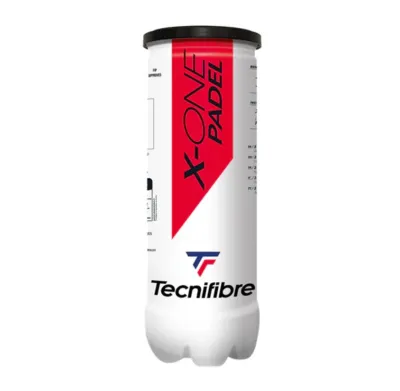
Prices are valid at publication and may change. Please refer to the product page for the latest price.
Impact feel and shock absorption are equally important for physical comfort. Beginners frequently hit the ball off-center, near the frame or the tip of the racket. These mishits transmit harsh vibrations down the racket shaft and into your wrist, elbow, and shoulder. A tennis ball with a softer, more forgiving core absorbs a portion of this impact energy, reducing physical fatigue and minimizing the risk of developing early-stage joint strain during long practice sessions.
Finally, felt durability is essential for managing the abrasive nature of early-stage play. Beginners often scrape the court surface with their rackets or hit the ball with off-center friction, which can quickly shred low-quality felt. In tropical climates like Singapore, where outdoor hard courts are the norm, the combination of heat, humidity, and rough concrete surfaces acts like sandpaper on a tennis ball. High-quality felt ensures the ball retains its aerodynamic shape and does not become overly fluffy or heavy during play.
How to Evaluate Technifibre Options for Beginner Practice
To find the right Technifibre tennis balls for your needs, you must learn how to read the specifications and labels on the packaging. Not all tennis balls are created equal, and choosing the wrong type can lead to frustration on the court.

The first decision is choosing between pressurized and pressureless constructions. Pressurized tennis balls are filled with compressed gas, which gives them a lively, responsive bounce and a lightweight feel on impact. However, once the can is opened, the gas slowly escapes, and the balls will lose their bounce within a few weeks, even if they are not used. Pressureless tennis balls, on the other hand, rely on a thicker, more resilient rubber core to generate bounce. They do not lose their bounce over time, making them incredibly durable and cost-effective for beginners who practice infrequently. The trade-off is that pressureless balls feel slightly heavier and stiffer when they hit your racket.
Next, look for International Tennis Federation (ITF) classification markers on the packaging. The ITF categorizes balls based on their speed and bounce characteristics. For standard adult play, Type 2 (medium speed) is the default choice. However, if you are an absolute beginner or practicing slow-paced developmental drills, you may want to look for transition balls. These are often color-coded: Stage 1 (Green) balls bounce slightly lower and travel 25% slower than standard balls, giving you more time to prepare your strokes and focus on your footwork.
Lastly, pay close attention to the felt specifications. Look for terms like “Extra Duty” or “All Court” on the Technifibre packaging. Extra duty felt is woven with a higher percentage of synthetic fibers, such as nylon, blended with natural wool. This construction is specifically designed to resist abrasion on hard court surfaces, which are highly common in local community centers and condominiums. Regular duty felt is thinner and optimized for clay or indoor courts; using them on hard courts will cause them to wear out prematurely.
Matching Ball Types to Specific Practice Scenarios
Your choice of Technifibre tennis balls should vary depending on how you plan to practice. Matching the ball’s characteristics to your training environment ensures you get the best balance of performance and value.
For multi-ball feeding and basket drills, pressureless balls are the superior choice. If you are practicing with a coach or using a ball hopper for self-feeding drills, you will likely have dozens of balls on the court at once. Pressurized balls would quickly go flat sitting in a basket over several weeks, resulting in an inconsistent mix of lively and dead balls. Using durable pressureless options ensures that every ball you pull from the basket bounces to the exact same height, allowing you to focus entirely on repeating your stroke mechanics without interruption.
For live rallying and match simulation, you should transition to pressurized balls. Once you can sustain a rally of five to ten shots with a partner, practicing with pressurized balls becomes essential. These balls provide the authentic speed, bounce, and sound that you will experience in real play. The lighter feel on impact also allows you to practice for longer periods without experiencing arm fatigue, helping you build the stamina required for full-court matches.
Court surface considerations should also influence your selection. In Singapore, outdoor hard courts are exposed to intense sun and occasional rain, which can leave the surface hot and slightly damp. Under these conditions, standard felt can quickly degrade or absorb moisture, making the ball heavy and sluggish. If you are playing on these demanding surfaces, verify that your chosen balls feature a tightly woven, moisture-resistant felt that can withstand both the abrasive concrete and the high humidity.
When to Retire Practice Balls for Effective Learning
Using worn-out or “dead” tennis balls is one of the most common mistakes beginners make. While it may be tempting to keep using the same can of balls for months to save money, doing so can seriously hinder your skill development and lead to bad habits.
You can identify when a ball needs to be retired through several visual indicators. Look for bald spots where the felt has completely worn away, exposing the black rubber underneath. Frayed seams or a ball that has become excessively fluffy are also clear signs of degradation. A bald ball will travel much faster through the air and bounce lower, while an overly fluffy ball will catch the wind and slow down dramatically, both of which disrupt your timing.
Tactile and acoustic checks are also highly effective. Give the ball a firm squeeze with your thumb and fingers. If the rubber walls compress easily or feel soft, the internal pressure has escaped, and the ball is dead. You can also listen to the sound the ball makes when it contacts your racket. A healthy pressurized ball produces a clean, crisp “pop,” whereas a dead ball produces a dull, hollow “thud.”
Playing with dead balls forces you to alter your stroke mechanics. Because a dead ball does not bounce as high or travel as far, you will naturally start to swing harder, scoop under the ball, or use excessive wrist action to force it over the net. These compensations ruin your muscle memory and can lead to physical strain. Regularly rotating your practice balls ensures that your training sessions remain productive and that your hard-earned skills translate smoothly to real playing conditions.
Frequently Asked Questions (FAQ)
Can beginners use standard championship tennis balls for practice?
While beginners can use standard championship-grade pressurized tennis balls, they may find them less economical and slightly harder on the arm. Championship balls are optimized for high-performance play, meaning they offer a very lively bounce and a crisp feel, but they lose their pressure quickly—often after just a few sessions. For casual practice and repetitive drills, training-specific or pressureless balls offer a more forgiving feel and a much longer lifespan, making them a more practical investment for early-stage players.
How should tennis balls be stored to maintain their bounce?
To preserve the bounce of your tennis balls, store unopened cans in a cool, dry place away from direct sunlight and extreme heat. High temperatures can cause the pressurized gas inside the cans to expand and leak through the rubber cores. Once a pressurized can is opened, the balls will naturally lose pressure over a few weeks regardless of how they are stored. To extend their lifespan slightly, you can keep them in a dedicated pressurized storage tube, but you should avoid leaving loose balls in hot environments like a car trunk or an outdoor locker.

Community discussion
Share your experience or ask a question. Comments are reviewed before publication.