
Evaluating how an Awola bottle compares to other sports water bottles requires looking beyond marketing slogans and focusing on physical construction. While many brands claim superior temperature retention, real-world performance depends on material grades, vacuum seal integrity, and lid designs. By understanding these core engineering elements, you can objectively compare Awola against industry competitors to find the right fit for your athletic routine.
Choosing the ideal sports bottle involves balancing thermal efficiency with weight, durability, and ease of use. A bottle that keeps water ice-cold for days might be too heavy for a long run, while an ultra-light option might lose its temperature within hours. This guide provides a structured framework to evaluate these trade-offs, helping you verify specifications and match a bottle’s performance to your specific sport.
Understanding Sports Bottle Insulation Standards
To compare sports bottles effectively, it is essential to understand how double-wall vacuum insulation works. This technology relies on two stainless steel vessels nested inside one another, with the air between them evacuated during manufacturing. Because a vacuum contains virtually no atoms, it prevents heat transfer via conduction and convection, which require a physical medium to move thermal energy.
Products mentioned in this guide
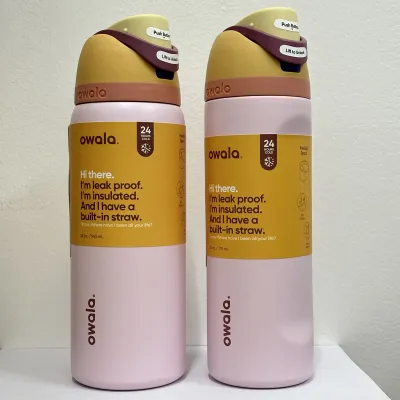
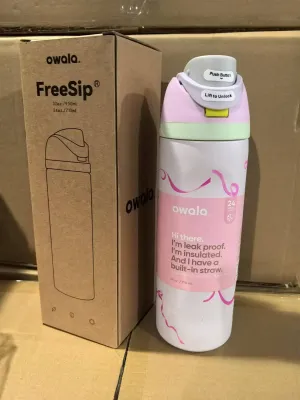
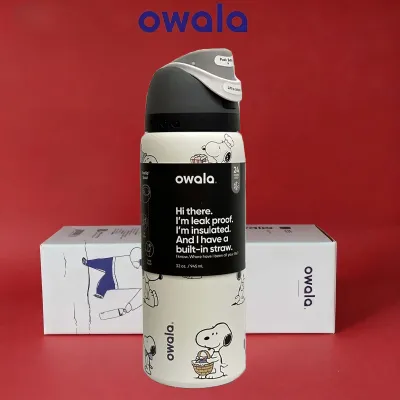
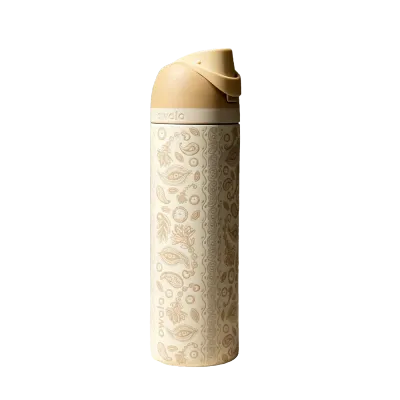
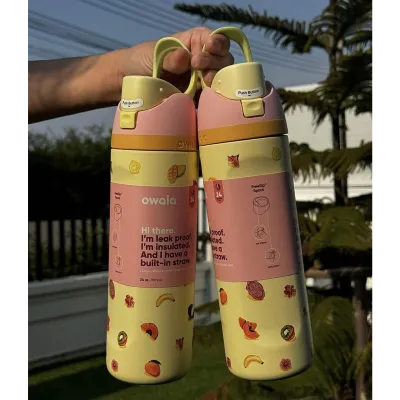
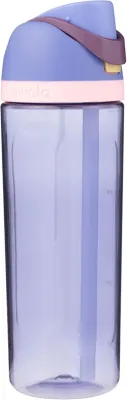
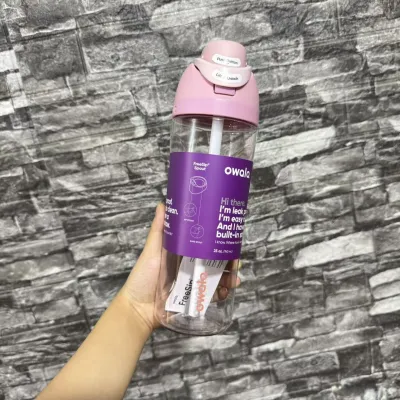
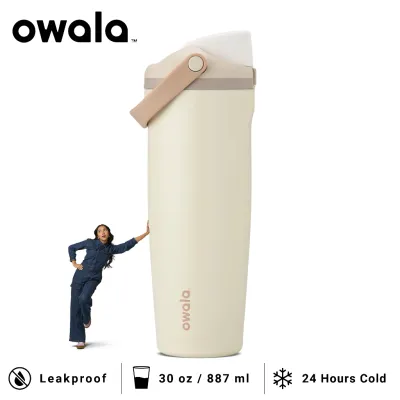
Prices are valid at publication and may change. Please refer to the product page for the latest price.
The physical dimensions of a bottle also play a significant role in how long it can maintain temperatures. Larger capacity bottles naturally retain heat or cold longer than smaller ones because they have a lower surface-area-to-volume ratio. This means a 1-liter bottle will generally outperform a 500-milliliter bottle of the exact same design, simply because there is more liquid mass relative to the exposed surface area.
It is also important to distinguish between standard industry thermal claims and real-world performance. Manufacturers often test their bottles in controlled laboratory environments with stable ambient temperatures and without opening the lid. In contrast, your actual usage—such as opening the bottle frequently during a workout, exposing it to direct sunlight on a sports field, or filling it with ice—will significantly alter how long the contents stay cold.
Key Dimensions for Comparing Awola and Competitors
When evaluating an Awola bottle against other options on the market, relying on a standardized set of physical criteria is more reliable than comparing promotional slogans. By focusing on observable specifications, you can determine which bottle offers the best structural quality for your activities.

Thermal Retention and Wall Construction
The first physical feature to verify is the presence of double-wall vacuum insulation and any additional thermal barriers. Some premium sports bottles include a copper plating on the outer surface of the inner wall. This copper layer acts as a radiation barrier, reflecting thermal energy back into the liquid and further slowing down temperature changes.
Lid design is another critical factor, as the cap represents the primary point of heat transfer in any insulated bottle. Unlike the double-walled metal body, lids are typically made of plastic or silicone, which conduct heat more readily. When comparing bottles, look for lids that feature thick insulation, deep-fitting threads, and robust silicone gaskets that create an airtight seal to prevent thermal leakage.
Mouth width also directly influences thermal retention and daily usability. A narrow-mouth bottle minimizes the surface area exposed to the air when opened, which helps preserve the internal temperature for longer periods. However, wide-mouth bottles are much easier to fill with ice cubes and clean thoroughly, making them a popular choice despite a slight reduction in thermal efficiency.
Material Grade and Durability
The durability and safety of a sports bottle depend heavily on the grade of stainless steel used in its construction. High-quality sports bottles are typically manufactured from food-grade 18/8 stainless steel, also known as 304 grade. This material contains 18% chromium and 8% nickel, providing excellent corrosion resistance and preventing the metallic taste often associated with lower-grade metals.
Safety extends to the plastic and silicone components used in lids, straws, and carrying loops. It is vital to verify that all non-metal parts are certified BPA-free to ensure that no harmful chemicals leach into your water, especially when exposed to warm temperatures. Checking product labels or manufacturer specifications for these material certifications is a crucial step before purchasing.
The exterior finish of the bottle determines how well it withstands the rigors of active use. A high-quality powder coating provides a textured grip that prevents slipping when your hands are sweaty, while also protecting the steel underneath from scratches and minor impacts. When comparing brands, look for powder-coated finishes rather than smooth paint, which tends to chip and peel more easily over time.
Weight, Capacity, and Portability
An often-overlooked trade-off in insulated bottles is the relationship between thermal performance and weight. The double-wall steel construction and vacuum seal that make a bottle highly insulated also make it significantly heavier than single-walled plastic or aluminum alternatives. You should compare the empty weight of the Awola bottle against competitors to ensure it will not become a burden during long hikes or runs.
Portability features like handles, integrated loops, and exterior dimensions dictate how easily you can transport the bottle. A bottle with a flexible, heavy-duty carry strap or a rigid molded handle is much easier to clip onto a backpack with a carabiner. Additionally, check the base diameter of the bottle to ensure it fits into standard bicycle bottle cages, car cup holders, or gym equipment slots.
Ultimately, you must decide whether extreme insulation or lightweight portability is more important for your routine. Thicker steel walls and extra copper lining provide superior temperature retention but add bulk and weight. If your workouts are short and intense, a lighter bottle with moderate insulation may be more practical than a heavy, ultra-insulated model.
Matching Insulation Performance to Your Sport
Different athletic activities demand different bottle characteristics, meaning the “best” bottle is highly dependent on your sport. For high-intensity or short-duration activities like running, cycling, or high-intensity interval training (HIIT), lightweight portability and quick-access lids are paramount. In these scenarios, a bottle with a leak-proof straw lid or a quick-release sports cap allows you to hydrate rapidly without breaking your stride, even if it offers slightly less insulation than a heavy-duty screw-cap model.
For endurance sports, hiking, or outdoor adventures, your priorities shift toward maximum thermal retention and rugged durability. When spending hours under the sun, having access to cold water is essential for core temperature regulation. In these environments, a larger capacity bottle with a highly insulated screw cap and a durable powder-coated exterior is necessary to withstand rough handling and keep water cold all day.
If your workouts primarily take place in an indoor gym, fitness studio, or yoga class, your insulation needs are generally moderate. The controlled indoor climate means you do not need extreme thermal barriers to keep your water cool for an hour or two. Instead, focus on features like a quiet silicone boot to prevent clanging on gym floors, a wide mouth that accommodates supplement scoops, and a design that is easy to disassemble and clean.
How to Verify Awola's Specifications Before Buying
To ensure you are getting a bottle that meets your performance expectations, you should actively verify the specifications of the specific Awola model you are considering. Start by visiting the manufacturer’s official website or authorized retail listings to locate detailed product specifications. Look for explicit mentions of “double-wall vacuum insulation,” “18/8 stainless steel,” and the specific hours of cold and hot retention claimed for that model.
Next, consult the user manual, product inserts, or digital product descriptions for safety guidelines and temperature limits. Many insulated sports bottles are designed primarily for cold liquids, and using them with boiling water can damage internal seals or create a burn hazard when opening. Checking these guidelines beforehand will help you understand the bottle’s operational limits and whether it is dishwasher safe or requires hand washing.
Finally, once your bottle arrives, perform a physical inspection to verify its build quality before using it. Check that the silicone gaskets in the lid are seated correctly and form a tight, leak-free seal when closed. Inspect the exterior for any signs of shipping damage, such as dents or scratches, and look for material stamps on the bottom of the bottle that confirm the stainless steel grade.
Decision Framework: When to Choose Awola or Alternatives
To finalize your decision, compare your personal athletic requirements against what Awola and its competitors offer. You should choose an Awola bottle if its verified material specifications, weight, and stated thermal performance align with your daily sporting needs and budget. If you find that the bottle’s dimensions, lid options, and weight fit comfortably in your gym bag or bicycle cage, it represents a practical choice for standard hydration.
On the other hand, you may want to consider established alternative brands if your activities require specialized features. For example, if you need independently lab-tested thermal performance guarantees, proprietary high-flow lid designs, or lifetime warranties, investing in a premium, established brand may be justified. These brands often offer a wider ecosystem of interchangeable lids and accessories tailored to specific outdoor pursuits.
Before making your final purchase, always verify if your intended sport has specific equipment regulations. Some organized sporting events, cycling races, or athletic facilities have strict rules regarding bottle materials (such as banning glass or requiring squeezable plastic bottles in certain zones). Ensuring your insulated bottle complies with these local guidelines will prevent any unexpected issues on game day.
Frequently Asked Questions (FAQ)
Does a dented sports bottle lose its insulation?
Yes, a severe dent can cause an insulated sports bottle to lose its thermal properties. If an impact is strong enough to bend the outer stainless steel wall until it touches the inner wall, the vacuum gap between them is bridged. This physical contact creates a thermal bridge, allowing heat to conduct directly through the metal and rapidly neutralizing the bottle’s insulation capabilities.
You can easily check if your bottle’s vacuum seal has been compromised. Fill the bottle with ice-cold water or boiling water and feel the exterior surface. If the vacuum seal is intact, the outside of the bottle should remain at ambient room temperature. If the outer wall feels cold to the touch (with cold water) or hot (with hot water), or if condensation forms on the exterior, the insulation seal is broken.
Can I put boiling water directly into an insulated sports bottle?
You should exercise caution and check the manufacturer’s instructions before putting boiling water into any insulated sports bottle. While the stainless steel body can withstand high temperatures, filling a sealed bottle with boiling liquid creates significant steam and pressure buildup inside. When you open the lid, this pressure can cause hot liquid or steam to spray out suddenly, posing a serious burn risk.
Additionally, many sports bottles feature lids with plastic straws, flip caps, or silicone valves that are not rated for extreme heat. Exposing these components to boiling water can warp the plastic, degrade the silicone seals, and cause the bottle to leak. Always verify the maximum temperature limit specified in your bottle’s user manual before using it for hot beverages.
How should I clean an insulated bottle to maintain its seal?
To preserve the structural integrity and vacuum seal of your insulated bottle, you should avoid harsh cleaning methods. Placing a vacuum-insulated bottle in a dishwasher can expose it to extreme heat and high-pressure water jets, which can degrade the exterior powder coating and weaken the adhesive seals holding the vacuum chamber together. Harsh chemical cleaners like bleach or abrasive scrubbing pads can also scratch the stainless steel and damage the delicate silicone gaskets.
The recommended method is to hand wash your bottle using warm water, a mild dish soap, and a soft bottle brush. For a deeper clean or to remove stubborn odors, you can mix a tablespoon of baking soda with warm water, let it sit in the bottle for a few hours, and then rinse it thoroughly. Always remove the silicone gaskets periodically to clean underneath them, ensuring they are completely dry before reassembling to prevent mold growth.

Community discussion
Share your experience or ask a question. Comments are reviewed before publication.