
Choosing between Babaka (背背佳) and other posture corrector brands in Singapore comes down to balancing structural rigidity with daily wearability in a hot, humid climate. Babaka is widely recognized for its integrated elastic panel designs that offer a moderate, flexible reminder, whereas alternative brands often rely on highly adjustable, strap-based tension systems that provide more rigid shoulder retraction. To make the right purchase, you must evaluate your specific posture habits, check the physical construction of the brace, and ensure the materials are suitable for local weather conditions.
Passive support garments are designed to train your muscle memory, not to force your body into a rigid position permanently. By understanding how different designs interact with your body, you can select a tool that supports your daily routine without causing discomfort or muscle dependency.
Identifying Your Posture Goals and Corrector Categories
Before comparing specific brands, it is essential to diagnose your physical needs so you can filter out irrelevant product types. Posture correctors generally fall into two main categories: clavicle braces and full-back support garments. Clavicle braces focus primarily on pulling the shoulders back, making them highly suitable for individuals who suffer from rounded shoulders due to prolonged typing or driving. In contrast, full-back support garments extend lower down the spine, encouraging overall spinal alignment and core engagement, which can be beneficial if you tend to slouch from the lower back.
Products mentioned in this guide
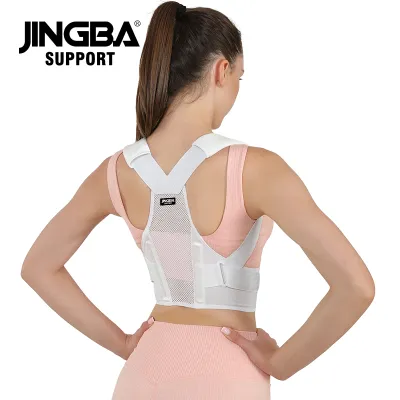
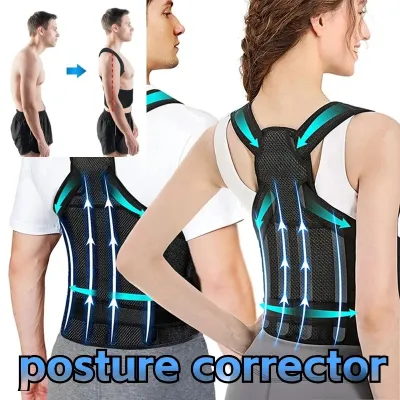
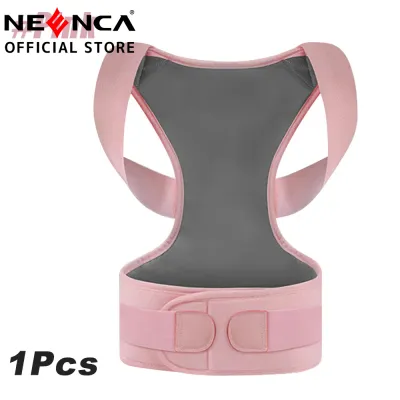
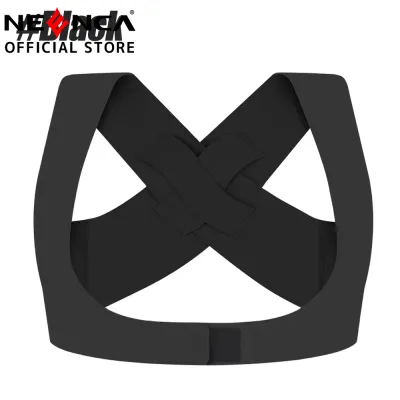
Prices are valid at publication and may change. Please refer to the product page for the latest price.
Recognizing when to use a passive reminder versus when to seek professional help is crucial for your physical well-being. If you find yourself slouching at your desk but can easily sit up straight when you think about it, a posture corrector can serve as an effective physical cue. However, if you experience persistent pain, stiffness, or an inability to straighten your back without discomfort, these are clear signals that you should consult a physiotherapist or healthcare professional rather than relying on an over-the-counter support.
It is also important to understand the functional limits of these braces. Over-the-counter correctors serve as temporary physical reminders to help you build awareness of your alignment. They are not permanent medical cures for structural issues like scoliosis or severe spinal misalignment. Relying on a brace as a cure-all without addressing underlying muscle weaknesses can lead to further issues over time.
Babaka (背背佳) vs. Competing Brands: Core Comparison Dimensions
Support Mechanism and Structural Design
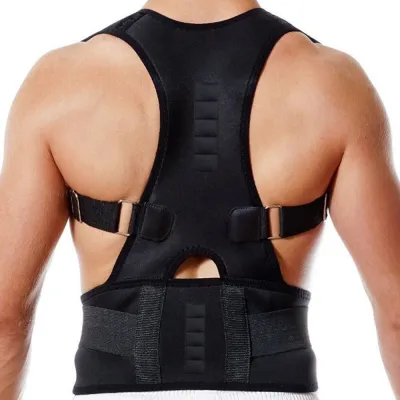
When evaluating Babaka against other brands, the primary difference lies in the physical construction and tension systems. Traditional strap-based tension systems, which are common among many generic and specialized sports brands, rely on adjustable straps that loop around the shoulders and tighten at the back or waist. These systems allow you to manually adjust the level of tension, making them highly customizable but sometimes difficult to put on without assistance.

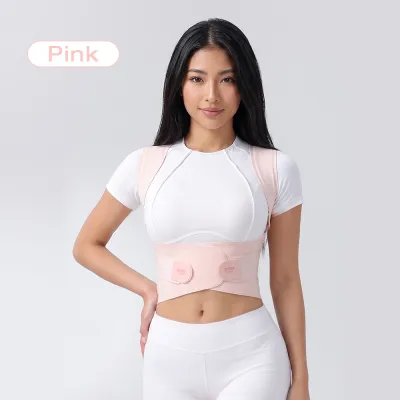
Babaka frequently utilizes integrated elastic panel designs. Instead of relying solely on narrow straps, these designs use wider, elasticized fabric panels that wrap around the torso and shoulders. This structure distributes the tension more evenly across the upper back, reducing the risk of the straps digging into your underarms. When shopping, you should check the product labels and specifications to determine if the brace contains rigid stays, flexible splints, or purely elastic resistance.
The choice between these designs involves a practical trade-off. Rigid support systems, which often feature plastic or metal splints along the spine, offer higher restriction and force your body into a specific posture. While this provides strong feedback, it can highly limit your mobility. Elastic support systems, such as those found in many Babaka models, offer better daily mobility and a gentler correction, making them easier to wear during light daily activities.
Sizing, Adjustability, and Daily Wearability
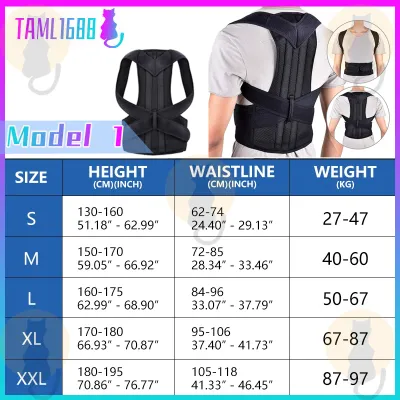
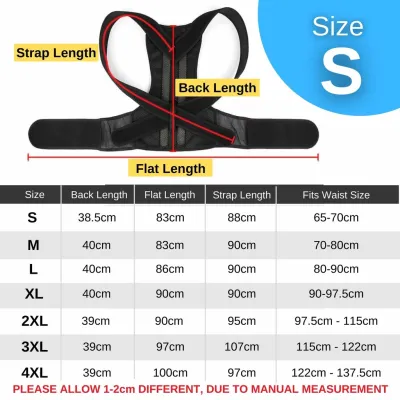
Achieving a proper fit is critical to the effectiveness of any posture corrector. Many generic brands offer “one-size-fits-all” designs, but these often compromise effectiveness because they cannot accommodate different torso lengths or shoulder widths. You should always measure your chest and waist according to each brand’s specific sizing chart before purchasing. A brace that is too tight can restrict your breathing and circulation, while one that is too loose will fail to provide any postural feedback.
The closure mechanism is another key factor in daily usability. Look closely at the Velcro placement and whether the brace features front-fastening or back-fastening straps. Front-fastening designs allow you to adjust the tension independently and easily throughout the day. Back-fastening designs, while often sleeker, can be challenging to secure tightly without help, especially if you have limited shoulder mobility.
In Singapore’s tropical climate, material breathability and thickness are paramount. Heavy, thick neoprene braces can quickly cause sweating, skin irritation, and discomfort when worn outdoors or in non-air-conditioned spaces. If you plan to wear the brace under typical workwear or activewear, look for lightweight, perforated, or mesh fabrics. A discreet, thin design ensures you can wear the support comfortably throughout your daily routine without it being highly visible under your clothing.
Assessing Value, Safety, and Usage Conditions
When assessing the value of a posture corrector, it is important to compare prices across official brand stores and authorized retailers in Singapore. Be cautious of unverified third-party sellers on online marketplaces or ecommerce platforms. These sellers often offer counterfeit products at unusually low prices, but these counterfeits frequently use inferior, non-breathable materials and weak elastic that degrades after a few washes, compromising both comfort and safety.
Using a posture corrector safely requires a progressive wear schedule. You should not wear a brace for several hours right away. Instead, start with short intervals of 15 to 20 minutes a day to allow your muscles to adapt to the feedback. Gradually increase the duration only if you do not experience any discomfort. You must stop using the brace immediately if you experience observable signs of distress, such as numbness, tingling in your arms, restricted breathing, or skin irritation.
Crucially, a posture corrector should never replace active muscle strengthening. Passive braces do the work for your muscles, which can lead to muscle laziness or atrophy if overused. To achieve long-term posture improvements, you must transition from passive bracing to active physical exercise. Incorporating core-strengthening movements, shoulder retractions, and regular stretching into your routine will help your body maintain a healthy alignment naturally.
Decision Framework: Which Option Fits Your Routine?
To choose the right option for your daily routine, consider how each product type aligns with your specific habits and physical needs:
Choose Babaka (背背佳) if:
- You prefer an established brand with integrated elastic panel designs that distribute tension evenly.
- You need a balance of mobility and gentle reminder-support for daily office wear.
- You can verify authentic stock through authorized local retailers or official online stores.
Choose alternative strap-based brands if:
- You require highly customizable, rigid tension adjustments to target specific shoulder retraction.
- You prefer a simpler, strap-only design that can be easily adjusted for different activities.
- You prioritize a lower entry price point and are comfortable adjusting the straps independently.
Choose neither and consult a qualified healthcare professional if:
- You experience sharp or chronic back pain, or have a diagnosed structural spinal condition.
- Over-the-counter braces cause persistent discomfort, numbness, or restricted circulation.
- You want a personalized treatment plan that combines active physical therapy with targeted support.
Frequently Asked Questions (FAQ)
How long should I wear a posture corrector each day?
Wearing a passive support garment for too long can lead to muscle reliance and potential atrophy, as your back and core muscles stop working to support your weight. It is generally recommended to start with short, supervised intervals of 15 to 30 minutes once or twice a day. You can gradually increase this duration as your body adjusts, but you should avoid wearing the brace continuously for several hours. Always check the specific manufacturer’s guidelines on the packaging and stop use immediately if you experience any pain or fatigue.
Can I wear a posture corrector while exercising or sleeping?
You should never wear a restrictive posture corrector while sleeping, as it can restrict your breathing, compress nerves, and interfere with healthy blood circulation during unconscious states. During exercise, the suitability depends on the design of the brace. Rigid braces with metal or plastic stays should be removed during dynamic exercise to allow your muscles to move through their full range of motion and prevent injury. Light, highly flexible elastic reminders may be acceptable for low-impact activities like walking, but you should always verify the product’s intended use cases and safety warnings on the label before combining it with physical training.
Community discussion
Share your experience or ask a question. Comments are reviewed before publication.