
Finding the right badminton racket holder for home storage in Singapore is essential for preserving your equipment while maximizing limited residential space. In compact high-rise apartments, such as HDB flats and condominiums, leaving rackets leaning against walls or cluttered in closets often leads to structural damage, warped frames, and degraded strings. The ideal storage solution balances spatial efficiency, ease of access, and protection against high humidity. By selecting a dedicated holder—whether a wall-mounted rack, a freestanding floor stand, or an over-door organizer—you can keep your gear organized, secure, and ready for your next session on the court.
Protect Your Gear: Why Dedicated Storage Matters
Badminton rackets are precision instruments engineered to withstand high tension, but they are surprisingly vulnerable to static physical stress when stored incorrectly. Leaning a racket against a wall or a piece of furniture forces the frame and shaft to bear constant, uneven lateral pressure. Over time, this continuous leaning can cause subtle shaft warping and frame deformation, which permanently alters the racket’s aerodynamic balance and shot accuracy. When rackets are piled together in a corner or a drawer, they also suffer from friction, leading to chipped paint, scratched graphite, and premature structural weakness.
Furthermore, improper storage directly accelerates string tension loss and grip degradation. When a racket rests on its strings or is subjected to uneven pressure from surrounding objects, the tension distribution across the grommets becomes uneven, leading to premature string breakage or a dead sweet spot. The grip materials, whether polyurethane or towel grip, are highly susceptible to environmental exposure. Without proper airflow, moisture from sweat remains trapped in the grip fibers, encouraging mold growth and adhesive breakdown. A dedicated holder suspends or cradles each racket individually, ensuring that no external pressure is applied to the frame or strings while allowing maximum ventilation to dry out the grips after an intense match.
Products mentioned in this guide
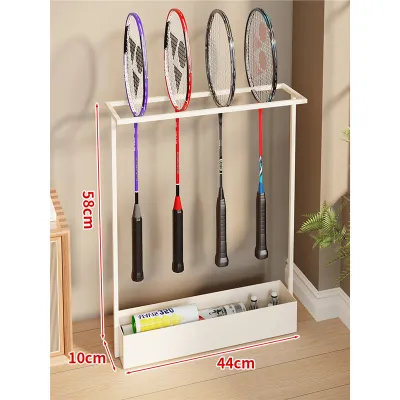
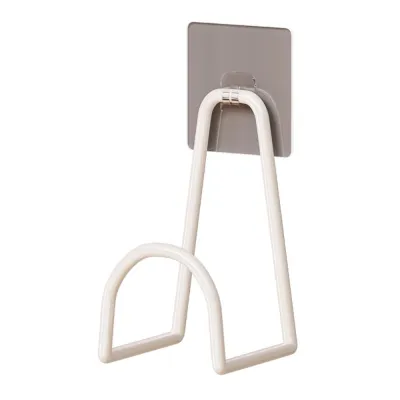
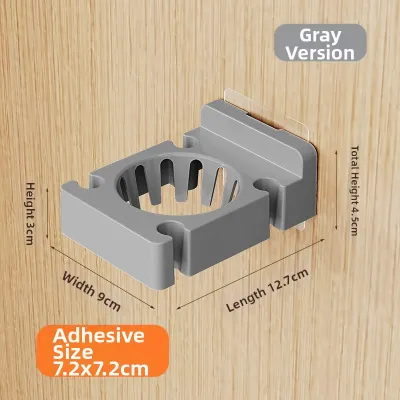
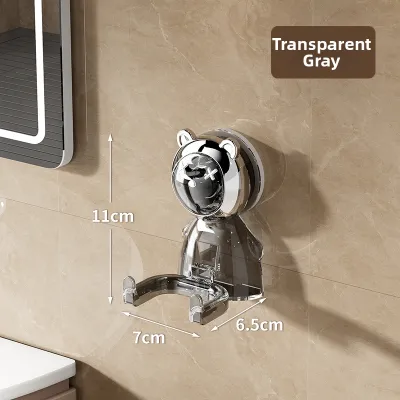
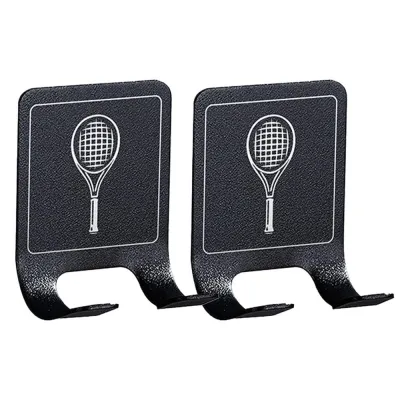
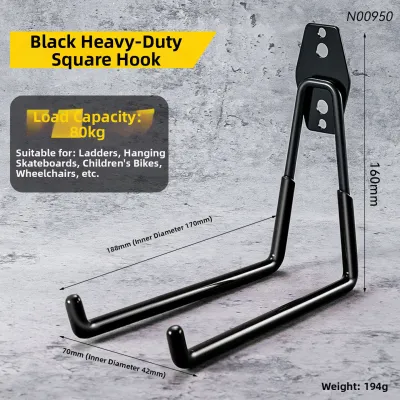
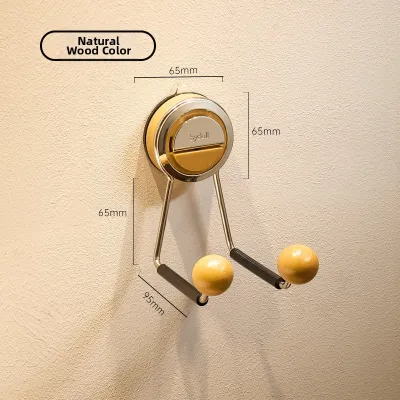
Prices are valid at publication and may change. Please refer to the product page for the latest price.
Space and Lifestyle: Choosing the Right Holder for Apartment Living
Living in Singapore typically means managing compact residential layouts where every square meter of floor space is highly valued. When planning your badminton racket storage, the first step is to evaluate your available vertical wall space versus your usable floor area. If your entryway, hallway, or bedroom floor is already occupied by shoe cabinets and storage units, utilizing vertical wall space is often the most practical way to keep your living areas clutter-free. Conversely, if you have an unused corner or a dedicated sports nook, a compact floor stand can serve as an attractive, accessible display.

Your choice of holder should also align with your household’s playing frequency and the size of your racket collection. A casual player with two rackets has very different storage needs compared to a competitive player or a family of enthusiasts managing eight or more rackets. High-capacity holders must be positioned carefully to avoid obstructing daily household traffic. Placing a bulky rack in a narrow corridor can lead to accidental bumps, which can knock rackets loose or cause physical injury to family members.
Additionally, housing status plays a critical role in determining the type of installation you can pursue. Tenants living in rental properties often face strict tenancy agreements that prohibit drilling holes into concrete walls. In such scenarios, permanent wall-mounted fixtures are impractical, making freestanding floor stands or non-invasive over-door organizers the preferred choice. Homeowners, on the other hand, have the freedom to install heavy-duty wall anchors to create a permanent, secure display that integrates seamlessly with their home decor.
Comparing Racket Holder Types for Home Layouts
Selecting the right storage system requires understanding how different designs perform within specific home layouts. Racket holders generally fall into three primary categories: wall-mounted racks, freestanding floor stands, and over-door or multi-racket organizers. Each category offers distinct trade-offs regarding installation effort, portability, spatial footprint, and overall capacity.
Wall-Mounted Racks
Wall-mounted racks are highly effective for saving floor space because they elevate your equipment completely off the ground. However, successful installation depends heavily on assessing your wall materials and load-bearing capacity. Most interior walls in Singaporean homes are constructed from solid concrete or structural brick, which require a masonry drill and appropriate wall plugs to secure heavy-duty screws. If you are mounting onto drywall partitions, you must locate the underlying timber studs or use specialized hollow-wall anchors to prevent the rack from pulling loose under weight.
For those who cannot drill, heavy-duty adhesive mounts are an alternative, but they must be evaluated with caution. You must verify the manufacturer’s weight limits for the adhesive and ensure the wall surface is clean, smooth, and non-porous. Overloading an adhesive rack can lead to a sudden fall, risking severe damage to your expensive graphite frames. Additionally, pay close attention to the spacing dimensions of the wall rack. The slots or pegs must be spaced far enough apart to ensure that the racket heads do not overlap, rub against each other, or scratch against the rough texture of the wall surface when being retrieved or stored.
Freestanding Stands and Floor Racks
Freestanding stands and floor racks are excellent solutions for players who prefer a highly portable storage option that requires zero wall modification. Because these units sit directly on the floor, evaluating their base stability and overall footprint is critical to preventing tipping, especially in high-traffic areas or households with pets and young children. Look for floor stands designed with a wide, weighted base or a low center of gravity to ensure they remain upright even when fully loaded with rackets and heavy gear bags.
When selecting a multi-racket floor stand, check the manufacturer’s specified capacity limits and practice balanced weight distribution. Placing all heavy rackets on one side of a lightweight stand can cause it to lean or tip over. Additionally, consider the visual footprint of the stand and how well it integrates with your existing furniture. A sleek wooden or matte-black metal stand can complement modern interior designs, turning your sports equipment into an organized, visually appealing display rather than an eyesore.
Over-Door and Multi-Racket Organizers
Over-door and multi-racket organizers offer highly portable, high-capacity storage without requiring any permanent installation or floor space. Before purchasing an over-door unit, you must verify your door frame thickness and the clearance gap at the top of the door. If the mounting hooks are too thick, they can scratch the door frame or prevent the door from closing smoothly.
These organizers are available in various designs, ranging from flexible fabric-based hanging pockets to rigid metal or plastic multi-racket towers. Fabric organizers are lightweight and easy to pack away, but they must be checked regularly for sagging or tearing, particularly around the seams and hanging grommets. Rigid metal over-door brackets offer superior structural integrity but add more weight to the door hinges. Always assess the total weight distribution of your rackets and accessories to prevent long-term damage to your interior doors or hinges.
Build Quality Checklist: Preventing Damage and Wear
To ensure your racket holder protects your gear rather than causing damage, you must carefully evaluate its build quality and design features before purchasing. Use the following checklist to assess potential storage units:
- Contact Point Padding: Verify that any surface touching the racket shaft, frame, or handle is lined with soft padding, foam inserts, or smooth rubber. Bare metal or rough plastic edges can scratch the protective paint layer of your racket, exposing the underlying carbon fiber to moisture and structural degradation.
- Material Durability and Rust Resistance: Singapore's tropical climate features consistently high relative humidity, which can accelerate the rusting of untreated metal components. Ensure that metal holders feature rust-resistant coatings, powder-coated finishes, or are made from stainless steel or treated aluminum. For wooden holders, verify that the wood is sealed with a moisture-resistant varnish to prevent warping, mold growth, or splintering.
- Structural Rigidity: Check the thickness and rigidity of the holder's frame. A high-quality holder should not bend, flex, or sag when loaded to its maximum capacity. Avoid flimsy plastic or thin wire frames that distort under load, as this can cause rackets to slide off or press against each other.
- Weight Capacity Specifications: Always review the manufacturer's official specifications for maximum weight capacity rather than relying on visual estimates. Calculate the combined weight of your rackets, grips, and any additional accessories you plan to store on the rack to ensure it remains well within safe operating limits.
Installation and Placement: Keeping Rackets Safe
Proper installation and strategic placement of your racket holder are just as important as the quality of the holder itself. When mounting a rack to the wall, always use a spirit level to ensure the unit is perfectly horizontal, which prevents rackets from sliding toward one side. If you are drilling into concrete, use a hammer drill with a masonry bit that matches the size of your wall plugs exactly. Ensure the plugs are tapped flush with the wall surface before tightening the screws to guarantee a secure, wobble-free mount.
The environmental conditions of the placement zone are critical for preserving racket materials. Avoid positioning your storage holder in areas exposed to direct sunlight, such as next to large windows or on balconies. UV rays and intense heat can degrade the resin in carbon fiber frames, dry out string materials, and cause grips to crumble. Similarly, avoid placing the holder directly in the path of cold air-conditioning drafts or in high-humidity zones like bathrooms or laundry areas. Rapid temperature fluctuations can cause the racket frame to expand and contract, leading to tension loss in the strings.
Before finalizing the position of your holder, measure the clearance space above and around the unit. Ensure there is sufficient vertical clearance to lift the rackets out of their slots easily without hitting the ceiling, light fixtures, or adjacent furniture. If you encounter unexpected resistance while drilling, or if you are unsure about the structural integrity of your walls, stop the installation immediately and consult a qualified professional handyman to avoid damaging hidden utility pipes or electrical wiring.
Frequently Asked Questions (FAQ)
Can I store my badminton rackets in a non-air-conditioned room?
Yes, it is safe to store badminton rackets in a non-air-conditioned room, provided you take steps to manage humidity and temperature. Singapore’s high ambient humidity can soften racket grips and affect string tension over time. To mitigate these effects, avoid placing your racket holder against exterior-facing walls, which tend to absorb and radiate outdoor heat. If you store your rackets in an enclosed cabinet or closet, place reusable silica gel packets or dehumidifier tubs nearby to absorb excess moisture and protect the grip materials from mold.
How do I clean and maintain a wooden or metal racket holder?
Maintaining your racket holder ensures it remains clean and safe for your equipment. Perform routine dusting with a dry microfiber cloth to remove dust buildup, which can attract moisture. For wooden holders, check periodically for splinters, rough edges, or peeling varnish that could scratch your racket shafts; wipe them down occasionally with a wood-safe cleaner. For metal holders, inspect the joints and contact points for any signs of rust or chipped powder coating. Clean metal surfaces with a slightly damp cloth and dry them immediately to prevent moisture retention.
Is it safe to hang rackets by the shaft instead of the handle?
It is generally not recommended to hang rackets by the shaft, as this can place concentrated mechanical stress on a narrow, structural part of the racket. Suspending a racket by its shaft can lead to uneven weight distribution and potential warping over long periods, especially if the rack applies lateral pressure. The safest method is to hang the racket by its handle or to use a cradle design where the frame rests securely on padded supports. Storing the racket by the handle utilizes the strongest part of the structure and keeps the frame and shaft free from unnecessary tension.
Community discussion
Share your experience or ask a question. Comments are reviewed before publication.