
Choosing the right method to teach a child how to ride a bicycle often comes down to a choice between a balance bike and traditional training wheels. While both paths can eventually lead to independent riding, balance bikes typically help children learn to ride a standard two-wheeled pedal bike faster. This acceleration occurs because balance bikes isolate and prioritize the complex skill of dynamic balance from the very beginning, whereas training wheels delay this acquisition by keeping the bicycle artificially upright.
Understanding how each method influences a child’s motor development is key to making an informed decision. By focusing on how children interact with gravity, speed, and steering, parents can select the equipment that best matches their child’s physical readiness and confidence level.
Core Differences in How Kids Learn to Ride
The fundamental difference between these two learning methods lies in which skill a child masters first. Riding a bicycle requires two primary motor patterns: maintaining balance while leaning into turns, and pedaling to maintain forward momentum. Because young children often struggle to learn both skills simultaneously, each method separates these tasks in a completely different order.
Products mentioned in this guide
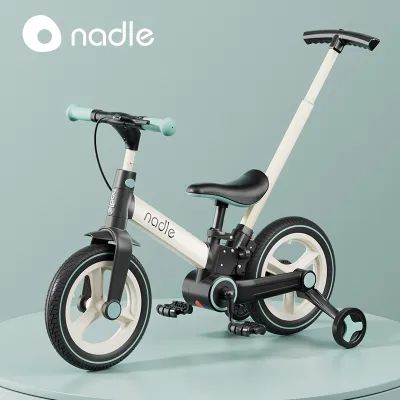
16 Lazada user ratings
The toy car arrived, and it's really great quality! My kid loves it, and it's definitely worth buying.
A nearly 2-year-old kid says: I really like it, I really like it! 😁
The quality feels great and really sturdy.
Really nice. I'm also curious about it.
The quality looks pretty good.
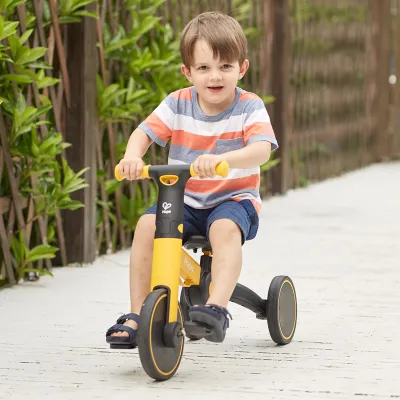
37 Lazada user ratings
It's great because it can be used as both a tricycle and a balance bike, super handy for taking the kids out. The color combo is really fres…Read full reviewShow less
It's great because it can be used as both a tricycle and a balance bike, super handy for taking the kids out. The color combo is really fresh, and whenever we go out, the kids in the neighborhood are always eager to play with it.
I got the second little car from hape, and the quality is just as great as always! The colors are pretty, all pink and cute. It's super conv…Read full reviewShow less
I got the second little car from hape, and the quality is just as great as always! The colors are pretty, all pink and cute. It's super convenient for outings, and it folds up so it doesn't take up much space. My baby loves it!
This vehicle is such a great buy! It's both a balance bike and a tricycle, perfect for preschool playtime, and it's super stable. Plus, it c…Read full reviewShow less
This vehicle is such a great buy! It's both a balance bike and a tricycle, perfect for preschool playtime, and it's super stable. Plus, it can be folded up for outings, and it looks really nice. I'm a big fan! 👍🏻
This 2-in-1 balance bike is super practical; kids can ride it as a balance bike or a tricycle. My child was able to ride it steadily on the …Read full reviewShow less
This 2-in-1 balance bike is super practical; kids can ride it as a balance bike or a tricycle. My child was able to ride it steadily on the first try, and it looks really stylish too!
This tricycle I got for my baby is super fun! It's really stylish and well-made, and my baby loves riding it. It's great!
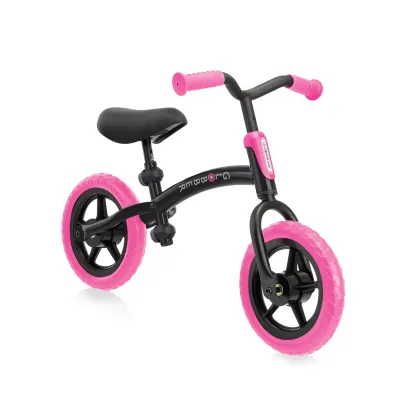
77 Lazada user ratings
Item not packaged well. Box for the bike is not sealed. Inspected the bike, each parts has dirt marks, scratches. Definitely not a showcase …Read full reviewShow less
Item not packaged well. Box for the bike is not sealed. Inspected the bike, each parts has dirt marks, scratches. Definitely not a showcase of a brand new product.
Prompt delivery within 2 days. Easy to asemble. Suitable for my 2.5yo girl
too small for my 3 & half years old kid. could work for smaller children
Easy to assemble. Unfortunately seat arrived with a cut due packaging.
Easy to assemble and adjust. Quality is quite good.
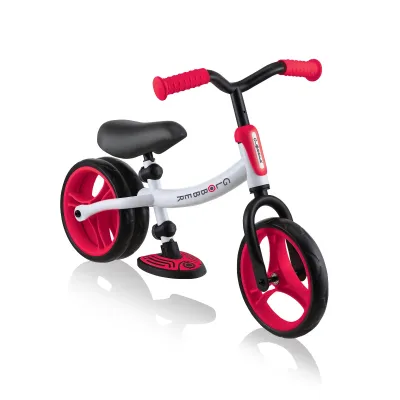
59 Lazada user ratings
Great balance bike for kids! Easy to assemble and adjust. Packaging was very dusty and it was visibly an old stock with abit of mould on the…Read full reviewShow less
Great balance bike for kids! Easy to assemble and adjust. Packaging was very dusty and it was visibly an old stock with abit of mould on the seat but condition is brand new. Other than that, it works great after some cleaning.
received in fast delivery but disappointed with the packaging.. there was no cling wrap so when I received the package was kinda of dirty.. …Read full reviewShow less
received in fast delivery but disappointed with the packaging.. there was no cling wrap so when I received the package was kinda of dirty.. this was supposed to give as present
Easy to assemble and adjust., Encourages balance and coordination skills., Great balance bike for kids!, Durable and high-quality materials.…Read full reviewShow less
Easy to assemble and adjust., Encourages balance and coordination skills., Great balance bike for kids!, Durable and high-quality materials.,
Received items within 4 days. Very convenient to bring for outdoor activities
Nice, fast delivery
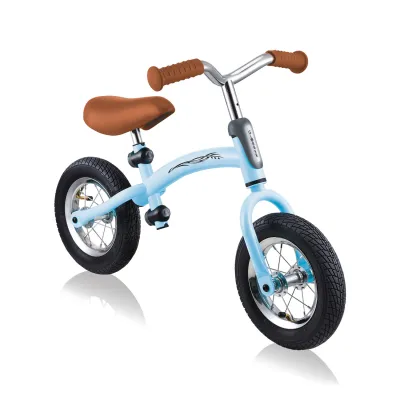
6 Lazada user ratings
Good built, but my kid still dunno how to use it.. hopefully will be useful when she's big enuf.
A little small for a 4 yo even though it’s supposed to be for 3-6yo.
Fast delivery in good condition
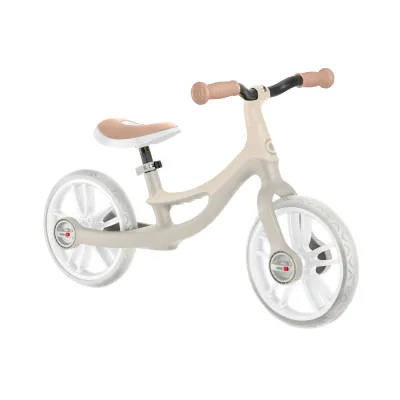
7 Lazada user ratings
Good quality, my boy love it
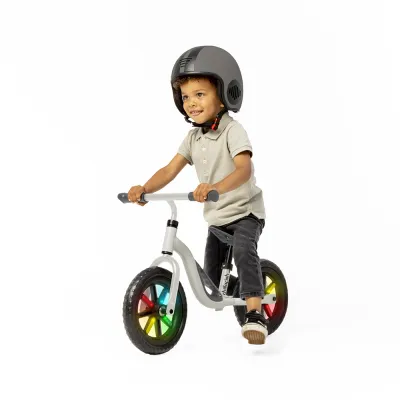
150 Lazada user ratings
My little one really loves playing with this new little car! Now it can be used as a balance bike for walking, and when they grow a bit, the…Read full reviewShow less
My little one really loves playing with this new little car! Now it can be used as a balance bike for walking, and when they grow a bit, they can start pedaling. The colors are super nice, so I definitely recommend getting it!💕
The kids absolutely love it! This little car looks really great and is awesome. It can switch between two modes, making it fun for them as t…Read full reviewShow less
The kids absolutely love it! This little car looks really great and is awesome. It can switch between two modes, making it fun for them as they grow up. The quality is solid, and it's really durable too!
Such a cool and practical car! My baby loves playing with it, and it's safe. Highly recommend buying!💕
The baby loves it, and it's really practical. We often take it out to play now.
Not bad, my kid loves it. The texture is great 👍 really worth the money.
Prices are valid at publication and may change. Please refer to the product page for the latest price.
The balance bike approach focuses entirely on steering, leaning, and stopping using the feet before introducing the mechanical complexity of pedals. A balance bike has no drivetrain, chains, or pedals, allowing the child to sit low enough that their feet rest flat on the ground. To move forward, they push off the ground, gradually transitioning from walking the bike to running and eventually coasting with their feet lifted. This progression teaches the child how to make micro-adjustments with their handlebars and body weight to keep the bike upright, which is the exact physical sensation required to ride a standard bicycle.
Conversely, the training wheels approach prioritizes pedaling and steering while relying on a fixed, wide base to keep the bicycle stable. Training wheels are small auxiliary wheels attached to the rear axle of a standard pedal bike, preventing the bike from tipping over. While this setup allows a child to immediately experience the circular motion of pedaling, it prevents them from learning how to lean the bike to steer. Instead, children on training wheels learn to steer by turning the handlebars in a flat plane, a habit that must actually be unlearned when they transition to a standard two-wheeled bicycle.
Safety, Control, and Fall Risks
Safety is a primary concern for parents introducing their children to cycling, and the design of each training tool directly impacts how a child controls their speed and manages fall risks. A child’s center of gravity and their ability to quickly stabilize themselves play critical roles in preventing accidents during the learning phase.

Balance bikes inherently keep a child’s center of gravity low to the ground. Because there are no pedals or low-hanging chain guards, the child can instantly plant both feet flat on the ground whenever they feel unstable or lose traction. This direct contact provides immediate stabilization and reduces the likelihood of hard falls. Furthermore, because speed is limited by how fast the child can run or coast, they rarely reach velocities that exceed their ability to stop safely using their feet.
Training wheels, by contrast, elevate the rear wheel slightly and create a rigid three-point or four-point contact system with the ground. While this feels highly stable on flat, smooth concrete, it can become a tipping hazard on uneven terrain, cracked pavement, or gentle slopes. If a child rides over a bump or turns too sharply on a slope, the training wheels can lift the rear drive wheel off the ground, causing a loss of traction and sudden tipping. Additionally, stopping a pedal bike with training wheels requires mastering either a coaster brake (pedaling backward) or hand-brakes, which demands more hand strength and coordination than simply putting one’s feet down.
To maintain safety, parents should perform regular maintenance checks. Always verify that the manufacturer’s weight limits are strictly observed and check the tightness of all axle bolts and handlebar clamps before every ride. Ensuring a proper helmet fit—snug against the forehead and buckled securely—remains the most critical safety measure, regardless of the chosen riding method.
Age Appropriateness and Physical Readiness
Matching the learning method to a child’s physical dimensions and motor skill development ensures a safer and more encouraging experience. Children grow at highly variable rates, meaning that physical measurements are far more reliable indicators of readiness than chronological age alone.
To determine if a child is ready for a balance bike, parents should measure the child’s inseam while they are wearing shoes. The ideal seat height on a balance bike allows the child to sit comfortably on the saddle with a slight bend in their knees and both feet planted firmly flat on the ground. This flat-foot contact is essential for pushing off, balancing, and braking. Most balance bikes feature adjustable seats to accommodate inseams starting around 25 to 30 centimeters, making them accessible to toddlers who have mastered stable walking.
Training wheels are typically introduced on standard 12-inch or 14-inch kids’ pedal bikes. Because these bikes are heavier and taller, they require a greater degree of leg strength and coordination to pedal effectively. A child riding a bike with training wheels should still be able to reach the pedals comfortably throughout the entire rotation without rocking their hips side to side.
Before purchasing any equipment, always consult the specific manufacturer’s manual to verify the minimum and maximum rider weight and height restrictions. Relying on general age recommendations can lead to a bike that is either too heavy for a child to control or too small to allow proper leg extension, increasing the risk of strain or loss of control.
Transitioning to a Standard Pedal Bike
The ultimate goal of both methods is to prepare the child for a standard, two-wheeled pedal bicycle without any external support. However, the transition process and the learning curve associated with each method differ significantly.
When transitioning from a balance bike, the child has already mastered the most difficult aspect of riding: dynamic balance and steering through leaning. The transition simply requires adding the concept of pedaling. Many parents find that once a balance bike graduate is placed on a standard pedal bike of the appropriate size, they learn to pedal independently within a single afternoon. Because they already know how to keep the bike upright and how to steer, they do not suffer from the fear of falling that often accompanies the removal of training wheels.
Transitioning from training wheels involves a distinct “wobble” phase, as the child must learn how to balance a moving bicycle for the first time. Because they are accustomed to a rigid, non-leaning frame, they must unlearn the habit of steering flatly and instead learn to lean into turns. To ease this transition, parents can gradually raise the training wheels a few millimeters at a time, allowing the bike to sway slightly and encouraging the child to find their own balance point.
Before removing support structures entirely or transitioning to a larger pedal bike, parents should carefully assess the child’s confidence, steering coordination, and braking competence. A child should be able to bring their current bike to a controlled stop and demonstrate consistent steering control before moving to the next stage of riding.
Balance Bike vs Training Wheels: Feature Comparison
To help visualize the practical differences between these two methods, the following table summarizes their key design features, setup requirements, and maintenance needs.
| Feature | Balance Bike | Training Wheels (on Pedal Bike) |
|---|---|---|
| Primary Skill Learned | Dynamic balance, leaning, and steering | Pedaling mechanics and basic steering |
| Typical Starting Age | 18 months to 4 years | 3 years to 6 years |
| Terrain Suitability | Flat pavement, grass, dirt paths, gentle slopes | Flat, smooth, paved surfaces only |
| Braking Mechanism | Foot-to-ground braking (some models have hand-brakes) | Coaster brakes (pedal backward) or hand-brakes |
| Required Maintenance | Tire pressure, seat clamp tightness, handlebar alignment | Chain lubrication, brake adjustments, training wheel bolt tightness |
If you plan to purchase training wheels as an aftermarket attachment for an existing kids’ bike, always verify frame compatibility and rear axle width. Some modern kids’ bikes have unique frame geometries or quick-release axles that do not safely accommodate standard bolt-on training wheel brackets.
Which Method Should You Choose?
Selecting the most effective tool depends on your child’s age, physical coordination, and the environment where they will practice.
Choose a balance bike if:
- Your child is under the age of four and has mastered stable walking.
- You want them to develop intuitive balance and steering skills before learning to pedal.
- They will be riding on varied terrain, such as grass, gravel, or gentle slopes, where training wheels might get stuck or tip over.
- You want a lightweight option that is easy to carry to local parks or open spaces.
Choose training wheels if:
- Your child is older (four years or above) and already possesses a standard pedal bike.
- They prefer the immediate gratification of pedaling and moving forward without needing to master balance first.
- They will ride exclusively on flat, smooth, paved surfaces under close supervision.
- They lack the leg strength or confidence to glide without a rigid support system.
Verify first if:
- The bike frame is fully compatible with any aftermarket training wheels you intend to purchase.
- You have checked local availability at sporting goods stores or online marketplaces in Singapore to compare options.
- Your total budget aligns with your choice; a dedicated balance bike can range from S$80 to S$250, while a standard pedal bike with training wheel attachments may range from S$120 to S$350. Consider whether you prefer buying a single convertible bike or two separate, specialized bikes as your child grows.
Frequently Asked Questions (FAQ)
Can you put training wheels on a balance bike?
No, standard training wheels cannot be installed on a balance bike. Balance bikes are designed without a drivetrain, chain, or the extended rear axle bolts required to mount training wheel brackets securely. Attempting to modify a balance bike frame or use makeshift attachments can compromise the structural integrity of the bike and lead to mechanical failure. If your child is struggling with a balance bike, consult the manufacturer’s manual for approved accessories or consider lowering the seat height to increase their stability.
What is the best age to start using a balance bike?
Rather than relying on a strict chronological age, the best time to start using a balance bike is when a child meets specific physical readiness milestones. Most children develop the necessary motor skills—such as walking confidently, straddling the bike frame, and pushing off—between 18 months and 3 years of age. The most critical factor is the child’s inseam measurement; they must be tall enough to sit on the saddle with both feet planted completely flat on the ground to ensure proper control and braking.
Community discussion
Share your experience or ask a question. Comments are reviewed before publication.