
Choosing your first pair of roller skates is an exciting step, but the sheer number of options can be overwhelming. For beginners in Singapore, the priority is not advanced speed or aggressive tricks, but rather ankle support, comfort, and stability. While several established brands cater to entry-level skaters, your choice depends on your foot shape, skating venue, and personal comfort. Equipment alone does not replace proper training and balance, so starting slowly in a controlled environment is essential.
Navigating Singapore’s extensive Park Connector Network (PCN) and smooth outdoor paths requires skates that can handle varied asphalt and concrete surfaces. Selecting the right gear involves understanding key technical specifications and matching them to your physical needs. By focusing on structural support and safety features, you can make a confident first purchase that supports your learning journey.
What to Look for in Your First Roller Skates
When evaluating your first pair of roller skates, focusing on structural design and component specifications will help you find a pair that offers stability and control. The right combination of boot support, wheel setup, closure systems, and brakes will make your initial learning experience much safer and more enjoyable.
Products mentioned in this guide
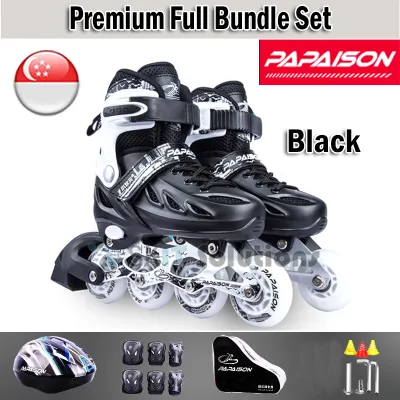
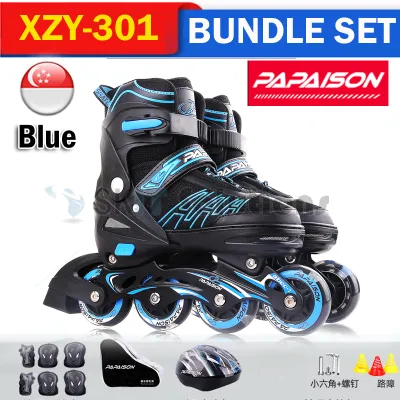
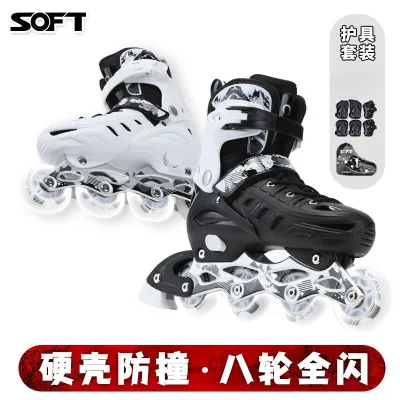
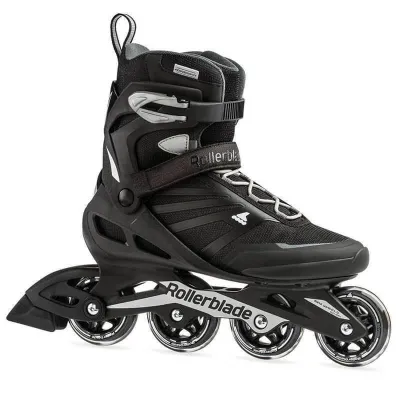
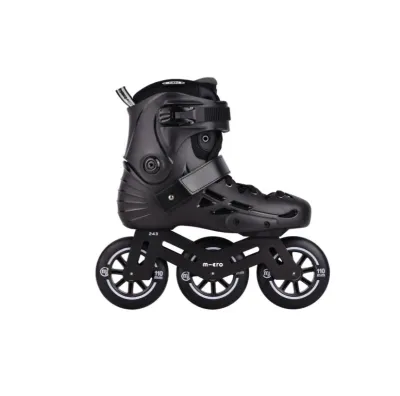
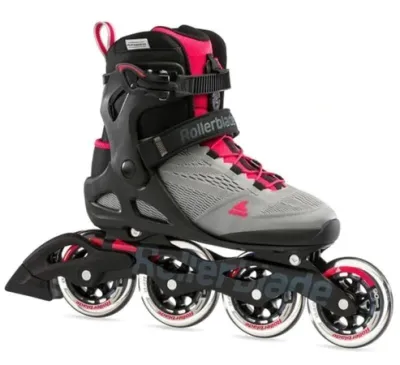
Prices are valid at publication and may change. Please refer to the product page for the latest price.
Boot Support: Hard-Shell vs. Soft Boots
The boot is the foundation of your skate, and choosing between a hard-shell and a soft boot is one of the most important decisions you will make. Hard-shell boots feature a rigid plastic outer casing that provides maximum lateral ankle support. This rigidity helps prevent your ankles from rolling inward or outward, which is a common challenge for beginners building up their stabilizer muscles. However, they can feel heavy and may require a break-in period.
Soft-boot skates, on the other hand, utilize structured fabrics and foam padding. They offer immediate comfort and breathability, which is highly beneficial in Singapore’s humid climate, but they provide less structural support if you have weak ankles or plan to perform tight maneuvers. For absolute beginners, a hard-shell boot is often recommended to build confidence and proper alignment, while those prioritizing casual, short-distance recreational skating may prefer the immediate comfort of a soft boot.
Wheel Setup: Hardness and Size
For beginners skating on outdoor paths, park connectors, or concrete void decks, wheel specifications directly impact stability. Wheels are measured by diameter (in millimeters) and hardness (indicated by a number followed by the letter ‘A’). Beginners generally benefit from smaller wheels, typically between 80mm and 84mm, because they keep your center of gravity lower to the ground, making balance easier to maintain.
For outdoor skating in Singapore, look for a wheel hardness rating between 80A and 85A. These wheels are soft enough to absorb vibrations from uneven asphalt and tactile paving while providing sufficient grip to prevent slipping on smooth outdoor tiles. Harder wheels (above 85A) offer less grip and a rougher ride on outdoor surfaces, making them less suitable for beginners.
Closure Systems
A secure fit is vital for safety and control. Most beginner skates use a triple closure system: traditional laces, a 45-degree power strap over the instep, and a locking buckle at the cuff. Laces allow you to customize the tightness across the top of your foot. The power strap pulls your heel back into the pocket of the skate, preventing heel lift. The cuff buckle secures your ankle in place. You must verify that all three components can be tightened securely without causing pressure points or cutting off circulation.
Brake Placement
For those learning how to stop, a standard heel brake is an indispensable safety feature. Most beginner inline skates come with a rubber brake pad attached to the heel of the right skate. This allows you to drag the heel to slow down gradually. Before heading out onto public paths, verify that the brake pad is securely fastened and learn the correct stance—sliding the braking foot forward while bending your knees—to apply pressure safely without losing balance.
Reliable Roller Skate Brands to Consider for Beginners
When exploring the market, focusing on established brands with a history of manufacturing recreational skates ensures you receive reliable frame alignment and durable materials. Avoid generic, unbranded skates sold at extremely low prices, as they often feature poor-quality bearings and weak plastic frames that can compromise your safety. Sizing and stock availability can vary across local retailers, so it is always best to check current inventories.

Rollerblade
As one of the pioneers of the modern inline skate, Rollerblade is widely recognized for its focus on structural integrity and user safety. Their entry-level models frequently feature durable composite or aluminum frames paired with supportive hard-shell designs. This robust construction is particularly beneficial for beginners who require maximum lateral ankle support to maintain a proper upright stance. The brand’s design philosophy emphasizes progressive learning, often incorporating reliable braking systems and smooth-rolling bearings that help you maintain control as you build confidence on local paths.
K2 Skates
K2 Skates is renowned for introducing soft-boot technology to the skating world, prioritizing immediate comfort and breathability. If you are concerned about blisters or pressure points during long sessions along the East Coast Park connector, their soft-boot designs offer a forgiving fit that conforms to your foot shape. Because soft boots rely on the tension of the closure system for support, you must pay close attention to proper lacing and buckle tension. These skates are highly suited for recreational fitness skaters who prioritize a lightweight, comfortable feel over aggressive technical maneuvers.
Flying Eagle and Micro
For skaters with wider feet or those looking for highly adaptable setups, brands like Flying Eagle and Micro offer excellent entry-level alternatives. Flying Eagle is known for producing highly durable hard-shell skates with adjustable frames, allowing you to fine-tune the position of your wheels to match your natural stride. Micro focuses on ergonomic designs that cater to both adults and children, often featuring removable liners that make cleaning and drying much easier in Singapore’s humid weather. When considering these brands, carefully verify their specific sizing charts, as their shell shapes can differ significantly from standard shoe sizes.
Where to Buy and Fit Roller Skates in Singapore
Finding the right pair of skates requires more than just browsing online catalogs; physical fitting is crucial to ensure comfort and safety. Singapore offers several retail options, ranging from specialized skate shops to large sporting goods stores, each catering to different needs and budgets.
Specialty Skate Shops
To ensure a proper fit, visiting a dedicated specialty skate shop in Singapore is highly recommended. Staffed by experienced skaters, these shops can analyze your foot shape, identify whether you have flat feet or high arches, and recommend skates that match your physical profile. They can also guide you on proper skating posture and assist with post-purchase adjustments, such as rotating your wheels or replacing worn brake pads.
Large Sporting Goods Retailers
If you are on a tight budget or want to explore basic options, large sporting goods retailers across Singapore offer accessible entry-level skates and affordable safety gear. While these stores provide a convenient starting point, the staff may not possess specialized skating expertise. Be sure to carefully inspect the product specifications, focusing on frame rigidity and wheel hardness, to ensure the skates are suitable for outdoor use.
Online Channels
Purchasing skates online requires caution. While official brand websites and authorized online marketplaces offer convenience, buying without trying them on increases the risk of getting the wrong size. Avoid purchasing unverified second-hand skates from online classifieds; worn-out liners, warped frames, or rusted bearings can compromise your safety and are often difficult to detect from photos alone. If you must buy online, ensure the retailer has a clear return and exchange policy.
Fitting Best Practices
When fitting skates, always try them on in the late afternoon or evening, as your feet naturally swell slightly throughout the day. Wear the exact athletic socks you plan to use while skating. Put on both skates, lace them up fully, and stand up. Your toes should gently brush the front of the liner when you stand straight, but when you bend your knees into a skating stance, your toes should slide back slightly, leaving a small amount of clearance. Your heel must remain locked in place without lifting when you walk or bend your knees.
Essential Safety Gear for Beginner Skaters
Safety gear is a non-negotiable investment for any beginner skater. Equipment cannot replace training or judgment, but it significantly mitigates the risk of injury when falls occur.
Helmets
A high-quality helmet is the most critical piece of equipment. Ensure the helmet meets recognized international safety certifications, such as CPSC or EN 1078. The helmet should sit level on your head, covering your forehead, and fit snugly without shifting when you shake your head. Avoid using bicycle helmets that expose the back of the head, as skating falls often occur backward.
Joint Protection
Falling is a natural part of the learning process. To protect your joints, always wear a complete set of pads, including wrist guards, knee pads, and elbow pads. Wrist guards are particularly vital, as the natural instinct during a fall is to reach out with your hands; the rigid plastic splints in wrist guards absorb the impact and slide along the pavement, preventing severe wrist fractures. Knee and elbow pads should feature durable plastic caps and secure, adjustable straps that do not slip down during movement.
Budgeting Advice
When planning your purchase, avoid spending your entire budget on the skates alone. Allocate a portion of your initial budget specifically for high-quality protective gear. Investing in reliable safety equipment not only protects you from painful scrapes and injuries but also builds the confidence you need to practice new skills and enjoy your skating journey safely.
Frequently Asked Questions (FAQ)
Should I buy adjustable or fixed-size roller skates?
Adjustable skates are highly practical for young children whose feet are growing rapidly, as they allow the boot to expand across several sizes. However, for teenagers and adults, fixed-size skates are strongly recommended. Fixed-size boots provide superior structural support, better power transfer, and a more precise fit, which are essential for maintaining balance and preventing ankle strain as you learn to navigate outdoor paths.
How do I maintain my roller skates after skating outdoors?
Singapore’s humid climate and occasional rain showers require regular skate maintenance to prevent rust and wear. After skating outdoors, use a damp cloth to wipe dirt and dust off the boots and frames. Check your wheels regularly for uneven wear, and rotate them according to the manufacturer’s instructions to ensure even usage. Most importantly, keep your bearings dry; if you accidentally roll through water, dry them immediately and consult the manufacturer’s manual for proper disassembly and lubrication procedures.
Community discussion
Share your experience or ask a question. Comments are reviewed before publication.