
Selecting an adult electric trike in Singapore requires balancing personal mobility needs with strict local regulations and unique urban spatial constraints. Unlike standard two-wheeled bicycles, three-wheeled electric utility vehicles offer enhanced stability and cargo capacity, making them highly appealing for daily errands, recreational rides, or mobility assistance. However, because Singapore’s shared paths, park connectors, and residential estates have specific physical and legal boundaries, finding the right fit involves evaluating structural designs alongside local compliance standards.
No single electric trike is universally suitable for every rider or setting. The ideal choice depends heavily on your physical size, riding skill level, intended venue, and how you plan to transport or store the vehicle. By understanding the distinct advantages and limitations of each trike category, you can make an informed decision that ensures a safe, comfortable, and legally compliant riding experience.
Understanding the Main Types of Electric Trikes for Adults
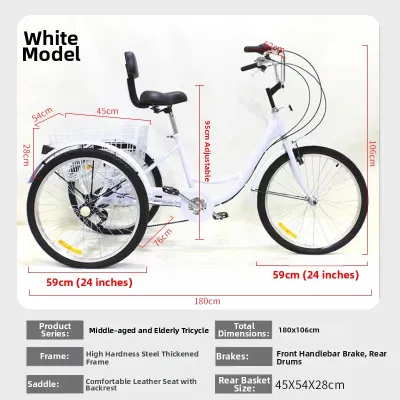
Upright electric trikes feature a traditional riding posture similar to a standard bicycle, with a conventional saddle and handlebar setup. This design provides excellent rider visibility, allowing you to easily scan your surroundings and remain visible to other path users. The handling is familiar, though riders must adapt to steering without leaning, which requires slowing down during sharp turns to prevent tipping.
Products mentioned in this guide
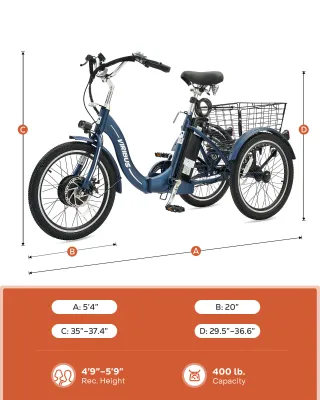
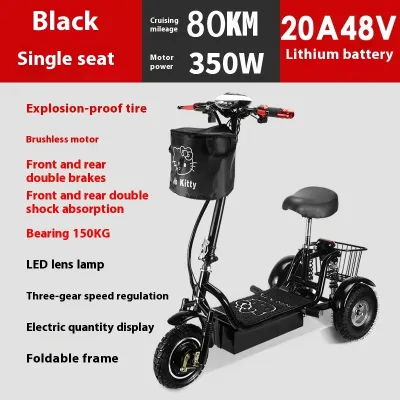
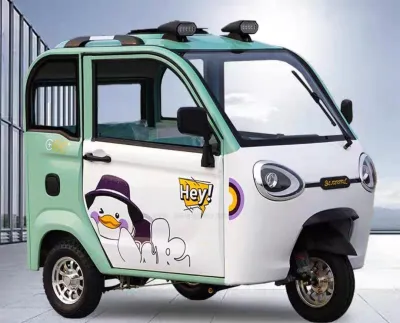
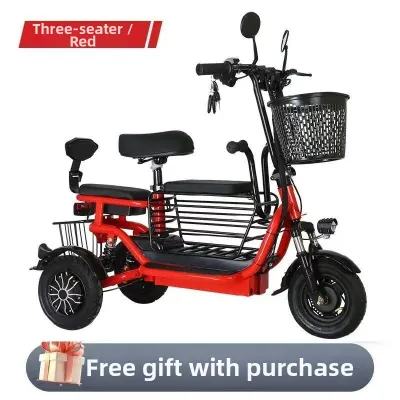
Prices are valid at publication and may change. Please refer to the product page for the latest price.
Recumbent electric trikes position the rider in a reclined, bucket-style seat with the pedals extended forward. This layout distributes body weight evenly, significantly reducing pressure on the lower back, neck, and wrists. With a much lower center of gravity, recumbent models offer exceptional stability on straightaways and curves, though their low profile requires extra safety measures to ensure visibility in shared spaces.
Cargo electric trikes are built with reinforced, extended frames designed specifically to carry substantial loads. They typically feature a large integrated basket or utility box, positioned either between the two rear wheels or as a front-loading platform. While highly practical for transporting heavy items, their wider wheelbase and longer frame demand more physical space for turning and parking.
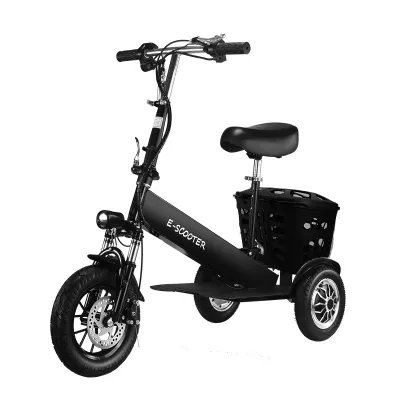
Folding electric trikes incorporate hinged frames that allow the vehicle to collapse into a more compact footprint. This design is highly advantageous for riders with limited storage space or those who need to transport the trike in a car boot. To accommodate the folding mechanism, these models often feature smaller wheels and lighter frames, which may slightly reduce their overall weight capacity and battery range compared to rigid models.
Matching Trike Types to Your Daily Scenarios in Singapore
Grocery Shopping and Daily Errands
For daily trips to local wet markets and supermarkets, cargo and folding trikes are highly practical options. When evaluating cargo capacity, look closely at the basket placement and weight distribution. Rear-mounted baskets keep the steering light and familiar, whereas front-loading cargo boxes keep your items in direct view but require a brief adjustment period to master the steering dynamics.

Navigating crowded neighborhood pathways and tight supermarket aisles requires a trike with a manageable turning radius. Wide cargo trikes can struggle in highly congested areas, so checking the exact outer width of the rear axle is essential before purchasing. A trike that is too wide may find itself blocked by common street furniture or narrow pathway barriers.
Storage is a primary consideration for high-density residential living, such as in Housing & Development Board (HDB) flats. Before choosing a cargo trike, measure its physical dimensions against your building’s passenger lift doors and interior cabin space. If the lift dimensions are restrictive, a folding electric trike offers a viable alternative, allowing you to collapse the frame before entering the lift or storing it inside your home.
Leisure Rides and Park Connectors
If your primary goal is enjoying recreational rides along Singapore’s extensive Park Connector Network (PCN), comfort and stability are paramount. Upright and recumbent trikes excel in this environment, but they serve different physical preferences. For longer journeys, the ergonomic back support of a recumbent trike minimizes fatigue, making it highly suitable for riders who experience joint discomfort during traditional cycling.
Ride comfort on paved park connectors can vary depending on path transitions, tree roots, and minor surface imperfections. Look for trikes equipped with front or seat suspension systems to absorb these vibrations. Larger pneumatic tires also contribute significantly to a smoother ride by dampening road buzz and providing better traction on damp pavement.
Visibility is a critical safety factor when sharing paths with pedestrians, runners, and faster cyclists. Because recumbent trikes sit much closer to the ground, riders are less visible to others, especially at path intersections or around blind corners. If you choose a recumbent model, always install a tall safety flag, utilize active front and rear lighting, and wear high-visibility clothing to ensure you are easily spotted.
Mobility Assistance and Rehabilitation
For riders seeking an electric trike for balance support, joint relief, or physical rehabilitation, accessibility features are the most critical factors. Step-through frames with exceptionally low step-over heights allow you to mount and dismount the trike safely without having to swing a leg high over a central frame bar. This minimizes the risk of losing balance before the ride even begins.
Always verify the manufacturer’s specified weight limits, stability ratings, and safety guidelines to ensure the trike matches your physical requirements. It is highly recommended to consult a medical professional or physical therapist before using an electric trike for rehabilitation, ensuring that the riding posture and level of physical exertion align with your recovery goals.
Adjustability is another key factor for mobility assistance. Ensure the seat height, backrest angle, and handlebar reach can be customized to your body dimensions. This customization helps maintain proper joint alignment, reduces strain on the knees and hips, and ensures that all controls—including brake levers and throttle or pedal-assist buttons—are within easy, comfortable reach.
Key Specifications and Local Compliance to Check
When selecting an electric trike, verifying technical specifications against local active mobility regulations is a legal necessity in Singapore. The Land Transport Authority (LTA) enforces strict rules regarding the weight, width, and speed of motorized devices on public paths. Generally, power-assisted bicycles (PABs) and personal mobility devices (PMDs) must comply with specific weight limits (often a maximum of 20kg) and a maximum width of 70cm to legally use shared paths. Ensure any trike you consider is fully certified and registered according to current LTA guidelines.
Before setting out on public paths or near traffic, riders must assess their own physical ability limits, balance, and familiarity with three-wheeled handling. Riding an electric trike in wet weather requires extreme caution, as wet pavement significantly reduces tire grip and increases braking distances. Always perform pre-ride checks on your brakes, tire pressure, and battery levels. If you encounter heavy rain, steep inclines beyond your trike’s rated capacity, or highly congested traffic, the safest action is to stop riding, dismount, and push the vehicle. Remember, high-quality equipment cannot replace proper training, situational awareness, and sound riding judgment.
Battery specifications directly impact both your riding range and daily convenience. Consider the battery’s capacity and whether it is removable. A removable battery is highly advantageous for urban residents, as it allows you to carry the battery indoors for charging while leaving the bulky trike frame parked in a designated storage area. Always check the charging logistics and ensure the battery charger carries the appropriate safety marks recognized locally.
Finally, physically measure the exact footprint of the trike, including its total length, width, and turning circle. Compare these measurements against the dimensions of your residential corridors, lift lobbies, and designated parking areas. Under local fire safety regulations, common corridors must maintain a minimum clear escape path, meaning storing a wide, non-folding trike in a shared hallway may not be permitted.
Frequently Asked Questions (FAQ)
Do I need a license or registration to ride an electric trike?
Yes, depending on the specific classification of the electric trike under Singapore’s active mobility laws. If the trike is classified as a Power-Assisted Bicycle (PAB), it must be approved by the Land Transport Authority (LTA), registered, and fitted with a rear license plate. Additionally, PAB riders must pass a mandatory online theory test before riding on public paths and roads. If the trike is classified as a mobility scooter or motorized wheelchair intended for physical assistance, registration is generally not required, but use is strictly limited to footpaths and shared paths at lower speed limits. Always verify the exact regulatory classification of a trike model with the manufacturer or retailer before purchasing.
How do I safely store a large electric trike in an HDB flat?
Storing a large electric trike in an HDB flat requires careful spatial planning and adherence to community guidelines. First, measure your flat’s entryway and internal storage areas against the trike’s dimensions. If space is limited, a folding electric trike is highly recommended, as it can be collapsed and stored in a corner or closet. Avoid storing the trike in common corridors unless you can guarantee it does not obstruct the minimum clear escape path required by fire safety regulations. Utilizing a model with a removable battery allows you to charge the device safely indoors without needing to maneuver the entire trike close to an electrical outlet.
Community discussion
Share your experience or ask a question. Comments are reviewed before publication.