
To find the best bicycle signal light for Singapore’s Park Connector Network (PCN), you must look beyond raw brightness. The ideal setup balances personal visibility with trail courtesy, ensuring you are seen by pedestrians and oncoming cyclists without blinding them. Navigating these shared paths requires a strategic combination of a clear front light, a highly visible rear signal, and versatile mounting options that can withstand sudden tropical downpours.
Selecting the right equipment involves understanding how your gear interacts with a highly diverse environment. Because the PCN is used by everyone from high-speed commuters to families with toddlers, your signaling choices directly impact collective safety. By focusing on key specifications, mounting adaptability, and weather resistance, you can build a lighting setup that keeps you safe, compliant, and respectful of other path users.
Understanding PCN Path Conditions to Define Your Lighting Needs
Singapore’s Park Connector Network is a world-class infrastructure marvel, but its shared-path dynamics present unique challenges for cyclists. Unlike open roads where speed and long-distance projection are the primary concerns, PCN paths require close-quarters awareness. You are constantly sharing space with joggers, pedestrians, children on kick scooters, and other cyclists. Using an overly bright, unshielded headlight can temporarily blind oncoming path users, creating a serious hazard on narrow paths. Your front bicycle signal light must offer a controlled beam that illuminates the ground immediately ahead rather than dispersing light upward into people’s eyes.
Products mentioned in this guide
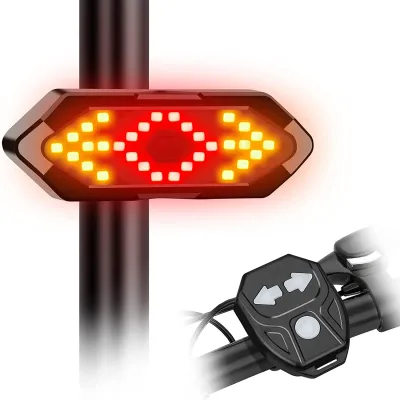
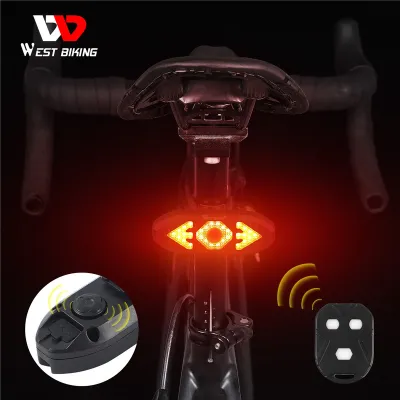
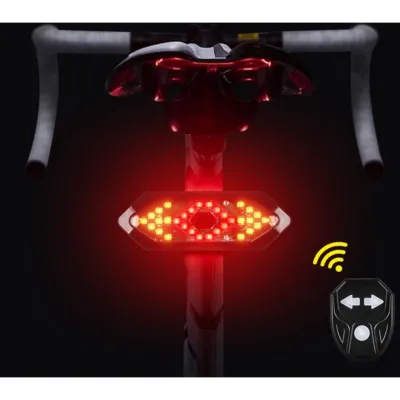
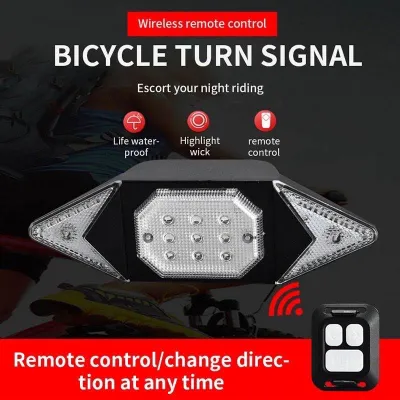
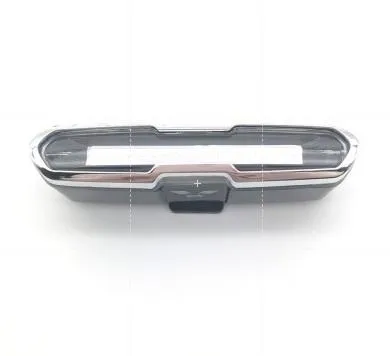
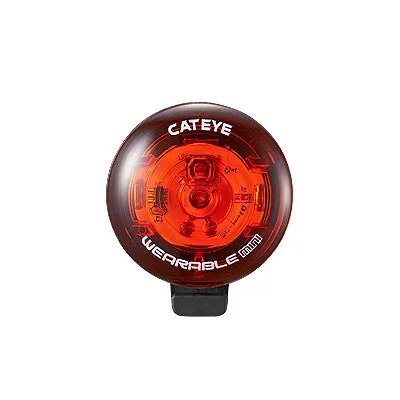
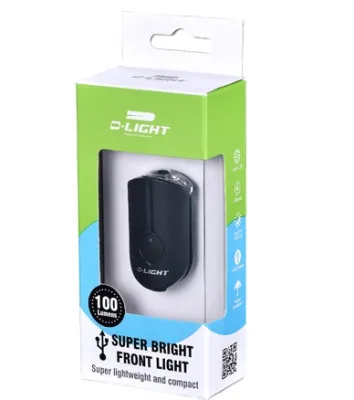
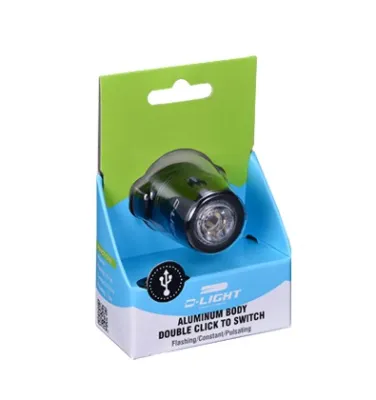
Prices are valid at publication and may change. Please refer to the product page for the latest price.
Ambient lighting along the PCN is highly variable and can change within a matter of meters. Some stretches, such as those running parallel to major housing estates or brightly lit coastal highways, benefit from excellent street lighting. In these areas, your lights serve primarily as passive signaling devices to let others know you are approaching. However, as you transition into underpasses, forested park sections, or canal-side connectors, ambient light can drop to near-total darkness. Your lighting system must be versatile enough to transition seamlessly between these high-contrast zones without requiring you to stop and adjust your settings manually.
Weather is another critical factor that dictates your lighting requirements in Singapore. The tropical climate brings intense humidity, high ambient temperatures, and sudden, torrential downpours that can occur with little warning. These heavy rains drastically reduce visibility for all path users, making high-contrast signaling lights essential even during the daytime. Furthermore, the combination of high humidity and road spray puts immense stress on electronic seals. Choosing gear that cannot withstand these moisture levels will inevitably lead to premature product failure, flickering, or complete battery shutdown mid-ride.
Key Specifications to Evaluate for Shared-Path Visibility
When evaluating a bicycle signal light, brightness is measured in lumens, but more lumens do not automatically equal a better light for the PCN. For shared-path cycling, a front light emitting between 100 and 400 lumens is generally more than sufficient to illuminate your path while ensuring you remain visible. Instead of chasing maximum output, look closely at the beam pattern. A light with a wide, diffused beam pattern provides excellent peripheral visibility, helping you spot pedestrians stepping off curbs or animals crossing the path. Additionally, look for lights designed with a physical cut-off line at the top of the lens, which prevents the beam from rising above handlebar height.

Signaling modes are crucial for communicating your presence effectively under different riding conditions. Most modern bicycle signal lights offer a variety of modes, including steady, flashing, and pulsing options. A steady beam is essential for night riding because it allows oncoming users to accurately judge your distance and speed of approach. Flashing modes are highly effective during daylight hours or during heavy rain when you need to cut through visual clutter, but they can be highly disorienting on dark, narrow paths at night. A pulsing or organic “breathing” mode offers an excellent compromise for evening rides, providing high visibility without the harsh, strobe-like effect that irritates other path users.
Power management and battery life require careful consideration based on your typical riding habits. USB-rechargeable lithium-ion batteries have become the industry standard, offering convenience and consistent power output compared to traditional disposable alkaline batteries. When reviewing manufacturer specifications, pay close attention to the runtime claims for each specific mode. A light that claims a ten-hour battery life might only achieve that on its lowest flashing setting, while lasting only ninety minutes on high steady mode. Ensure the light you select can comfortably run on your preferred steady setting for at least double the duration of your average PCN journey to account for natural battery degradation over time.
Mounting Options and Placement Strategies for Maximum Awareness
How and where you mount your bicycle signal light directly affects its performance and your overall safety. Handlebar and seatpost mounts are the most common configurations, but their design details matter immensely. Look for mounting systems that utilize high-quality, UV-resistant silicone straps or robust, tool-free plastic brackets. These allow you to quickly attach and detach the lights when parking your bike at public racks, food centres, or MRT stations. In Singapore’s urban environment, leaving high-quality lights unattended on your frame makes them prime targets for opportunistic theft, so quick-release functionality is a major practical advantage.
Alternative placement strategies can significantly enhance your visibility profile, especially at blind corners and busy intersections where the PCN crosses minor roads. Mounting an additional secondary light to your helmet places the light source at eye level for pedestrians and drivers, allowing you to direct the beam simply by turning your head. Clothing clips and backpack mounts are excellent options for rear red signal lights. These elevated placements ensure that your signal remains visible even if you are wearing a long rain poncho or carrying bulky pannier bags that might otherwise block a standard seatpost-mounted light.
Regardless of where you mount your lights, vibration resistance is a key factor in maintaining a stable beam. The PCN features a variety of surfaces, including smooth asphalt, concrete slabs, tactile paving tiles for the visually impaired, and occasional gravel transitions. Constant vibrations and sudden impacts from speed bumps can cause poorly designed mounts to slip or droop. If your front light slips downward, it will only illuminate your front tire; if it slips upward, it will blind everyone in front of you. Prioritize mounts that feature textured rubber backings or mechanical locking systems that prevent shifting over uneven terrain.
Building Your Shortlist: Pre-Purchase Checks and Safety Limits
Before finalizing your purchase, you must verify that your chosen bicycle signal light can handle the environmental realities of Singapore. This starts with checking the Ingress Protection (IP) rating, which measures a device’s resistance to dust and water. For reliable performance in tropical downpours, look for a minimum rating of IPX4, which protects against splashing water from any angle. However, if you frequently ride during the monsoon seasons, upgrading to an IPX6 or IPX7 rating is highly recommended. These higher ratings ensure the casing can withstand high-pressure water jets or temporary immersion, preventing internal corrosion and electrical shorts.
Compliance with local regulations and path etiquette is non-negotiable for a hassle-free cycling experience. Under Singapore’s active mobility guidelines, cyclists must display a white light on the front of the bicycle and a red light or reflector on the rear during hours of darkness, which are generally defined as 7:00 PM to 7:00 AM. Additionally, your lights must be adjusted so that they do not cause glare or discomfort to other path users. Investing in a light with an adjustable mounting angle allows you to fine-tune the pitch of your beam, ensuring you stay compliant with local safety norms while maintaining excellent forward visibility.
Finally, protect yourself from low-quality counterfeits by conducting thorough retailer verification. Online marketplaces are flooded with unbranded lights that claim impossibly high lumen outputs and battery runtimes at incredibly low prices. These claims are rarely accurate, and the internal batteries may lack essential safety certifications, posing a potential fire hazard during charging. Always cross-reference product specifications on the official manufacturer website and purchase your gear from authorized local distributors or reputable cycling specialty shops. This ensures you receive a genuine product backed by a valid warranty and reliable customer support.
Frequently Asked Questions (FAQ)
Do I need both a front and rear signal light for the PCN?
Yes, having both a front and rear signal light is highly recommended for comprehensive safety on the PCN. The front white light serves a dual purpose: it illuminates immediate path hazards like debris or wet patches and alerts oncoming pedestrians and cyclists of your approach. The rear red light is equally critical because it signals your presence to faster cyclists, PMD users, or vehicles approaching from behind, particularly when you are crossing roads or navigating transition zones where the PCN intersects with public streets.
How often should I charge my rechargeable bicycle light?
To maximize the lifespan and reliability of your light’s lithium-ion battery, it is best practice to top up the charge after every major ride rather than waiting for the battery to drain completely. Lithium-ion batteries perform best when they are not subjected to deep discharges. If you store your bicycle for an extended period, check the battery level periodically and charge it to around 50% to 60% capacity to prevent the battery from falling into a deep discharge state, which can permanently reduce its overall capacity.

Community discussion
Share your experience or ask a question. Comments are reviewed before publication.