
When packing a school bag for a long day in Singapore’s tropical heat, keeping drinks cold is a primary concern for parents. While many brands claim superior thermal performance, the actual duration a bottle keeps water cold depends heavily on insulation construction, lid design, and daily usage habits. Comparing CamelBak kids’ insulated bottles with alternative brands requires looking beyond marketing claims to evaluate physical seals, valve mechanisms, and practical usability for children.
To find the right balance between cold retention and schoolyard durability, parents must understand how different bottle designs interact with ambient temperatures. A bottle that keeps water icy during an air-conditioned class might struggle on the sports field or during outdoor recess. By examining the engineering behind these vessels, you can make an informed choice that keeps your child hydrated and comfortable throughout the school day.
Key Factors That Determine Cold Retention in Kids' Bottles
Double-wall vacuum insulation is the standard technology used to prevent temperature transfer in modern reusable bottles. This design features an inner and outer wall, typically made of food-grade stainless steel, with the air vacuumed out of the space between them. Because a vacuum contains no air molecules, it prevents heat from transferring via conduction or convection, keeping the external heat from warming the liquid inside.
Products mentioned in this guide
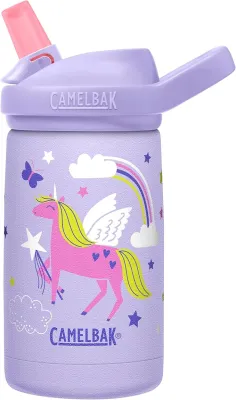
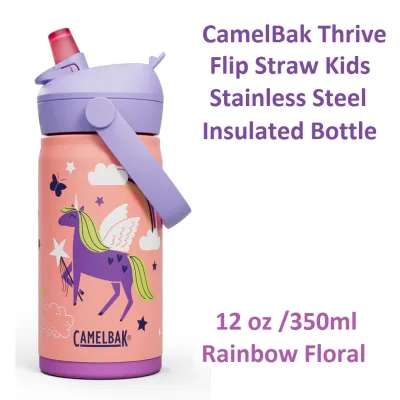
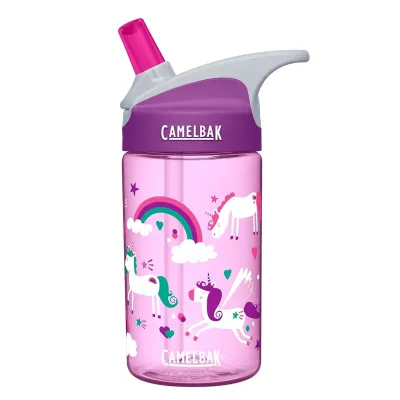
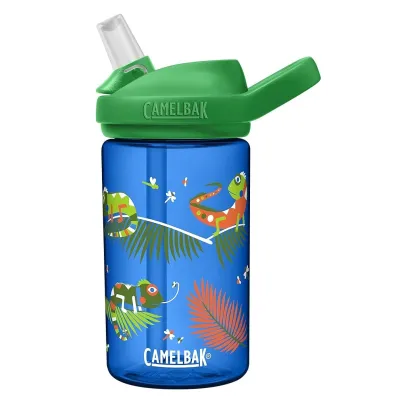
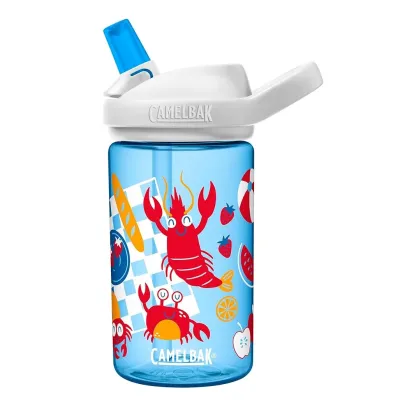
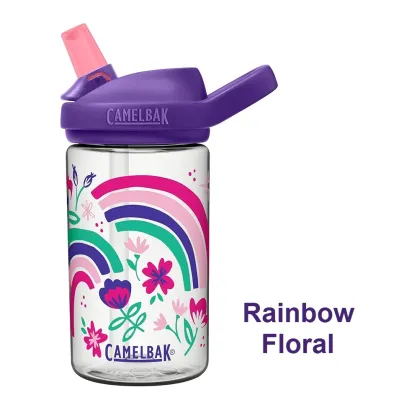
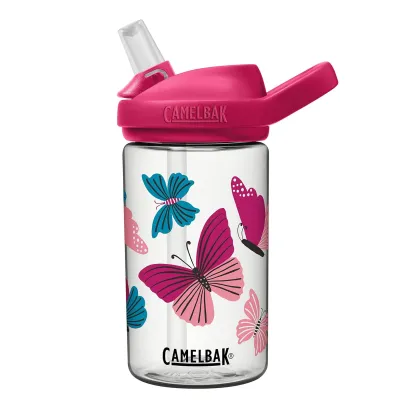
Prices are valid at publication and may change. Please refer to the product page for the latest price.
The grade and thickness of the stainless steel play a significant role in the bottle’s overall durability and thermal efficiency. Most high-quality insulated bottles utilize 18/8 stainless steel, which refers to the ratio of chromium to nickel in the alloy. This composition provides excellent rust resistance and structural integrity, ensuring the vacuum seal remains intact even after the bottle is dropped on concrete school yards.
Lid design is often the weakest link in any insulated bottle’s thermal defense. While the stainless steel body prevents heat transfer through the sides, the lid is typically made of plastic and silicone, which offer less insulation. Every time a child opens a lid or sips through a straw, ambient air enters the bottle, raising the internal temperature. Solid, insulated screw caps provide the tightest thermal seal, whereas straw lids and bite valves introduce more pathways for heat to enter.
Bottle capacity and the ratio of ice to liquid also dictate how long a drink stays cold. A smaller bottle contains less thermal mass, meaning it will warm up faster than a larger bottle under the same conditions. To maximize cold retention in hot climates, parents should pre-chill the bottle with ice water before filling it, and aim for a high ice-to-liquid ratio to offset the heat introduced during frequent sips.
Evaluating CamelBak Kids Insulated Bottles
CamelBak’s lineup of kids’ insulated bottles, particularly the eddy+ Kids stainless steel models, is designed with a strong focus on spill prevention and ease of use. These bottles feature a double-wall vacuum insulated construction intended to keep drinks cold for several hours. The exterior is often finished with a durable powder coat to help children maintain a secure grip when their hands are sweaty or wet.

The defining feature of the CamelBak kids’ system is the patented bite valve and straw mechanism. To drink, a child must bite down on the silicone valve to open the flow path, then sip. This self-sealing design is highly effective at preventing accidental spills in classrooms or school bags, even when the bottle is left open on a desk. However, because the silicone valve remains exposed to the air when flipped up, it represents a point of thermal exchange where heat can gradually enter the bottle.
When evaluating these bottles, parents should check the manufacturer’s packaging for specific temperature retention claims, which are typically verified under controlled laboratory conditions. It is also important to look for material safety certifications, ensuring the bottle, lid, and straw are entirely free from BPA, BPS, and BPF. The care instructions generally recommend hand-washing the stainless steel vessel to preserve the vacuum seal, while the silicone bite valve and plastic lid are often top-rack dishwasher safe.
Comparing CamelBak Kids Against Alternative Brands
To choose the most effective bottle for your child’s school day, it helps to compare the design trade-offs of CamelBak against other common insulated bottle styles found on the market. The table below outlines how different lid and insulation configurations compare across key usability and thermal metrics.
| Feature | CamelBak Kids (Bite Valve) | Alternative Straw-Lid Bottles | Alternative Screw-Cap Bottles |
|---|---|---|---|
| Primary Lid Type | Bite valve with internal straw | Flip-up straw or spout | Solid insulated screw cap |
| Thermal Efficiency | Moderate (heat exchange via valve) | Moderate (exposed straw path) | High (solid insulated barrier) |
| Spill Resistance | Excellent (self-sealing valve) | Variable (requires manual closing) | High (when fully tightened) |
| Ease of Cleaning | Moderate (requires valve brush) | Easy to moderate | Very easy (minimal crevices) |
| Durability | High (powder-coated steel) | High (standard stainless steel) | High (fewer moving parts) |
While straw lids offer unmatched convenience and encourage children to drink more water without tilting their heads, they sacrifice some thermal efficiency compared to screw-cap designs. A solid screw cap acts as a complete barrier to the outside environment, keeping ice solid for longer periods. However, screw caps require two hands to operate and increase the risk of spills if a child forgets to tighten the cap during class.
When shopping for alternative brands, parents should learn to read product labels critically. Look for explicit mentions of “vacuum insulation” rather than just “double-wall,” as some double-wall bottles only contain air between the layers, which is far less effective at blocking heat. Additionally, verify that any safety claims, such as food-grade material standards, are backed by recognizable testing marks on the packaging.
Decision Framework: Choosing the Best Bottle for Your Child
You should choose a CamelBak Kids insulated bottle if your primary goals are spill prevention, classroom safety, and easy, one-handed operation. The bite valve is ideal for younger children who might struggle with screw caps or easily spill water from open-mouth bottles. If your child frequently keeps their bottle on their school desk next to books and worksheets, the self-sealing valve provides excellent peace of mind.
Conversely, you should opt for alternative screw-cap or specialized high-performance thermal brands if maximum ice retention over an extended period is your absolute priority. If your child participates in long outdoor sports sessions, physical education classes in the afternoon, or co-curricular activities where the bottle is exposed to direct sunlight, a solid, insulated cap will preserve cold temperatures much better than any straw-based system.
Before making a final purchase, verify the specific constraints of your child’s school environment. Check if the classroom desks have specific cup-holder dimensions or if the school backpack’s side pockets can accommodate wider insulated bottles. Additionally, consider your home cleaning routine; if you rely entirely on a dishwasher, verify whether the bottle’s body is rated as dishwasher-safe, as heat cycles can degrade the vacuum seals of certain brands over time.
Maintenance and Care to Preserve Insulation Performance
Proper maintenance is essential to ensure an insulated bottle continues to perform at its best and remains hygienic. Because kids’ bottles frequently hold sugary drinks or are handled with dirty hands, mold can quickly develop in the crevices of silicone bite valves, straws, and lid seals. To prevent this, disassemble all lid components completely and wash them with warm, soapy water using specialized small-diameter brushes.
Over time, the vacuum seal of an insulated bottle can fail due to drops, impacts, or exposure to extreme heat. A simple way to check for insulation failure is the touch-test: fill the bottle with ice water and wait a few minutes. If the exterior of the stainless steel body feels cold to the touch or begins to sweat with condensation, the vacuum seal has been compromised, and the bottle will no longer keep drinks cold effectively.
Always consult the manufacturer’s guidelines regarding temperature limits and washing instructions. Avoid using harsh abrasives, steel wool, or chlorine bleach to clean the stainless steel interior, as these can scratch the protective chromium oxide layer, leading to rust and metallic tastes. Storing the bottle with the lid off when not in use allows the interior to dry completely, preventing musty odors from developing.
Frequently Asked Questions (FAQ)
Can I put boiling water in a CamelBak kids' insulated bottle?
No, you should not put boiling or extremely hot water in a CamelBak kids’ insulated bottle. The straw and bite-valve mechanisms are designed specifically for cool or cold liquids. Hot liquids can cause pressure to build up inside the sealed chamber, which may force hot water to spray out of the straw when the valve is opened, posing a significant burn risk to children. Always check the manufacturer’s warnings on the packaging for specific temperature limits.
Why is my child's insulated bottle sweating on the outside?
In Singapore’s high humidity, a properly functioning vacuum-insulated bottle should not sweat on the outside because the vacuum layer prevents the cold temperature of the inner wall from reaching the outer shell. If you notice condensation forming on the stainless steel body of the bottle, it is a strong indicator that the vacuum seal has been damaged or broken. When the seal fails, heat transfers rapidly, causing the outer wall to cool down and moisture in the air to condense on its surface.
Community discussion
Share your experience or ask a question. Comments are reviewed before publication.