
Staying hydrated during outdoor activities in Singapore requires a bottle that can handle both intense physical movement and relentless tropical heat. When deciding between a CamelBak Podium and a vacuum-insulated stainless steel sports bottle, the choice comes down to a fundamental trade-off: do you prioritize ice-cold water retention or lightweight, active drinking mechanics? There is no single option that suits every scenario, as each design serves a distinct purpose.
The CamelBak Podium series is engineered primarily for active sports where quick, one-handed hydration is essential. Its flexible construction allows you to squeeze water directly into your mouth without breaking your stride or pace. On the other hand, vacuum-insulated sports bottles focus heavily on thermal performance, using rigid double-wall steel to block external heat. Understanding how these materials behave under direct sunlight and high humidity will help you select the right gear for your specific workout routine.
Core Design Differences and Cooling Mechanisms
The fundamental difference between these two bottle categories lies in their structural materials and how they manage heat transfer. The CamelBak Podium utilizes a lightweight, BPA-free polypropylene plastic construction. In its insulated versions, such as the Podium Chill or Podium Dirt Series, the bottle incorporates a double-wall design with a thin layer of closed-cell foam insulation sandwiched between the plastic walls. This design is engineered to remain flexible, allowing the user to squeeze the bottle easily while offering a basic barrier against ambient temperatures.
Products mentioned in this guide
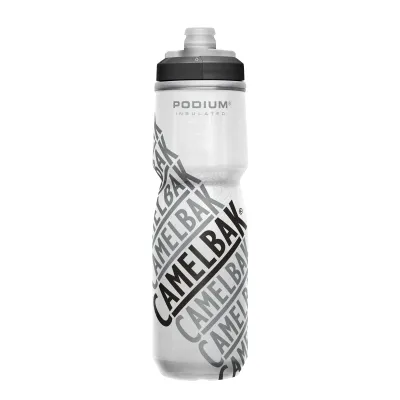
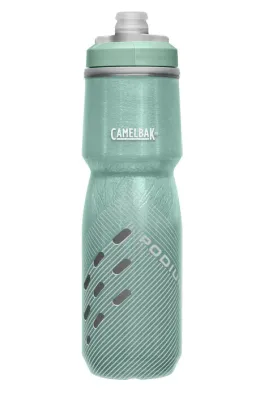
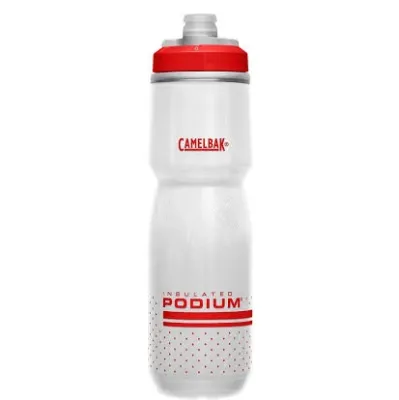
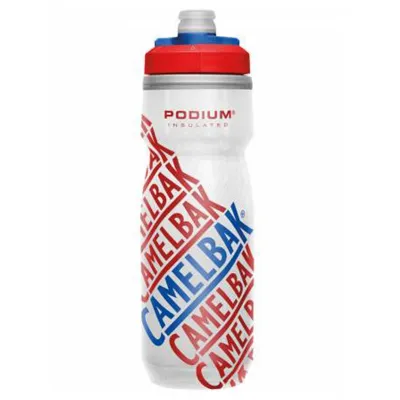
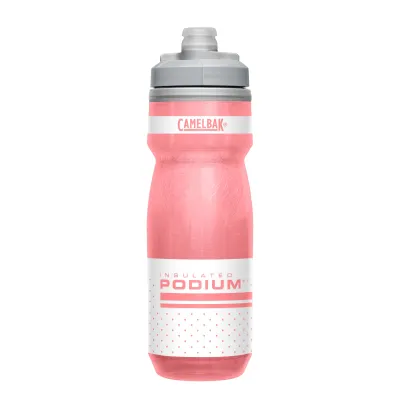
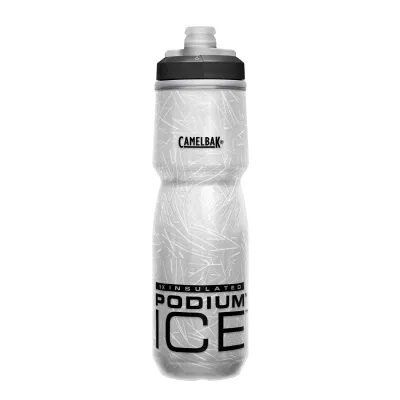
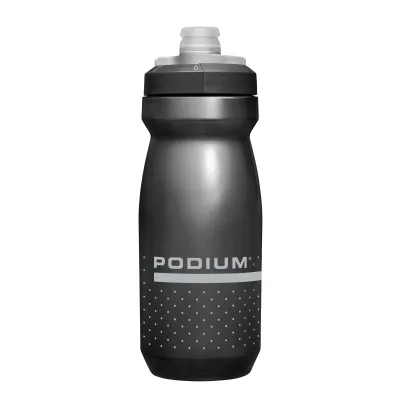
Prices are valid at publication and may change. Please refer to the product page for the latest price.
In contrast, traditional insulated sports bottles are constructed from rigid food-grade stainless steel. These bottles feature a double-wall vacuum insulation system, where the air between the inner and outer steel walls is completely evacuated during manufacturing. Because a vacuum contains no air molecules, it prevents heat transfer via conduction and convection. This structural barrier is highly effective at isolating the liquid inside from external environmental temperatures, regardless of how hot the outer shell becomes.
This material divergence directly impacts the physical weight and flexibility of your gear. A plastic squeezable bottle is inherently lighter, making it easier to carry in a jersey pocket or a lightweight running vest. It can deform slightly under pressure, which helps it fit securely into various bottle cages. A stainless steel vacuum bottle is significantly heavier even when empty, and its rigid walls cannot deform, meaning it relies entirely on precise physical dimensions to fit into carrying sleeves or cages.
Realistic Temperature Retention in Tropical Heat
When exercising outdoors in Singapore, ambient temperatures frequently exceed 30°C, accompanied by high humidity and intense solar radiation. These environmental factors accelerate heat transfer, warming up cold liquids rapidly. In these conditions, a standard single-wall plastic bottle offers virtually no thermal protection, causing ice to melt within minutes. Double-walled plastic bottles like the CamelBak Podium Chill provide a moderate buffer, but they do not stop heat transfer entirely.

The cooling performance of a squeezable insulated bottle depends heavily on the initial temperature of the liquid and the volume of ice you add. Because the closed-cell foam insulation in plastic bottles only slows down heat transfer rather than stopping it, the liquid inside will gradually warm up to match the ambient temperature during extended outdoor sessions. For short, high-intensity workouts lasting under an hour, this level of insulation is often sufficient to keep water refreshingly cool, provided you start with a high ratio of ice.
Vacuum-insulated stainless steel bottles perform on a different level regarding thermal retention. By eliminating the medium through which heat travels, the vacuum barrier keeps ice solid and water cold for several hours, even when left in direct sunlight on a hot concrete surface or a bicycle frame. If your primary goal is to enjoy ice-cold water at the end of a long, multi-hour hike or outdoor training session, a vacuum-insulated bottle is the more reliable choice.
Before purchasing, it is highly recommended to verify the specific thermal retention claims of any bottle by checking the manufacturer’s official specifications. Manufacturers typically test their bottles under controlled laboratory conditions, so real-world performance in tropical humidity may vary. Look for specifications that detail the exact hours of cold retention and compare them against your typical workout duration to ensure the bottle meets your expectations.
Hydration Mechanics: Squeezability vs. Weight
Beyond temperature control, the physical mechanics of drinking play a crucial role in how a bottle performs during active use. The CamelBak Podium is famous for its high-flow, self-sealing Jet Valve. This system allows you to hydrate simply by squeezing the bottle, delivering a steady stream of water without requiring you to pull open a nozzle with your teeth or tilt your head back excessively. This one-handed operation is a significant safety and performance advantage when cycling on busy paths or running at a high heart rate.
Conversely, drinking from a rigid stainless steel insulated bottle requires a different set of physical actions. Because the steel walls cannot be squeezed, you must rely on gravity by tilting the bottle upward, or use an integrated straw lid that requires suction. Tilting a heavy, rigid bottle while moving can obscure your vision and disrupt your balance, making it less suitable for high-speed sports or rough terrain. Additionally, the weight of a full stainless steel bottle can add noticeable strain when carried in a backpack side pocket or a running belt.
Flow rates also differ substantially between the two designs. Squeezable valves generally offer a faster, more customizable flow rate because the volume of water delivered is directly proportional to the force of your squeeze. Rigid bottles with straw lids or narrow mouthpieces may restrict flow, requiring more effort to consume large volumes of water quickly. Furthermore, the self-sealing valves on sports-specific plastic bottles minimize the risk of accidental spills or splashes when traveling over bumpy surfaces, whereas screw-top or flip-top insulated bottles can be more cumbersome to operate securely on the go.
Which Bottle Fits Your Activity? (Decision Framework)
To determine which bottle type best aligns with your lifestyle, consider the specific demands of your favorite activities, your gear compatibility, and your hydration preferences.
Choose CamelBak Podium if:
- You are a road cyclist or mountain biker: The bottle is designed to fit standard bicycle bottle cages perfectly, and its squeezable nature allows you to drink safely while keeping one hand on the handlebars and your eyes on the road.
- You engage in high-intensity running or cardio: When every gram of weight matters, the lightweight plastic construction prevents unnecessary fatigue, and the bottle fits comfortably in running vests or handheld hydration sleeves.
- You prefer rapid, high-volume sips: The squeeze-to-drink mechanism delivers water instantly, making it ideal for quick hydration breaks during fast-paced team sports or interval training.
Choose Insulated Bottles if:
- You prioritize ice-cold water above all else: If drinking lukewarm water during a hot day is a dealbreaker, the highly effective thermal barrier of vacuum-insulated steel is essential.
- Your activities are low-intensity or long-duration: For hiking, walking, golfing, or casual outdoor recreation where weight is less critical and you have frequent opportunities to stop and drink, a steel bottle keeps your beverage cold all day.
- You need a multi-purpose bottle: If you want a container that transitions seamlessly from an outdoor workout to a daily commute, an air-conditioned office, or a gym session, a sleek stainless steel bottle is highly versatile and durable.
Verify first if:
- Your gear has strict physical limits: Before buying a heavy insulated bottle, check the diameter and depth of your bicycle's bottle cages or your backpack's side pockets. Some vacuum-insulated bottles are wider or heavier than standard sports bottles, which can cause them to rattle, slip out, or fail to fit entirely. Ensure the bottle's weight when full does not compromise your balance or exceed the load capacity of your carrying gear.
Cleaning and Odor Prevention in High Humidity
Singapore’s consistently high humidity creates an ideal environment for mold, bacteria, and mildew to thrive, particularly in the damp crevices of sports bottles. Regular, thorough maintenance is essential to keep your bottle hygienic and prevent unpleasant odors or tastes from developing over time.
To clean your bottle effectively, you must fully disassemble all removable parts. For the CamelBak Podium, this means removing the silicone bite valve and the internal nozzle components from the cap. For insulated bottles, disassemble any straw lids, gaskets, or flip-top mechanisms. Wash these individual pieces in warm, soapy water using a small detail brush to reach tight corners where residue can accumulate. Allow all components to air dry completely in a well-ventilated area before reassembling them; storing a damp bottle with the lid closed will quickly lead to musty odors.
Always check the manufacturer’s care instructions regarding dishwasher safety before cleaning your gear. While many plastic bottles and lids are top-rack dishwasher safe, high water temperatures can warp certain plastics or degrade silicone seals over time. For vacuum-insulated stainless steel bottles, dishwasher heat can sometimes damage the exterior powder coating or compromise the vacuum seal itself, rendering the insulation ineffective. Hand washing is generally the safest method to prolong the lifespan of your bottle.
It is important to recognize when a bottle or its components have reached the end of their usable life. If you notice persistent musty odors that remain after deep cleaning, visible black mold spots embedded in the silicone seals that cannot be scrubbed away, or a degraded valve that leaks constantly, it is time to replace those parts. Many brands offer replacement caps and valves separately, allowing you to restore your bottle’s hygiene without needing to purchase an entirely new container.
Frequently Asked Questions (FAQ)
Can I put boiling water in a CamelBak Podium?
No, you should not put boiling water in a CamelBak Podium. The high temperature of boiling water can warp or permanently deform the squeezable plastic body, compromise the integrity of the self-sealing Jet Valve, and damage the internal insulation layer. Furthermore, attempting to squeeze a bottle filled with hot liquid poses a severe burn hazard, as the hot water could spray out unexpectedly. Always check the manufacturer’s guidelines for the maximum safe liquid temperature, which is typically limited to warm or cool beverages.
Do insulated sports bottles sweat in high humidity?
High-quality vacuum-insulated sports bottles do not sweat, even in high humidity. Condensation, or sweating, occurs when warm, moist air comes into contact with a cold surface, causing the water vapor in the air to turn into liquid droplets. Because the vacuum layer inside an insulated bottle prevents heat transfer, the exterior steel wall remains close to the ambient room temperature rather than dropping below the dew point. This keeps the outside of the bottle dry, ensuring a secure grip and preventing water damage to your bags, desk, or bike frame.
Community discussion
Share your experience or ask a question. Comments are reviewed before publication.