
Selecting a 20kg kettlebell is a significant milestone in any strength journey. At this weight, the physical differences between cast iron and competition-style kettlebells become highly pronounced, directly impacting your lifting mechanics, grip comfort, and overall workout performance. Choosing the right type depends on whether your training focuses on explosive, two-handed strength movements or high-repetition, single-handed endurance lifts. By understanding how these two designs distribute weight and interact with your body, you can make an informed investment that aligns with your fitness goals and home gym environment.
Understanding Core Design and Material Differences
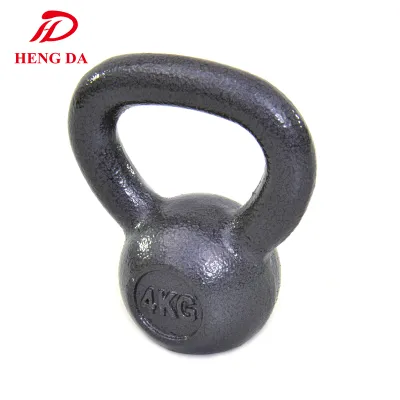
The most fundamental distinction between these two kettlebell styles lies in their manufacturing processes and material composition. Cast iron kettlebells are typically molded from a single pour of molten iron, resulting in a solid, one-piece construction. Because they are solid metal, their physical size is directly proportional to their weight; a lighter bell is small, while a 20kg cast iron bell is noticeably larger and denser. When shopping online, you can identify cast iron models by their classic, slightly textured black or grey finish, often coated in powder paint, enamel, or neoprene to protect the metal from moisture.
In contrast, competition kettlebells are engineered from steel, which is inherently stronger and more durable than cast iron. These bells are manufactured to strict international standards, meaning every weight—from 8kg to over 40kg—shares the exact same external dimensions, bell diameter, and handle size. To achieve the specific 20kg target, manufacturers construct a hollow steel shell and calibrate the internal weight using precise fillers or solid steel cores. This structural consistency ensures that your lifting technique remains identical even as you progress to heavier weights.
Products mentioned in this guide
Prices are valid at publication and may change. Please refer to the product page for the latest price.
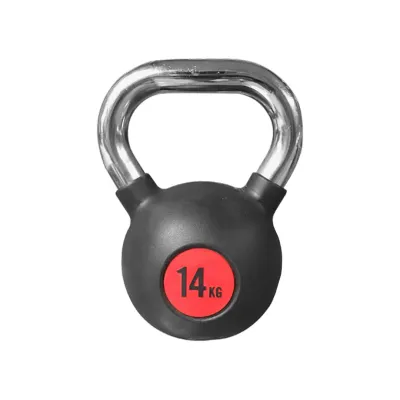
Durability and surface finishes also vary significantly between the two types. Cast iron bells with a high-quality powder coating offer excellent chip resistance and a textured surface that holds chalk well. However, cheaper enamel finishes can chip easily under heavy impact, exposing the raw iron beneath to moisture. Competition kettlebells typically feature a polished, unpainted steel handle paired with a painted steel body. While the steel body is exceptionally resilient to cracking or breaking, the bare steel handle requires regular maintenance to prevent oxidation, especially in humid climates where moisture in the air can quickly trigger surface rust.
Evaluating Handle Ergonomics and Grip Dynamics
Handle geometry is a critical factor when lifting a 20kg weight, as it dictates how comfortably you can control the bell and how quickly your grip will fatigue. Cast iron kettlebells feature a curved, slightly flared handle that widens as it meets the bell’s body. This design provides a generous “window”—the space between the handle and the bell—which easily accommodates two hands. If your workouts frequently include two-handed swings, goblet squats, or overhead presses where both hands grip the handle simultaneously, the spacious design of a cast iron bell is highly advantageous.

Competition kettlebells, on the other hand, utilize a standardized, rectangular handle with a smaller window clearance. The handle runs parallel to the bell’s body and is designed specifically for single-handed use. This rectangular shape prevents your hand from sliding laterally during dynamic movements, keeping the force centered. However, the narrower window makes two-handed grips highly uncomfortable or practically impossible for most lifters. If you attempt two-handed swings with a competition bell, you will likely find your pinky fingers squeezed or forced to grip the outer corners of the handle.
Grip fatigue and texture also differ based on the handle finish. Cast iron handles are coated in the same finish as the rest of the bell, such as powder coat or matte paint, which provides a natural, slip-resistant texture. Competition handles are left as bare, finely sanded steel. This smooth steel surface is designed to hold gym chalk exceptionally well, allowing the handle to rotate smoothly within your palm during high-repetition cleans and snatches. Without chalk, however, a bare steel handle can feel slippery when your hands sweat, making it essential to verify your preferred grip setup before committing to a style.
Navigating Size Consistency and Technique Adaptation
The physical dimensions of your kettlebell play a massive role in developing consistent muscle memory. Because competition kettlebells maintain identical dimensions across all weight increments, the contact point where the bell rests against your forearm in the “rack position” or overhead lockouts never changes. Whether you are training with a lighter warm-up weight or performing a grueling set with your 20kg bell, your wrist alignment, elbow placement, and shoulder insertion remain perfectly consistent. This predictability is highly valued by lifters focusing on technical precision and joint safety.
With cast iron kettlebells, the physical size scales up with the weight. A 20kg cast iron bell is physically larger, wider, and taller than its 12kg or 16kg counterparts. When you transition to a heavier cast iron bell, the change in diameter shifts the center of mass further away from your forearm. This shift alters the leverage and forces your body to adapt its technique to find a comfortable resting position. The larger bell may press against a different part of your forearm, occasionally causing temporary bruising or discomfort as your soft tissues adapt to the new contact point.
These size differences require conscious technique adjustments when switching between styles. The wider body of a 20kg cast iron bell requires a slightly wider stance during swings and cleans to ensure the bell clears your inner knees safely. Conversely, the compact, standardized size of a competition bell allows for a narrower, more efficient stance, which is ideal for conserving energy during long, continuous training sessions. Understanding these spatial dynamics helps you avoid painful forearm impacts and maintain proper spinal alignment throughout your lifts.
Matching the Kettlebell to Your Training Goals
Your choice between these two 20kg kettlebells should ultimately align with your specific fitness programming and training environment. If your routine centers on general strength and conditioning, functional fitness, or high-intensity interval training (HIIT), a cast iron kettlebell is typically the most practical choice. Its design is optimized for foundational movements like heavy two-handed swings, goblet squats, lunges, and Turkish get-ups. Additionally, cast iron bells are highly versatile for general home use, offering a rugged, space-efficient tool that fits easily into a closet or corner.
For those dedicated to Kettlebell Sport (Girevoy Sport) or high-repetition endurance training, a competition kettlebell is indispensable. The sport demands continuous, high-volume sets of snatches, jerks, and long cycles where efficiency of movement is paramount. The standardized dimensions, bare steel handle, and optimized center of mass allow you to refine your technique to a high degree of precision. If you plan to test your endurance or eventually participate in organized lifting events, training with the exact equipment used in competition is essential for realistic preparation.
Practical home gym constraints, such as flooring and budget, also play a role in your decision. In high-rise apartments or shared living spaces, protecting the floor from a heavy 20kg impact is crucial. While both types should always be used over protective rubber matting, cast iron bells are sometimes available with rubber or neoprene-encased bases, which can help dampen noise and protect tiled floors from minor scuffs. Budget-wise, cast iron kettlebells are generally more cost-effective, making them an appealing entry point for recreational lifters, whereas competition steel bells represent a premium investment for dedicated enthusiasts.
Decision Framework: Which 20kg Kettlebell Should You Choose?
To finalize your decision, evaluate your training priorities against the following practical scenarios to determine which 20kg kettlebell best fits your routine.
Choose Cast Iron if:
- Your workouts primarily consist of two-handed swings, goblet squats, and general strength exercises.
- You prefer a textured, coated handle that provides a secure grip without always needing to apply gym chalk.
- You are setting up a budget-friendly home gym and want a highly durable, versatile weight without a premium price tag.
- You appreciate a compact physical size for storage, especially if you plan to use lighter weights alongside your 20kg bell.
Choose Competition if:
- You are training specifically for Kettlebell Sport or focus heavily on single-handed, high-repetition lifts like snatches and cleans.
- You want absolute consistency in your technique, ensuring the bell contacts your forearm in the exact same spot regardless of the weight.
- You prefer a smooth, bare steel handle that rotates easily in your hand and holds chalk exceptionally well.
- You are willing to invest in premium steel construction for long-term durability and precise weight calibration.
Verify First if:
- Your hands are particularly wide; check if your fingers can comfortably fit inside the narrower window of a competition handle for two-handed movements.
- Your training space is prone to high humidity, such as an open garage or balcony, which will require more frequent maintenance of bare steel handles to prevent rust.
- Your local gym or training group has specific equipment standards that mandate a particular style of kettlebell for group classes or testing.
Frequently Asked Questions (FAQ)
Can I mix cast iron and competition kettlebells in the same workout?
Yes, you can mix them, but doing so requires careful attention to your lifting mechanics. Because the handle thickness, window clearance, and overall dimensions differ significantly between the two styles, switching mid-workout can disrupt your muscle memory. For example, moving from a 20kg competition bell to a 20kg cast iron bell will alter how the weight rests against your forearm in the rack position, potentially causing awkward wrist angles or unexpected forearm pressure. If you must mix styles, it is best to separate them by exercise—using the cast iron bell for two-handed lower-body movements and the competition bell for single-handed overhead lifts.
Does the color of a competition kettlebell indicate its weight?
Yes, competition kettlebells follow a standardized international color-coding system established by lifting federations to allow quick visual identification. Under this system, a yellow bell represents 16kg, a purple bell represents 20kg, and a green bell represents 24kg. While reputable manufacturers adhere strictly to these color standards, you should always verify the physical weight markings stamped or engraved on the bell’s body before purchasing. Some budget brands may produce colored bells that do not match official weight standards, or they may use non-standard colors for cast iron models.
Which type is better for outdoor or garage gym use?
Both types can be used outdoors or in garage gyms, but their finishes dictate how much maintenance they require to prevent degradation. Cast iron kettlebells with a high-quality powder coat or neoprene wrap offer excellent protection against moisture and rust, making them highly resilient in non-climate-controlled spaces. Competition kettlebells, with their bare steel handles, are highly susceptible to surface rust when exposed to high humidity or sweat. If you store or use a competition bell in a garage or outdoor area, you must wipe the handle dry after every session and occasionally apply a light coat of 3-in-1 oil or wax to preserve the steel.

Community discussion
Share your experience or ask a question. Comments are reviewed before publication.