
Choosing between a chest strap and a wrist-based heart rate monitor for cycling training comes down to a fundamental trade-off between absolute tracking accuracy and daily convenience. For cyclists who rely on precise zone training, rapid interval sessions, or structured power-to-heart-rate analysis, a chest heart rate monitor remains the gold standard. This is because chest straps measure the heart’s electrical signals directly, providing near-instantaneous updates even during sudden sprints.
On the other hand, wrist-based optical monitors offer a highly convenient, all-in-one solution that is often sufficient for steady-state endurance rides, recovery sessions, and general fitness tracking. Understanding how these technologies perform under real-world cycling conditions will help you determine which device aligns with your training style, comfort preferences, and performance goals.
Understanding Sensor Technology: ECG vs Optical
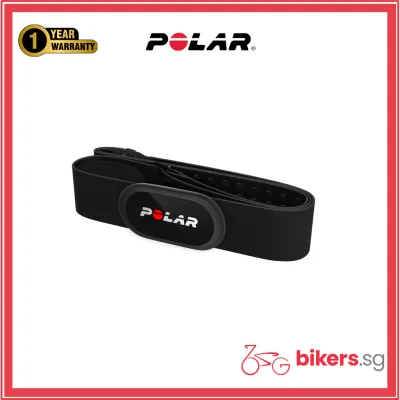
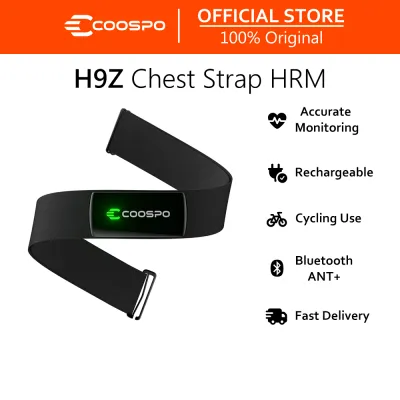
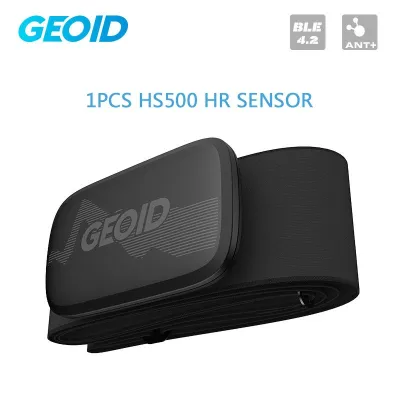
Chest straps use electrocardiography (ECG) to detect the electrical activity of the heart. Every time your heart beats, it generates a small electrical signal that the electrodes on the strap pick up directly from your chest. Because the sensor is positioned close to the heart, the signal path is short and highly direct, allowing the transmitter to capture rapid changes in heart rate with minimal delay. This makes ECG technology highly responsive to sudden physical exertion, such as when you transition from a steady spin to an out-of-the-saddle climb.
Products mentioned in this guide
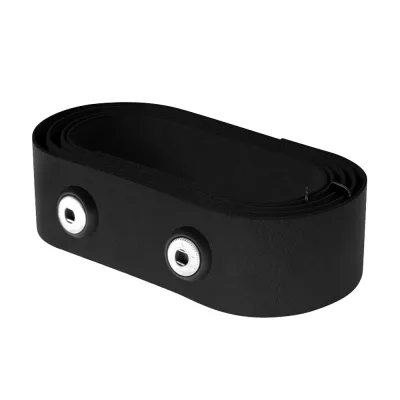
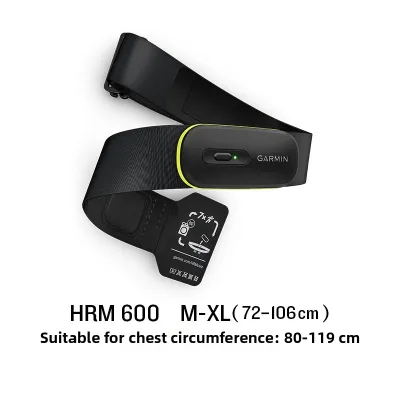
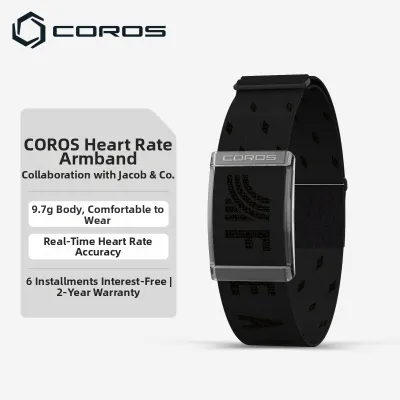
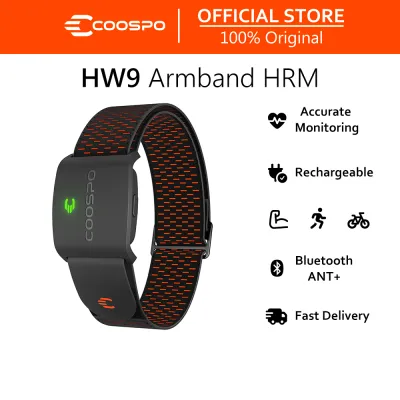
Prices are valid at publication and may change. Please refer to the product page for the latest price.
In contrast, wrist-based monitors rely on photoplethysmography (PPG), which is an optical technology. These sensors shine light (usually green LED light) through your skin to illuminate the underlying blood vessels. A photodetector then measures the changes in light absorption caused by the pulsing flow of blood. Because blood flow takes time to travel from the heart to the extremities, there is an inherent physiological delay in optical readings.
Furthermore, optical sensors are highly sensitive to movement, as any shift in the watch casing can alter the distance between the sensor and the skin, leading to potential reading errors. During exercise, peripheral blood vessels can also constrict due to cold weather or physical stress, which reduces the volume of blood flowing through the wrist. This vasoconstriction makes it harder for optical sensors to detect a clear pulse signal, sometimes resulting in “cadence locking,” where the monitor mistakenly tracks your pedaling cadence instead of your actual heart rate.
Accuracy and Reliability in Cycling Conditions
Cycling presents a unique set of physical challenges for heart rate monitors, particularly regarding upper body posture and road vibration. When you ride, your hands are typically gripping the handlebars, hoods, or drops, which requires constant isometric muscle contraction in your forearms and wrists. This gripping action, combined with wrist flexion, can compress the blood vessels in your wrist and alter the skin-to-sensor contact of a smartwatch. As a result, optical sensors often struggle to maintain a consistent reading during high-intensity intervals, sprints, or sudden accelerations where your grip tightens.

Road vibration from rough asphalt, gravel paths, or mountain bike trails further compounds this issue. Excessive vibration can cause a wrist monitor to bounce slightly against your skin, introducing “noise” into the optical signal. When this happens, the sensor’s algorithms may fail to distinguish between the movement of the watch and the actual pulsing of your blood. This often leads to delayed readings or sudden spikes and drops in your recorded heart rate, which can disrupt your training data if you are trying to stay within a specific target zone.
Chest straps are largely immune to these wrist-specific movements because they are secured tightly around your torso. However, they are not without their own environmental vulnerabilities. A chest strap relies on moisture to conduct the electrical signals from your skin to the electrodes. In dry, cold conditions, or at the very beginning of a ride before you have started to sweat, a chest strap may suffer from signal dropout or display erratic readings. Once you begin to sweat, the conductivity improves, and the readings typically stabilize.
To ensure consistent performance from a chest strap, maintaining proper strap tension is critical. If the strap is too loose, it can slip down your torso during hard efforts or when you bend forward into an aerodynamic position, causing a loss of contact. Conversely, if it is too tight, it can restrict your breathing during deep inhalations. In extreme cold weather, both types of sensors can face challenges; cold temperatures can cause peripheral vasoconstriction that limits wrist blood flow, while dry winter air can dry out the electrodes on a chest strap, requiring manual pre-moistening before you set off.
Comfort and Convenience on the Bike
While accuracy is a primary consideration for performance-focused cyclists, daily comfort and convenience play a significant role in whether you will actually use your monitor consistently. Chest straps must be worn snugly around the chest, just below the pectoral muscles. For some riders, this can feel restrictive, particularly during long endurance rides or in hot, humid climates where sweat accumulation under the elastic band can lead to skin irritation or chafing. The fabric band must also be washed regularly to prevent salt buildup from sweat, which can degrade the elastic fibers and interfere with the electrodes over time.
Wrist monitors, typically integrated into smartwatches or dedicated fitness bands, offer unmatched convenience. There is no extra gear to put on before a ride; you simply tighten the watch strap a notch or two to ensure a snug fit against your skin and head out the door. This makes wrist-based tracking highly appealing for daily commuters, casual riders, and multi-sport athletes who transition quickly between running, swimming, and cycling. Maintenance is also straightforward, requiring only a quick wipe of the optical sensor glass after a ride to remove sweat residue and dust.
However, wearing a wrist monitor can present practical challenges when layering clothing for cold-weather riding. If you wear long-sleeve jerseys, windbreakers, or winter jackets, the watch must either be buried beneath the sleeves—making it difficult to view your real-time data—or strapped over the jacket cuff, which completely blocks the optical sensor from contacting your skin. In contrast, a chest strap sits comfortably beneath all your layers, transmitting data wirelessly to a handlebar-mounted bike computer, allowing you to keep your wrists free and your layers sealed against the wind.
Battery Life and Device Compatibility
Before choosing a heart rate monitor, it is important to verify how the device powers itself and how it connects to your existing cycling electronics. Most chest heart rate monitors are powered by replaceable coin-cell batteries, such as a CR2032. These batteries are highly efficient, often lasting for hundreds of hours of riding time before needing a replacement. This means you rarely have to worry about charging your sensor before a ride. Wrist-based monitors, because they power optical LEDs and color screens, rely on rechargeable lithium-ion batteries that typically require charging every few days or weeks, depending on your usage and GPS settings.
Compatibility is another crucial factor to check before making a purchase. Modern training setups often involve multiple devices, such as a dedicated bike computer on your handlebars, a smartphone in your jersey pocket, or a smart trainer running indoor cycling software on a tablet. To ensure seamless integration, verify that your chosen heart rate monitor supports both ANT+ and Bluetooth wireless protocols. ANT+ is highly reliable for broadcasting to multiple receiving devices simultaneously, while Bluetooth is essential for connecting to smartphones and modern indoor training applications.
When setting up your equipment, take the time to perform a dry run pairing process. Turn on your bike computer or training app, put on your heart rate monitor to activate its transmitter, and search for the sensor within your device’s connection menu. Some older or entry-level monitors may only support a single Bluetooth connection at a time, which can cause connection drops if you try to pair the sensor to both your phone and your bike computer simultaneously. Choosing a monitor with multi-channel Bluetooth or dual ANT+/Bluetooth support will prevent these frustrating pairing conflicts.
Making the Decision: Which Monitor Fits Your Training?
To determine which heart rate monitor is right for your cycling routine, evaluate your specific training style, performance goals, and comfort tolerances. A chest strap is the clear choice if your training revolves around structured interval workouts, power-to-heart-rate tracking, or strict zone-based training where a delay of even a few seconds can affect your pacing. The direct electrical measurement ensures that when you start a hard interval, your recorded heart rate reflects the effort immediately, allowing you to manage your energy output precisely.
Conversely, a wrist-based monitor is highly suitable if you prioritize convenience, general fitness tracking, and everyday wearability. If your rides consist primarily of steady-state endurance miles, casual weekend group rides, or daily commuting, the slight lag and occasional minor inaccuracies of an optical sensor will not significantly impact your overall training analysis. It also serves as an excellent multi-sport tool if you enjoy tracking your steps, sleep, and other daily activities off the bike.
There are, however, specific conditions where neither option may be perfect. If you have highly sensitive skin that is prone to chafing or contact dermatitis from synthetic fabrics and rubber electrodes, a traditional chest strap may cause discomfort. In such cases, an optical arm band worn on the forearm or bicep can serve as a comfortable middle ground, offering better signal stability than a wrist monitor while avoiding the chest restriction. Additionally, if you frequently ride in extreme winter conditions, be prepared to manage the limitations of both peripheral vasoconstriction on wrist sensors and dry-skin conductivity issues on chest straps.
Before finalizing your choice, always verify the compatibility of your existing head unit or smartwatch. Check the manufacturer’s specifications to ensure the sensor can pair with your specific model without requiring proprietary adapters. By matching the sensor technology to your primary riding environment and data needs, you can ensure a reliable tracking experience that supports your long-term cycling progression.
Frequently Asked Questions (FAQ)
Can I use a wrist heart rate monitor for indoor cycling?
Yes, wrist-based optical monitors generally perform much better during indoor cycling sessions than they do on outdoor road or trail rides. Because stationary trainers eliminate road vibrations and the need to constantly steer or brace against bumps, the physical movement of the watch on your wrist is minimized. To get the most consistent readings indoors, slide the watch slightly higher up your forearm—about two fingers above your wrist bone—and tighten the strap so that the optical sensor maintains firm, continuous contact with your skin without restricting blood flow.
Do chest straps require moisture to work properly?
Yes, chest straps require moisture to establish a reliable electrical connection between your skin and the sensor’s electrodes. When the skin and strap are completely dry, the electrical signals generated by your heart cannot pass efficiently to the transmitter, which often leads to erratic readings or complete signal dropouts during the first few minutes of your ride. To prevent this, simply wet the electrode pads on the inside of the strap with a small amount of water or saliva before putting it on. Once you begin riding and start to sweat, your body’s natural moisture will maintain the necessary conductivity.
Community discussion
Share your experience or ask a question. Comments are reviewed before publication.