
A 2-meter resistance band is an exceptionally versatile tool for anyone looking to improve flexibility, recover from strenuous workouts, or perform targeted physical therapy exercises at home. Unlike shorter loop bands that are primarily designed for lower-body activation, a longer 2m band offers the physical length required for full-body stretching and controlled mobility routines. In Singapore, where compact living spaces often limit the use of bulky exercise equipment, these lightweight and highly portable bands provide a practical solution for maintaining physical wellness. Selecting the right band involves understanding how material, tension, and length interact to support your recovery goals.
To get the most out of your recovery routine, it is essential to choose a band that matches your physical height, flexibility level, and specific exercise requirements. A proper selection ensures that you can perform movements with a full range of motion without placing unnecessary stress on your joints or risking sudden equipment failure. By focusing on key material properties and verification steps, you can confidently navigate local online marketplaces to find a durable, high-quality band that fits seamlessly into your daily wellness regimen.
Why a 2-Meter Length Matters for Recovery
The primary advantage of a 2-meter resistance band lies in its ability to facilitate a complete range of motion for full-body stretching. Shorter bands often restrict movement, forcing the user into awkward angles or limiting the stretch before the muscle is fully elongated. With a 2m band, you can comfortably perform overhead shoulder mobility exercises, chest openers, and deep hamstring stretches while maintaining proper spinal alignment. This extra length is particularly beneficial for taller individuals who find standard-length bands insufficient for full-body integration.
Products mentioned in this guide
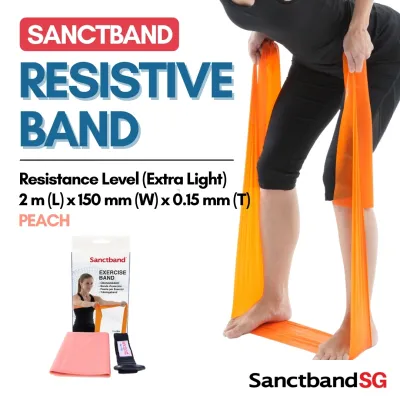
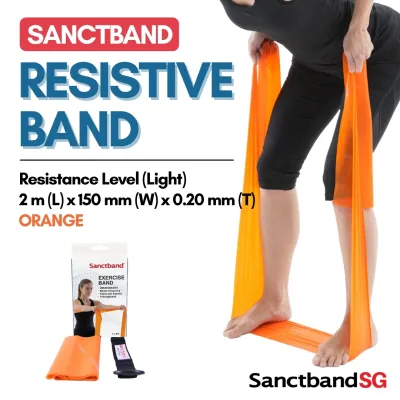
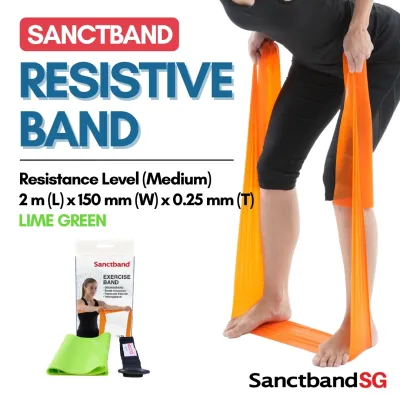
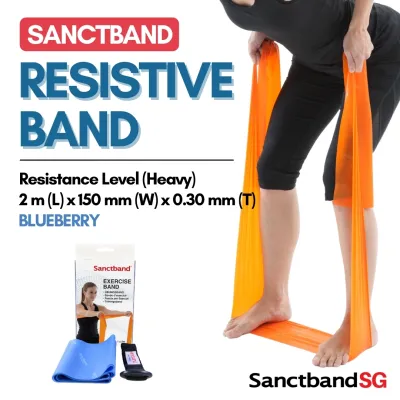
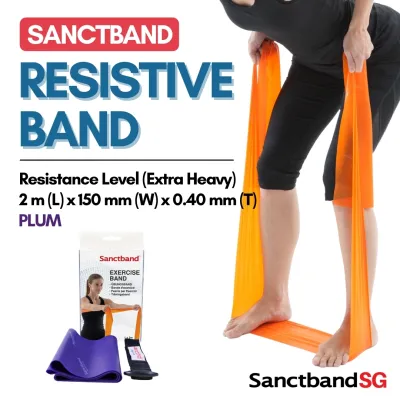
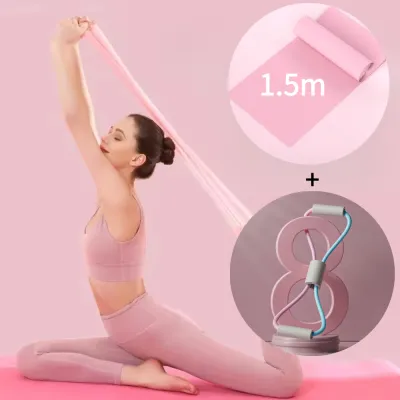
Prices are valid at publication and may change. Please refer to the product page for the latest price.
During post-workout recovery, maintaining slow and controlled movements is crucial for promoting blood flow and reducing muscle soreness. A longer band provides a more gradual increase in tension as it stretches, allowing for smoother transitions between movements. This progressive resistance helps prevent the sudden, jerky resistance spikes common with shorter, thicker bands, which can strain recovering muscles or sensitive joints. By offering a more predictable tension curve, the 2m band allows you to focus entirely on your breathing and alignment.
It is also important to distinguish between continuous 2m loops and open-ended therapy bands, as they serve different recovery purposes. Open-ended flat bands are highly adaptable, allowing you to wrap them around your hands or feet to customize the grip and tension for specific physical therapy exercises. Continuous 2m loops, on the other hand, are ideal for anchoring to sturdy fixtures, enabling assisted stretching routines where the band supports a portion of your body weight. Understanding these structural differences helps you select the exact style required for your recovery goals.
Key Selection Criteria for Stretching Routines
When evaluating 2m resistance bands, the material composition is one of the most critical factors influencing durability, comfort, and performance. Natural latex is highly favored for its exceptional elasticity, smooth stretch profile, and consistent resistance levels. However, latex can trigger allergies in sensitive individuals and can become sticky over time if exposed to moisture. Thermoplastic Elastomer (TPE) serves as an excellent latex-free alternative, offering good elasticity and a smooth texture, though it may exhibit slightly less snap-back resilience over extended use.

Fabric-elastomer blends represent another popular category, particularly for those prioritizing comfort against the skin. These bands combine woven fabric with elastic fibers, preventing the band from rolling up, pinching the skin, or pulling body hair during deep stretches. While fabric bands are highly durable and machine-washable, they generally offer less overall stretch capacity compared to pure latex or TPE. This makes them highly suitable for gentle, supportive stretching but less ideal for exercises requiring extreme elongation.
Resistance grading is another essential consideration, and it is vital to interpret these levels correctly for recovery purposes. Most manufacturers use color-coded systems to indicate tension levels, ranging from extra-light to extra-heavy. For stretching and rehabilitation, light to medium resistance is almost always preferred, as the goal is to assist the movement rather than build muscular strength. Because color coding is not standardized across different brands, you should always verify the actual tension range, typically measured in kilograms or pounds, provided in the product specifications.
| Material Type | Key Advantages | Best Suited For | Care Considerations |
|---|---|---|---|
| Natural Latex | Maximum elasticity, smooth tension curve | Deep stretching, precise mobility work | Keep away from direct sunlight; check for latex allergies |
| TPE (Latex-Free) | Hypoallergenic, smooth texture, lightweight | General recovery, light physical therapy | Avoid high-heat storage; inspect regularly for micro-tears |
| Fabric Blend | Comfortable on skin, does not roll or pinch | Gentle stretching, supportive mobility | Wash regularly; allow to air dry completely to prevent mildew |
The physical form factor of the band should align with your intended exercises. Flat, wide therapy bands are excellent for wrapping around the arches of your feet during hamstring stretches, distributing pressure evenly to avoid discomfort. Tubular bands with integrated or attachable handles offer a secure grip for upper-body mobility work, making them easier to hold for individuals with limited grip strength. Continuous flat loops are highly versatile for anchoring to heavy furniture or door frames, allowing for hands-free stretching variations.
Building Your Shortlist on Local E-commerce Platforms
Shopping for resistance bands on local e-commerce platforms in Singapore requires a careful eye to avoid common sizing and quality pitfalls. One of the most frequent issues is the confusion between a band’s resting length and its maximum stretched length. A true 2m recovery band should measure approximately 2 meters in its relaxed, unstretched state. Some product listings may advertise a “2m capacity,” which actually refers to a shorter band that can stretch up to 2 meters; always read the detailed specifications to confirm the resting dimensions.
If your recovery routine involves anchoring the band to a door or a heavy piece of furniture, check whether the necessary accessories are included in the package. A dedicated door anchor is highly recommended for home workouts in Singapore, as it allows you to secure the band safely at various heights without damaging your doors or walls. Padded handles and ankle straps can also expand the variety of stretching exercises you can perform, so look for comprehensive bundles if you do not already own these accessories.
To ensure you are purchasing a safe and reliable product, look for sellers who provide detailed technical specifications rather than generic marketing descriptions. Reliable listings will include clear tension charts, precise material compositions, and safety certifications where applicable. Reading customer reviews can also provide valuable insights into the band’s real-world durability and texture, helping you avoid products that degrade quickly or have an unpleasant chemical odor right out of the packaging.
Safe Usage, Inspection, and Maintenance
Before beginning any stretching session, performing a quick visual inspection of your resistance band is a crucial safety habit. Over time, all elastic materials develop micro-tears, especially if they are frequently stretched near their limits or anchored against rough surfaces. Hold the band up to the light and gently stretch it in sections to check for tiny cracks, discoloration, nicks, or thinning areas. If you detect any signs of wear, replace the band immediately to prevent it from snapping unexpectedly during a stretch.
Singapore’s tropical climate, characterized by high humidity and warm temperatures, can accelerate the degradation of latex and TPE materials. To maximize the lifespan of your bands, store them in a cool, dry place away from direct sunlight, which can cause the material to become brittle and crack. Avoid leaving your bands on balconies, in hot vehicles, or in damp bathrooms. Storing them in a breathable mesh pouch inside a drawer or closet is an excellent way to protect them from environmental wear.
Proper cleaning is also essential for maintaining hygiene and preserving the integrity of the material. After a sweaty workout, wipe down latex or TPE bands with a damp cloth using mild soap and water, then allow them to air dry completely in the shade. Avoid using harsh chemical cleaners, alcohol-based sanitizers, or direct heat sources like hair dryers, as these can break down the elastic compounds. For fabric bands, follow the manufacturer’s washing instructions, typically involving a gentle machine wash and air drying.
Frequently Asked Questions (FAQ)
Can I use a standard 2m recovery band for heavy strength training?
Standard 2m recovery bands, especially flat therapy bands, are designed specifically for low-tension mobility, flexibility, and rehabilitation exercises. They are typically much thinner than strength-training bands and are not built to withstand the high-velocity forces or heavy loads associated with compound strength exercises. Attempting to use a thin recovery band for heavy resistance training, such as assisted pull-ups or high-load chest presses, can easily exceed its structural limits, leading to sudden snapping and potential injury.
If your fitness goals include both recovery and heavy strength training, it is best to invest in separate, dedicated equipment. Heavy-duty continuous loop bands, which are significantly thicker and wider, are engineered specifically to handle high tension and support body weight during strength exercises. Using the correct tool for each activity ensures both your safety and the longevity of your equipment.
How do I know if my 2m band has lost its elasticity and needs replacing?
A resistance band that has lost its elasticity will exhibit several clear, observable signs of degradation. You may notice that the band no longer returns to its original resting length after being stretched, appearing permanently elongated or warped. Additionally, latex bands may develop a sticky texture, a powdery white residue, or visible micro-cracks along the edges when stretched slightly. TPE bands may show signs of thinning or stiffness, losing their characteristic pliable feel.
Using a degraded band poses a significant safety risk, as the material can snap under tension, potentially striking your face, eyes, or joints. If you notice any loss of snap-back, changes in texture, or visible wear, you should retire the band immediately. Regularly replacing your recovery bands, typically every six to twelve months depending on usage frequency, is a simple and effective way to maintain a safe home workout environment.

Community discussion
Share your experience or ask a question. Comments are reviewed before publication.