
Setting up a home gym in a Singapore Housing & Development Board (HDB) flat requires a careful balance of space efficiency, noise control, and structural safety. When selecting a 5kg weight plate, the decision is not merely about finding the cheapest option, but identifying the material and design that align with your flooring, storage limits, and training style. Because 5kg plates are often the most frequently handled pieces of equipment for warm-ups, progressive overload, and accessory work, choosing the wrong type can lead to cracked floor tiles, noise complaints from downstairs neighbors, or compatibility issues with your barbell. By understanding the unique constraints of public housing and comparing the available materials, you can build a safe, effective, and neighbor-friendly workout space.
Key Selection Criteria for HDB Home Gyms
HDB flats are multi-story concrete structures where impact noise and structural vibrations travel easily through floors and walls. Most HDB flats feature concrete floor slabs covered by screed and finished with materials like vinyl, ceramic tiles, or parquet. Dropping even a light 5kg weight plate directly onto these surfaces can cause immediate cosmetic or structural damage, such as cracked tiles or dented wood. Therefore, noise dampening and impact absorption must be your primary considerations when planning your setup. You must think about how to minimize the sound of metal clanging and the thud of weights hitting the floor to maintain a peaceful relationship with your neighbors.
Floor space is another critical constraint in modern HDB layouts, where spare rooms or living areas are often multi-functional. Whether you are setting up in a spare bedroom, a living room corner, or a household shelter, every square meter counts. You must evaluate how much physical space you have not just for storing the plates, but for safely loading them onto a barbell and executing your lifts without hitting walls, wardrobes, or glass doors. A plate that is too bulky can restrict your movement and increase the risk of accidental collisions during dynamic exercises.
Products mentioned in this guide
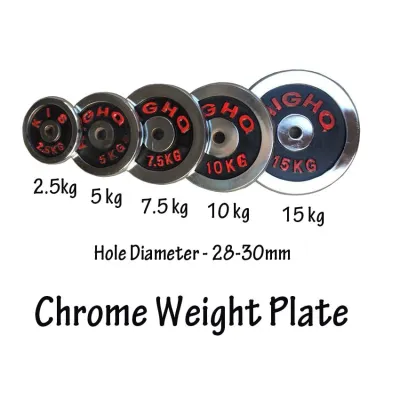
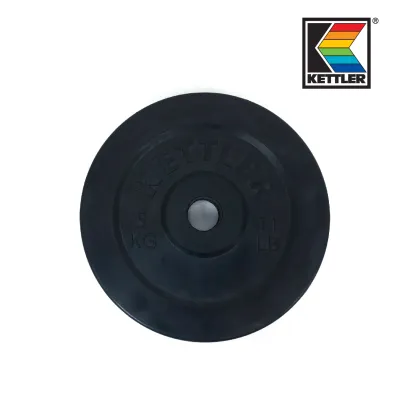
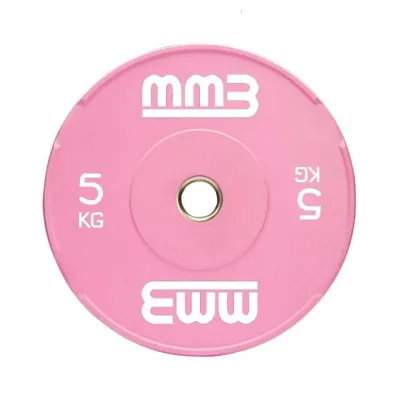
Prices are valid at publication and may change. Please refer to the product page for the latest price.
Finally, you must balance upfront costs against long-term durability and floor protection. While budget-friendly options are appealing, plates that degrade quickly or damage your flooring will cost more in repairs over time. Investing in appropriate floor protection, such as high-density rubber mats or crash pads, is just as important as the plates themselves. When planning your budget, view the weight plates and the floor protection as a single, integrated system rather than separate purchases. This holistic approach ensures that your home gym remains functional and safe without causing unexpected property damage.
Comparing 5kg Weight Plate Materials
Bare cast iron plates are the traditional choice for strength training and are highly favored by purists. They are exceptionally durable, virtually indestructible under normal use, and feature a very slim profile. This thinness allows you to fit more weight onto a barbell sleeve, which is excellent for progressive overload. However, bare iron has zero impact absorption. If bumped against the floor or another plate, it produces a loud, metallic clanging that can easily disturb neighbors in a quiet HDB block. To use bare cast iron in a flat, you must implement strict floor protection measures, such as thick rubber platform tiles, and practice controlled lowering on every single repetition.

Rubber-coated plates, including rubber bumper plates and rubber-encased grip plates, offer a practical middle ground for home gyms. The rubber exterior acts as a protective barrier, significantly reducing the sharp noise of metal-on-metal contact and lowering the risk of scratching your floors. However, rubber quality varies widely across different price points. Low-grade recycled rubber can emit a strong, chemical odor that is highly unpleasant in a small, enclosed HDB room. Before purchasing, it is wise to check manufacturer specifications and user reviews regarding initial odor and the long-term durability of the rubber coating, as cheap rubber can split or peel over time.
Additionally, 5kg bumper plates require special consideration. Because they share the same 450mm diameter as heavier bumper plates but are very thin, they are highly susceptible to bending or “tacoing” if dropped on their own. If you plan to drop weights, verify that the 5kg bumper plates are constructed with high-density rubber or reinforced cores, and avoid dropping them without heavier plates loaded alongside them.
Polyurethane (PU) plates represent the premium tier of weight plate materials. PU is highly dense, extremely durable, and virtually odorless compared to standard rubber. It resists scratches, tears, and degradation from sweat and humidity, making it well-suited for Singapore’s warm, humid climate. While PU plates carry a higher upfront price tag, they offer superior longevity and a cleaner aesthetic. When considering PU plates, verify the manufacturer’s drop-test ratings and density specifications to ensure they meet your performance expectations.
Space, Storage, and Handling in Small Flats
In a compact HDB flat, storage efficiency is paramount. The physical dimensions of your 5kg plates—specifically their diameter and thickness—will dictate how and where you can store them. Standard 5kg bumper plates typically have a uniform Olympic diameter of 450mm, which makes them quite large and bulky to store under a bed or in a tight closet. In contrast, 5kg cast iron or rubber-coated grip plates have a much smaller diameter, making them easier to tuck away in a drawer, a compact weight tree, or a dedicated storage rack.
Handling safety is another crucial factor. Look for plates with integrated grip holes, often referred to as tri-grip or dual-grip designs. These cutouts make it significantly easier and safer to pick up the plates from the floor, carry them across the room, and load them onto a barbell without slipping. In tight spaces where you may be maneuvering around furniture, a secure grip reduces the risk of accidentally dropping a plate on your toes or your flooring.
Planning a dedicated storage zone is essential to maintain a safe, clutter-free workout environment. Leaving weight plates scattered on the floor creates tripping hazards and increases the risk of accidental impacts. Furthermore, Singapore’s high relative humidity can accelerate rust on exposed metal parts, such as the inner steel rings of bumper plates or bare iron surfaces. Store your plates in a dry, well-ventilated area, off the floor, and consider using a compact weight tree to keep your training space organized and safe.
When choosing between vertical and horizontal storage, consider your floor space. Vertical weight trees are highly efficient because they utilize vertical space, keeping the footprint minimal. However, you must ensure the stand is stable and positioned against a wall to prevent tipping. If you prefer to keep your equipment completely out of sight, opt for smaller-diameter grip plates that can easily slide into low-profile storage containers under your bed or sofa.
Building Your Shortlist Based on Workout Needs
To narrow down your options, start by matching the plate type to your primary lifting style. If your training consists of Olympic weightlifting or functional fitness movements where weights are frequently dropped, bumper plates are a necessity, though you will still need substantial floor protection. For general strength training, powerlifting, or accessory workouts where lifts are controlled and lowered slowly, compact grip plates (either rubber-coated or PU) are often more practical and space-efficient. Ensure the plate thickness matches your barbell’s sleeve length so you have ample room for collars.
Next, establish a realistic budget that accounts for the total cost of ownership. This includes not just the price of the plates, but also local shipping fees or potential import charges from online marketplaces. Because weight plates are heavy, shipping costs can add up quickly. Look for local distributors or online sellers offering reasonable domestic delivery rates to keep your overall expenses manageable.
Before finalizing your purchase, verify the seller’s warranty terms, return policies, and customer support channels. A reputable seller should offer a clear warranty against manufacturing defects, such as loose center sleeves or cracked coatings. Knowing you can easily return a defective item provides peace of mind, especially when buying heavy equipment online where return shipping can otherwise be prohibitively expensive.
Additionally, consider your long-term fitness goals. If you plan to progress to heavier lifts in the future, investing in Olympic-sized plates (50mm center hole) from the start is highly recommended. While standard 25mm or 30mm plates are often cheaper upfront, they limit your upgrade path, as most high-quality barbells and heavy-duty power racks are designed exclusively for Olympic-sized equipment. Starting with the right standard saves you from having to replace your entire collection later.
Pre-Purchase Checklist and Safety Checks
Before clicking the checkout button, perform these essential checks to ensure compatibility and safety:
First, measure your barbell sleeve diameter. Olympic barbells require plates with a 50mm (approximately 2-inch) center hole, while standard barbells use plates with a 25mm to 30mm (approximately 1-inch) center hole. Purchasing the wrong size will render the plates unusable with your existing bar.
Second, inspect product images, specifications, and customer feedback for quality indicators. Look out for reports of sharp edges on cast iron plates, uneven casting, or poorly bonded rubber coatings that might peel. Smooth finishes and secure center rings are vital for safe handling and smooth loading.
Third, confirm the exact weight tolerance specified by the manufacturer. High-quality plates typically have a tolerance of +/- 1% to 3% of the stated weight. Additionally, double-check the shipping weight and the retailer’s return window to ensure you are fully prepared for the delivery process.
Finally, verify that your floor protection is adequate for the specific plates you choose. If you opt for cast iron, ensure you have at least 20mm of high-density rubber flooring. For rubber-coated or bumper plates, a minimum of 15mm of flooring protection is recommended to safeguard your HDB flat’s screed and tiles.
Frequently Asked Questions (FAQ)
Can I drop rubber-coated 5kg plates on HDB flooring?
No, you should not drop rubber-coated 5kg plates directly onto HDB flooring. While the rubber coating provides minor noise reduction and scratch protection, it does not absorb enough impact force to protect the underlying concrete slab or ceramic tiles from cracking. Dropping weights also transmits significant vibrations through the building structure, which will disturb your neighbors. Always use thick rubber gym mats or specialized crash pads, and practice controlled lowering to ensure safety and maintain neighborly harmony.
Do 5kg plates fit all standard barbells?
No, 5kg plates do not fit all barbells universally. Weight plates are manufactured with different center hole sizes to match specific barbell types. Olympic plates have a 50mm center hole designed for Olympic barbells, while standard plates have smaller holes (typically 25mm or 30mm) designed for standard home gym bars. Always measure your barbell’s sleeve diameter or consult the manufacturer’s specifications before purchasing to ensure a perfect fit.

Community discussion
Share your experience or ask a question. Comments are reviewed before publication.