
Selecting a beginner-friendly fishing rod bag for a 210cm (2.1-meter) rod in Singapore requires balancing transport convenience, protection, and climate resistance. Whether you are heading to Bedok Jetty, a local reservoir, or a paypond, your rod bag must accommodate the physical configuration of your setup while shielding it from high humidity and sudden tropical downpours. For beginners, the ideal bag is one that matches your specific travel method—whether that is taking the MRT, riding a motorcycle, or driving—without requiring a massive financial investment.
Why Exact Sizing Matters for 210cm Rods
A 210cm rod (approximately 7 feet) is a highly versatile length for local angling, but its storage needs depend entirely on its construction. If you own a one-piece 210cm rod, you will need a bag with an internal length of at least 215cm to allow for comfortable clearance. If your rod is a two-piece model, it breaks down into two sections of roughly 105cm to 110cm each, meaning you can look for a much more compact bag in the 110cm to 120cm range.
Forcing a rod into a bag that is even slightly too short puts constant pressure on the delicate tip and the guide rings. The tip is the most fragile part of any fishing rod, and a tight fit can cause it to snap during transit or when zip-closing the bag.
Products mentioned in this guide
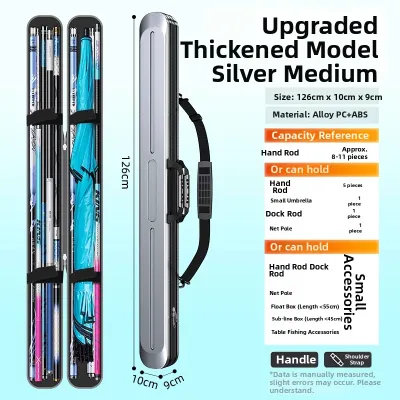
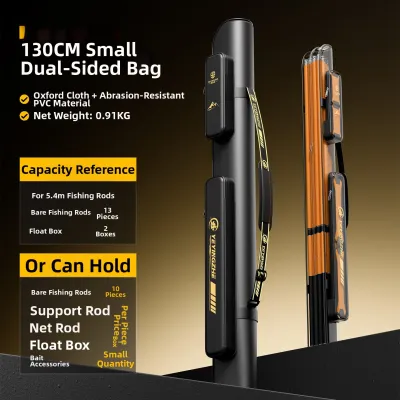
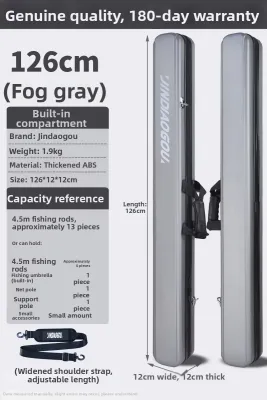
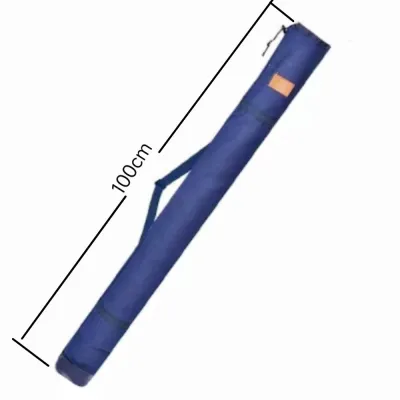
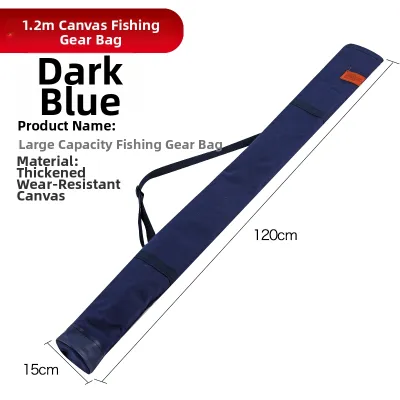
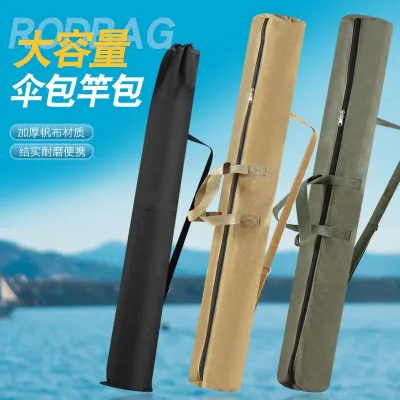
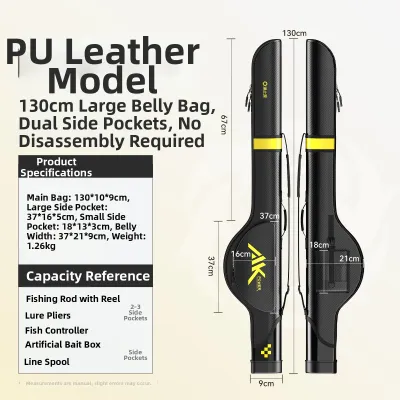
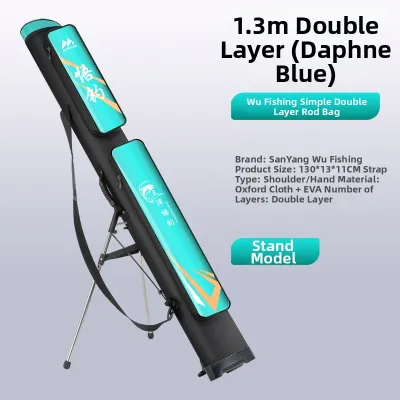
Prices are valid at publication and may change. Please refer to the product page for the latest price.
Furthermore, if you plan to transport your rod with the reel attached (often called a “rod and reel combo” bag), you must account for the extra bulk. A standard slim sleeve will not close over a mounted spinning or baitcasting reel. You will need a bag designed with an expanded reel pouch, and you must verify that this pouch aligns with where your reel sits on the rod handle.
Spinning rods and casting rods also have different profiles that affect how they fit into a bag. Spinning rods typically feature much larger stripper guides (the first guide closest to the reel seat) to handle the wide loops of line coming off a spinning reel. These larger guides require a bag with a wider mid-section profile to prevent the guides from being bent sideways under pressure.
Always check the manufacturer’s listed internal dimensions rather than the external dimensions. External measurements often include bumpers, handles, or decorative stitching, which can shave off several centimeters of actual usable space inside the bag.
Must-Have Features in Entry-Level Rod Bags
Beginners do not need to spend a fortune on professional-grade travel cases, but certain protective features are non-negotiable. Look for bags that feature high-density foam padding. Even a modest 5mm to 10mm layer of foam provides a crucial buffer against accidental bumps when navigating narrow corridors, lift lobbies, or crowded pathways.

Singapore’s tropical climate presents unique challenges for fishing gear. High humidity and saltwater spray accelerate rust and mold. Ensure the bag is constructed from water-resistant fabrics such as heavy-duty nylon or polyester with a PVC backing. These materials prevent water from seeping through during sudden afternoon showers.
When evaluating fabrics, look for the Denier (D) rating, which measures the thickness of the individual threads. A bag made of 600D or 1200D polyester offers excellent puncture resistance, which is highly beneficial when carrying sharp hooks or walking through thorny coastal brush.
Zippers are often the first point of failure on entry-level bags. Saltwater corrosion can seize metal zippers within weeks. Prioritize bags equipped with heavy-duty plastic zippers or treated, rust-resistant alloy sliders. Large, oversized zipper teeth are also less likely to jam with sand or salt crystals.
A reinforced base panel is another essential feature. When you stand your bag upright on concrete jetties or rocky shores, the bottom takes the brunt of the wear. A rubberized or hardened plastic base prevents water from seeping up from wet ground and protects the rod tips or butts from impact.
Finally, look for adjustable, padded shoulder straps. Carrying your gear from the nearest car park or bus stop to your fishing spot can be tiring. A wide, well-padded strap distributes the weight evenly across your shoulder, leaving your hands free to carry bait buckets or tackle boxes.
Rod Bag Styles to Consider for Your Fishing Trips
Your choice of bag style should align directly with how you travel to your fishing destinations.
Soft Padded Rod Sleeves: These are lightweight, flexible, and highly portable. They are excellent if you primarily travel by car or private hire vehicles, where your gear is safe from being crushed by other commuters. Soft sleeves are easy to store at home because they can be folded or rolled up when empty. However, they offer minimal protection against heavy impacts or bending forces.
Hard-Shell Rod Tubes: If you rely on public transport like the MRT or public buses, a hard-shell tube is highly recommended. These tubes are typically made of rigid plastic or heavy-duty cardboard wrapped in protective fabric. They prevent your rod from being crushed in crowded trains or when stacked under other luggage. Hard-shell cases are also ideal if you have to walk through dense vegetation or rocky coastal areas where falls are possible.
Rod Backpacks with Tackle Storage: For anglers who prefer a mobile, hands-free approach—such as walking along reservoir banks or casting at various spots along the coast—a rod backpack is a highly functional option. These bags feature external straps or side pockets designed to hold your 210cm rod (usually broken down if it is a multi-piece rod) while the main compartment houses your tackle trays, water bottle, and personal items. This setup keeps your gear consolidated and makes moving between spots seamless.
If you ride a motorcycle or bicycle to your fishing spots, a sling-style bag that sits diagonally across your back is essential. Ensure the bag has a chest strap to keep it from shifting while you ride, which could otherwise affect your balance and safety on the road.
Budgeting and Buying Channels in Singapore
Setting realistic budget expectations helps you avoid overpaying for features you do not need. For entry-level soft padded sleeves, expect to spend between S$15 and S$40. These provide basic scratch and light impact protection. Hard-shell rod tubes and multi-compartment rod backpacks generally range from S$40 to S$100, depending on the brand, material quality, and storage capacity.
While online shopping offers convenience, visiting a local tackle shop in Singapore is highly beneficial for beginners. Areas like Beach Road have a high concentration of traditional tackle shops where you can physically inspect the gear. Physical shops allow you to bring your actual 210cm rod to test the fit inside the bag. You can check if the zippers glide smoothly, feel the thickness of the padding, and assess the comfort of the shoulder straps. Staff at local shops can also offer practical advice based on where you plan to fish.
If you choose to purchase from an online marketplace or ecommerce platform, take time to verify seller ratings and read customer reviews. Look for reviews that specifically mention the actual length of the bag and how well it accommodates rods of similar sizes. Ensure the seller has a clear return or exchange policy in case the bag arrives with manufacturing defects or does not match the advertised dimensions.
Packing and Maintenance Tips for Your Gear
Proper maintenance of both your rod and your bag ensures your gear remains in good condition for years. Never pack a wet rod or reel directly into a closed bag for long-term storage. After a fishing trip, especially in saltwater environments, rinse your rod and guides with fresh water and let them dry completely before placing them in the bag. Trapping moisture inside a dark, warm bag creates a perfect environment for mold to grow and can cause metal components on your reel and rod guides to corrode.
Before sliding your rod into the bag, secure all loose lures, hooks, and sinkers. A loose hook can easily snag the inner lining of the bag, causing tears or making it difficult to extract your gear. Use hook keepers on your rod or remove the lures entirely and store them in a dedicated tackle box.
When storing your rod bag at home, choose a cool, dry location away from direct sunlight. Prolonged exposure to UV rays can degrade the synthetic fabrics, weaken the stitching, and dry out plastic components, making them brittle. Hanging the bag vertically from a hook in a closet or utility room is an excellent way to keep it clean and out of the way.
Frequently Asked Questions (FAQ)
Can I use a 210cm bag for a 190cm rod?
Yes, you can use a 210cm bag for a shorter 190cm rod, and this extra space can be useful if you plan to upgrade to a longer rod in the future. However, because the bag is longer than the rod, the rod may slide back and forth during transit. To prevent the rod tip from hitting the end of the bag and potentially breaking, look for a bag with internal hook-and-loop straps to secure the rod blank in place, or wrap the rod in a soft cloth to fill the extra space.
Do I need a hard case if I only fish from the shore?
Not necessarily, but it depends on how you get to the shore and the nature of the shoreline. If you drive directly to a sandy beach or a paved jetty, a soft padded bag is usually sufficient. However, if you travel by public transport, ride a motorcycle, or have to scramble over slippery granite breakwaters and rocky shores, a hard-shell case provides essential protection against accidental drops, slips, and crushing forces.
How do I clean a rod bag after a saltwater fishing trip?
To clean your rod bag, wipe down both the exterior and interior with a damp cloth and mild, diluted dish soap to remove salt residue, sand, and dirt. Avoid using harsh chemical solvents, bleach, or putting the bag in a washing machine, as these can strip away water-resistant coatings, damage the internal padding, and weaken the stitching. Allow the bag to air dry completely in a shaded, well-ventilated area before zip-closing or storing it.
Community discussion
Share your experience or ask a question. Comments are reviewed before publication.