
Integrating a foldable bicycle into your daily Singapore MRT commute is an excellent way to solve the first-and-last-mile connection between your home, the station, and your workplace. However, navigating crowded train stations, passing through narrow fare gates, and boarding packed carriages during peak hours requires a bicycle designed specifically for these environments. Not every folding bike is suited for the fast-paced flow of public transit, and choosing the wrong model can lead to physical strain or friction with fellow commuters.
To make multi-modal commuting practical, you must evaluate how a bicycle’s physical specifications align with both your personal physical capabilities and the strict operational realities of the transit network. Balancing portability, folding speed, and ride quality ensures that your transition from the road to the rail is seamless and stress-free.
Understanding Transit Rules and Space Constraints
Before purchasing a foldable bicycle, your first step should be verifying the current official size limits set by the Land Transport Authority (LTA). Public transport networks enforce strict maximum dimensions for personal mobility devices and foldable bikes to ensure they do not block walkways or emergency exit paths. Measuring your prospective bicycle in its fully folded state—including protruding pedals, kickstands, and handlebars—is crucial to avoid being turned away at the station gantry.
Products mentioned in this guide
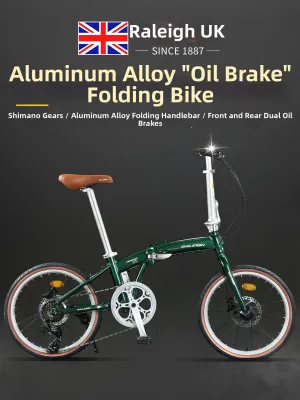

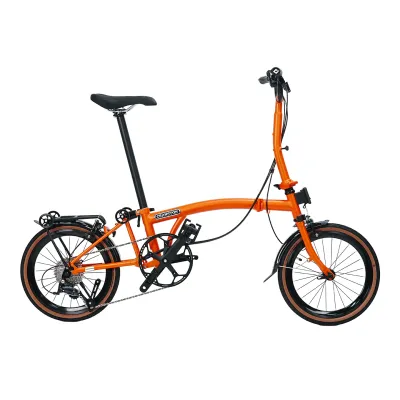
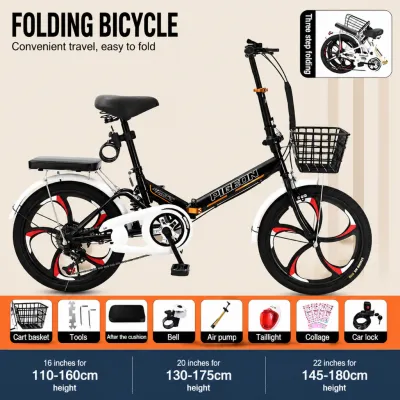
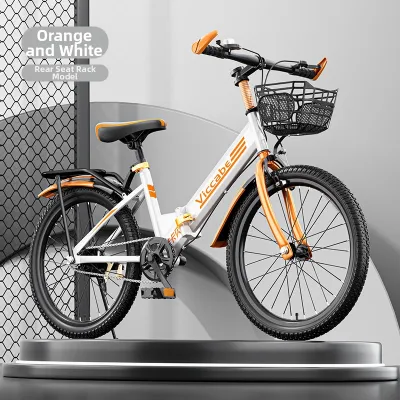
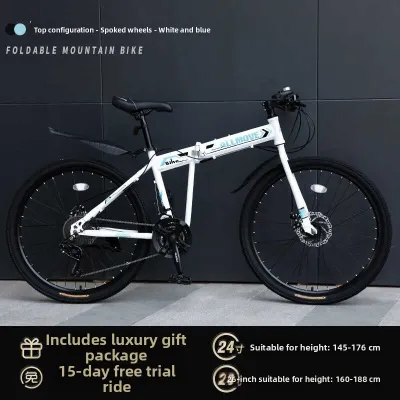
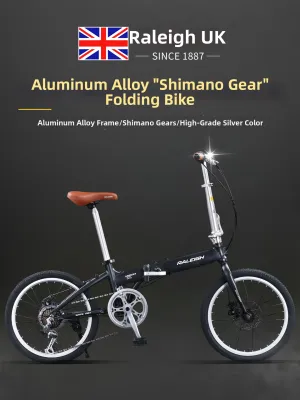
Prices are valid at publication and may change. Please refer to the product page for the latest price.
The physical layout of MRT stations presents several spatial challenges that your bicycle must navigate. Standard fare gates are relatively narrow, meaning a wide or awkwardly shaped folded bike might require you to use the wider side gates, which are not always immediately accessible. Escalators, lifts, and tight train carriage corners also demand a compact footprint so you can stand comfortably without obstructing the flow of other passengers.
Peak-hour travel introduces additional social and physical constraints. While folded bicycles are generally permitted on trains and buses at all times, the high density of commuters during morning and evening rushes means space is at a premium. You must keep your bicycle fully folded and secured close to your body throughout your time in the station and on the train.
Cleanliness is another vital consideration when bringing a bicycle into a shared public space. Exposed chains, greasy gears, and dirty tires can easily rub against other passengers’ clothing or soil station floors and train seats. Planning for these situations by choosing a bike with protective features or carrying a clean cover is essential for maintaining transit etiquette.
Evaluating Core Specifications for Station Transitions
When assessing a foldable bicycle for daily transit use, the folded dimensions serve as the primary constraint. A bike that folds into a neat, boxy profile is significantly easier to manage than one that remains long or has protruding parts. Compare the folded width and height against standard transit gate clearances to ensure you can walk through smoothly without scraping the frame or the barrier.

Total weight directly impacts how much energy you expend during your daily commute. While many MRT stations feature lifts and escalators, you will inevitably encounter stairs, platform gaps, or situations where you must lift the bicycle quickly to clear a path. Evaluate your own physical lifting capacity and consider how carrying a package weighing between 9 kg and 14 kg will feel after a long day of work.
The folding mechanism and its operational speed are critical when transitioning from riding to walking at a busy station entrance. A complex folding process that requires multiple tools or takes several minutes can cause pedestrian bottlenecks and increase your commuting stress. Look for intuitive, quick-release clamps with clear locking indicators that allow you to fold the frame in under twenty seconds without blocking the flow of foot traffic.
Finally, analyze the bicycle’s handle placement and overall balance when folded. Some models are designed with a balanced center of gravity, allowing you to carry them comfortably by the main frame tube or a dedicated handle. Other designs allow you to roll the folded bike on its own wheels or auxiliary wheels, which greatly reduces the need to lift the bike and minimizes physical fatigue on long station transfers.
Balancing Ride Comfort and Portability
Choosing a foldable bicycle involves a direct trade-off between how well it rides and how easily it folds. Wheel size is the most significant factor influencing this balance. Smaller wheels, such as 14-inch or 16-inch options, allow for an incredibly compact fold that easily fits under train seats, but they offer less stability and a bumpier ride over road imperfections. Larger 20-inch wheels provide a smoother, more stable ride over drainage grates and curb transitions, but they result in a bulkier folded package that is harder to manage in crowded carriages.
Frame stiffness and hinge quality are critical for both safety and riding efficiency. Because foldable frames rely on central hinges, any play or flex in these joints can waste your pedaling energy and make the bike feel unstable at speed. Inspect the hinge designs to ensure they feature robust locking levers and secondary safety catches that prevent accidental unfolding while riding.
Your choice of gearing system should match the topography of your specific commuting route. Single-speed bicycles are lighter, mechanically simpler, and require less maintenance, making them ideal for flat park connectors and short station runs. However, if your route involves climbing overhead bridge ramps or navigating hilly terrain, a multi-gear system with a compact derailleur or an internal gear hub will provide the necessary versatility, albeit at the cost of slightly more weight.
Tire clearance and puncture resistance are your primary defenses against unexpected delays. Commuting on a tight schedule leaves little room for roadside repairs, making durable tires with built-in puncture protection layers highly desirable. Verify whether the frame can accommodate slightly wider tires, which can run at lower pressures to absorb road vibrations and provide better grip on wet tropical asphalt.
Essential Accessories for Clean and Convenient Travel
Equipping your foldable bicycle with the right accessories can dramatically improve your commuting experience and protect both your gear and your fellow passengers. Full-coverage mudguards are indispensable for Singapore’s sudden tropical downpours, preventing wet road grime and dirty water from spraying onto your work clothes. Similarly, a built-in chain guard or a belt-drive system keeps grease away from your trousers and prevents accidental stains on transit surfaces.
A lightweight, packable carrying bag or slipcover is highly beneficial for compliance with transit etiquette. Many commuters use simple, open-bottom slipcovers that can be quickly dropped over the folded bike, concealing the mechanical parts while still allowing the wheels to roll on the station floor. When not in use, these covers should fold down small enough to be strapped to your saddle or tucked into a small backpack.
Safety on the road requires adequate visibility, especially during early morning or late evening commutes. High-quality, USB-rechargeable front and rear LED lights should be mounted in positions where they remain visible even when the bike is partially folded or loaded with bags. Reflective strips on the frame or tires further enhance your profile to motorists and pedestrians near station drop-off points.
Lastly, consider how you will secure your bicycle if you need to step away from it briefly. While the main advantage of a foldable bike is keeping it with you, having a compact, lightweight lock allows you to secure the frame to a rack if you need to enter a convenience store or use a station restroom. Look for integrated frame locks or compact folding locks that do not add excessive bulk to your setup.
Frequently Asked Questions (FAQ)
Can I ride my foldable bicycle inside the MRT station premises?
No, riding any bicycle inside MRT station premises—including the outdoor concourses, underpasses, linkways, and platforms—is strictly prohibited. You must bring your bicycle to a complete stop and fold it fully before passing through the station entrance or fare gates. Keep the bicycle folded at all times while inside the station and on the train, and only unfold it once you have fully exited the station building at your destination. Always follow the instructions of station staff and pay attention to local safety signage.
Do I need a specific cover or bag to bring my bike on the train?
While transport guidelines do not always mandate a fully enclosed bag if your bicycle is clean and dry, using a slipcover or bag is highly recommended for crowded commutes. A cover acts as a protective barrier that prevents grease from the chain and dirt from the tires from transferring onto other passengers’ clothing or station fixtures. Many manufacturers offer lightweight, custom-fit covers that attach directly to the bike frame, making them easy to deploy just before you enter the station.
Community discussion
Share your experience or ask a question. Comments are reviewed before publication.