
Finding a reliable foldable bike stand for Park Connector Network (PCN) rides requires balancing portability with the stability needed for trailside maintenance. Whether you are fixing a slipped chain, adjusting a derailleur, or changing a flat tire, the right portable workstand keeps your bike secure and your hands free. This guide outlines how to evaluate foldable stands based on your specific repair needs, carrying capacity, and frame compatibility, ensuring you choose a practical tool for on-the-go cycling maintenance.
Singapore’s extensive PCN offers scenic, well-paved routes, but a mechanical breakdown miles away from the nearest bike shop can quickly disrupt your ride. Carrying a compact, foldable support allows you to perform essential adjustments without leaning your clean frame against concrete benches, trees, or dirty ground. By understanding the key differences in stand designs, you can select a model that fits your riding style and keeps your bicycle in peak operating condition.
Identifying Your Trailside Repair Needs
Before choosing a foldable bike stand, you must determine whether your primary goal is simple parking support or active trailside repair. A basic parking stand is designed to keep the bicycle upright on flat ground, which is highly useful for quick visual inspections, chain lubrication, or cleaning. These stands typically support the bike by the rear axle, hub, or bottom bracket, keeping the rear wheel slightly elevated or simply stabilized.
Products mentioned in this guide
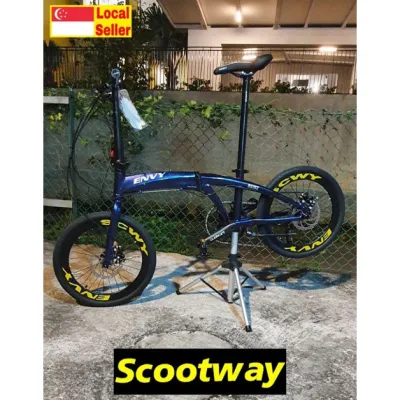
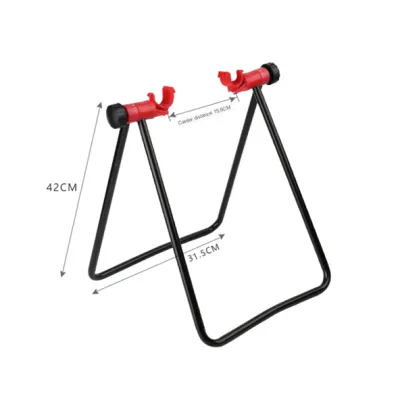
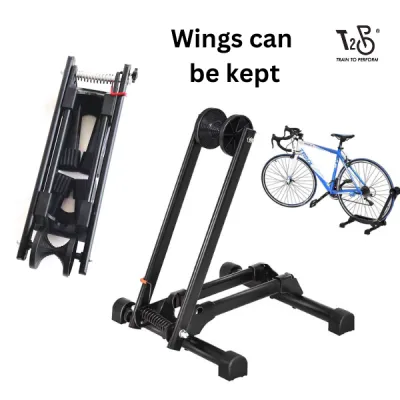
Prices are valid at publication and may change. Please refer to the product page for the latest price.
Active repair tasks, such as tuning a rear derailleur or replacing a damaged gear cable, require a more robust setup. For these tasks, you need a stand that can lift the drivetrain completely off the ground and allow the pedals and wheels to spin freely. Frame-clamping workstands elevate the entire bicycle to eye level, making complex adjustments significantly easier on your back and neck during a long ride.
If you rarely experience mechanical issues or stick to short recreational loops, a heavy-duty repair stand is best kept in your home storeroom. However, if you frequently embark on long-distance endurance rides across the island, carrying a highly portable axle or bottom-bracket support is a practical insurance policy. Assessing the complexity and frequency of your typical trailside repairs will help you justify the added weight in your gear bag.
Checking Portability and Packing Constraints
When riding along the PCN, every gram of weight and centimeter of space in your bags affects your comfort and energy levels. You must carefully check the manufacturer’s specifications for folded dimensions against the actual space available in your backpack, pannier, or frame bag. A stand that is too long to fit inside your luggage will end up left behind, defeating its purpose entirely.

Lightweight materials, such as high-grade aluminum or reinforced composite plastics, offer the best balance of strength and portability. However, ultra-light stands often have a narrower footprint, which means they require careful weight distribution when holding a bicycle. If you choose an exceptionally light model, you must accept that it may require a flatter surface and more precise balancing than a heavier steel counterpart.
Additionally, you should review the folding mechanism of any stand you consider. The ideal trailside stand should deploy and fold down in seconds without requiring any hex keys or external tools. Look for intuitive quick-release levers, spring-loaded buttons, or simple twist-lock collars that allow you to set up your workspace rapidly when a sudden mechanical issue occurs on the path.
Verifying Frame Compatibility and Clamping Safety
Not all bike stands are compatible with every bicycle frame, and using the wrong clamping method can cause permanent structural damage. You must verify the clamp jaw width and shape against your bike’s specific tube profiles. Modern road and gravel bikes often feature aerodynamic, ovalized, or oversized tubes that may not sit securely in a standard round clamp jaw.
If you ride a carbon fiber bicycle, frame protection must be your top priority. Carbon tubes are designed to withstand specific directional riding forces but are highly vulnerable to crushing forces from clamps. Never clamp a carbon frame directly on the top tube or seat stays; instead, look for stands that clamp onto a robust aluminum seatpost, or choose a design that supports the bike via the bottom bracket and front fork dropout.
For bikes with unique frame geometries, full-suspension designs, or delicate paint finishes, alternative support methods are often the safest choice. Bottom-bracket rests and axle-mount stands support the bicycle’s weight through its strongest structural points without applying any clamping pressure to the tubes. This ensures your frame remains completely free from scratches, dents, or structural fatigue.
Setting Up Safely on Shared Paths like the PCN
Deploying a portable stand on a busy shared path requires careful attention to safety and trail etiquette. Before extending the stand’s legs, inspect the ground surface for levelness and stability. Singapore’s tropical climate can make grass verges soft and muddy, so look for firm, flat concrete or paved ground to prevent the stand’s feet from sinking or slipping.
To maintain a safe environment for all path users, position your bike and stand completely off the main pedestrian and cycling lanes. Utilize wider rest areas, park shelters, or grass-adjacent paved zones where your repair activities will not obstruct oncoming cyclists, runners, or personal mobility device users. Keeping a clear passage prevents collisions and ensures compliance with local shared-path guidelines.
Before lifting your bicycle onto the stand, double-check the manufacturer’s weight limit labels and find the setup’s center of gravity. Gently shake the stand once the bike is mounted to ensure it is stable and will not tip over under the force of your tools. If the setup feels top-heavy or starts to lean, stop your work immediately, lower the bike, and adjust the angle or leg spread of the stand.
Matching Stand Features to Your Repair Tasks
To finalize your decision, you should match the specific features of the foldable stand to your primary on-the-go repair scenarios. If your main concern is addressing minor issues like a dropped chain or a soft tire, a minimalist, ultra-compact axle stand is the most practical choice. These stands prioritize carrying convenience and fit easily into standard commuting bags without adding noticeable bulk.
For cyclists who perform comprehensive trailside maintenance, such as brake caliper alignments or multi-gear indexing, a wider-base stand is necessary. Although these stands carry a weight penalty and require a larger backpack or pannier, their superior stability allows you to apply the necessary force to pedals and bolts safely. The extra physical effort required to carry them is offset by the ease of making precise adjustments.
Before making a purchase at a local bike shop or an online marketplace, create a personal checklist of your must-have features. Consider factors such as adjustable working height, rubberized clamp pads to protect your paint, and the overall folded length. By aligning these specifications with your bicycle’s weight and your carrying capacity, you will find a reliable tool that enhances your PCN riding experience.
Frequently Asked Questions (FAQ)
Can I use a foldable repair stand for heavy e-bikes?
You must always check the manufacturer’s maximum weight limit label before attempting to mount an electric bicycle on a foldable stand. E-bikes are significantly heavier than conventional bicycles due to their motors and battery packs, often exceeding the capacity of lightweight portable stands. Exceeding these limits can lead to clamp slippage, joint damage, or sudden structural collapse, risking damage to your e-bike and potential personal injury. If your e-bike’s weight is close to the stand’s rated limit, consult the user manual or contact the manufacturer directly to verify compatibility.
How do I maintain the folding joints and clamps?
To keep your foldable stand operating smoothly, wipe down the entire frame and all moving joints with a clean, dry cloth after every outdoor use. This is especially important after riding in humid conditions or sudden tropical downpours along the PCN, which can introduce moisture and road grit into the mechanisms. Check the manufacturer’s instructions for approved lubricants to apply to the pivot points and quick-release levers, taking care to keep oils away from the clamping surfaces. Regularly inspect the rubber clamp pads for signs of hardening or cracking, and replace them according to the brand’s guidelines to ensure they maintain a secure, scratch-free grip.
Community discussion
Share your experience or ask a question. Comments are reviewed before publication.