
Finding the right knee brace for a meniscus injury requires understanding that there is no single universal option for every individual. The meniscus acts as a vital shock absorber within your knee joint, and any tear or strain alters how your knee distributes weight and handles impact. Selecting a brace is not about finding a magic cure, but rather about matching a specific support structure to your unique injury severity, current recovery phase, and daily physical demands.
A well-chosen brace serves as a supportive tool to assist your rehabilitation, manage swelling, and prevent movements that could worsen the tear. However, it is crucial to recognize that a brace cannot replace targeted physical therapy or medical intervention. It works in tandem with a structured recovery plan to help you regain mobility safely.
Before purchasing any support, a professional medical evaluation is essential to diagnose the exact nature of your meniscus injury. This guide outlines the key decision-making factors, structural features, and fitting techniques to help you navigate your options and select a brace that aligns with your healthcare provider’s recommendations.
Products mentioned in this guide
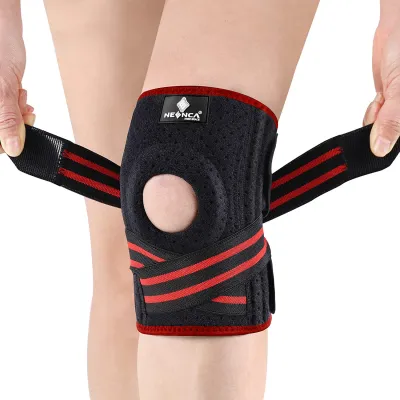
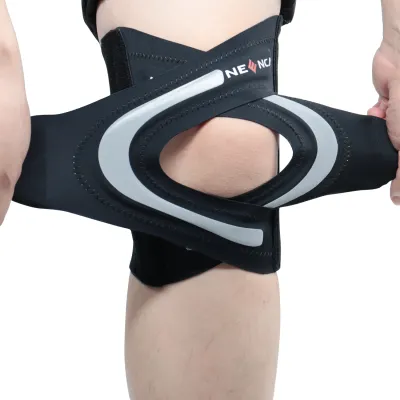
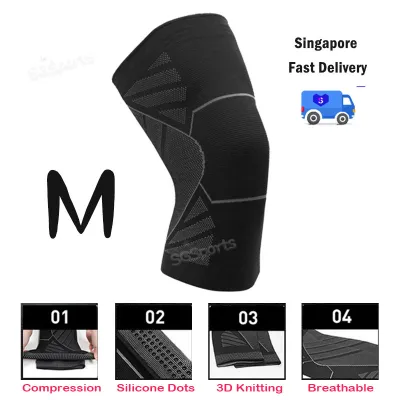
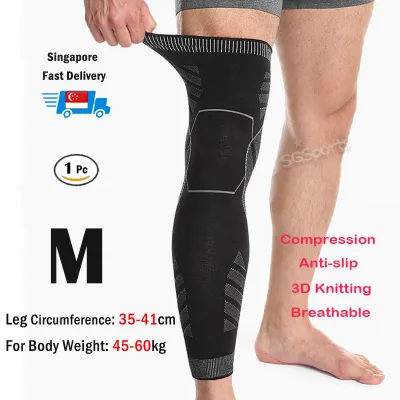
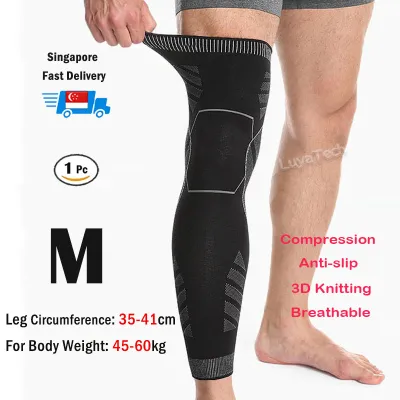
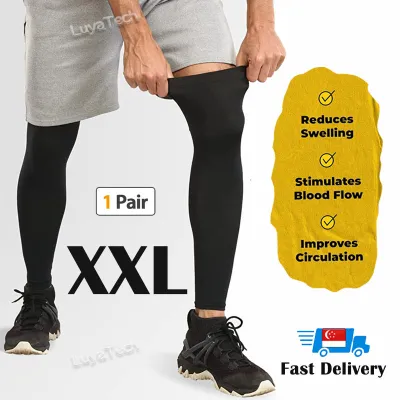
Prices are valid at publication and may change. Please refer to the product page for the latest price.
Identifying Your Meniscus Support Needs
Your journey to selecting a meniscus knee brace begins with a clear assessment of your current recovery stage and physical activity goals. Meniscus injuries generally fall into three distinct phases: conservative management for minor tears, post-operative recovery following arthroscopic surgery, or the return-to-sport phase where you require preventative stabilization. Each phase demands a different level of structural support, making a blanket recommendation ineffective.
Consulting a qualified healthcare professional, such as an orthopedic specialist or a physiotherapist, is the most critical step in this process. They can perform specific clinical tests or review imaging to determine whether your tear is stable or unstable. A professional can prescribe the exact level of restriction your joint requires, ensuring you do not inadvertently weaken your surrounding muscles by over-bracing or risk re-injury by under-bracing.
To help guide your initial discussions, pay close attention to the physical signals your knee exhibits during daily movements. If you experience a sensation of the joint giving way, sudden locking, or sharp pain when twisting, these are clear indicators of mechanical instability. Such symptoms typically require a highly structured brace with rigid lateral supports to prevent harmful rotational forces.
Conversely, if your symptoms are primarily characterized by a dull ache, mild swelling after walking, or a general feeling of vulnerability without mechanical locking, your needs may lean toward compression and mild stabilization. In these cases, a flexible sleeve can provide the necessary warmth and sensory feedback to help you move confidently without excessively restricting your natural range of motion.
Essential Features for Meniscus Injury Support
When evaluating different braces, understanding the engineering behind their structural components allows you to make an informed choice. The primary goal of a meniscus brace is to minimize rotational stress and excessive lateral shifting, which can pinch or further tear the damaged cartilage.

Hinged vs. Non-Hinged Designs
Hinged knee braces feature rigid or semi-rigid uprights along the sides of the joint, connected by a mechanical hinge that mimics the natural bending of the knee. These hinges are crucial for moderate to severe meniscus tears because they physically block lateral (side-to-side) movement and prevent hyperextension. By keeping the knee moving strictly along its natural hinge plane, these braces shield the healing meniscus from shearing forces during weight-bearing activities. Non-hinged designs, such as pull-on sleeves, rely entirely on elastic tension and flexible stays, offering lighter support suitable only for minor strains or late-stage recovery.
Patella Support and Strap Configurations
An open-patella design features a circular cutout at the front of the knee, often surrounded by a padded buttress. This configuration is beneficial for meniscus recovery because it keeps the kneecap properly aligned and reduces direct pressure on the patellar tendon. By stabilizing the front of the knee, it ensures that compression is distributed evenly around the joint capsule rather than pressing directly onto the kneecap, which can cause secondary discomfort during prolonged wear.
Adjustable strap systems are equally vital, allowing you to customize the compression and fit of the brace. For meniscus injuries, straps that wrap above and below the joint line help secure the brace in place and prevent it from shifting during movement. These straps allow you to apply targeted pressure to the joint line, which can help alleviate localized pain and improve overall joint alignment.
Material and Breathability for Warm Climates
The material composition of your brace directly impacts compliance and comfort, especially in warm and humid tropical environments like Singapore. Traditional neoprene is excellent for retaining therapeutic heat and providing robust compression, but it can quickly trap sweat and cause skin irritation during outdoor activities.
To counter this, look for braces that incorporate engineered knit fabrics, perforated neoprene, or moisture-wicking synthetic blends. These breathable materials facilitate airflow, allowing sweat to evaporate quickly and reducing the risk of chafing, heat rash, or bacterial buildup during extended wear. Ensuring the inner lining is soft and hypoallergenic is also essential for maintaining skin integrity when wearing the brace for several hours a day.
Matching Brace Types to Injury Severity
To streamline your selection process, it is helpful to categorize braces into distinct tiers based on the level of stabilization they provide. Matching the brace type to the severity of your injury ensures you receive adequate protection without unnecessarily limiting your mobility or muscle engagement.
Compression sleeves represent the most lightweight option, typically constructed from elasticized knit or thin neoprene. They do not feature rigid structural elements, meaning their primary benefit lies in mild compression, swelling management, and proprioception—the sensory feedback that helps your brain monitor joint positioning. These are suitable for minor meniscus irritations, low-impact daily activities, or as a transitionary support during the final stages of physical therapy.
Wraparound or dual-strap braces offer a middle ground, featuring adjustable hook-and-loop closures and flexible side stabilizers, such as coiled spring-steel stays. Because they open fully rather than requiring you to slide them over your foot, they are much easier to apply for individuals with limited mobility or acute pain. The adjustable straps allow you to fine-tune the compression level, making them highly suitable for moderate instability, mild tears, or return-to-activity phases where some lateral support is needed.
Hinged braces with rigid uprights provide the highest level of protection and are typically recommended for severe meniscus tears, post-surgical rehabilitation, or cases involving multi-ligament instability. These braces physically lock out harmful movements while allowing controlled flexion and extension. While they are bulkier and heavier than other options, the trade-off is substantial joint protection during high-risk movements or early-stage weight-bearing recovery.
The following table summarizes these categories to help you compare your options:
| Brace Type | Support Level | Primary Mechanism | Recommended Recovery Phase | Mobility Trade-off |
|---|---|---|---|---|
| Compression Sleeve | Mild / Level 1 | Elastic compression & proprioceptive feedback | Minor strains, late-stage rehab, daily walking | Minimal restriction; full range of motion preserved |
| Wraparound / Dual-Strap | Moderate / Level 2 | Flexible side stays & adjustable compression straps | Moderate tears, return to low-impact sports | Moderate restriction; limits minor lateral twisting |
| Hinged Brace | High / Level 3 | Rigid lateral hinges & structured strapping | Severe tears, post-surgery, high-instability cases | High restriction; limits lateral movement and hyperextension |
Sizing, Fit, and Pre-Purchase Verification
An improperly fitting knee brace can be counterproductive, either failing to provide adequate support or causing secondary issues like circulatory restriction. To ensure you select the correct size when purchasing online or from local sports specialty stores, accurate physical measurements are essential.
To measure your leg correctly, stand up straight with your weight evenly distributed and bend your knee slightly (approximately 30 degrees). Use a flexible measuring tape to take three distinct measurements: the circumference of your thigh (typically 15 cm above the center of your kneecap), the circumference of the knee joint directly across the center of the patella, and the circumference of your calf (typically 12 to 15 cm below the kneecap). Always compare these exact measurements against the specific sizing chart provided by the manufacturer, as sizing standards vary significantly between brands.
When evaluating a brace’s design, look for features that enhance stability and comfort during movement. High-quality braces often feature internal silicone grip strips or wavy gel bands along the top hem to prevent the brace from sliding down your leg. Additionally, inspect the seam placement; flat-locked or seamless construction helps prevent painful friction points, particularly in the sensitive crease behind the knee where material tends to bunch up.
Before finalizing your purchase from an online marketplace or local retailer, carefully verify the seller’s return and exchange policies. Because knee braces are classified as personal hygiene items, many retailers enforce strict return conditions, often requiring the product to be completely unworn and in its original packaging. Ensure you understand these terms, as well as any warranty coverage on mechanical hinges or strap fasteners, to avoid being stuck with an ill-fitting product.
Once your brace arrives, perform a thorough fit check before engaging in any physical activity. Slip the brace on and walk a short distance; warning signs of an improper fit include numbness, tingling, coldness in your foot, or deep red indentations on your skin, which indicate the brace is too tight and restricting circulation. Conversely, if the brace slides down your leg or requires constant readjustment during simple movements, it is too loose and will not provide the necessary stabilization for your meniscus.
Frequently Asked Questions (FAQ)
Can I wear a meniscus knee brace all day?
While a brace provides valuable support, wearing it continuously all day is generally not recommended unless specifically directed by your orthopedic specialist. Prolonged, uninterrupted wear can lead to muscle dependency, where the surrounding muscles—such as your quadriceps and hamstrings—gradually weaken because the brace is doing the work for them. It is important to take regular skin breaks to allow proper air circulation, check for any signs of chafing or pressure sores, and focus on active rehabilitation exercises to rebuild your natural joint strength.
Should I wear the brace while sleeping?
In most cases, you should remove your knee brace before going to sleep to allow your muscles to relax and ensure unrestricted blood circulation throughout the night. Sleeping in a brace is typically reserved for post-operative recovery phases where a surgeon has prescribed a rigid immobilizer to prevent accidental twisting or bending during sleep. Unless you have received explicit medical instructions to keep the joint immobilized overnight, removing the brace allows your skin to breathe and prevents discomfort from material bunching.
How do I clean and maintain a hinged knee brace?
Proper maintenance is essential to preserve the elasticity of the fabric and the mechanical integrity of the hinges. Always consult the manufacturer’s care label before cleaning; most braces should be hand-washed in cold water using a mild, bleach-free detergent. If your brace has removable metal hinges, slide them out of their sleeves before washing to prevent rust or damage. Avoid machine washing, tumble drying, or exposing the brace to direct sunlight or high heat, as extreme temperatures will degrade the elastic fibers and hook-and-loop fasteners, significantly reducing the lifespan of your support.

Community discussion
Share your experience or ask a question. Comments are reviewed before publication.