
Selecting the right resistance band set for post-run mobility and recovery requires moving away from the idea of a single, universally perfect product. The ideal set is one that matches your specific biomechanical needs, your current flexibility limits, and the environmental conditions of your training space. For runners, recovery is not about lifting heavy loads; it is about using light, progressive tension to restore muscle length, improve joint range of motion, and stimulate blood flow without adding mechanical stress to already fatigued tissues. By understanding how different band designs, materials, and resistance levels interact with your post-run routine, you can build a highly effective, portable recovery system that supports your long-term training goals.
Assessing Your Post-Run Mobility and Recovery Needs
To choose the right resistance band set, you must first clarify what you want to achieve during your post-run sessions. Flexibility training after a run aims to gently lengthen muscles that have repeatedly contracted during your miles, such as the calves, hamstrings, and hip flexors. Active recovery uses very light resistance to encourage blood circulation, helping to clear metabolic waste from muscle tissues without inducing further micro-tears. Muscle activation, which can also be performed as a pre-run warm-up or post-run alignment check, ensures that stabilizing muscles like the gluteus medius are firing correctly to prevent common running injuries.
Individual physical factors play a massive role in determining your band requirements. A marathon runner focusing on high-volume endurance training will have different recovery needs compared to a sprinter or a trail runner. Endurance runners often experience deep, systemic fatigue and tight hip flexors, requiring long, gentle stretches with low-tension bands. If you have pre-existing joint sensitivities or limited ankle mobility, you will need highly flexible bands that allow you to control the angle and intensity of the stretch precisely, avoiding sudden spikes in tension.
Products mentioned in this guide
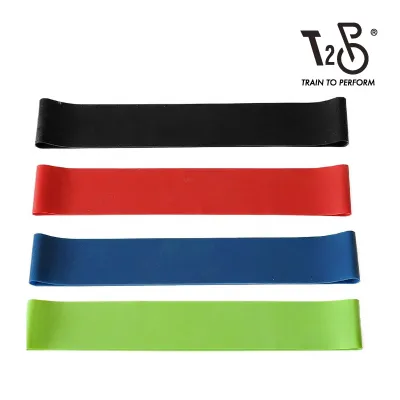
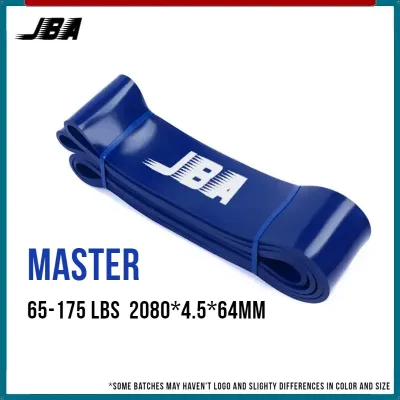
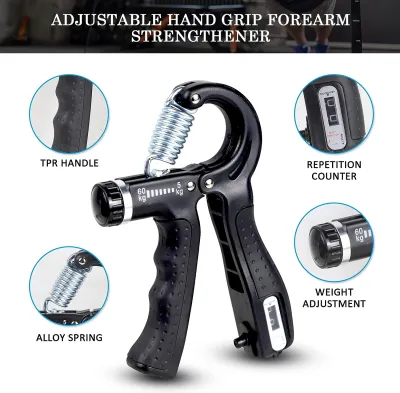
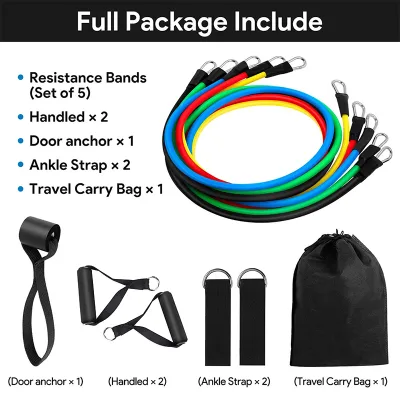
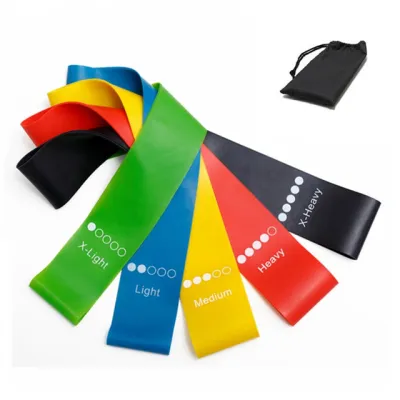
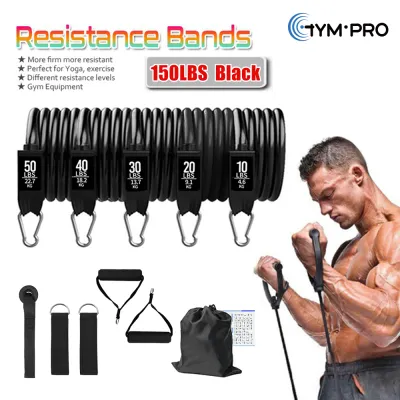
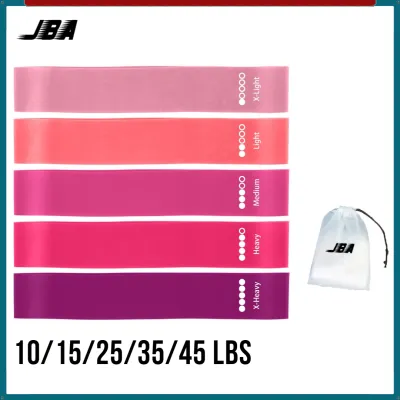
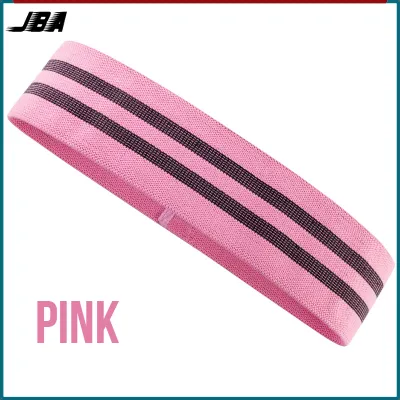
Prices are valid at publication and may change. Please refer to the product page for the latest price.
Your primary training and recovery environment also dictates your choice. In Singapore, many runners perform their post-run routines in apartments, local parks, or public gym facilities. If you have limited space at home, a compact set with a secure door anchor is essential for performing overhead or horizontal pulling movements. For those who prefer to stretch immediately after a run at an outdoor fitness corner, portability and weather resistance become key factors, requiring a lightweight carrying case and bands that can withstand outdoor surfaces.
Matching Band Types to Runner-Specific Movements
Flat therapy bands are wide, thin, non-loop bands, typically made of latex or synthetic rubber. They are exceptionally well-suited for gentle, targeted stretching of the lower extremities. For example, wrapping a flat band around the ball of your foot allows you to perform controlled calf and plantar fascia stretches while seated. Because they do not have handles or loops, you can adjust the tension dynamically by changing your hand placement along the length of the band, making them ideal for sensitive, post-run hamstrings that require a gradual increase in stretch depth.

Continuous loop bands, often referred to as mini-bands, are smaller, closed loops designed to be placed around the thighs, knees, or ankles. For runners, these are indispensable for lower-body activation and lateral hip mobility work. Performing lateral band walks or clamshells with a light-to-medium loop band helps strengthen the hip abductors, which are critical for maintaining pelvic stability during the stance phase of your running stride. Using these loops post-run can help reset your pelvic alignment and engage stabilizing muscles that may have fatigued or disengaged during a long run.
Tube bands with handles consist of cylindrical rubber tubes with plastic or foam handles attached to each end, often featuring carabiners for stacking multiple bands. While less common for isolated lower-body stretching, tube bands are excellent for upper-body posture correction and full-body integration. Running for extended periods can lead to a rounded upper back and tight chest muscles as fatigue sets in. Using tube bands for chest openers, face pulls, and standing rows helps restore thoracic mobility and strengthens the upper back muscles, directly improving your running posture and breathing efficiency.
Evaluating Resistance Levels and Material Durability
When shopping for a resistance band set, interpreting manufacturer resistance ratings requires caution. There is no industry-wide standardization for color-coding; a red band from one brand might offer light tension, while a red band from another might represent heavy resistance. Instead of relying solely on color, verify the actual tension specifications, usually listed in kilograms or pounds for specific elongation percentages on the product packaging. For post-run recovery, look for sets that offer a wide range of light tensions rather than heavy, high-tension options designed for strength building.
The choice between natural latex and fabric-covered bands involves distinct trade-offs in grip, comfort, and durability. Natural latex bands offer a highly consistent, smooth stretch profile and excellent elasticity, making them highly versatile for both stretching and mobility drills. However, they can pinch the skin, pull body hair, and roll up during dynamic movements. Fabric-covered bands, which blend latex threads with woven polyester or cotton, provide superior comfort against bare skin and do not roll up. The trade-off is that fabric bands typically offer less stretch range and can feel too stiff for delicate mobility exercises around the ankles.
Singapore’s tropical climate, characterized by high humidity and ambient heat, accelerates the degradation of natural latex. When exposed to moisture and warmth, latex can become sticky, lose its elasticity, and develop micro-cracks that eventually lead to snapping. To maximize the lifespan of latex bands in this environment, store them in a cool, dry indoor location away from direct sunlight. Avoid leaving them in hot vehicles or damp gym bags. Periodically applying a thin layer of unscented talcum powder to latex bands helps absorb excess moisture and prevents the material from sticking to itself.
Regular inspection is vital for safety. Before every recovery session, stretch each band slightly and inspect the entire surface for tiny tears, discoloration, or dry patches. Pay close attention to the connection points on tube bands where the tubing meets the handle or carabiner. If you notice any micro-tears or a loss of structural rebound, discard the band immediately, as a snapping band under tension can cause significant impact injuries.
Building a Condition-Based Shortlist for Your Purchase
To build a versatile post-run recovery routine, your resistance band set should include specific accessories. A secure door anchor is the most critical accessory, allowing you to perform downward, upward, and horizontal pulling movements safely at home. Ankle straps are highly beneficial for isolating the hip flexors and glutes during mobility drills. A dedicated carrying case is also essential, keeping your bands organized, protecting them from abrasive surfaces during transport, and shielding them from light and moisture when stored.
Before finalizing your purchase, verify the manufacturer’s product specifications, warranty terms, and return policies. Look for brands that explicitly state the materials used and provide clear safety certifications. A reliable warranty, even a limited one covering manufacturing defects for six months to a year, indicates confidence in the product’s durability. Check the return policy of the online marketplace or local retailer to ensure you can exchange the set if a band arrives with visible defects or fails during its initial, low-tension use.
To help you evaluate your options, consider this decision matrix matching budget ranges in S$ with typical material quality and accessory inclusions:
| Budget Range | Typical Material & Accessories | Best Suited For | Verification Focus |
|---|---|---|---|
| Under S$20 | Basic latex loop bands or single flat bands; minimal accessories, basic pouch. | Beginners testing recovery routines; runners focusing solely on lower-body activation. | Check for chemical odors, uneven thickness, and immediate elasticity loss. |
| S$20 to S$50 | Multi-band sets (latex or fabric loops) with door anchor, ankle straps, and carrying bag. | Regular runners seeking a complete, versatile home and travel recovery system. | Verify carabiner metal quality, stitching on fabric bands, and door anchor padding. |
| Over S$50 | Premium heavy-duty tube sets or high-grade fabric loop sets with reinforced stitching and robust metal hardware. | Daily runners, competitive athletes, or those sharing equipment who require maximum durability. | Confirm warranty coverage, check for double-layered latex tubes, and inspect handle comfort. |
Safety Boundaries and Usage Limits for Recovery
Using resistance bands safely requires strict adherence to proper anchoring techniques and environmental checks. When using a door anchor, always place it on the hinge side of a sturdy door that closes toward you, rather than away from you. This ensures that the physical frame of the door supports the tension, preventing the door from accidentally flying open while you are stretching. Before applying any tension, pull firmly on the band to verify that the anchor is locked securely in place and that the door frame is stable. Never anchor bands to sharp objects, rough wooden posts, or unstable furniture that could tip over.
Understanding the difference between productive stretching tension and harmful joint strain is crucial for effective recovery. Post-run mobility work should feel like a gentle, controlled lengthening of the muscle tissue, accompanied by a mild, tolerable stretch sensation. It should never cause sharp, stabbing pain, joint pinching, or numbness. If you feel your joints clicking uncomfortably or if the tension forces your body into an unnatural alignment, reduce the resistance immediately or adjust your positioning.
Equipment cannot replace professional clinical judgment. If you experience persistent, localized pain that does not improve with rest, or if you notice swelling, joint instability, or sharp pain during or after band exercises, stop using the bands immediately. These symptoms can indicate acute injuries like muscle tears, ligament sprains, or tendinopathy, which require a formal assessment and a customized rehabilitation plan from a qualified physiotherapist or medical professional.
Frequently Asked Questions (FAQ)
Can I use resistance bands if I have a recent running injury?
No, you should not use resistance bands for self-rehabilitation of a recent or acute running injury without professional guidance. While bands are excellent for general mobility and active recovery, using them on an undiagnosed or unhealed injury can exacerbate tissue damage, especially if improper tension or incorrect angles are applied. If you experience sharp pain, swelling, bruising, or an inability to bear weight after a run, consult a physiotherapist or medical professional. They can diagnose the specific issue and prescribe targeted, progressive resistance exercises at the appropriate stage of your healing process.
How often should I replace my resistance band set?
Rather than relying on a fixed timeframe, you should replace your resistance bands based on observable signs of material degradation. Inspect your bands regularly for visual and tactile indicators of wear, such as surface discoloration, a sticky or powdery texture, loss of elasticity, or tiny micro-tears along the edges. In Singapore’s warm and humid climate, latex bands may degrade faster, sometimes requiring replacement every six to twelve months with regular use. To maximize their lifespan, store them in a cool, dry place away from direct sunlight, avoid stretching them beyond their specified limit, and clean them gently with a damp cloth without harsh chemicals.
Are fabric bands better than latex for post-run leg stretches?
Neither material is universally superior; the choice depends on the specific exercise and your personal comfort preferences. Fabric bands are highly durable, do not roll up or pinch the skin, and provide excellent grip, making them ideal for lower-body movements like lateral walks, clamshells, and glute bridges. However, they have a limited stretch range and high initial resistance, which can make them too stiff for delicate mobility drills. Latex bands offer a much wider range of motion and smooth, progressive tension, making them far better suited for deep hamstring stretches, ankle mobility exercises, and upper-body posture work where maximum flexibility is required.

Community discussion
Share your experience or ask a question. Comments are reviewed before publication.