
Finding the right fishing reel as a beginner can feel overwhelming, especially when navigating brand names, technical specifications, and varying fishing environments. For those considering an Ecuda—properly spelled Ecooda—fishing reel, the key to a successful start lies in selecting a model that prioritizes ease of use, versatility, and straightforward maintenance. A well-chosen reel allows you to focus on learning fundamental casting and retrieval techniques rather than fighting your equipment. By understanding what to look for in terms of design, size, and build quality, novice anglers can confidently select a reel that performs reliably in both local freshwater reservoirs and coastal saltwater spots.
Clarifying the Brand: Ecuda vs. Ecooda Terminology
Many beginners search for “Ecuda” due to phonetic spelling or word-of-mouth recommendations. However, the official brand name is “Ecooda.” When browsing online marketplaces, local tackle shops, or community forums in Singapore, searching for “Ecooda” will yield accurate product listings, official specifications, and genuine user reviews. Using the incorrect spelling can lead to search results featuring counterfeit products, unauthorized replicas, or unrelated low-quality gear.
To ensure you are purchasing an authentic product, always verify the official logo, check for authorized distributor labels, and purchase from reputable local retailers. Authentic gear ensures access to reliable customer support, accurate specifications, and compatible replacement parts if maintenance is required. Buying from unverified listings under misspelled names increases the risk of receiving counterfeit or poorly manufactured gear that lacks warranty support.
Products mentioned in this guide
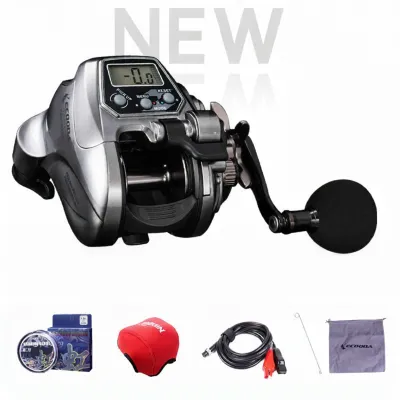
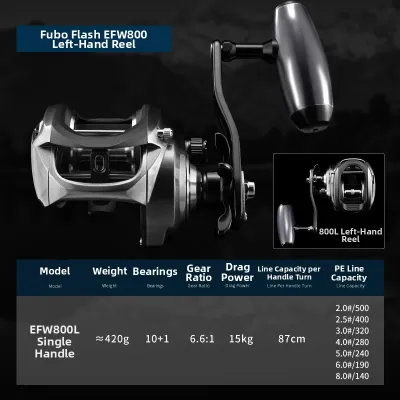
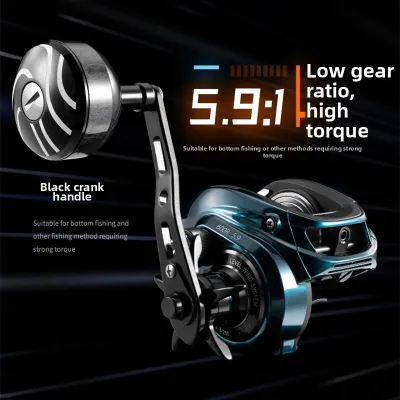
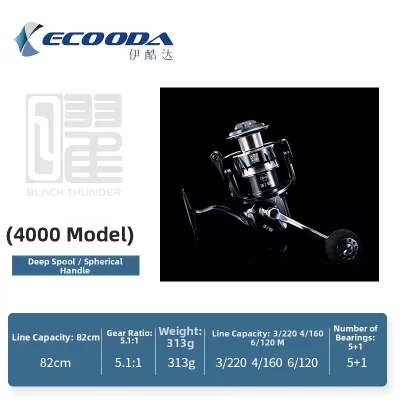
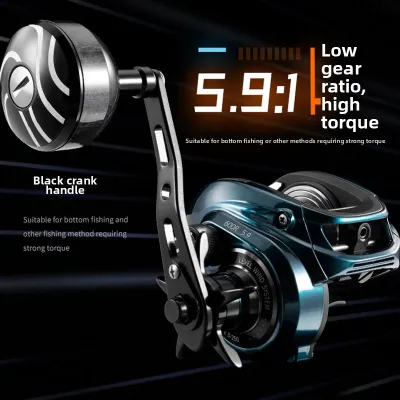
Prices are valid at publication and may change. Please refer to the product page for the latest price.
Core Selection Criteria for Beginner Anglers
When selecting your first reel, prioritizing specific features will make your learning experience much more enjoyable and productive.

Ease of Use
A beginner’s reel must be forgiving. Look for features that prevent line twists and wind knots, which are common frustrations for novices. A smooth bail arm transition and an easily accessible anti-reverse switch are essential. The reel should feel intuitive, allowing you to cast and retrieve without complex adjustments.
Versatility
As a beginner in Singapore, you will likely explore diverse fishing environments, from quiet freshwater reservoirs to bustling saltwater jetties. A medium-sized reel, typically in the 2500 to 4000 size range, offers the perfect balance. It is light enough for hours of active casting yet strong enough to handle a variety of local fish species. This versatility ensures you do not need to purchase multiple specialized reels when starting out.
Budget Alignment
It is wise to establish a sensible budget in S$ before shopping. While high-end reels offer advanced materials and specialized features, they often come with a steep price tag and complex maintenance requirements. For a beginner, a mid-range reel provides the ideal balance of durability and affordability. Focus on finding a model constructed with a sturdy graphite or aluminum frame that offers reliable performance without unnecessary, complicated features.
Evaluating Reel Types: Spinning vs. Baitcasting
Understanding the mechanical differences between reel types is crucial for making an informed decision that matches your skill level.
Spinning Reels
Also known as open-face reels, spinning reels are the absolute best starting point for beginners. The spool remains stationary during the cast, and the line unrolls freely as the lure or bait travels through the air. This design inherently minimizes the risk of line tangles. Spinning reels excel at casting light lures, live bait, and rigs commonly used in local waters. They are highly intuitive to operate, allowing novices to master basic casting mechanics within a single afternoon.
Baitcasting Reels
These reels feature a rotating spool that spins as the line is cast. While they offer superior accuracy and control for experienced anglers targeting heavy cover, they require precise thumb braking to prevent the spool from overrunning. An uncontrolled spool results in a severe tangle known as a “bird’s nest.” For a beginner, managing this learning curve can be highly frustrating and take away from the enjoyment of learning to fish.
The Verdict
For almost all beginners, starting with a spinning reel is highly recommended. It provides a frustration-free learning experience, allowing you to build confidence and catch fish before deciding whether to transition to more specialized gear like baitcasters later on.
How to Verify Specifications and Suitability
Before purchasing, always check the product packaging or online specifications to ensure the reel matches your intended fishing applications.
Gear Ratio
The gear ratio indicates how many times the spool rotates for every single turn of the handle. For example, a ratio of 5.2:1 means the spool spins 5.2 times per handle turn. For general-purpose fishing, look for a moderate gear ratio between 5.0:1 and 5.8:1. This range provides a balanced retrieval speed, making it suitable for a wide variety of lures and bait presentations without requiring rapid winding or causing excessive fatigue.
Drag System
The drag system is a series of friction discs inside the reel that controls how easily line can be pulled out by a fighting fish. A smooth, adjustable drag is critical for preventing line breakage. When evaluating a reel, turn the drag knob to ensure it adjusts smoothly from loose to tight without sticking. A multi-disc drag system utilizing carbon or felt washers generally provides the consistent pressure needed to tire out fish safely.
Line Capacity and Weight
Check the spool of the reel or the product packaging for line capacity ratings, which are typically listed in millimeters of line diameter or pound-test strength. Ensure the reel can hold at least 150 meters of your chosen line weight. Additionally, consider the physical weight of the reel. A reel that is too heavy will quickly tire your wrists and arms, while a reel that is too light may make your fishing rod feel unbalanced. Aim for a comfortable, balanced feel when the reel is mounted on your rod.
Pre-Purchase Checks and Initial Setup
Taking a few minutes to inspect your reel and set it up correctly will prevent issues on your first outing.
Physical Inspection
Before finalizing your purchase, perform a thorough hands-on inspection. Spin the handle to check for smooth, silent rotation; there should be no grinding, clicking, or wobbling. Open and close the bail arm several times to ensure it snaps back into place firmly and securely. Check that the anti-reverse switch engages instantly, preventing the handle from spinning backward.
Line Spooling
Proper line spooling is vital to preventing immediate tangles on the water. When spooling your new reel, ensure the line leaves the supply spool in the same direction it winds onto the reel spool. Keep steady, light tension on the line as you wind it on to ensure a tight, even pack. Avoid overfilling the spool; leave a gap of approximately two millimeters between the edge of the line and the lip of the spool to prevent loose loops from slipping off.
Warranty and Support
Purchasing your reel from an authorized local dealer in Singapore ensures you have access to warranty coverage and after-sales support. Check the packaging or ask the retailer about the warranty period and the process for obtaining replacement parts or repairs. Having local support provides peace of mind, knowing that if a component wears out or requires servicing, you can easily find assistance without shipping the reel overseas.
Frequently Asked Questions (FAQ)
How often should a beginner clean their fishing reel?
Regular maintenance is key to preserving the performance and lifespan of your reel. After every fishing trip, especially in saltwater or brackish environments, give the reel a gentle rinse with fresh water to remove salt, sand, and debris. Avoid using high-pressure hoses, as this can force water and contaminants deep into the internal gears. For freshwater use, a simple wipe-down with a damp cloth is usually sufficient. Refer to the manufacturer’s manual for specific instructions on when and where to apply reel oil and grease to keep the internal bearings running smoothly.
Can a beginner use the same reel for both freshwater and saltwater?
Yes, a beginner can use a single reel for both environments, provided the reel is designed to withstand saltwater conditions. When selecting a reel for dual-use, check the product specifications for corrosion-resistant materials, such as aluminum or high-grade graphite frames, and sealed stainless steel ball bearings. Saltwater is highly corrosive and can quickly ruin internal components if the reel lacks protective coatings. Regardless of the reel’s construction, a thorough freshwater rinse and complete drying after every saltwater outing are absolutely mandatory to prevent rust and ensure long-term reliability.

Community discussion
Share your experience or ask a question. Comments are reviewed before publication.