
Staying hydrated in a relentless tropical climate is a constant challenge, especially during outdoor workouts, hikes, or casual walks along local nature trails. When temperatures hover above 30°C and humidity levels push past 80%, a standard plastic bottle quickly turns lukewarm, offering little relief. To keep your drinks ice-cold, you need a dedicated carrying system that combines high-performance thermal technology with practical, hands-free portability. A specialized water bottle sling bag serves as the ultimate companion for these humid excursions, but finding one that truly withstands the local climate requires looking closely at specific material engineering and design features.
While many products claim to offer superior cold retention, the actual performance depends heavily on the physics of heat transfer and the quality of the carrier’s construction. The sling bag itself acts as a protective shield against direct sunlight, while the bottle inside does the heavy lifting of temperature maintenance. By understanding how different insulation specifications, ergonomic designs, and fabric technologies interact, you can build a reliable hydration setup that keeps your water refreshing from the start of your trek to the very end.
Identifying Insulation Specs That Survive Tropical Heat
To find a bottle and sling combination that can survive intense ambient heat, you must first understand the differences in bottle construction. Single-wall metal or plastic bottles offer zero thermal resistance, allowing heat to transfer almost instantly from the humid air to your drink. Double-wall vacuum insulation is the industry standard for cold retention. This design features an inner and outer wall with the air vacuumed out from the space between them. Because vacuum contains no matter, it prevents heat transfer via conduction and convection, keeping the external heat from warming your beverage.
Products mentioned in this guide
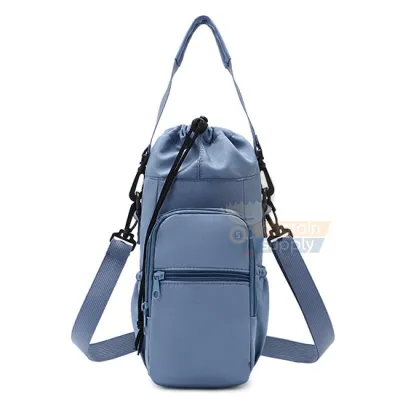
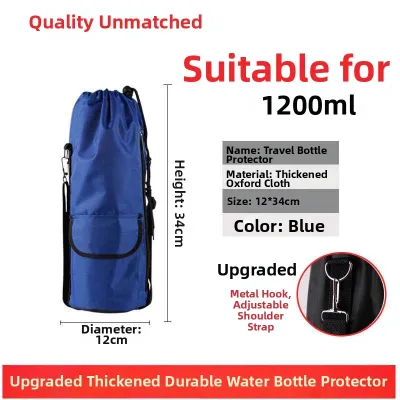
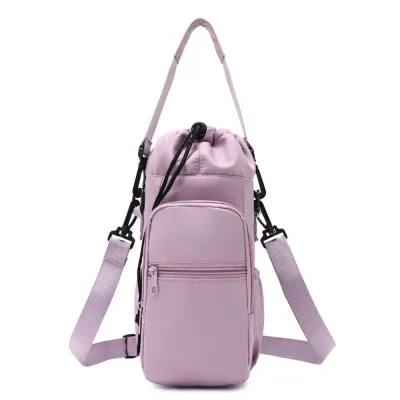
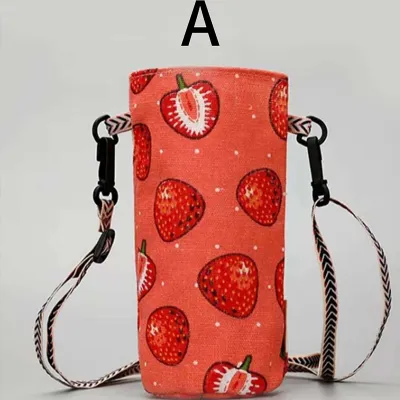
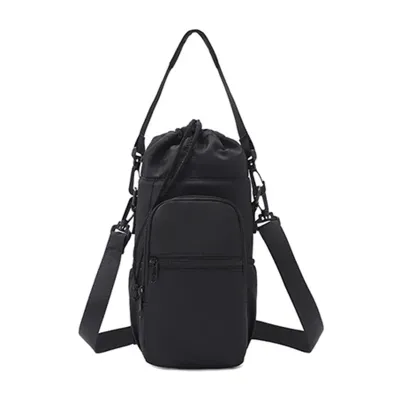
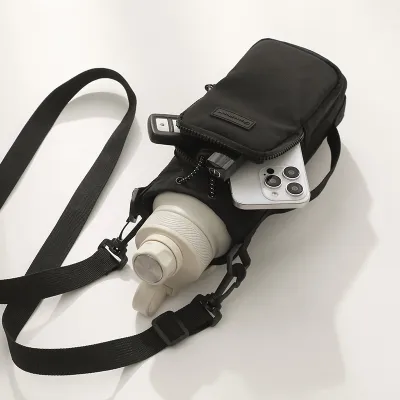
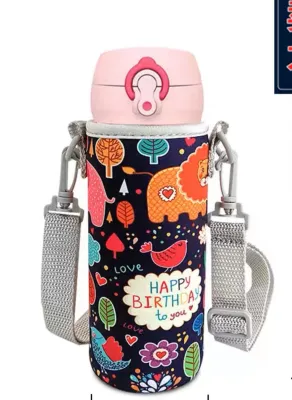
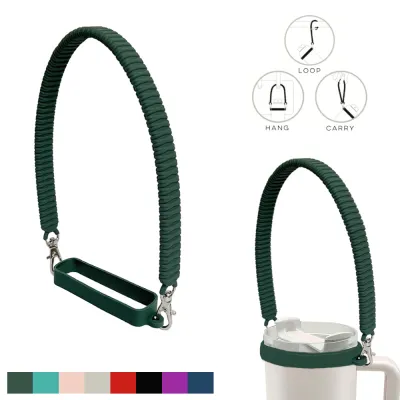
Prices are valid at publication and may change. Please refer to the product page for the latest price.
For extreme tropical conditions, some premium bottles incorporate a triple-wall construction or add a copper or foil lining to the vacuum space. Copper is an excellent reflector of radiant energy. When applied as a thin plating on the exterior of the inner stainless steel wall, it reflects infrared radiation away from your cold drink, further slowing down the warming process. When shortlisting bottles to pair with your sling bag, look for specifications that explicitly mention copper lining or thermal radiation barriers, as these provide an extra layer of defense against direct sunlight.
Lids and drinking spouts are the primary thermal weak points of any insulated bottle. While the stainless steel body prevents heat transfer, the plastic lid is highly susceptible to conduction. A wide-mouth bottle with a simple, insulated screw-cap lid offers the tightest thermal seal because it minimizes the surface area of uninsulated plastic. Conversely, straw lids, flip-top spouts, and built-in valving systems introduce air gaps and thin plastic components where heat can easily penetrate. If you prefer the convenience of a straw lid for active sports, ensure the lid mechanism features thick silicone gaskets and a secure, recessed closure to minimize air exchange.
Finally, consider the volume of the bottle and its surface-area-to-volume ratio. A larger volume of cold water naturally retains its temperature longer than a smaller volume under identical external conditions. This is because a larger bottle has less surface area relative to the total volume of liquid, slowing down the overall rate of heat absorption. While a 1.2-liter bottle is heavier to carry, it will keep your water cold significantly longer than a 500ml bottle. When choosing a sling bag, ensure its sleeve diameter is compatible with the specific volume and outer dimensions of your insulated bottle to maintain a snug, secure fit.
Evaluating Sling Bag Ergonomics for Humid Outdoor Activities
Carrying a heavy, water-filled bottle during outdoor activities requires a sling bag designed with careful attention to ergonomics and weight distribution. A full 1-liter stainless steel bottle can easily weigh over 1.2 kilograms, which can quickly cause shoulder strain if the carrying strap is poorly designed. Look for a sling bag with a wide, adjustable shoulder strap that features dense padding, such as EVA foam or neoprene. A wider strap distributes the weight across a larger surface area on your shoulder and collarbone, preventing the strap from digging into your skin during long walks.

In a humid environment, sweat buildup is inevitable wherever fabric makes direct contact with your body. To prevent discomfort and chafing, evaluate the back panel and strap materials of the sling bag. Look for designs that utilize 3D air mesh or ventilated channels. These breathable fabrics facilitate airflow between your body and the bag, allowing sweat to evaporate more quickly and reducing the sticky, uncomfortable feeling of wet fabric pressed against your chest or back. Avoid solid canvas or heavy nylon back panels that trap heat and moisture.
Exterior fabric durability and water resistance are equally critical for outdoor use. Your sling bag will be exposed to sweat, condensation, and sudden tropical downpours. Materials like ripstop nylon, polyester with a thermoplastic polyurethane (TPU) coating, or high-density neoprene are highly water-resistant and durable. These fabrics prevent external moisture from soaking into the carrier and are incredibly easy to wipe clean after a sweaty workout. Additionally, check the quality of the stitching at high-stress connection points, such as where the strap attaches to the main body of the sleeve, to ensure it can handle the constant downward pull of a heavy bottle.
An ergonomic sling bag should also offer balanced storage options that do not compromise your movement. Look for bags with streamlined, low-profile pockets positioned close to the body. These compartments are ideal for carrying essentials like keys, cards, or a smartphone without causing the bag to swing or sag awkwardly. If the pockets are too bulky or positioned too far from the center of gravity, the shifting weight can pull the sling off-balance, causing physical fatigue and disrupting your stride during active sports.
Building Your Shortlist: How to Verify Brand Claims
When shopping for an insulated water bottle and sling bag, you will encounter numerous marketing claims promising extraordinary cold retention, such as keeping drinks cold for 24 or even 36 hours. It is important to recognize that these tests are typically conducted in highly controlled, air-conditioned laboratory environments at moderate temperatures around 20°C. In real-world tropical conditions, where ambient temperatures regularly exceed 32°C and direct sunlight heats the bottle’s exterior, actual cold retention will be shorter. To make an informed decision, look for brands that provide transparent details about their testing parameters, such as the starting water temperature and the ambient air temperature used during testing.
To validate these performance claims, cross-reference product specifications with user reviews from customers living in tropical or equatorial regions. Look for feedback that specifically mentions how well the bottle holds ice during outdoor activities like hiking or cycling. Pay close attention to any reports of the bottle “sweating” on the outside. A properly functioning vacuum-insulated bottle should never develop condensation on its exterior wall; if it does, it indicates a failed vacuum seal or poor manufacturing quality, which will severely compromise its insulation capabilities.
Before finalizing your purchase, review the manufacturer’s warranty terms and return policies. High-quality insulated bottles and sports gear often come with multi-year or lifetime warranties against manufacturing defects, including vacuum seal failures and broken welds. Similarly, reputable sling bag manufacturers should offer warranties covering zipper failures, torn seams, and broken buckles. Investing in a brand that stands behind its craftsmanship provides peace of mind, especially when subjecting the gear to the demanding conditions of regular outdoor use.
Finally, balance the desire for maximum insulation with the practical considerations of weight and bulk. A triple-wall, copper-lined bottle paired with a heavily padded, multi-pocketed sling bag will offer outstanding thermal performance, but it will also be significantly heavier and bulkier than a streamlined double-wall setup. Assess your specific activity level and carrying preferences. For short, high-intensity workouts where agility is key, a lighter, more compact setup may be preferable. For long, full-day excursions where access to cold water is critical, prioritizing maximum insulation and robust strap padding is well worth the extra weight.
Frequently Asked Questions (FAQ)
Can a standard sling bag keep a non-insulated bottle cold?
No, a standard fabric sling bag made of canvas, thin nylon, or polyester cannot keep a non-insulated bottle cold in hot weather. These materials offer virtually no thermal resistance and cannot prevent heat transfer. When exposed to high ambient temperatures and direct sunlight, the water inside a single-wall plastic or metal bottle will warm up to match the outside temperature within minutes. While some fabric slings may offer a minor barrier against direct sun exposure, they lack the active vacuum barrier required to stop conduction and convection. To achieve effective cold retention, you must use a high-quality, double-wall vacuum-insulated bottle as your primary container; the sling bag serves as a convenient carrying tool and physical protector rather than a primary cooling device.
How should I clean and maintain the bag and bottle insulation?
To preserve the performance and longevity of your gear, always follow the manufacturer’s care instructions. Most sports sling bags should be hand-washed using mild soap, cool water, and a soft brush to remove sweat, salt buildup, and sunscreen. Avoid machine washing or tumble drying unless the care label explicitly permits it, as the high heat and agitation can degrade water-resistant coatings, damage elastic straps, and weaken plastic buckles. For the insulated bottle, hand-washing with warm, soapy water is highly recommended. Avoid using harsh chemicals like bleach or abrasive scrubbing pads, which can scratch the stainless steel and damage the internal copper lining. Regularly inspect the silicone gaskets and rubber seals in the lid for mold or wear, and allow all components to air-dry completely before reassembling them to maintain a hygienic, airtight seal.
Community discussion
Share your experience or ask a question. Comments are reviewed before publication.