
Setting up a home gym in a Housing Development Board (HDB) flat requires a smart balance between training utility and space efficiency. Because HDB layouts prioritize compact living, choosing the right kettlebell size and storage solution is essential to keep your home organized and safe. Opting for a single adjustable kettlebell or a highly curated pair of fixed-weight kettlebells, combined with low-profile floor storage and high-density protective matting, allows you to build strength without cluttering your living area or disturbing your neighbors downstairs.
Assessing Your Space and Floor Capacity
Before purchasing any fitness equipment, you must evaluate the physical footprint of your workout area. A standard kettlebell workout requires more than just standing room; dynamic movements like swings, cleans, and snatches demand a clear safety radius. Measure a clearance zone of at least two meters in every direction to ensure you do not accidentally strike walls, television consoles, low-hanging ceiling fans, or nearby furniture during explosive movements. It is also wise to perform a dry run of your exercises without weights to verify that your hands and the projected path of the kettlebell remain well clear of any household obstacles.
The structural nature of HDB flooring also dictates how you should handle and store heavy weights. Modern flats typically feature ceramic tiles, vinyl tiles, or laminate flooring, each reacting differently to concentrated point loads. Ceramic tiles are highly rigid but can crack under sudden impacts, while vinyl and laminate are softer materials prone to deep, permanent indentations when heavy objects rest on them for extended periods. Understanding your specific floor material helps you determine the level of surface protection required to preserve your home’s interior and secure your housing deposit or property value.
Products mentioned in this guide
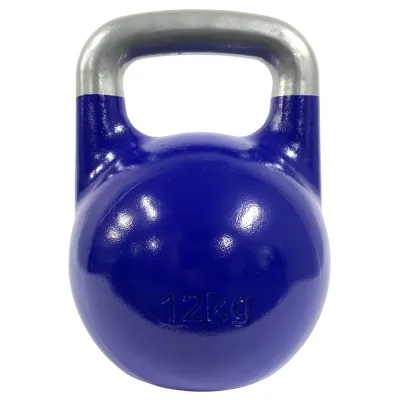
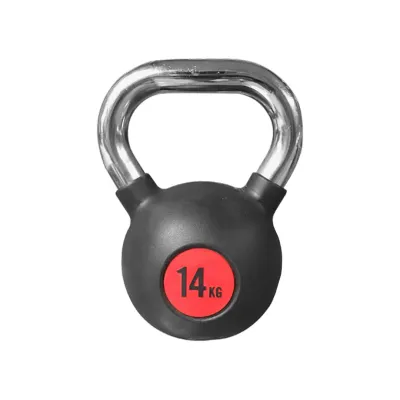

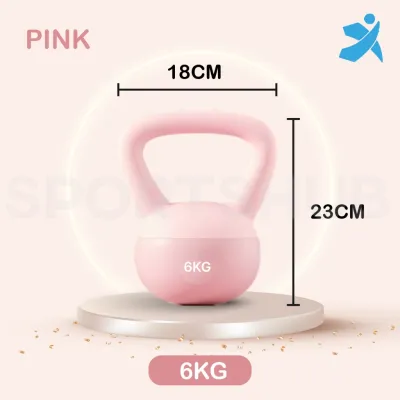

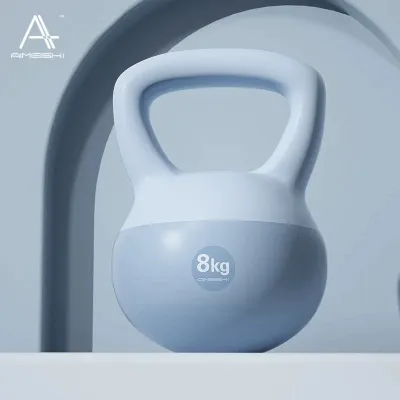

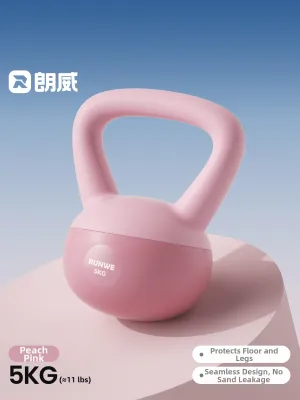
Prices are valid at publication and may change. Please refer to the product page for the latest price.
To safeguard these surfaces, a dedicated protective barrier is highly recommended regardless of your floor type. Placing a high-density mat over your workout zone distributes the concentrated weight of the kettlebell across a larger surface area, preventing localized structural stress. For lighter weights, a standard exercise mat might suffice, but heavier training setups require specialized flooring solutions to mitigate the risk of cosmetic or structural damage. Always assess the maximum weight you plan to use and match your floor protection to that specific load capacity.
Choosing the Right Kettlebell Size and Type
Selecting the appropriate kettlebell weight involves balancing your current physical capabilities with your long-term progression goals. Purchasing an entire set of fixed-weight kettlebells is rarely practical for an HDB flat, as a full rack quickly consumes valuable floor space. Instead, focus on acquiring one or two versatile weights that match your primary exercise targets. For instance, a weight that is challenging yet manageable for upper-body presses can often double as a high-repetition tool for lower-body swings, allowing you to maximize your training variety with minimal physical gear.

For those looking to save the maximum amount of space, adjustable kettlebells present an excellent alternative to traditional fixed-weight models. An adjustable kettlebell consolidates multiple weight increments into a single shell, utilizing internal plates or a dial system to alter the load. While this design dramatically reduces the physical footprint of your home gym, it often comes with a higher initial price tag and a slightly different balance profile compared to solid cast-iron units. Weighing these space-saving benefits against your budget and your preference for classic kettlebell ergonomics will guide you to the right choice.
When evaluating specific kettlebell designs, pay close attention to their physical dimensions and manufacturing finishes. Look for models with a wide, flat bottom to ensure the weight remains perfectly stable when resting on the floor, which prevents rolling hazards during storage or floor-based exercises. Additionally, opt for kettlebells with smooth, high-quality coatings—such as powder coating or vinyl wrapping—which help resist rust in humid tropical climates. These finishes also minimize the harsh clanking noises that occur when handling the weights, making your home workouts significantly quieter.
Smart Storage Solutions for Small Homes
Keeping your training equipment organized is key to maintaining a clutter-free living environment. Low-profile, heavy-duty storage racks or compact floor stands are ideal for keeping kettlebells off the ground and neatly tucked away. When selecting a stand, prioritize designs with a low center of gravity and a weight capacity that comfortably exceeds your current collection. Placing these stands in unused corners, alongside a bookshelf, or next to a TV console keeps your weights accessible yet visually integrated into your home layout.
If you prefer to keep your fitness gear completely out of sight, concealed storage options can work beautifully if executed safely. Utilizing the empty space under a bed frame or inside a bottom closet shelf allows you to store your kettlebells without sacrificing any active living space. To prevent scratches on both the floor and the kettlebell itself, always place the weight inside a padded, heavy-duty storage bag or a sturdy plastic bin lined with protective foam. Ensure the storage location is easily accessible to avoid straining your back when lifting the heavy weight out of its resting spot.
While wall-mounted shelving might seem like an attractive way to save floor space, you should generally avoid mounting heavy weights on HDB walls. Many internal partition walls in modern flats are constructed from lightweight concrete panels or drywall, which are not designed to support concentrated, dynamic loads. Even on solid structural walls, verifying the exact location of studs, using specialized heavy-duty anchor bolts, and ensuring the mounting hardware is rated for dynamic weight can be incredibly difficult. Sticking to floor-based storage solutions is always the safer and more reliable approach for heavy fitness equipment.
Noise and Impact Prevention for Apartment Living
Living in a multi-story HDB block means your workouts can easily impact the comfort of your neighbors downstairs. To prevent sound transmission and structural vibrations, invest in high-density rubber tiles or thick ethylene-vinyl acetate (EVA) foam mats. These specialized mats are designed to absorb the shock of a resting kettlebell and dampen the low-frequency vibrations that travel through concrete floors. For optimal noise reduction, consider layering a thin, high-density rubber mat over a thicker foam base to handle both impact absorption and surface protection.
Modifying your exercise execution is another highly effective way to maintain neighborly harmony. Focus on controlling the descent phase of every movement, gently lowering the kettlebell to the floor rather than letting it drop or land heavily. Controlled eccentrics not only eliminate sudden impact noises but also increase the time under tension for your muscles, enhancing your overall strength development. Avoid performing high-impact ballistic drops, and save explosive releases for dedicated commercial gym facilities.
Finally, establishing a strict “drop zone” protocol is essential for safety in tight quarters. Always clear your immediate workout area of any fragile items, glass coffee tables, or electronic devices before you begin your session. If muscle fatigue or a slippery grip forces you to release the kettlebell unexpectedly, having a designated, heavily padded landing zone ensures the weight falls safely without causing catastrophic damage to your home or flooring. Keep a chalk block or a grip towel nearby to maintain a secure hold on the handle throughout your entire routine.
Frequently Asked Questions (FAQ)
Can I use a kettlebell on HDB vinyl flooring without damaging it?
Using a heavy kettlebell directly on HDB vinyl flooring carries a high risk of causing permanent dents, scratches, and point-load damage. Because vinyl is a relatively soft, resilient material, the concentrated weight of a compact iron kettlebell can easily compress the wear layer and core. To prevent this, you should always place a thick, high-density rubber mat or a specialized gym tile over the vinyl surface before training or storing your weights. This protective layer distributes the load evenly and absorbs the localized pressure, keeping your vinyl floors pristine.
Are adjustable kettlebells durable enough for heavy swings?
Many modern adjustable kettlebells are engineered to withstand the dynamic forces of standard swings, but their durability depends heavily on their locking mechanisms. Before attempting any high-velocity movements, you must carefully inspect the manufacturer’s instructions, locking system, and warranty guidelines to ensure the internal plates are fully secured. Some budget-friendly adjustable models are structurally optimized for controlled, linear movements like overhead presses, goblet squats, and bent-over rows rather than explosive, high-velocity swings.
Community discussion
Share your experience or ask a question. Comments are reviewed before publication.