
Setting up a home gym in a Housing & Development Board (HDB) flat requires a careful balance of space efficiency, noise control, and equipment durability. Neoprene dumbbells have become a staple for home fitness enthusiasts in Singapore because they offer a soft, textured grip that resists slipping even during sweaty workouts in our humid climate. Unlike bare cast iron or chrome weights, these dumbbells are encased in a synthetic rubber coating that dampens sound and helps protect your living space. When space is at a premium and neighbors live just a wall or floor away, choosing the right set of neoprene dumbbells can transform a small corner of your living room or study into a highly functional workout zone.
To make the most of your investment, you need to look beyond just the color of the weights. The ideal neoprene dumbbell set for an HDB flat must fit your specific fitness goals, match your storage capacity, and withstand the local climate without degrading. By evaluating the shape, weight increments, coating quality, and storage options, you can build a compact strength-training setup that keeps your workouts effective, quiet, and safe for your home’s interior surfaces.
Core Selection Criteria for HDB-Friendly Dumbbells
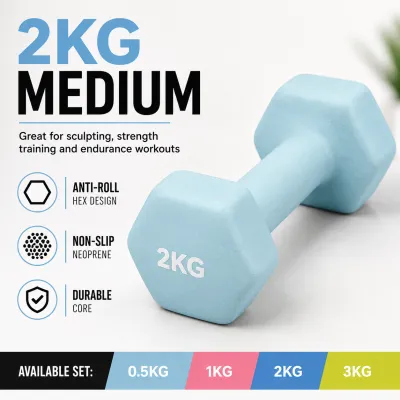
When space is limited, the physical design of your fitness equipment directly impacts how often and how safely you use it. The first major consideration for HDB workouts is the shape of the dumbbell heads. Hexagonal designs are highly recommended over traditional round dumbbells for home environments. A hexagonal dumbbell stays exactly where you place it, preventing the weights from rolling across tiled or vinyl floors when you set them down between sets. This anti-roll feature is not just a matter of convenience; it prevents accidental damage to baseboards, furniture, and toes, and allows you to use the dumbbells safely as stable handles for floor exercises like push-ups or plank rows.
Products mentioned in this guide

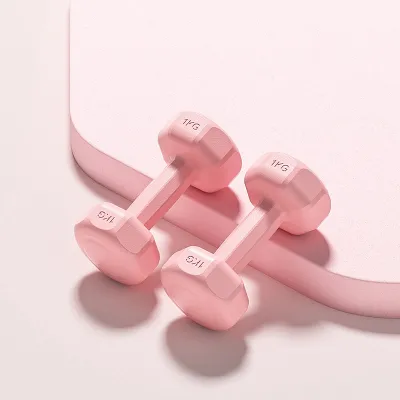
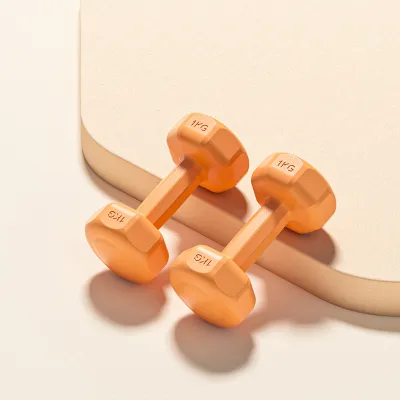
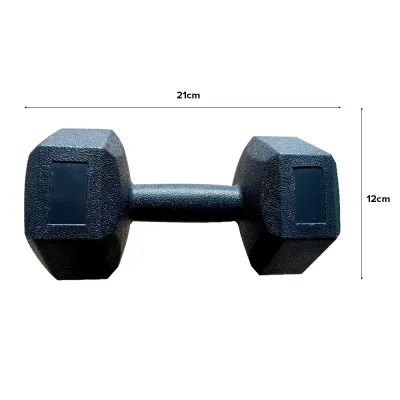
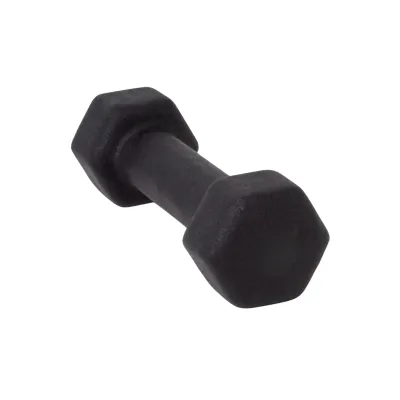
Prices are valid at publication and may change. Please refer to the product page for the latest price.
Noise reduction is another critical factor when exercising in high-density housing. Dropping or even gently setting down bare metal dumbbells on hard floors can create sharp, high-frequency vibrations that travel easily through concrete slabs to the flat below. Neoprene coatings act as a built-in sound dampener. The synthetic rubber layer absorbs the initial impact of contact, significantly reducing the clatter of metal against metal when racking the weights or placing them on the floor. While this coating does not make the weights completely silent, it lowers the decibel level enough to allow early morning or late-night workouts without disturbing your family or neighbors.
Ergonomics and handle design play a vital role in the comfort and safety of high-repetition home routines. Unlike heavy strength training in commercial gyms where thick, knurled steel handles are standard, home workouts often involve high-volume metabolic conditioning, pilates, or aerobic sculpting. Neoprene dumbbells typically feature contoured handles that taper slightly toward the center, matching the natural curve of a closed hand. This contouring distributes the weight more evenly across your palm, reducing localized pressure points and hand fatigue. For users with smaller hands, checking the handle diameter in the product specifications is essential to ensure a secure, comfortable grip that prevents the weight from slipping during dynamic movements.
Matching Weight Ranges to Your Fitness Level
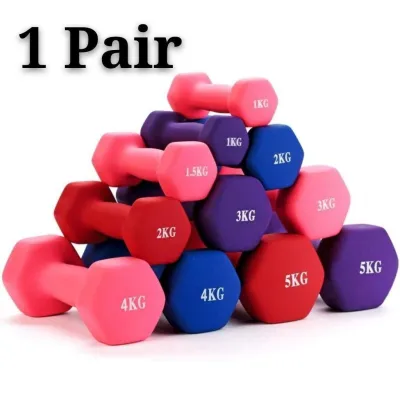
Selecting the right weight range requires an honest assessment of your current physical strength and your long-term fitness goals. Because neoprene dumbbells are fixed-weight implements, you cannot add or remove plates to adjust the resistance. For isolation exercises that target smaller muscle groups—such as lateral raises, bicep curls, and tricep extensions—most beginners find that weights ranging from 1kg to 3kg are sufficient for maintaining proper form. For compound movements that engage larger muscle groups—such as squats, lunges, and bent-over rows—you will generally require heavier weights, typically starting between 4kg and 8kg, to stimulate muscle growth and cardiovascular adaptation.

To progress in your fitness journey without cluttering your home with dozens of individual weights, you must plan a smart progressive overload strategy. Instead of buying every single weight increment, consider purchasing a curated set that skips minor steps where progression is rapid. For example, a progression of 2kg, 4kg, and 6kg pairs allows you to transition smoothly from light isolation work to moderate compound exercises. As your strength improves, you can increase the difficulty of your workouts by adjusting your training variables—such as slowing down the tempo of your repetitions, reducing rest times, or increasing the number of repetitions per set—before investing in the next heavier pair of dumbbells.
If floor space in your HDB flat is extremely tight, you may face a choice between a compact set of fixed neoprene dumbbells and an adjustable dumbbell system. Fixed neoprene dumbbells are highly durable, have no moving parts to break, and are ready to use instantly without any adjustment mechanism. They are also much gentler on floors and quieter to handle. However, if you require a very wide range of weights—such as everything from 2kg to 20kg—a full set of fixed dumbbells will require a dedicated storage rack. If your workout space is limited to a single storage drawer or a small closet, a compact three-pair neoprene set (such as 1.5kg, 3kg, and 5kg) on a small plastic stand offers a practical balance of versatility and footprint.
Evaluating Grip Texture and Neoprene Quality
Not all neoprene coatings are manufactured to the same standard, and understanding the differences can save you from purchasing equipment that degrades within a few months. High-quality neoprene dumbbells feature a thick, high-density synthetic rubber coating that is chemically bonded to the underlying cast iron core. This bonding process ensures that the coating remains tight and does not twist or slide around the handle during use. Lower-grade options often use thin, dip-coated PVC or low-density neoprene that can tear easily if scraped against a metal rack or a rough floor surface. When reading product listings on online marketplaces, look for descriptions that specify a matte, textured finish, which indicates a denser, more slip-resistant material.
The texture of the handle is your primary point of contact and directly affects your control over the weight. Standard neoprene has a naturally soft, slightly tacky texture that provides reliable slip resistance even when your hands are dry. However, during intense workouts in Singapore’s warm climate, sweat can accumulate on the smooth surface of the handle, making it slippery. Some premium neoprene dumbbells address this by incorporating subtle textured patterns, longitudinal ridges, or a slightly textured matte finish directly into the mold. Avoid dumbbells with completely smooth, glossy plastic coatings, as these lose almost all traction when wet and can easily slip from your grasp during overhead movements.
Another common issue with budget-friendly fitness equipment is off-gassing, which refers to the release of volatile organic compounds (VOCs) from cheap synthetic materials. Because HDB bedrooms and living rooms are often enclosed and air-conditioned, a strong, pungent chemical odor from low-quality dumbbells can quickly fill the space and cause headaches or respiratory discomfort. High-quality neoprene dumbbells undergo a proper curing process that minimizes residual odors. To avoid this issue, look for products that are certified as low-odor or made from virgin materials, and check user reviews specifically for mentions of strong chemical smells. If your new dumbbells do have a slight scent upon unboxing, leaving them in a well-ventilated, shaded area for a few days will usually allow the odor to dissipate safely.
Space-Saving Storage and Floor Protection
Proper storage is essential for keeping your HDB flat organized and preventing your workout gear from becoming a tripping hazard. For a small collection of two or three pairs, a compact, tiered tree rack (often called an A-frame rack) is the most space-efficient solution. These racks store the dumbbells vertically, utilizing vertical space rather than spreading out across your floor. A typical three-tier A-frame rack has a footprint of less than 0.1 square meters, allowing it to fit neatly into a corner of your bedroom, beside a wardrobe, or inside a utility closet. Ensure that the rack you choose has protective plastic inserts on the holders to prevent the metal edges of the rack from scratching or tearing the neoprene coating of your dumbbells.
While neoprene is much softer than bare iron, it is a common misconception that these dumbbells provide complete protection for your floors. A heavy dumbbell dropped from waist height can easily crack ceramic, porcelain, or homogenous tiles, and can leave deep dents in vinyl or laminate flooring. To safeguard your home’s surfaces and secure your housing deposit or property value, always perform your workouts on a dedicated protective mat. A high-density EVA foam puzzle mat or a 6mm-thick natural rubber gym mat will absorb the kinetic energy of a dropped weight, distributing the impact force across a wider area and protecting the structural subfloor from damage.
Environmental factors in Singapore also play a role in the lifespan of your fitness equipment. High humidity levels can accelerate the degradation of synthetic materials and promote rust if moisture penetrates any micro-tears in the neoprene coating. To prevent this, avoid storing your dumbbells on open balconies where they are exposed to direct sunlight, rain, or high humidity. UV rays can cause the vibrant colors of neoprene to fade and make the material brittle, leading to premature cracking and peeling. Store your dumbbells in a cool, dry, indoor location, and make it a habit to wipe them down after every workout to remove corrosive sweat and body oils.
Building Your Shortlist: Pre-Purchase Checks
Before you add a neoprene dumbbell set to your online shopping cart, performing a few quick verification steps can prevent the hassle of returning heavy items. First, check the exact physical dimensions of the dumbbells in the product specifications. Some budget brands use lower-density iron alloys or hollow cores filled with sand or concrete, resulting in dumbbells that are significantly larger and bulkier than solid cast-iron alternatives of the same weight. Compact solid-core dumbbells are much easier to maneuver during tight movements, such as chest presses or tricep extensions, where bulky weights might collide with each other or your body.
Next, verify the manufacturer’s weight tolerance specifications. High-quality fitness brands typically guarantee a weight tolerance of within 3% to 5% of the stated weight. Cheap, unbranded dumbbells can vary by as much as 10% or more, meaning a “5kg” dumbbell might actually weigh 4.5kg on one side and 5.3kg on the other, leading to muscle imbalances over time. Reading the product specifications carefully and checking customer feedback regarding weight accuracy will help ensure you receive a balanced set.
Finally, review the seller’s return and exchange policies, particularly concerning shipping damage and manufacturing defects. Because dumbbells are heavy, shipping costs can be substantial, and some sellers may require you to pay for return shipping even if the product arrives damaged. Look for reputable local distributors or official brand stores on online marketplaces that offer local warranty coverage or free returns for defective items. Inspect your dumbbells immediately upon delivery for any signs of split seams, peeling neoprene, or loose internal cores, and contact the seller right away if you notice any defects.
Frequently Asked Questions (FAQ)
Do neoprene dumbbells protect HDB floor tiles from cracking?
No, neoprene dumbbells do not provide sufficient impact absorption to protect HDB floor tiles from cracking if dropped. While the soft neoprene coating is excellent for preventing surface scratches, scuffs, and minor dings during normal handling, it cannot absorb the heavy kinetic energy of a falling weight. Ceramic, homogenous, and vinyl tiles are brittle and can easily crack or dent under sudden impact. To protect your flooring, always perform your exercises over a high-density rubber gym mat or thick EVA foam tiles, and avoid dropping the weights from any height.
How do I clean sweat and residue off neoprene coatings?
To clean your neoprene dumbbells, wipe them down after every workout with a soft microfiber cloth dampened with warm water and a few drops of mild dish soap. Gently rub the surface to remove sweat, body oils, and chalk residue, then wipe them again with a clean, damp cloth to remove any soap film. Allow the dumbbells to air dry completely in a well-ventilated, shaded indoor area before storing them. Avoid using harsh chemical cleaners, bleach, alcohol-based sanitizers, or abrasive scrubbing pads, as these substances can dry out the synthetic rubber, causing the neoprene coating to become brittle, discolor, and crack over time.
Community discussion
Share your experience or ask a question. Comments are reviewed before publication.