
Selecting the right adjustable dumbbells for a compact home in Singapore requires balancing your strength goals with the physical realities of modern apartment living. In space-constrained environments like Housing & Development Board (HDB) flats and condominiums, dedicating an entire room to a fitness setup is rarely an option. Instead of cluttering your living area with a bulky rack of fixed-weight dumbbells, a single pair of adjustable dumbbells offers a complete weight range within the footprint of a shoe box. By understanding how different adjustment mechanisms operate, how to measure your available space, and how to protect your floors, you can build an efficient, highly functional home gym that fits seamlessly into your daily routine.
The Space and Versatility Benefits of Adjustable Dumbbells
Traditional strength training setups rely on multiple pairs of fixed-weight dumbbells to facilitate progressive overload. A standard progression from 2 kg to 24 kg in 2 kg increments requires twelve separate pairs of dumbbells. Storing this collection requires a multi-tier weight rack that can easily consume over a meter of wall space and protrude significantly into your living area. In a compact apartment, this level of equipment accumulation quickly leads to physical and visual clutter, making your living space feel cramped and disorganized.
Adjustable dumbbells solve this spatial challenge by consolidating an entire rack of weights into two individual handles and a pair of compact docking cradles. When stored, the entire system occupies only a fraction of the floor space required by a traditional rack. This compact footprint allows you to keep your workout gear in a corner of your living room, study, or bedroom without disrupting the flow of your home.
Products mentioned in this guide
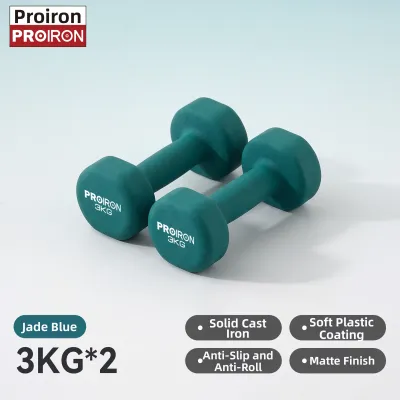
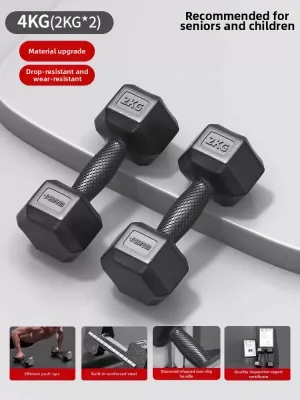

Prices are valid at publication and may change. Please refer to the product page for the latest price.
Beyond saving physical space, adjustable dumbbells are highly effective for progressive overload, which is the gradual increase of stress placed upon the body during exercise. To continue making strength gains, you must periodically increase the resistance you lift. With fixed dumbbells, this requires purchasing new pairs of weights as you get stronger, which continually adds to your storage burden. An adjustable set allows you to progress through various weight increments using the exact same physical footprint, supporting your long-term fitness journey without requiring additional square footage.
From a financial perspective, investing in a single set of adjustable dumbbells is highly cost-effective. While the upfront cost of a premium adjustable set can range from S$300 to S$800, purchasing twelve individual pairs of high-quality fixed dumbbells, along with a sturdy storage rack, often costs significantly more when factoring in retail markups and delivery fees. By choosing a single adjustable set, you save both valuable floor space and money over the course of your training progression.
How to Evaluate Footprint and Functionality for Small Homes
When shopping for adjustable dumbbells, it is essential to look beyond the maximum weight capacity and evaluate how the physical dimensions of the equipment will fit into your home. The total footprint of the system includes not just the dumbbells themselves, but also the storage cradles or stands that hold them. Some systems are designed to sit directly on the floor, while others are compatible with dedicated stands that elevate the weights to waist height. While a stand makes grabbing the weights easier on your back, it also increases the vertical and visual footprint of the equipment in your room.

Weight increment steps are another critical functional feature to analyze. Different systems offer varying increments, such as 1 kg, 2 kg, or 2.5 kg steps. If you plan to perform isolation exercises like lateral raises, bicep curls, or rotator cuff work, having smaller increment steps is vital for safe progression. A jump of 5 kg between settings may be manageable for compound movements like squats or chest presses, but it can be too steep a curve for smaller muscle groups, potentially leading to poor form or strain.
Handle ergonomics play a significant role in both comfort and safety during your workouts. Pay close attention to the grip length, diameter, and surface texture. A handle with a diameter between 28mm and 35mm is standard for most users. Additionally, look for handles featuring textured knurling rather than smooth plastic. In Singapore’s warm and humid climate, hands can quickly become sweaty during a workout, and a secure, knurled grip helps prevent the dumbbell from slipping mid-set.
Finally, you must consider the durability and warranty terms of the adjustment mechanism. Because adjustable dumbbells rely on internal gears, selector pins, or rotating shafts to lock the weight plates in place, they are more complex than solid metal fixed dumbbells. These internal components can be sensitive to sudden impacts. Before purchasing, verify the manufacturer’s warranty coverage, paying close attention to what is covered regarding the locking mechanism and structural integrity under normal home use conditions.
Matching Dumbbell Mechanisms to Your Training Routine
To find the ideal adjustable dumbbells for your home, it is helpful to use a condition-based shortlist approach. Rather than focusing on specific brand names, categorize your options by their mechanical design: dial-adjustable systems, selectorized pin systems, and manual loadable handles. Each of these designs offers distinct advantages and trade-offs depending on your primary training style, budget, and space constraints.
If your workouts consist of fast-paced training styles like supersets, drop sets, or circuit training, you will require a mechanism that allows for rapid weight transitions. Conversely, if your routine focuses on heavy, slow compound lifts where rest periods between sets are longer, a slightly slower but highly robust adjustment system may be more appropriate. Matching the mechanism to your specific workout habits ensures a smoother training experience.
Dial-Adjustable Systems for Rapid Weight Changes
Dial-adjustable dumbbells utilize a rotating dial located on the outer edge of the dumbbell or a mechanism that rotates the handle itself to select the desired weight. When you turn the dial to your chosen setting, internal gears engage the corresponding weight plates while leaving the remaining plates secured in the storage cradle. When you lift the handle, only the selected weight is removed, leaving the rest of the stack neatly organized.
This system is highly favored for its speed and convenience, allowing you to transition between different weights in a matter of seconds. The storage cradles are typically designed to be as compact as possible, keeping the overall footprint of the system to an absolute minimum when stored in a corner or closet.
However, because dial systems rely on intricate internal gear networks, they require careful handling. It is critical to always listen for a distinct “click” or check the visual alignment indicator to ensure the mechanism is fully locked before lifting the dumbbell out of its cradle. Additionally, these systems must never be dropped on the floor, as a hard impact can easily misalign or crack the internal gears, rendering the adjustment mechanism unusable.
Selectorized Pin Systems for Heavy Lifting
Selectorized pin systems utilize a heavy-duty selector pin, similar to those found on weight stack machines in commercial gyms, or a robust sliding lock to secure the plates. To change the weight, you insert the pin into the side of the weight block at your desired increment. This design often results in a highly compact, block-shaped dumbbell that feels incredibly solid and balanced in the hand.
Because these systems feature fewer delicate internal gears than dial-adjustable models, they are often favored by lifters who prioritize durability and heavier weight ranges. The block shape also prevents the dumbbells from rolling away when set down on the floor between sets, which is a useful safety feature in tight spaces.
One trade-off to consider is that selectorized pin systems often have a fixed handle length. This means the physical length of the dumbbell remains the same whether you are lifting 5 kg or 25 kg, which can occasionally feel bulky during certain movements like bicep curls or overhead presses. Before purchasing, verify that the physical dimensions of the weight blocks fit comfortably within your available floor space and allow for a full, natural range of motion.
Loadable Handles for Budget-Conscious Setups
Loadable handles represent a more traditional approach to adjustable weights, consisting of a threaded steel bar and individual weight plates secured by spinlock collars or heavy-duty spring clamps. To adjust the weight, you must manually slide the plates onto the sleeves and tighten the collars before starting your set.
While this manual process is significantly slower than using a dial or pin system, loadable handles are highly durable and represent the most budget-friendly option for home strength training. Because there are no complex internal mechanisms to break, these handles can withstand years of heavy use with minimal maintenance.
However, storing loadable handles in a small apartment requires extra planning. Unlike dial or pin systems that come with a dedicated cradle, loadable setups leave you with loose weight plates when they are not in use. You will need to allocate additional storage space, such as a dedicated storage box or a small plate tree, to keep the loose plates organized and prevent them from rolling around your floor. Additionally, you must perform a strict safety check before every set to ensure the spinlock collars are tightened completely, preventing the plates from sliding off during vertical movements.
Integrating Your Equipment into HDB and Condo Layouts
Successfully setting up a home gym in a Singapore apartment requires careful spatial planning to ensure safety and maintain household harmony. Start by identifying low-traffic zones or multi-purpose areas within your layout. A quiet corner of a study room, a dedicated spot in the living room, or a sheltered, enclosed balcony area can serve as excellent workout zones. Avoid placing your equipment in high-traffic hallways or near doorways where family members might trip over the storage cradles.
Protecting your apartment’s flooring is a primary concern when training with heavy weights. Whether your home features ceramic tiles, vinyl planks, or parquet timber, dropping or even setting down heavy dumbbells can easily cause scratches, dents, or cracks. To prevent this damage, always place high-density interlocking rubber mats (at least 10mm to 20mm thick) over your workout area. These mats not only protect your floor surface but also help dampen the acoustic vibrations that travel through concrete floors, keeping noise levels low for your downstairs neighbors.
If you do not have the space to keep your dumbbells on a permanent stand in your living area, look for low-profile models that can be easily stored out of sight. Many standalone adjustable dumbbell cradles are low enough to slide directly under a bed frame or fit neatly at the bottom of a wardrobe when your workout is finished. This allows you to maintain a clean, clutter-free living space when you are not training.
Environmental factors must also be taken into account, particularly Singapore’s high relative humidity. Storing your dumbbells in areas exposed to moisture, such as open, unsheltered balconies or near wet kitchen zones, can accelerate rust on metal plates and degrade the lubricants inside mechanical adjustment systems. To ensure the longevity of your equipment, store your dumbbells in a well-ventilated, dry indoor space, preferably one that is air-conditioned or kept away from direct sunlight and rain.
Essential Safety Checks and Maintenance for Home Use
To ensure the safe operation and long lifespan of your adjustable dumbbells, establishing a routine of proper handling and maintenance is essential. The most critical rule of using adjustable dumbbells at home is the strict “no-drop” policy. Unlike solid iron dumbbells found in commercial gyms, home-use adjustable dumbbells are precision-engineered tools. Dropping them from any height can damage the internal locking pins, crack plastic dials, or misalign the plate selection tracks, which can cause plates to fall out unexpectedly during a lift.
Sweat contains salt and moisture, both of which are highly corrosive to metal components. After every workout session, take a few moments to wipe down the handles, weight plates, and storage cradles with a dry or slightly damp microfiber cloth. Avoid using harsh chemical solvents, bleach, or abrasive cleaning sprays, as these can strip away protective rust-resistant coatings or degrade plastic parts over time.
Before you begin your first set of any workout, perform a quick visual and physical safety inspection. Ensure that all weight plates are seated correctly within their slots and that the selector dials or pins are fully engaged in their locked positions. Give the dumbbell a gentle shake while it is still close to the floor to verify that there is no play or wobbling in the plates before lifting them overhead.
Over time, the moving parts of your dumbbell’s adjustment mechanism may begin to feel stiff or resistant. If this occurs, do not attempt to force the mechanism, as this can strip the internal gears. Instead, consult the manufacturer’s guidelines or contact your local retailer for specific maintenance instructions. Some systems may require a light application of dry silicone lubricant to the moving joints, while others are designed to run dry and may only require a thorough dust removal.
Frequently Asked Questions (FAQ)
Can I drop adjustable dumbbells on the floor during a workout?
No, you should never drop adjustable dumbbells. Most adjustable models contain complex internal gears, selector pins, or alignment tracks that are highly susceptible to damage from sudden impacts. Dropping them can break these components, rendering the adjustment mechanism useless and creating a safety hazard where plates could slip out during use. Always control the weights all the way down to your protective floor mats.
Do adjustable dumbbells require assembly or special maintenance?
Most premium dial and pin-adjustable dumbbells arrive fully pre-assembled in their storage cradles, requiring no initial setup. Maintenance is straightforward: wipe off sweat with a dry microfiber cloth after every workout to prevent rust, store them in a dry indoor area away from high humidity, and periodically inspect the locking mechanism to ensure all parts move smoothly without forcing them.
How much floor space do I realistically need for a dumbbell workout?
For a safe and comfortable dumbbell workout, you should clear a flat area of approximately 2 by 2 meters. This space allows you to perform dynamic movements like lunges, chest presses, and lateral raises without hitting furniture or walls. Additionally, check your ceiling clearance before performing overhead movements, especially if your apartment has low false ceilings or hanging light fixtures.
Community discussion
Share your experience or ask a question. Comments are reviewed before publication.