
Selecting the right 5kg weight plates for a home gym in Singapore requires balancing your existing equipment, training style, and living space. In a typical Singaporean residential setting, such as an HDB flat or condominium, factors like floor protection, noise dampening, and compact storage are just as critical as the weight itself. A 5kg plate serves as a highly versatile incremental step for progressive overload, making it a staple for both barbell and dumbbell setups. By evaluating your specific training environment and understanding the structural differences between available options, you can build a safe, durable, and highly functional home workout space.
Assessing Your Home Gym Setup and Training Goals
Before purchasing any weight plates, you must evaluate how they will integrate with your current and future fitness equipment. The 5kg weight plate is a transitional increment, bridging the gap between light warm-ups and heavy working sets. However, its utility depends heavily on whether you are loading it onto a standard barbell, an Olympic barbell, or adjustable dumbbell handles. Dumbbell shafts typically have shorter sleeves, meaning the thickness of the plate directly limits how many plates you can stack. Conversely, barbell sleeves offer more space but require plates that can withstand different rotational forces and drop impacts.
Space constraints are a defining factor for home gyms in Singapore, where dedicated workout rooms are rare. Most fitness enthusiasts set up their gear in living rooms, spare bedrooms, or enclosed balconies. Storing multiple 5kg plates requires a systematic approach to keep the area organized and safe. Vertical plate trees, under-bed storage containers, or wall-mounted pegs are excellent solutions to prevent clutter. If you plan to expand your collection later, choosing plates with a uniform design or stackable profile will save significant floor space and make transitions between exercises much smoother.
Products mentioned in this guide
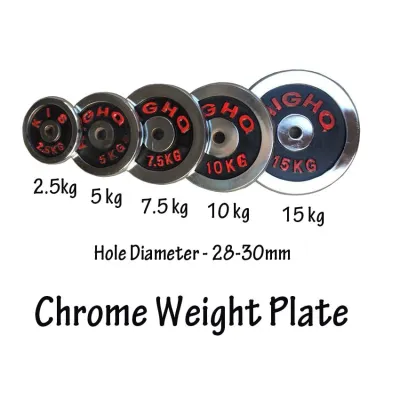
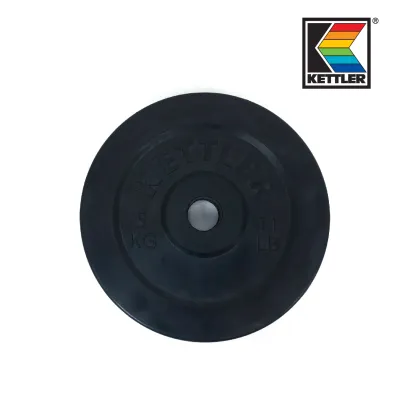
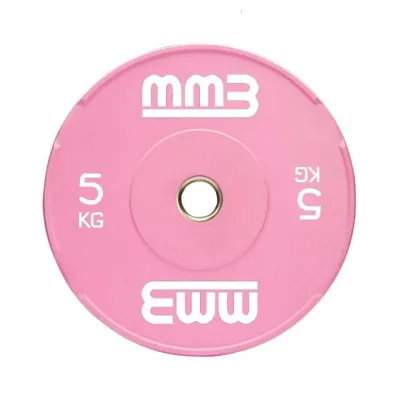
Prices are valid at publication and may change. Please refer to the product page for the latest price.
Noise reduction and floor protection are paramount when training at home, especially in high-density housing where vibrations travel easily through concrete floors. Dropping bare metal plates, even from a low height, can cause structural damage to tiles or vinyl flooring and disturb neighbors. To mitigate this, you must assess your flooring setup alongside your plate selection. Utilizing high-density rubber gym mats is a standard practice, but pairing them with the right plate material adds an extra layer of protection. Understanding these environmental factors helps narrow down whether you need highly cushioned plates or if compact, rigid options are more suitable for your controlled movements.
Comparing Common Weight Plate Materials and Coatings
Weight plates are manufactured from several distinct materials, each offering unique performance characteristics, durability levels, and tactile experiences. Cast iron plates are the traditional choice, valued for their slim profile and classic metallic sound. They allow you to fit more weight onto a barbell sleeve, making them ideal for strength training where space on the bar is at a premium. However, bare cast iron is highly susceptible to rust in Singapore’s humid climate and offers zero impact absorption, making high-quality flooring protection absolutely mandatory.

Rubber-coated plates provide a practical middle ground for home users. These plates feature a cast iron core encased in a layer of vulcanized or recycled rubber, which significantly dampens noise and protects floors from minor impacts. While they are highly durable for general strength training, they are not designed to be dropped from overhead or shoulder height. Additionally, some budget-friendly rubber plates can emit a strong chemical odor initially, requiring a period of off-gassing in a well-ventilated area, such as a service yard or balcony, before indoor use.
Urethane plates represent a premium alternative to standard rubber. Polyurethane is highly resistant to tears, scratches, and degradation caused by sweat or humidity, making it exceptionally long-lasting. Urethane plates do not emit the strong odors associated with low-grade rubber and maintain their color and finish over years of heavy use. The primary trade-off is cost, as urethane is significantly more expensive than cast iron or rubber. For lifters seeking a clean, odor-free, and highly durable option for a climate-controlled indoor space, urethane is often the preferred investment.
Bumper plates are constructed entirely of high-density rubber with a brass or steel center sleeve. They are specifically engineered to be dropped from overhead during Olympic weightlifting or functional fitness workouts. Because they are designed to absorb the entire impact of a drop, they are much thicker than cast iron or rubber-coated plates. A 5kg bumper plate is particularly vulnerable to bending or “tacoing” if dropped alone on a bar, as its thin profile lacks the structural rigidity of heavier bumper plates. Therefore, 5kg bumpers should generally be used with care and not dropped in isolation.
Evaluating Design Features for Daily Use
Beyond material composition, the physical design of a 5kg plate dictates how easily you can handle it during daily workouts. Plates with integrated grip handles, often featuring a three-hole or tri-grip design, are significantly easier to carry, load, and unload. These cutouts allow you to use the plate independently for exercises like steering wheels, weighted planks, Russian twists, or overhead presses. Solid plates, while traditional, can be difficult to pinch and lift off the floor, especially when lying flat, increasing the risk of pinched fingers or dropped weights.
The center hole diameter is the most critical compatibility specification you must verify before buying. Standard plates feature a 25mm to 28mm (approximately 1-inch) center hole, designed to fit standard home gym barbells and dumbbell handles. Olympic plates feature a 50mm (approximately 2-inch) center hole, which is the global standard for commercial gym equipment and high-quality training bars. Attempting to use standard plates on an Olympic bar is physically impossible, while using Olympic plates on a standard bar creates a highly unstable and dangerous loose fit. Always match your plate’s inner diameter to your bar’s sleeve diameter.
Plate thickness directly influences how much total weight you can load onto your barbell or dumbbell sleeves. Slimmer plates, such as cast iron or machined steel options, allow you to stack numerous plates closely together, keeping the center of gravity tight and maximizing the bar’s capacity. Thicker plates, such as rubber-coated or bumper plates, take up substantially more sleeve space. If you are using adjustable dumbbell handles with limited sleeve length, thick 5kg plates will severely limit the maximum weight you can assemble, making plate thickness a key variable in your progression planning.
Sourcing and Verifying Quality in the Local Market
When sourcing 5kg weight plates in Singapore, you have access to a variety of local sports retailers, specialized fitness equipment showrooms, and online marketplaces. Visiting a physical showroom allows you to inspect the build quality, feel the grip texture, and check for any immediate manufacturing defects. Specialized fitness stores often carry higher-grade equipment designed for heavy training, whereas general sporting goods stores may offer more budget-friendly, entry-level options. Choosing a reputable local supplier ensures you have a direct point of contact should any issues arise during or after delivery.
If you prefer the convenience of online shopping, verifying seller credentials on local e-commerce platforms is essential. Look for established sellers with high positive ratings and a history of selling fitness equipment. When reading customer reviews, look past the overall star rating and focus on specific feedback regarding product odor, dimensional accuracy, and shipping packaging. Authentic reviews often include user-uploaded photos showing how the plates arrived and how they fit on standard bars. Be cautious of listings with generic descriptions and no clear customer feedback.
Before finalizing any purchase, carefully review the seller’s return policies and warranty terms. Weight plates are heavy, dense items, and shipping them back due to an ordering error or a manufacturing defect can be costly and logistically challenging. Ensure the retailer offers a clear resolution process for items damaged during transit, such as cracked coatings or bent center inserts. A reliable warranty, even a short-term one covering manufacturing defects, provides peace of mind that the manufacturer stands behind the structural integrity of their product.
Building Your Final Shortlist
To finalize your decision, compile a structured shortlist that aligns your training needs with your budget. Prices for 5kg plates in Singapore can vary widely based on material, brand, and design features. Establish a clear budget in S$ per pair or per kilogram, keeping in mind that investing slightly more in durable materials like urethane or high-quality rubber-coated iron can save money in the long run by preventing floor damage and premature wear. Balance your immediate financial constraints with the long-term value of the equipment.
If possible, plan a visit to a local store to perform a physical inspection of the plates on your shortlist. Check the casting quality of iron plates for any sharp edges, air bubbles, or uneven surfaces that could scratch your hands or equipment. For rubber or urethane-coated plates, inspect the seams where the coating meets the metal core, ensuring there are no gaps, peeling, or loose inserts. The center sleeve should be securely bonded to the plate body; any play or movement in the center ring is a sign of poor manufacturing that will worsen over time.
Finally, confirm the total shipping costs and delivery timelines before placing your order. Because weight plates are heavy, standard shipping fees can escalate quickly, sometimes offsetting the savings of a cheaper online listing. Many local Singaporean retailers offer free delivery or self-collection options once a certain spending threshold is met. Ensure that the delivery service includes drop-off directly to your doorstep, especially if you live in a high-rise building with lift access, to avoid the physical strain of transporting heavy packages from a ground-floor drop point.
Frequently Asked Questions (FAQ)
Can I use Olympic 5kg plates on a standard barbell?
No, you should not use Olympic 5kg plates on a standard barbell. Olympic plates have a 50mm center hole, while standard barbells have a much thinner 25mm to 28mm sleeve. Placing an Olympic plate on a standard bar results in a loose, unstable fit where the plate can slide, tilt, and wobble violently during exercises. This imbalance compromises your lifting form and poses a severe safety risk if the plate slips off. While adapter sleeves are available to convert standard bars to Olympic dimensions, they must be securely fastened and rated for the weight you intend to lift.
Are rubber-coated plates safe for indoor home gyms?
Yes, high-quality rubber-coated plates are generally safe for indoor home gyms, provided you manage initial off-gassing. Some newly manufactured rubber plates release volatile organic compounds (VOCs) that produce a strong, distinct odor. To mitigate this, leave new plates in a well-ventilated outdoor space, such as a balcony or service yard, for a few days until the smell dissipates. Once cleared, the rubber coating serves as an excellent protective barrier, reducing noise and preventing scratches on your floors compared to bare cast iron plates.
How do I maintain and clean my weight plates?
To maintain your weight plates, wipe them down regularly with a damp microfiber cloth and a mild, non-abrasive soap solution to remove sweat, dust, and skin oils. Avoid harsh chemical solvents or bleach, which can degrade rubber, urethane, or paint coatings. For bare cast iron plates, keep them completely dry and occasionally apply a thin coat of 3-in-1 oil or mineral oil to prevent rust formation. Store all plates in a dry, climate-controlled indoor environment away from direct sunlight, and routinely inspect them for any signs of cracking, peeling, or loose center inserts.
Community discussion
Share your experience or ask a question. Comments are reviewed before publication.