
Selecting the right West Biking light for night riding on Singapore’s Park Connector Network (PCN) depends on matching the specific lighting conditions of your route with the light’s beam pattern, output, and battery life. Rather than simply choosing the highest lumen count, you should evaluate product specifications and adjust your setup to ensure safe, comfortable rides on shared paths.
Singapore’s PCNs offer a diverse range of environments, from brightly lit coastal paths to pitch-black, canopy-covered stretches near nature reserves. Navigating these transitions safely requires a reliable front light that can adapt to changing ambient light levels while remaining respectful of other path users. By understanding what to look for in a West Biking light, you can make an informed choice that enhances your safety without causing discomfort to oncoming pedestrians or cyclists.
Understanding the Lighting Conditions on Singapore's Park Connectors
The PCN is a highly integrated network, but its lighting is far from uniform. Urban stretches, such as those running through housing estates or alongside major roads, often benefit from abundant ambient street lighting. In these areas, your primary need is not necessarily to illuminate the path ahead, but rather to ensure that pedestrians, joggers, and other cyclists can see you clearly from a distance.
Products mentioned in this guide
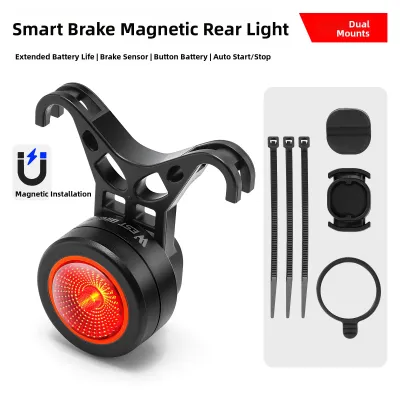
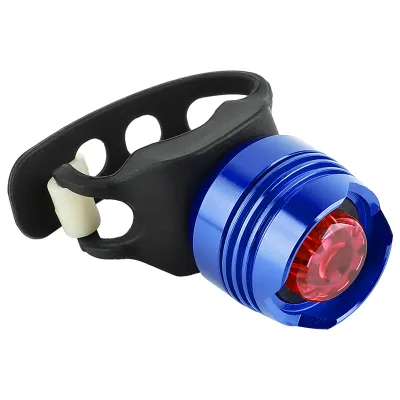
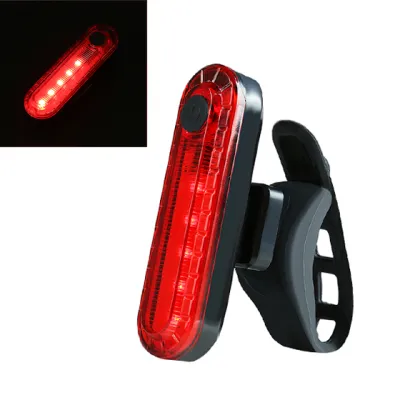
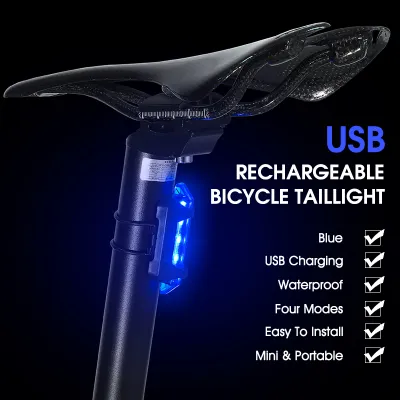
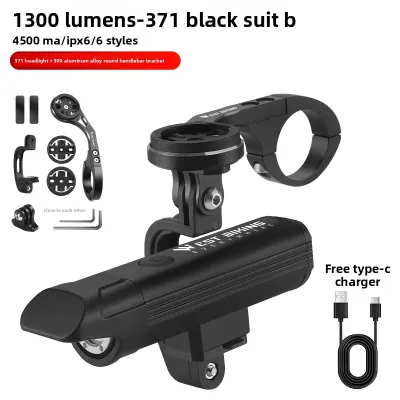
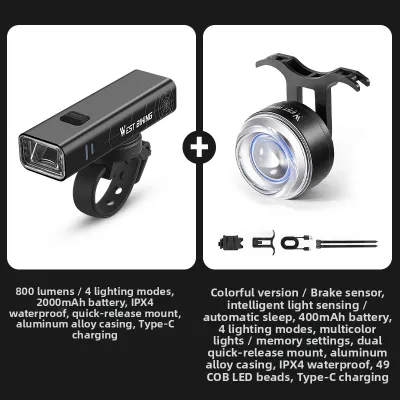
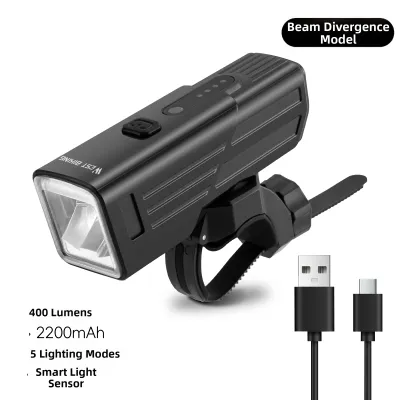
Prices are valid at publication and may change. Please refer to the product page for the latest price.
Conversely, when you venture into nature-adjacent sections, such as parts of the Ulu Pandan PCN or the Northern Eastern Riverine Loop, the canopy can block out ambient light entirely. In these dimly lit or completely unlit zones, a powerful, focused beam becomes essential for spotting uneven pavement, fallen branches, or sudden turns. Without adequate illumination, riding at typical commuting speeds in these dark zones can be highly hazardous.
Singapore’s tropical climate also plays a significant role in night visibility. High humidity and frequent evening showers can leave the asphalt damp, which absorbs more light and makes the ground appear much darker than it actually is. A light that seems perfectly adequate on a dry night might feel insufficient during a damp evening ride, meaning you need a model with enough power to cut through the moisture.
Shared paths also mean you are constantly sharing space with a variety of users, including families with young children, runners wearing dark clothing, and personal mobility device users. This high-density environment requires a light that offers a controlled beam pattern. A light that scatters glare in all directions can temporarily blind oncoming path users, creating dangerous situations on narrow paths.
Key Specifications to Evaluate in West Biking Lights
When browsing West Biking lights on an online marketplace, you will encounter various technical specifications. The most prominent of these is the lumen rating, which measures the total amount of visible light emitted by the source. To ensure you are getting a light suitable for unlit PCN stretches, look for models that offer adjustable brightness levels, allowing you to toggle between lower outputs for lit areas and higher outputs for dark zones.

The beam pattern is equally critical and is generally divided into wide flood beams and focused spot beams. A wide flood beam is excellent for illuminating the edges of the path, helping you spot pedestrians stepping off the grass or low-hanging branches. A focused spot beam, on the other hand, throws light further down the path, which is vital for high-speed riding. For the PCN, a hybrid beam pattern or a light with an adjustable lens is often the most versatile choice.
Given Singapore’s sudden tropical downpours, checking the water-resistance rating on the product packaging is a critical step. A light that cannot withstand a sudden splash or heavy rain can fail unexpectedly, leaving you stranded in the dark. Ensure the charging port cover is made of thick, snug-fitting rubber to prevent water ingress during a wet ride.
Battery runtime and charging compatibility are practical considerations that dictate the length of your rides. Look for lights that feature clear battery runtime indicators, such as color-coded LED power buttons, so you are never caught off guard by a sudden blackout. USB-C charging compatibility is highly convenient, allowing you to top up the battery using a standard power bank or phone charger during a rest stop at a local food centre.
Finally, pay close attention to the mounting mechanism. Singapore’s PCNs feature various surfaces, including smooth asphalt, concrete slabs, and occasional wooden boardwalks. The vibrations from riding over these transitions can cause a loose light to slip, pointing either directly into the sky or down at your front wheel. A robust mounting bracket with a secure silicone strap or a screw-tight clamp is essential to keep the light stable throughout your journey.
Matching Light Features to Your PCN Riding Style
Your choice of a West Biking light should align closely with how and when you ride. If your typical route involves transitioning between well-lit park connectors and dark, rustic paths, you need a light with easily accessible mode-switching buttons. Being able to quickly drop your brightness level when entering a crowded, well-lit area prevents you from blinding others, while a quick tap can restore full power as you enter a dark stretch.
If you plan to ride the entire Round Island Route or long stretches of the PCN over several hours, managing your light’s power modes is essential. Running your light on its highest setting continuously will drain the battery rapidly. Learning to use medium or low modes on well-lit paths to conserve energy, reserving the high-power mode exclusively for dark, unlit segments, ensures your light lasts the entire trip.
Riding speed is another major factor in determining your lighting needs. Leisurely, family-paced riders traveling at lower speeds do not require a long-throw beam, as their stopping distance is short; a wide, low-intensity floodlight is usually sufficient. However, if you use the PCN for fast fitness training or long-distance commuting, you will need a light that projects far enough ahead to give you ample time to react to obstacles at higher speeds.
Do not overlook the importance of side visibility. Many PCN routes intersect with minor roads, driveway entrances, and underpasses where side-on visibility is crucial. Look for West Biking models that feature side cut-outs or secondary amber lights on the housing. These small design details allow light to spill out laterally, making you significantly more visible to drivers and other path users approaching from the side.
Practical Setup and Safety Checks for Shared Paths
Even the best bike light can become a hazard if it is not installed and operated correctly. The most important step in setting up your front light is adjusting its vertical angle. Always aim the beam downward so that the brightest part of the hotspot hits the ground approximately five to ten meters in front of your bicycle. This ensures the path is clearly illuminated while keeping the glare well below the eye level of oncoming pedestrians and cyclists.
Before setting off on any night ride, perform a quick pre-ride inspection. Turn the light on to verify that the battery is fully charged and that all brightness modes are functioning correctly. Give the mounting bracket a firm wiggle to ensure it is tightly secured to your handlebars; a loose mount can cause the light to shift during your ride, distracting you and potentially blinding others.
Regular maintenance will extend the life of your equipment and keep it performing at its best. Wipe down the light lens with a damp cloth after riding in humid or rainy weather to remove road grime, dust, and water spots that can scatter the beam and reduce brightness. Additionally, inspect the silicone straps or plastic brackets regularly for signs of cracking or wear, replacing them before they fail mid-ride.
Frequently Asked Questions (FAQ)
Do I need a rear light if my front light is bright enough?
Yes, a rear light is essential for safe night riding on the PCN. While your front light illuminates the path ahead and alerts oncoming users to your presence, a rear red light is crucial for ensuring you are visible to faster cyclists overtaking you from behind. It also makes you visible to motorists when you cross roads or navigate intersections connecting different sections of the park connector network.
How do I prevent my bike light from blinding pedestrians on shared paths?
To avoid blinding others, mount your light with a downward tilt so the beam focuses on the ground ahead of you rather than pointing horizontally. When riding through well-lit or crowded areas of the PCN, switch your light to a lower brightness setting or a dedicated low-beam mode. Some riders also use their hand to temporarily shield the top of the light lens when passing pedestrians in very tight spaces.

Community discussion
Share your experience or ask a question. Comments are reviewed before publication.