
Beginners starting their golf journey in Singapore often face an overwhelming array of gear choices, but the humble golf tee is one of the most critical starting points. For those just learning the fundamentals of the swing, standard wooden golf tees—specifically a combination of 2.75-inch and 3.25-inch hardwood or bamboo options—provide the ideal balance of feedback, cost-efficiency, and course etiquette. Unlike plastic alternatives that bend and mask swing errors, wooden tees offer immediate physical feedback on your angle of attack while remaining highly affordable as you navigate the inevitable high-loss learning phase. Selecting the right wooden tee involves understanding how different lengths, materials, and cup designs interact with your clubs and swing mechanics.
Why Wooden Golf Tees Are Ideal for Beginners
When you are first learning to strike a golf ball, your swing path is naturally inconsistent. This inconsistency leads to frequent “fat” or “thin” shots where the clubhead strikes the tee directly rather than sweeping cleanly through the ball. As a result, beginners can easily go through a dozen or more tees during a single 18-hole round or a productive driving range session. Wooden tees are exceptionally cost-effective, typically sold in bulk packs of 100 or more for just a few dollars (often ranging from S$3 to S$8). This low cost per unit removes the anxiety of breaking or losing equipment, allowing you to focus entirely on your swing mechanics without worrying about the financial cost of every missed strike.
One of the greatest developmental benefits of using wooden tees is the immediate, honest feedback they provide on your swing path and angle of attack. When you strike a ball with a driver, your clubhead should ideally be moving slightly upward at impact. If your swing is too steep—meaning you are chopping down on the ball—the clubhead will strike the wooden tee with downward force, snapping it instantly. A clean, unbroken tee or a tee that pops gently backward out of the turf usually indicates a proper, sweeping swing path. Plastic tees, which bend and flex under poor strikes, often mask these critical errors, leaving you unaware of why your ball flight is low or inconsistent.
Products mentioned in this guide
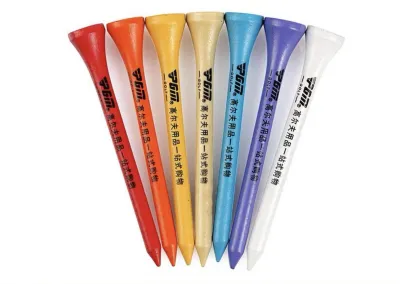
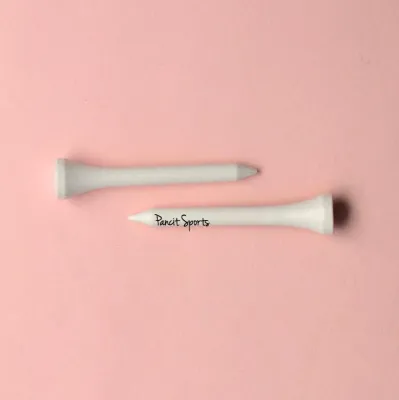
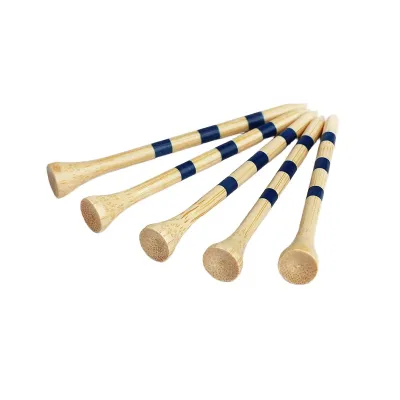
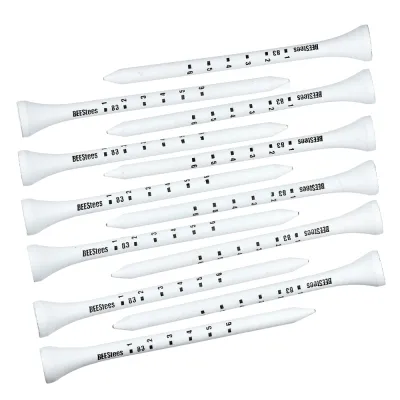
Prices are valid at publication and may change. Please refer to the product page for the latest price.
Golf courses in Singapore are meticulously maintained landscapes where turf health and machinery preservation are top priorities. When plastic tees break or are left behind in the grass, they do not decompose. These discarded plastic fragments can easily dull or damage the expensive reel mowers used by greenkeepers to maintain the tee boxes and fairways. Furthermore, plastic debris poses a hazard to local wildlife and clutters the natural beauty of the course. Wooden tees are entirely biodegradable, breaking down naturally over time without leaving harmful synthetic residues in the soil. Using wood is a fundamental part of golf etiquette, showing respect for the course and the community of players who share it.
Key Specifications to Check Before Buying
Wooden tees are not a one-size-fits-all accessory; they are manufactured in precise lengths ranging from 1.5 inches to over 3.25 inches to accommodate different clubs and swing styles. The length of the tee determines how deep you can insert it into the ground while still leaving enough height to position the ball correctly relative to your club’s sweet spot. For beginners, understanding these length variations is crucial because using a tee that is too short for a modern, large-faced driver will force you to hit down on the ball, leading to high, spinning slices. Conversely, using a tee that is too long for an iron or hybrid will cause you to strike the ball too high on the clubface, resulting in a severe loss of distance.

The top of a golf tee features a cup designed to cradle the ball securely before your swing. Standard wooden tees utilize a traditional concave cup, which provides a stable, reliable platform that keeps the ball from falling off, even in windy conditions or when your hands are shaking with beginner nerves. Some specialized wooden tees feature modified cup designs, such as shallow cups or multi-prong tops, which aim to minimize the surface area in contact with the ball. While these low-friction designs are marketed as a way to reduce side spin and increase distance, beginners generally benefit more from the stability of a standard concave cup, as it minimizes setup frustration on the tee box.
Not all wooden tees are made from the same type of timber, and the choice of material directly impacts durability and performance. Traditional wooden tees are crafted from hardwoods like birch or maple, which offer a clean, crisp snap upon impact and a highly consistent density. In recent years, bamboo has emerged as a highly popular alternative. Although bamboo is technically a grass, its fibrous structure gives it exceptional tensile strength and flexibility compared to standard hardwoods. Bamboo tees tend to resist shearing forces better, meaning they often last through multiple clean shots before splintering, making them an excellent choice for beginners looking for a slightly more durable natural option.
Building Your First Wooden Tee Shortlist by Club Type
When you are teeing off with a modern driver, which typically features a large 460cc clubhead, you need a tee that allows you to position the ball high in the air. For this purpose, your shortlist should include wooden tees measuring between 2.75 inches and 3.25 inches. This length ensures that you can push the tee roughly 1 to 1.25 inches into the ground for stability while still leaving the remaining portion high enough so that the equator of the golf ball sits level with or slightly above the top crown of your driver. This height is essential for achieving the upward angle of attack required to maximize launch angle and minimize spin, helping you get the ball airborne more easily.
When you step up to a par-three hole or decide to tee off with a fairway wood, hybrid, or iron for better accuracy, using a long driver tee is highly impractical. For these clubs, you should look for shorter wooden tees measuring between 1.5 inches and 2.125 inches. Alternatively, graduated “step” tees (often called castle tees) are incredibly helpful for beginners. These tees feature a wider collar or “step” carved into the wood at a specific height. When you push a step tee into the ground, the collar stops at the turf line, ensuring that the ball is positioned at the exact same height every single time, removing all guesswork from your setup.
If you find yourself struggling with excessive side spin—which causes the ball to curve dramatically to the left or right (slices and hooks)—you might consider adding low-profile or pronged wooden tees to your bag. These tees feature a minimized cup area that reduces the physical contact between the wood and the cover of the golf ball. While equipment cannot replace proper swing training, reducing the friction at the point of launch can offer a minor margin of error. More importantly, the clean visual profile of a minimalist tee can help reduce visual clutter at address, allowing you to focus on a smooth, centered strike.
When to Inspect and Replace Your Wooden Tees
Before you place a wooden tee into the ground, take a brief moment to inspect its physical condition. Look for deep grooves along the shaft, severe splintering near the cup, structural bending, or exposed sharp wood fibers. A tee that is cracked or structurally compromised is highly likely to snap mid-swing, which can alter the ball’s launch dynamics at the fraction of a second during impact. Playing with a damaged tee also increases the risk of the splintered wood catching on your clubface, which can affect the accuracy of your shot.
Modern drivers and fairway woods are precision-engineered instruments featuring advanced face technologies, thin titanium walls, and protective carbon composite coatings. Using a heavily splintered or jagged wooden tee can pose a physical risk to these expensive clubs. When a clubhead collides with a jagged, sharp piece of broken wood at speeds exceeding 80 miles per hour, the hard fibers can scratch the paint, score the face, or damage the protective clear coat of your driver. Regularly discarding damaged tees is a simple, cost-effective way to protect your significant investment in golf clubs.
Singapore’s tropical climate is characterized by high humidity and frequent rain, which can take a toll on natural wooden equipment. If wooden tees are left loose in a damp pocket of your golf bag, they will absorb moisture from the air, causing the wood fibers to swell, soften, and warp. Soft, moisture-logged wooden tees lose their structural rigidity, making them difficult to push into dry, compacted tee boxes without bending or breaking. To prevent this degradation, store your wooden tees in a sealed, airtight zip-lock bag or a dedicated dry accessory pouch within your golf bag, and always dry off any wet tees before returning them to storage.
Frequently Asked Questions (FAQ)
Do wooden golf tees break more easily than plastic ones?
Yes, wooden golf tees are designed to break under direct impact, whereas plastic tees are engineered to bend and flex. Because wood has a natural grain structure, it will shear and snap when subjected to the high-velocity force of a golf club, especially during off-center hits or steep, downward swings. While this means you will go through wooden tees more quickly than plastic ones, the breakage serves as a valuable diagnostic tool that highlights swing errors. As your swing mechanics improve and you develop a more consistent, sweeping angle of attack, you will find that your wooden tees last significantly longer, often surviving multiple holes without breaking.
What is the standard length for a beginner's driver tee?
The standard length for a beginner’s driver tee is typically 2.75 inches, though 3.25-inch tees are highly recommended if you are using a modern, oversized 460cc driver. The general visual rule of thumb at address is that exactly half of the golf ball should sit above the top edge (crown) of the driver face. A 2.75-inch or 3.25-inch tee provides enough length to insert the tee securely into the turf—usually about an inch deep—while leaving the remaining height necessary to achieve this optimal half-ball positioning. This consistent height is crucial for helping beginners sweep the ball off the tee cleanly, promoting a higher launch and reducing the tendency to hit frustrating pop-ups or low ground balls.
Community discussion
Share your experience or ask a question. Comments are reviewed before publication.