
Selecting the ideal starting weight for a cast iron kettlebell depends on your current physical strength baseline and the specific exercises you plan to perform. In a compact living environment like a Singapore HDB flat, where floor space is at a premium, the most practical approach is to choose a single, highly versatile weight rather than purchasing a multi-piece set. This strategy minimizes storage clutter while ensuring you have the necessary physical clearance to perform dynamic movements safely without risking damage to your home interior.
Assessing Your Strength and Movement Types
To determine your starting weight, you must first categorize the exercises you intend to perform. Kettlebell movements generally fall into two categories: grind movements and ballistic movements. Grind movements, such as goblet squats, lunges, and deadlifts, engage the large muscle groups of your lower body and can typically handle heavier loads. Ballistic movements, such as swings, cleans, and snatches, rely on explosive hip extension and require precise coordination. If you plan to focus primarily on upper-body presses or complex overhead movements, a lighter weight is essential to protect your shoulder joints.
You can estimate your starting weight range by referencing your experience with other fitness equipment. If you can comfortably perform a shoulder press with a pair of 8kg dumbbells, a single 12kg or 16kg kettlebell is often a manageable starting point for two-handed swings. For individuals new to resistance training, starting with a lower weight—such as 8kg for general fitness or 12kg for those with some active background—allows you to master the fundamental hip hinge before progressing.
Products mentioned in this guide
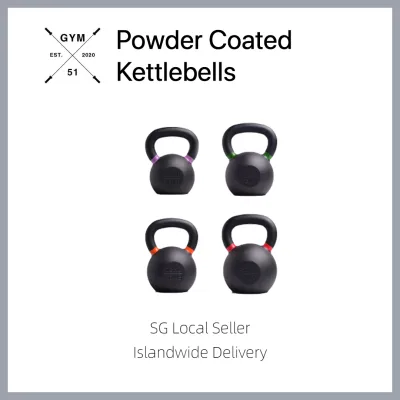
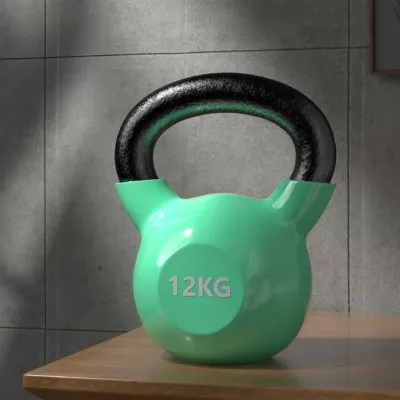
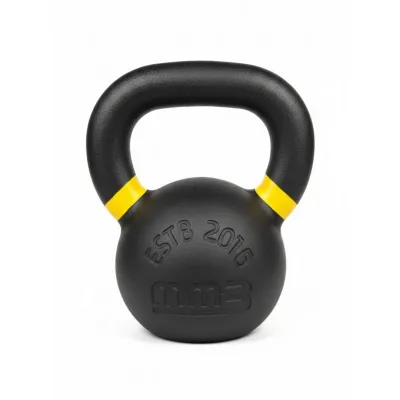
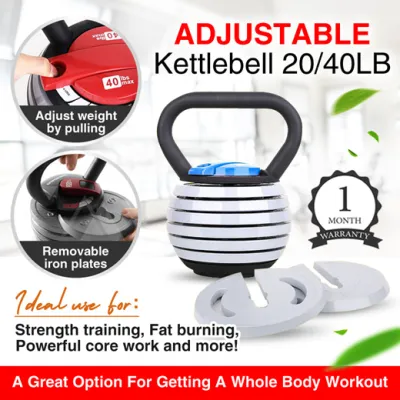
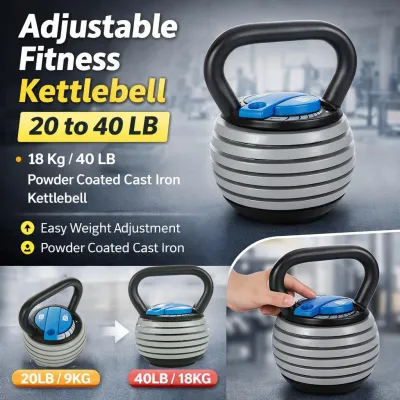
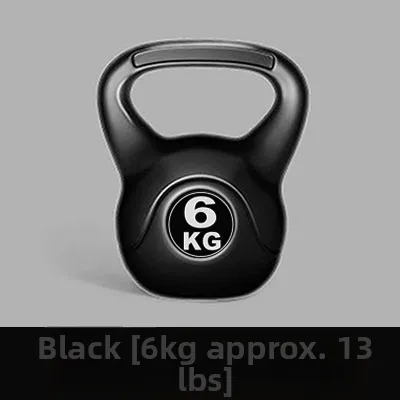
Prices are valid at publication and may change. Please refer to the product page for the latest price.
Prioritizing movement quality over load is the safest way to build a home workout routine. A weight that feels light during the first five repetitions can quickly become difficult to control by the fifteenth. Beginning with a conservative weight ensures you can maintain a neutral spine and active shoulder engagement throughout your entire set, reducing the risk of acute strain.
Navigating Space Limitations in Compact Homes
Living in an HDB flat requires careful spatial planning before introducing heavy fitness equipment. Before purchasing a cast iron kettlebell, measure your designated storage area. Whether you plan to tuck the bell under a bed frame, place it in a utility closet, or set it in a corner, verify the physical height and bell diameter. Standard cast iron kettlebells increase in physical size as they get heavier; a 24kg bell occupies significantly more volume than an 8kg bell, which can impact how easily it can be concealed when not in use.

Operational clearance is even more critical than storage space. Dynamic exercises like the kettlebell swing require a clear safety radius. Stand in your intended workout spot and extend your arms fully in all directions, including overhead. Ensure your hands do not come close to ceiling fans, low-hanging light fixtures, or wall-mounted televisions. A safe workout zone typically requires a clear floor area of at least two meters by two meters, free of coffee tables, sofas, or pets that might wander into your path of motion.
While a full set of kettlebells offers incremental progression, a single, versatile weight is highly recommended for small apartments. A single bell forces you to focus on unilateral training, tempo variations, and increased repetitions to progress, rather than relying on adding physical clutter to your living room. This minimalist approach keeps your home organized while still delivering an effective full-body workout.
Evaluating Cast Iron Kettlebell Features for Home Use
When selecting a cast iron kettlebell for home use, specific design details directly impact your safety and comfort. First, examine the handle window and thickness. The handle should accommodate both of your hands comfortably for two-handed swings without pinching your fingers. The surface texture should be smooth enough to slide through your palms during cleans and snatches, yet textured enough to hold securely when your hands get sweaty.
The base of the kettlebell must be completely flat. A machined, flat bottom ensures the bell remains stable when placed on the floor, preventing it from tipping over and rolling into furniture or walls. To protect your flooring from scratches and impact, always pair your cast iron equipment with a high-density rubber mat or a thick yoga mat. Placing a heavy iron bell directly on vinyl, laminate, or parquet flooring can cause permanent indentation or scratching.
Additionally, consider the coating of the kettlebell. In Singapore’s humid climate, bare iron is highly susceptible to rust if left untreated. Look for powder-coated finishes, which offer a balance of grip texture and rust resistance. If you choose a basic painted or bare iron bell, you will need to wipe it down after every workout to remove sweat and moisture, preventing corrosion over time.
Testing and Finalizing Your Purchase Decision
Before committing to a purchase, visit a local physical retail store to test different weights in person. Lift the kettlebells to feel how the weight is distributed; a kettlebell feels significantly different from a dumbbell because its center of mass hangs below the handle. Perform a few slow, controlled deadlifts or overhead presses in the store to evaluate how the handle fits your grip and whether the weight feels manageable or excessively heavy.
Once you bring your kettlebell home, establish clear safety boundaries for your initial sessions. Begin your workouts with unweighted movement drills to warm up your joints and establish your spatial awareness. Practice your hip hinge without the bell first, ensuring your hips move backward rather than downward, before attempting a weighted swing.
Always establish strict stopping conditions during your workouts. If you experience sharp wrist pain, lower back discomfort, or feel the kettlebell pulling you out of alignment, stop the exercise immediately. These symptoms indicate that either the weight is too heavy or your technique has broken down. Do not attempt to push through fatigue; instead, set the bell down safely, review your form, or consider seeking professional coaching to correct your movement patterns.
Frequently Asked Questions (FAQ)
Can I use an adjustable kettlebell instead of a cast iron one to save space?
Adjustable kettlebells are highly space-efficient because they combine multiple weight increments into a single unit. However, they differ significantly from traditional cast iron kettlebells in their physical volume and weight distribution. Adjustable models often have a bulkier shell to accommodate internal plates, which can alter the center of gravity and make certain movements, like cleans or snatches, feel awkward against your forearms. Solid cast iron kettlebells offer consistent shape and a seamless handle design that allows for smoother hand transitions. If your priority is a traditional, fluid training experience, a single cast iron bell is often preferred; if maximum weight variety within a tiny footprint is your main goal, an adjustable model is a viable alternative.
How do I protect my apartment floor from a cast iron kettlebell?
To safeguard your HDB flat’s flooring from scratches, dents, and impact noise, always perform your workouts on a high-density rubber gym mat. Standard yoga mats are often too thin to absorb the impact of a heavy iron bell. For added protection, you can use dedicated foam kettlebell pads or landing blocks. Most importantly, focus on controlling the descent of the kettlebell during every repetition. Never drop the kettlebell directly onto the floor; always lower it with control to a dead stop using a proper hip hinge.
Community discussion
Share your experience or ask a question. Comments are reviewed before publication.