
Choosing the right football goal size is a balancing act between the age of your players, their skill development goals, and the physical limitations of your playing area. While a goal that is too small can frustrate older players looking for a realistic match experience, a goal that is too large can overwhelm young goalkeepers and quickly crowd a compact backyard or shared community space. By understanding how goal dimensions align with player development and learning how to evaluate your environment safely, you can select a setup that encourages active play while keeping your surroundings secure.
Matching Football Goal Dimensions to Player Age Groups
Selecting a football goal starts with understanding the physical and developmental needs of the players who will use it. For toddlers and very young children under the age of six, mini pop-up goals are the ideal starting point. These compact targets focus on basic motor skills, coordination, and the simple joy of scoring, without the pressure of defending a large space. As children progress into the junior category—typically between seven and twelve years old—their kicking power and spatial awareness grow significantly. During this stage, transitioning to a mid-sized junior goal helps them practice structured positioning, shooting accuracy, and fundamental goalkeeping techniques.
For teenagers and adults, senior-sized goals are necessary to replicate the speed and tactical depth of a real match. However, because official dimensions vary widely depending on the league, age bracket, and governing body, you should always verify the exact width and height requirements with your local football association or specific tournament rulebook before purchasing competitive equipment. In Singapore, school sports councils and youth academies often utilize specific modified goal sizes for seven-a-side or nine-a-side formats to ensure the game remains developmentally appropriate. Relying on generalized online estimates can result in buying gear that does not comply with official local match standards.
Products mentioned in this guide
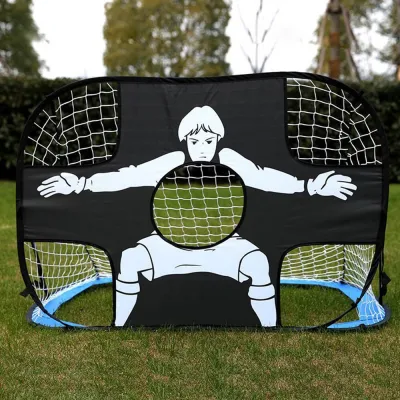
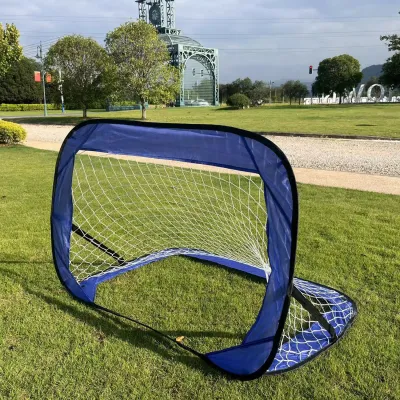
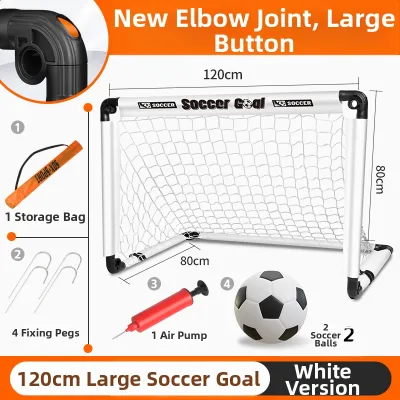
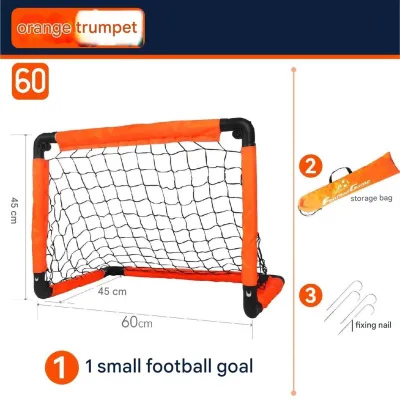
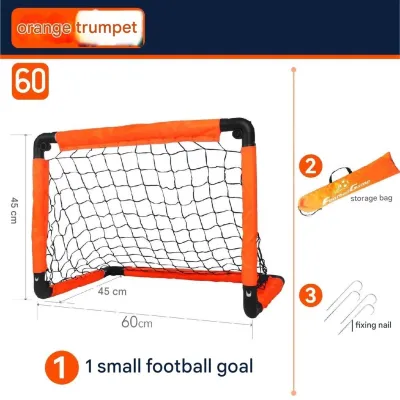
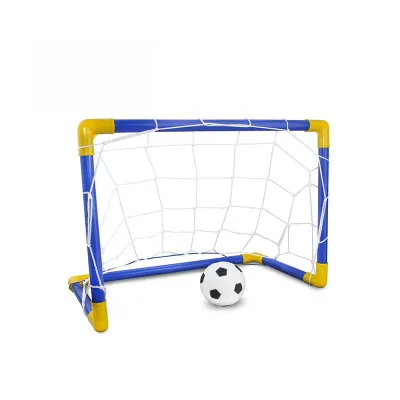
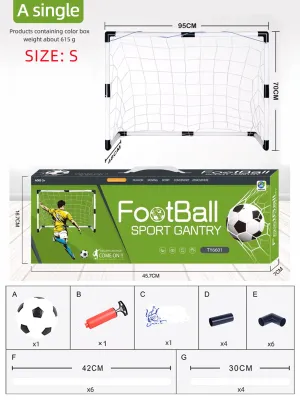
Prices are valid at publication and may change. Please refer to the product page for the latest price.
When choosing a goal for recreational use at home, consider the developmental trade-offs of different sizes. Opting for a slightly larger goal can accelerate skill development by challenging young goalkeepers to improve their positioning and encouraging outfield players to aim for the corners. On the other hand, a smaller goal is highly beneficial for tight space constraints and forces players to focus on precision passing, close-range ball control, and quick decision-making. Balancing these factors ensures your investment supports player growth without overwhelming your available space.
Evaluating Your Playing Space: From HDB Voids to School Fields
Before purchasing any football goal, you must carefully measure your intended playing area to ensure safe, legal, and uninterrupted play. Start by measuring the flat ground where the goal frame will sit, keeping in mind that goals have depth as well as width and height. A common mistake is forgetting to measure the rear ground bar, which can extend up to a meter or more behind the crossbar. Additionally, you must establish a clear safety buffer zone of at least one to two meters behind and around the goal. This buffer zone is essential to prevent high-velocity shots from damaging nearby property, such as windows, parked vehicles, or common area fixtures, and to give players adequate room to slow down safely after a sprint.

The specific environment where you play dictates the type of goal you can safely deploy. In Singapore, residential spaces require careful consideration of shared community boundaries. For HDB void decks or neighborhood multi-purpose courts, lightweight pop-up mini goals are the most practical option. They can be set up in seconds and packed away immediately after use, ensuring the space remains clear for other residents. For condominium backyards or private lawns, medium-sized foldable goals offer a sturdier structure that can still be easily stored when not in use. Full-size or semi-permanent goals are best reserved for school fields or dedicated sports complexes designed to handle intense play and high-impact shots.
Always check your local estate by-laws, town council regulations, or condominium management guidelines before setting up any sports equipment in shared spaces. Be mindful of fire escape clearances, pedestrian pathways, and noise considerations. Sound travels easily in concrete void decks and enclosed condo courtyards, so choosing goals with flexible nets and lightweight frames can help minimize the noise of ball impacts. Respecting these community guidelines ensures a safe environment for players and neighbors alike.
Selecting the Best Goal Design and Frame Material
The ideal goal design depends on your storage capacity, transport needs, and how frequently you plan to set up the equipment. Pop-up goals offer unmatched portability; they twist and fold flat into compact carrying bags that fit easily into small apartment closets or car boots, making them perfect for spontaneous trips to the park. Foldable goals utilize jointed frames or button-locking systems that take slightly longer to assemble but provide a much more realistic goal shape and better structural stability. Rigid, non-folding frames offer the most authentic playing experience with minimal rebound vibration, but their large storage footprint makes them impractical unless you have a permanent outdoor setup or a dedicated storage shed.
Frame materials directly impact the goal’s weight, weather resistance, and suitability for different playing surfaces. Fiberglass poles are highly flexible and lightweight, making them excellent for portable pop-up designs that need to absorb high-impact shots without bending permanently. PVC frames are lightweight, affordable, and naturally resistant to rust, making them a popular choice for backyard play; however, you should verify if the PVC is UV-treated to prevent it from becoming brittle under constant tropical sun exposure. Powder-coated steel or aluminum frames provide the ultimate durability and wind resistance for outdoor fields, but their heavier weight requires careful handling during setup.
Before finalizing your purchase, review the manufacturer’s specifications regarding weight limits, structural warranties, and net attachment mechanisms. Look for goals that feature secure net clips or sleeve designs rather than loose ties, as these prevent the netting from detaching or sagging during play. Ensuring the frame’s weight matches the physical capability of the person setting it up will prevent strain and make your football sessions much more enjoyable.
Essential Safety, Anchoring, and Maintenance Checks
Safety must be your primary concern when installing and using a football goal, as unsecured frames pose a serious tipping hazard. Always implement mandatory anti-tip measures before any play begins. On grass fields, use the manufacturer-recommended ground pegs, J-hooks, or spiral anchors to secure the frame firmly into the soil. On hard surfaces like concrete courts, paved void decks, or artificial turf where pegs cannot be driven into the ground, you must use external counterweights. Secure the rear ground bar using heavy sandbags, rubber weights, or water-filled bases specifically designed for sports equipment, ensuring they meet the manufacturer’s weight recommendations for stability.
A strict safety rule must be enforced: never allow players to climb, hang, or sit on the crossbar or frame. Even heavy-duty, professional-grade goals can tip forward under the weight of a hanging player, potentially causing severe impact injuries or structural failure. Educate children and recreational players that the goal is designed solely to stop the ball, not to support human weight.
To keep your equipment in safe working order, establish a routine inspection checklist before every match or practice session. Inspect the netting for tears or frayed sections that could allow a ball to pass through and strike someone behind the goal. Check metal frames for signs of rust or structural cracking, and ensure that all locking pins, joints, and bolts are fully tightened and secure. If you observe any cracked joints, bent poles, or compromised anchors, stop using the goal immediately and do not resume play until the damaged components are repaired or replaced.
Frequently Asked Questions (FAQ)
Is it safe to set up a football goal in an HDB corridor?
No, HDB corridors are not safe or suitable areas for setting up football goals. Corridors are designated emergency escape routes and must remain completely free of obstructions to ensure residents can evacuate safely during a fire or medical emergency. Additionally, playing football in narrow corridors poses a high risk of shattering windows, damaging public property, and creating trip hazards or noise disturbances for your neighbors. For a safer and more enjoyable game, utilize nearby HDB void decks, designated multi-purpose courts, or public parks.
How do I secure a portable goal on artificial turf or hard courts?
To secure a portable goal on surfaces where ground pegs cannot be used, you must apply heavy external counterweights to the frame. Place manufacturer-approved sandbags, rubber weight plates, or water-filled anchor bags directly over the rear ground bar of the goal. Ensure the weights are evenly distributed and meet the minimum weight requirements specified in your product manual to prevent the goal from sliding or tipping forward during active play. Never use makeshift or unstable weights that could easily shift or cause injury.
Community discussion
Share your experience or ask a question. Comments are reviewed before publication.