
Finding the right golf ball retriever is one of the most practical decisions a beginner golfer in Singapore can make. When starting out, stray shots frequently find their way into water hazards, thick vegetation, or deep drains. A high-quality retriever allows you to recover these balls safely and quickly, saving you money and keeping your game moving. The ideal retriever for a beginner balances a lightweight telescopic shaft, a secure locking mechanism, and a highly visible retrieval head that can easily grab balls from various course hazards without adding excessive weight to your golf bag.
Navigating local courses requires tools that can withstand high humidity, sudden tropical downpours, and muddy terrain. By focusing on physical specifications, mechanism types, and local purchasing options, you can select a durable tool that fits your budget and enhances your overall playing experience. This guide outlines everything you need to know to make an informed choice.
Why New Golfers Should Carry a Ball Retriever
For beginners, the financial savings of carrying a golf ball retriever become apparent within just a few rounds. High-quality golf balls can represent a significant recurring expense, and losing several during a single 18-hole round is common when you are still mastering your swing. Recovering even a handful of these balls quickly offsets the initial purchase price of a retriever, making it a highly cost-effective accessory for entry-level players.
Products mentioned in this guide
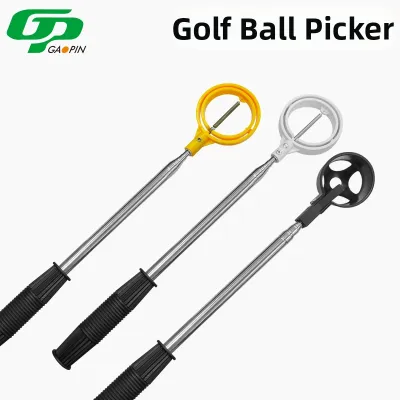
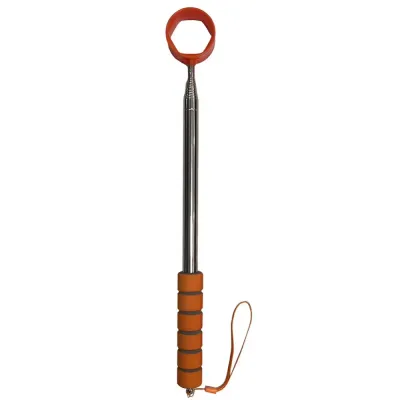
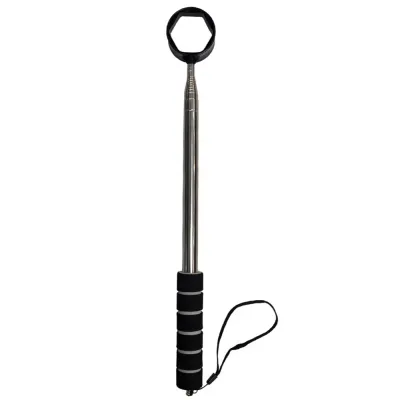
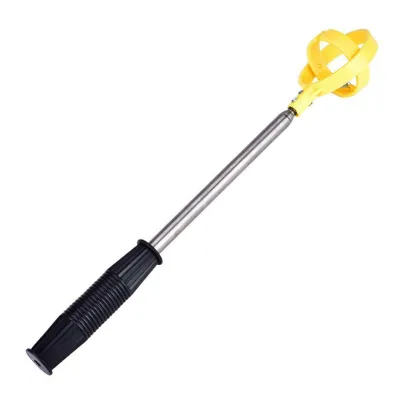
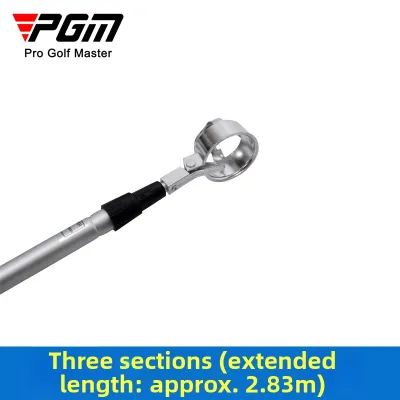
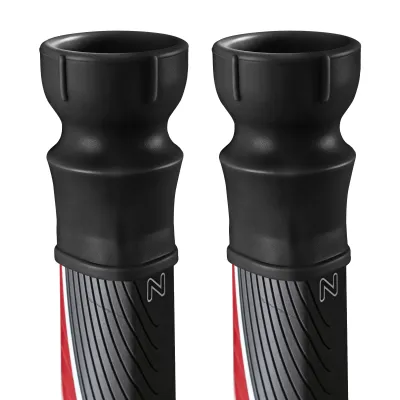
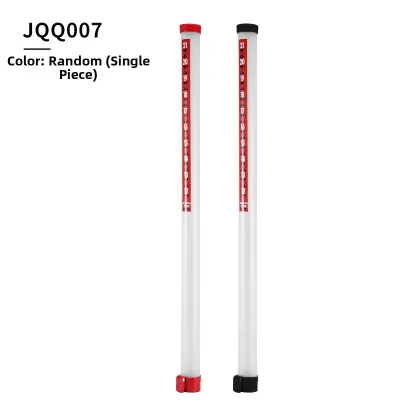
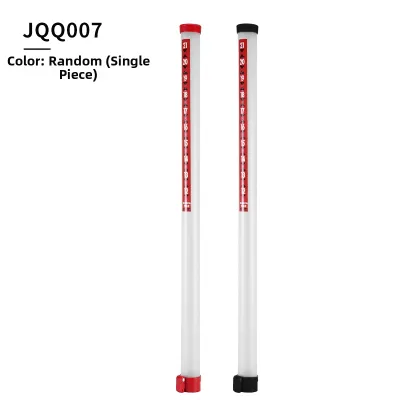
Prices are valid at publication and may change. Please refer to the product page for the latest price.
Maintaining a good pace of play is a fundamental aspect of golf etiquette, especially on busy public and private courses across Singapore. Spending excessive time searching through thick brush or muddy banks by hand disrupts the flow of the game and delays the groups playing behind you. A telescopic retriever allows you to quickly reach into a hazard, snag your ball, and return to the fairway in a matter of seconds, keeping your round on schedule.
Safety is another critical factor that many new golfers overlook. Course hazards often feature steep, slippery concrete banks, deep water, or dense tropical undergrowth where insects or wildlife may reside. Attempting to retrieve a ball by climbing down these banks increases the risk of slips, falls, or ruined footwear. A long-reach tool allows you to keep your feet firmly on flat, dry ground while safely recovering your ball from a distance.
Using a retriever also encourages a more relaxed mindset on the course. Knowing that a stray shot into a water hazard does not automatically mean a lost ball can reduce the anxiety associated with challenging holes. This peace of mind allows beginners to focus on their swing mechanics and enjoy the learning process without worrying about the cost of lost equipment.
Essential Features to Check When Choosing a Retriever
When selecting a golf ball retriever, the balance between extended reach and collapsed length is a primary consideration. A retriever that extends to a length of 3 to 5 meters is generally sufficient for reaching balls in most standard course hazards. However, the tool must also collapse down to approximately 1 to 1.2 meters so that it fits neatly inside a standard golf bag or stand bag without protruding awkwardly or interfering with your rain hood.

Weight and pole balance are crucial for ease of use, particularly when the pole is fully extended. Telescopic shafts are typically constructed from aluminum, stainless steel, or fiberglass. While aluminum is exceptionally lightweight, it can bend under heavy pressure. Stainless steel offers superior durability but can feel heavy and create a lever effect that strains your wrists when extended. Beginners should look for a model that feels balanced and manageable in the hands at full extension.
Singapore’s tropical climate demands materials that can handle high humidity and frequent rain. A smooth plastic handle can easily slip from your hands when wet or sweaty, making retrieval difficult and frustrating. Look for ergonomic grips made from textured rubber, EVA foam, or ribbed materials that provide a secure, non-slip hold even in wet conditions.
The locking mechanism of the telescopic sections determines the tool’s long-term reliability. Most retrievers use either a twist-lock system or a button-pin lock. Twist-locks allow for infinite length adjustments but can slip if mud, sand, or grit gets trapped inside the joints. Button-pin locks offer fixed length intervals and are highly secure, though they may require slightly more effort to operate. Beginners should verify that the locking mechanism holds firmly under light pressure and does not collapse unexpectedly.
Finally, consider the visibility of the retrieval head. Murky water and deep shade can make it difficult to align the head with the ball. A retrieval head painted in a bright, high-visibility color, such as neon yellow or orange, makes it much easier to guide the tool accurately to the ball under challenging lighting conditions.
Comparing Retriever Mechanisms: Scoop, Claw, and Suction
Scoop and basket designs are among the most common and user-friendly options available. These heads feature a simple cup or basket, often paired with a hinged wire or plastic retaining loop that flips over the ball once it is inside. This design is highly effective for retrieving balls from flat pond bottoms, shallow water, or open grass. The primary limitation is that they require a relatively clear path to scoop under the ball, which can be difficult in thick weeds or deep mud.
Claw and grabber mechanisms utilize spring-loaded or gravity-activated claws that close around the ball when pressed down from directly above. This top-down approach makes them excellent for snagging balls nestled in thick reeds, deep mud, or uneven rocky terrain where a scoop cannot slide underneath. However, these mechanisms have more moving parts, which increases the risk of mechanical failure if sand or grit accumulates in the springs or hinges.
Suction cup models feature a soft rubber or silicone cup designed to be pressed directly onto the ball to create a vacuum seal. These heads are incredibly simple, lightweight, and have no moving parts, making them highly durable and easy to maintain. However, they perform best on relatively clean, hard surfaces or very shallow water. If a ball is covered in thick mud, algae, or submerged in deep, murky water, achieving a proper suction seal can be extremely difficult.
When evaluating these trade-offs, beginners should consider the typical hazards of the courses they plan to play. For general use, a hybrid scoop-and-trap mechanism often provides the best balance of versatility and ease of use. It requires less precision than a claw mechanism and works reliably in the majority of common hazard scenarios without requiring a perfect seal.
Shopping and Budgeting for Golf Gear in Singapore
Entry-level telescopic golf ball retrievers in Singapore typically range in price from S$20 to S$50. Basic models under S$30 usually feature simple aluminum shafts and standard plastic scoops, which are perfectly adequate for occasional use. Spending between S$30 and S$60 often gets you stronger stainless steel shafts, more ergonomic grips, and advanced locking mechanisms that offer better resistance to slipping and wear.
Visiting local golf pro shops and specialized golf retail clusters, such as those in Queensway Shopping Centre, offers a distinct advantage. Shopping in person allows you to physically handle the retriever, test the weight and flex of the pole at full extension, and feel the grip texture. This hands-on evaluation ensures you select a tool that feels comfortable and matches your physical strength.
Online marketplaces and e-commerce platforms offer a wider variety of designs and often lower prices. When purchasing online, it is essential to verify the seller’s ratings and read customer reviews, paying close attention to feedback regarding the durability of the telescopic joints. Always check the exact collapsed and extended dimensions listed in the product specifications to ensure the retriever will fit comfortably in your golf bag.
Before making a purchase, check for basic warranties or clear return policies that cover manufacturing defects, particularly on the telescopic joints and locking mechanisms. Inspect the thickness of the metal tubing if possible; a slightly thicker shaft wall prevents the pole from bending permanently if you accidentally apply too much leverage while pulling a ball out of heavy mud or thick vegetation.
Frequently Asked Questions (FAQ)
Are golf ball retrievers allowed under official golf rules?
Yes, players are permitted to carry a golf ball retriever in their bag during a round, and it does not count toward the 14-club limit. However, under the Rules of Golf, you cannot use the retriever to actively test the condition of a hazard, such as testing the depth of water or the consistency of sand and mud, before making a stroke from within or near that hazard. Additionally, if you use a retriever to recover a ball that is still in play, you must ensure you do not accidentally move your ball or cause any unnecessary delay, which could result in a penalty.
How do I clean and maintain a telescopic retriever?
To prevent the telescopic joints from seizing or rusting in Singapore’s humid climate, always rinse the retriever with clean tap water after your round, especially if it has been submerged in muddy or salty water. Fully extend the pole and wipe down each section with a dry cloth to remove sand, grit, and moisture. Allow the pole to air-dry completely in an open position before collapsing it and storing it back in your golf bag. Avoid using heavy oils or lubricants on the joints, as these can attract dirt and cause the locking mechanisms to slip.
Community discussion
Share your experience or ask a question. Comments are reviewed before publication.