
Selecting the right Nike Elite backpack depends on your daily gear volume, shoe size, and training environment. To find the ideal model, you must match the bag’s capacity and specialized compartments to your specific loadout. Whether you are heading to a quick pickup game with just your court shoes or packing a full set of jerseys, a basketball, and recovery gear for an intense tournament, choosing a bag with the correct layout ensures your gear remains organized, protected, and easy to transport.
A well-designed basketball backpack does more than just hold your gear; it distributes weight evenly across your shoulders and keeps wet, dirty items isolated from clean apparel and electronics. By evaluating your typical training routine and understanding the key features available in the Nike Elite lineup, you can select a model that supports your athletic needs without adding unnecessary bulk to your daily commute.
Assessing Your Basketball Gear Loadout
Before choosing a backpack, take a close look at the specific items you carry to the court. A standard basketball setup typically includes a size 7 basketball, a pair of high-top court shoes, a large water bottle, clean training apparel, and personal items like your phone, keys, and wallet. A full-sized basketball is exceptionally bulky, occupying roughly 7 to 8 liters of space on its own, while structured court shoes take up significant volume and can easily crush lighter items if packed incorrectly.
Products mentioned in this guide
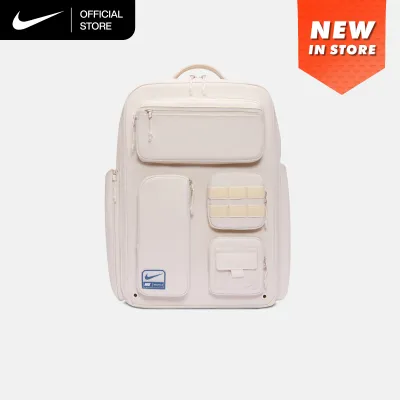
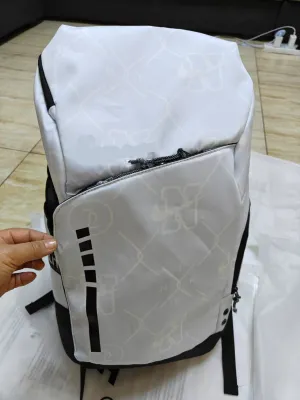
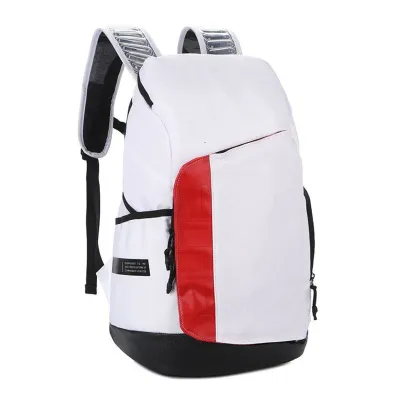
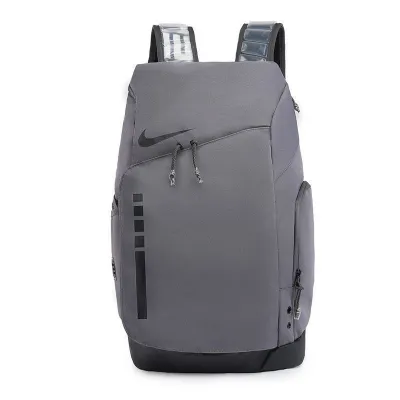
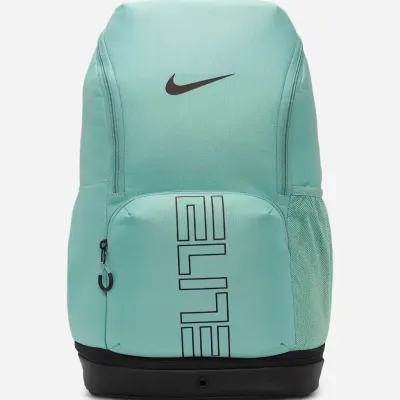
Prices are valid at publication and may change. Please refer to the product page for the latest price.
Your storage needs will vary greatly depending on the type of session you are attending. For a light shooting session, you might only need to pack your shoes, a water bottle, and a spare t-shirt, which requires minimal space. However, a full game day or tournament loadout often demands extra jerseys, warm-up gear, ankle braces, and recovery tools, requiring a much larger main compartment to keep everything organized.
Additionally, you must consider how you will handle dirty or wet items after a hard training session. Sweaty jerseys, damp socks, and outdoor court shoes carry moisture, dirt, and odor that can quickly ruin clean clothes or sensitive electronics if mixed together. Identifying which items need to be isolated helps you determine whether you require a bag with dedicated external pockets, ventilated compartments, or wet/dry separators.
Key Features to Check in Nike Elite Backpacks
When evaluating different Nike Elite models, pay close attention to the shoe compartment design. Look for dedicated shoe tunnels or bottom pockets that physically isolate your dusty court shoes from the rest of your gear. It is crucial to check if these compartments feature mesh vents or metal grommets, as active airflow helps damp shoes dry out faster and prevents unpleasant odors from building up inside the fabric.

Ball storage is another critical feature that varies significantly across the lineup. Some backpacks feature integrated wet/dry pockets or expandable front panels designed to hold a basketball internally, which can severely limit the space left for other gear. Other designs utilize external mesh nets, strap systems, or bungee cords to secure the ball on the outside of the bag, keeping the main compartment completely free for your clothing and accessories.
If you regularly analyze game film, carry playbooks, or commute straight from work or school to the court, check for a dedicated laptop or tablet sleeve. A padded sleeve positioned directly against the back panel offers the best protection for your devices and helps keep the heaviest items close to your center of gravity for better carrying comfort.
Finally, evaluate the hydration storage options on the sides of the backpack. Look for deep, stretchy mesh pockets or zippered utility pockets that can securely hold large sports bottles or insulated flasks. These pockets should be robust enough to prevent heavy bottles from slipping out when you run for public transport or sling the bag over your shoulder.
Matching Backpack Sizes to Your Training Needs
Selecting the right backpack volume is a balance between carrying capacity and daily portability. Small to medium capacity models, typically ranging from 25 to 32 liters, are excellent for players who prefer a lighter carry or wear their court shoes directly to the gym. These compact bags easily accommodate a change of clothes, a water bottle, and basic accessories without feeling overly bulky on crowded trains or buses.
For players who need to carry a basketball inside their bag alongside their shoes and spare clothing, a large capacity backpack of 35 liters or more is highly recommended. This larger volume is also ideal for student-athletes or dual-sport players who must carry textbooks, laptops, or extra training gear for multiple activities throughout the day.
As you move up to the premium Pro or Elite tiers, you will find advanced features designed for durability and comfort. These higher-tier models often incorporate reinforced, water-resistant bottom panels made of heavy-duty materials like tarpaulin, which allow you to set your bag down on damp outdoor courts or dusty gym floors without worrying about moisture seeping through. They also frequently feature specialized shoulder straps, such as curved Max Air units, which cushion the load and reduce shoulder strain during long commutes.
Because pocket configurations and exact dimensions can change with seasonal product updates, always verify the specific liter capacity, physical measurements, and weight limits on the manufacturer’s official product page before making your final decision.
Care and Maintenance for Longevity
To ensure your basketball backpack remains durable and odor-free over multiple seasons, establish a consistent maintenance routine. Always empty all compartments, especially the shoe tunnel and main storage, immediately after returning from a game or training session. Leaving damp jerseys, sweaty socks, or wet towels zipped inside creates a humid environment that promotes mold, mildew, and persistent odors.
When cleaning your bag, always locate and read the manufacturer’s care label stitched inside the lining. Most sports backpacks are constructed with technical fabrics and water-resistant coatings that can be severely damaged by machine washing, tumble drying, or harsh chemical detergents. Instead, spot-clean the exterior and interior surfaces using a soft, damp cloth and a mild soap solution, then allow the bag to air dry completely.
Avoid overloading the zippers and seams beyond their natural capacity. Forcing a zipper shut over an oversized basketball or packing excessively heavy items can stretch the stitching and lead to broken zipper teeth or torn seams over time.
Finally, store your backpack in a cool, dry, and well-ventilated area when it is not in use. Avoid leaving it compressed in a dark closet, a damp locker, or the trunk of a car, as proper airflow is essential for keeping the materials fresh and preventing structural degradation.
Frequently Asked Questions (FAQ)
Can I fit a basketball and two pairs of shoes in a standard Nike Elite backpack?
Fitting a basketball and two pairs of shoes inside a standard backpack depends heavily on the bag’s total liter capacity and pocket layout. In most mid-sized bags, placing a full-sized ball and two pairs of large court shoes internally will completely consume the available space, leaving no room for apparel or accessories. To carry this much gear, look for larger models that feature external ball nets or dedicated shoe tunnels, and always measure your shoe dimensions against the bag’s listed specifications to ensure a proper fit.
Are Nike Elite backpacks water-resistant for outdoor courts in Singapore?
Water resistance is not a universal feature across all models and depends on the specific materials used in construction. When playing on outdoor courts in Singapore, look for models that feature a durable tarpaulin base or a water-resistant coating to protect your gear from damp ground. However, because heavy tropical downpours can still penetrate standard zippers and stitched seams, it is highly recommended to use an additional rain cover or pack sensitive electronics in dry bags during wet weather.
How do I clean the ventilated shoe compartment after a sweaty game?
To clean the ventilated shoe compartment, gently wipe down the interior lining with a soft, damp cloth and a mild soap solution. Avoid using harsh chemical sprays, bleach, or abrasive brushes, as these can degrade the fabric’s protective coatings and ventilation mesh. After wiping it down, leave the compartment fully unzipped and open in a well-ventilated area to air dry completely before your next training session, and consult the care tag inside the bag for any specific material restrictions.

Community discussion
Share your experience or ask a question. Comments are reviewed before publication.