
Selecting the ideal Rockbros headlight for night cycling on Singapore’s Park Connector Network (PCN) requires balancing your specific route conditions, ride durations, and the safety of other path users. Because the PCN spans everything from brightly lit coastal paths to pitch-black, canopy-covered green corridors, a single headlight model cannot serve as a universal solution for every cyclist. The key is to match the light’s verified specifications—such as beam shape, lumen output, and water resistance—to your primary riding environments. By focusing on how to evaluate these technical features, you can find a reliable light that keeps you visible and safe without blinding oncoming pedestrians or failing during a sudden tropical downpour.
Identifying Your PCN Night Cycling Environment
Singapore’s PCN offers an incredibly diverse infrastructure, meaning your lighting needs will shift dramatically depending on where you ride. Urban connectors, such as those running through residential estates or along the Marina Bay area, are typically well-illuminated by overhead streetlights. On these paths, your primary safety concern is being seen by others rather than illuminating the ground ahead. Conversely, segments like the Green Corridor, parts of the Round Island Route, or paths running alongside nature reserves can be exceptionally dark after sunset, requiring a powerful beam to reveal sudden obstacles, debris, or wet patches.
Shared-path etiquette is a critical factor when choosing and using a headlight in Singapore. The PCN is shared among cyclists, runners, pedestrians, and active mobility device users. A headlight that is too bright or angled incorrectly can easily blind oncoming path users, creating a serious safety hazard. Your choice of light must allow you to control the beam direction and output level to maintain a respectful and safe environment for everyone.
Products mentioned in this guide
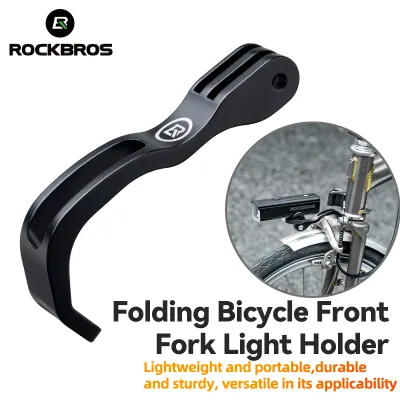
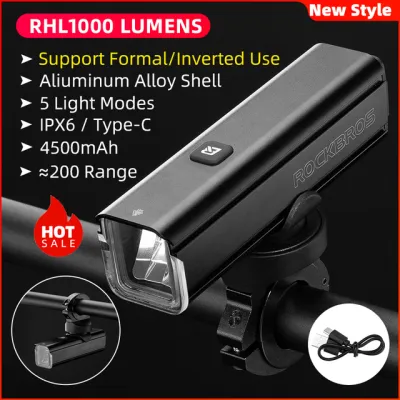
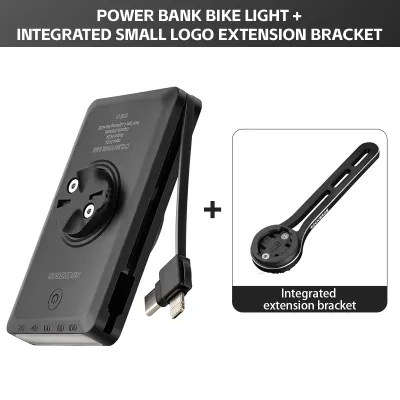
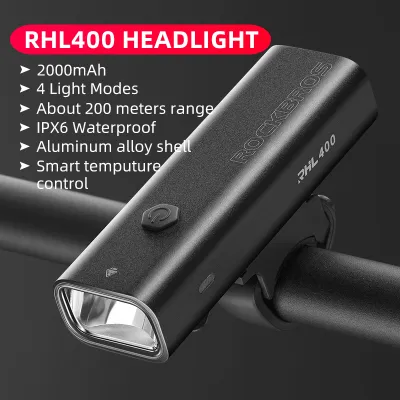
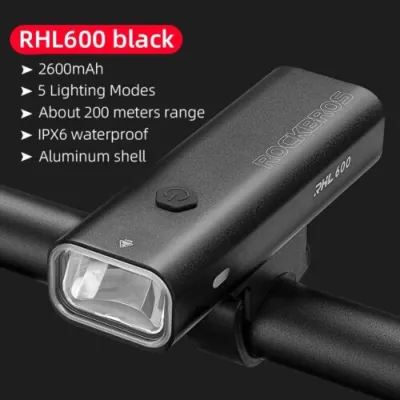
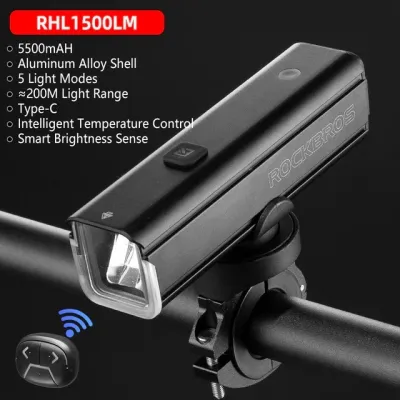
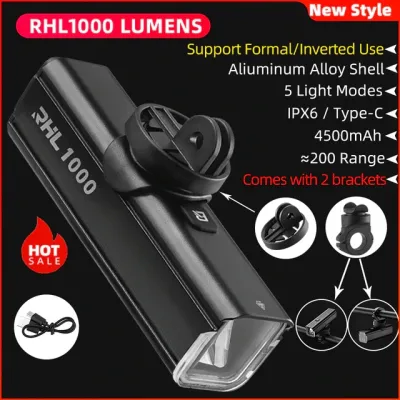
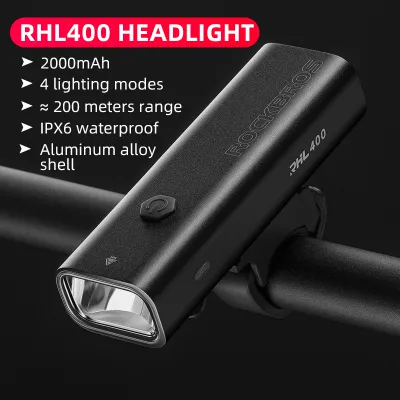
Prices are valid at publication and may change. Please refer to the product page for the latest price.
Additionally, Singapore’s tropical climate introduces severe environmental stress that your equipment must withstand. High ambient humidity can cause moisture buildup inside poorly sealed electronics, while sudden, torrential downpours can quickly drown a headlight that lacks adequate water sealing. When planning night rides, you must assume that your gear will eventually face heavy rain, making weather-resistance verification a top priority before you set off.
Essential Rockbros Headlight Specifications to Verify
To make an informed decision, you must look past marketing buzzwords and carefully verify the technical specifications provided on the product packaging or official manuals.

First, evaluate the brightness and beam pattern. While manufacturers often highlight maximum lumen ratings, you should check if the headlight features an anti-glare or cut-off beam design. A cut-off beam mimics automotive headlights by directing light downward onto the path and preventing the upper portion of the beam from shining into the eyes of oncoming trail users. If you frequently ride on shared paths, verify that the model offers multiple brightness modes so you can lower the intensity in crowded areas and increase it only when navigating unlit sections.
Second, analyze the battery capacity and runtime specifications. Compare the manufacturer’s stated runtime at your required brightness level against your typical ride duration. For instance, if your average night ride lasts two hours, ensure the headlight can run for at least three hours on its medium setting to provide a safe buffer. Look for modern charging interfaces, such as USB-C, which allow for faster recharging and compatibility with common power banks. Some models also support pass-through charging, enabling you to power the light from an external battery pack while riding, which is highly beneficial for long-distance endurance cyclists.
Third, verify the official IPX water-resistance rating. For Singapore’s intense rainstorms, a rating of at least IPX6 is highly recommended, as it indicates protection against high-pressure water streams. Avoid relying on vague terms like “waterproof” or “weather-resistant” without a corresponding IPX number. Check the physical design of the charging port cover; it should be made of thick, tight-fitting silicone or rubber that seals completely to prevent water ingress.
Finally, assess the mounting security and compatibility. A headlight is only as good as its mount. Verify that the bracket is compatible with your handlebar diameter, whether you use standard round bars or integrated aero bars. The mount must feature a secure locking mechanism—such as a screw-tightened clamp or a heavy-duty silicone strap—to prevent the light from slipping downward when you ride over bumpy terrain, tree roots, or tactile paving on the PCN.
Matching Headlight Features to Specific PCN Scenarios
Different cycling habits demand different headlight configurations. By matching your typical riding scenario to specific product features, you can avoid overpaying for unnecessary power or ending up with insufficient illumination.
For short commutes on well-lit urban paths, a compact, lightweight Rockbros headlight is often the most practical choice. In these environments, look for models with moderate maximum brightness (around 200 to 400 lumens) that emphasize a wide, diffused beam pattern. This ensures you are highly visible from various angles to pedestrians and motorists crossing the PCN. These compact models typically feature smaller batteries, making them easy to mount, remove, and slip into a pocket when parking your bicycle. Ensure the light has a reliable flashing or low-power steady mode to conserve battery while maintaining visibility.
If your routes include long endurance rides on dimly lit or unlit connectors, your requirements shift toward high-capacity illumination. For these dark segments, look for headlights capable of delivering a verified 800 to 1000 lumens, which provides sufficient throw to spot hazards far ahead at higher speeds. However, running a light at this intensity drains batteries rapidly. Therefore, prioritize models equipped with high-capacity lithium-ion batteries (such as 4000mAh or higher) or those that allow you to connect an external power bank during operation. A wide beam angle is also crucial here, as it illuminates the path’s shoulders, helping you spot wildlife or pedestrians stepping onto the track.
For all-weather and wet-season riding, your focus must turn to maximum environmental protection. Look for robust aluminum alloy housings that help dissipate heat during warm, humid nights while offering superior impact resistance if dropped. The charging port must feature a deeply recessed, multi-layered seal. Additionally, choose a mounting system that uses a mechanical bolt or a highly textured rubber shim; smooth silicone straps can easily slide around wet handlebars when subjected to vibrations, causing your light to point dangerously downward mid-ride.
Verifying Product Claims and Maintaining Your Gear
To ensure your headlight performs reliably and lasts for years, you must take steps to verify product authenticity and practice proper equipment maintenance.
When purchasing a Rockbros headlight, always buy from official brand stores or authorized retailers on major e-commerce platforms. This helps you avoid counterfeit products that may use substandard batteries or lack proper thermal protection circuits. Authentic products will come with clear user manuals, accurate specification sheets, and valid manufacturer warranties, giving you recourse if the device experiences premature failure.
Routine maintenance is essential to protect your investment. After riding in the rain or high humidity, make it a habit to wipe the headlight housing dry with a soft microfiber cloth. Never use high-pressure water, such as a garden hose or pressure washer, directly on the headlight, as this can force water past the silicone seals and damage the internal circuitry. Periodically check the tightness of the mounting bracket screws to ensure the light remains securely positioned during your rides.
Proper battery care will significantly extend the lifespan of your headlight’s lithium-ion cell. Avoid leaving the battery completely discharged for extended periods, as this can lead to permanent capacity loss. Charge the device in a cool, dry place, and avoid leaving it plugged in overnight after it has reached full capacity. Because Singapore’s climate is highly humid, store your headlight in a well-ventilated indoor area rather than a damp storage locker or outdoor riser to prevent moisture from slowly degrading the internal components.
Frequently Asked Questions (FAQ)
Do I need a high-lumen headlight if the PCN has streetlights?
No, you do not need a high-lumen output on well-lit paths. When riding under streetlights, your headlight’s primary purpose is to make you visible to others. A lower-lumen setting (around 100 to 200 lumens) or a gentle pulse mode is highly effective and prevents blinding oncoming path users. Always check the manufacturer’s specifications to ensure the headlight has a low-power mode, which also significantly extends battery life during your commute.
How should I angle my headlight to avoid blinding others on shared paths?
To avoid blinding pedestrians and other cyclists, you should angle your headlight downward so the brightest part of the beam hits the ground approximately three to five meters in front of your bicycle. This illuminates your immediate path while keeping the direct glare well below the eye level of oncoming trail users. Before starting your ride, test the angle in a dark area and adjust the mounting bracket securely to prevent the light from shifting upward during your journey.

Community discussion
Share your experience or ask a question. Comments are reviewed before publication.