
To find a roller blade brand worth buying as a beginner in Singapore, you must prioritize manufacturers that specialize exclusively in inline skating equipment rather than general toy or sporting goods production. A reliable beginner skate must provide rigid lateral ankle support, smooth-rolling wheels with standardized bearings, and a secure closure system to prevent injury. By focusing on established brands that offer local retail representation, you ensure access to proper in-person fitting sessions, readily available replacement parts, and reliable warranty support.
Choosing your first pair of skates involves understanding the difference between a high-quality entry-level model and a low-grade imitation. In Singapore’s humid climate and on its extensive park connector network (PCN), your gear will face constant friction, heat, and moisture. Investing in a reputable brand protects your safety and ensures that your skates remain functional and enjoyable as your skills progress.
What Makes a Roller Blade Brand Reliable for Beginners?
When evaluating inline skating brands, the manufacturer’s history and core focus are the most reliable indicators of quality. Brands that have spent decades researching and developing inline skates design their entry-level models with the same biomechanical principles as their professional-grade gear. These dedicated manufacturers understand how to position the frame relative to the boot to ensure proper balance, reducing the physical fatigue and foot strain that beginners often experience.
Products mentioned in this guide
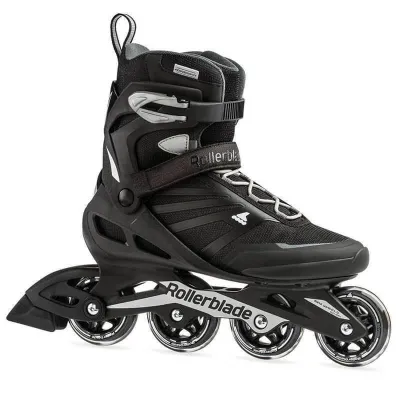
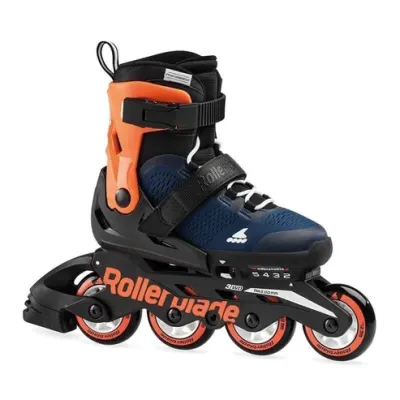
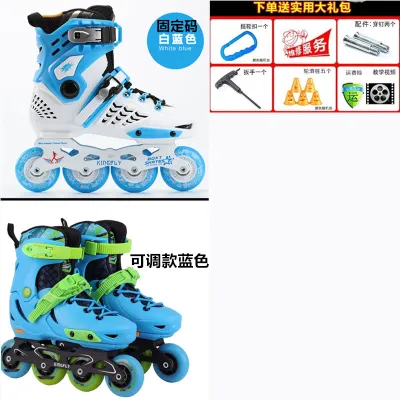
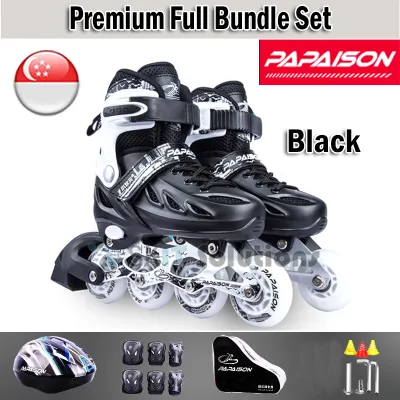
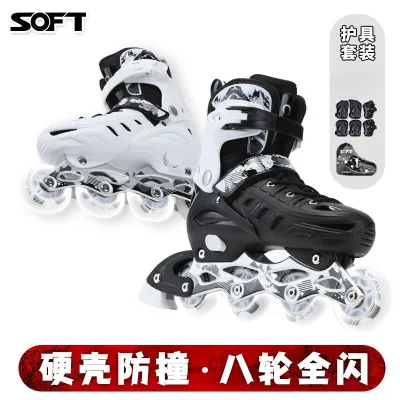
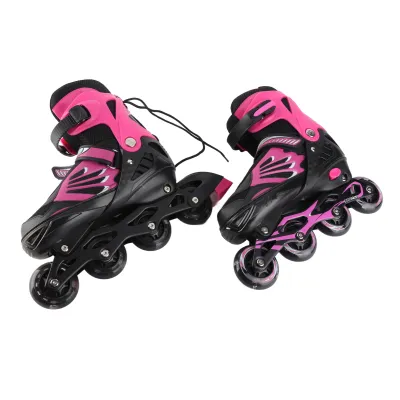
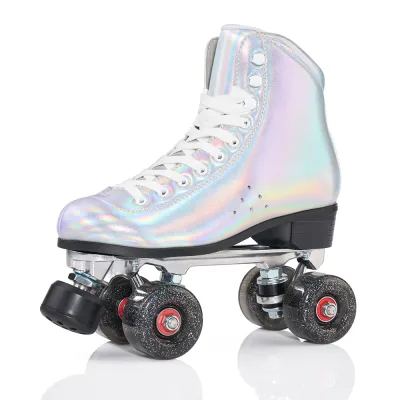
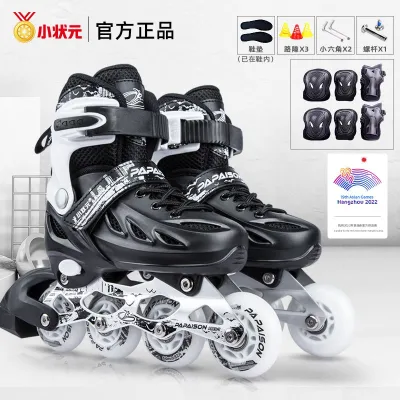
Prices are valid at publication and may change. Please refer to the product page for the latest price.
A major hallmark of a trustworthy brand is the widespread availability of standardized replacement parts. As you practice braking, turning, and carving, components like brake pads, wheels, and bearings will inevitably wear down. Reputable brands design their skates to use industry-standard axle sizes, 608-type bearings, and easily replaceable brake housings. This standardization means you can easily source replacement parts from local specialty shops rather than having to discard the entire pair of skates when a single component wears out.
Sizing consistency and anatomical design are also critical factors that set premium brands apart from generic alternatives. Reliable manufacturers provide highly detailed sizing charts that include precise millimeter measurements, often referred to as Mondo point sizing. Because foot shapes vary significantly, established brands frequently offer models designed for different foot widths, ensuring that skaters with wider or narrower feet can find a secure, pain-free fit.
Furthermore, reputable brands invest heavily in the structural integrity of their materials. The plastics used in their cuffs and shells are formulated to resist stretching and warping under pressure, which is essential for maintaining ankle alignment. This structural stability prevents the common beginner issue of “pronation,” where the ankles roll inward, causing discomfort and making it incredibly difficult to learn proper skating technique.
Key Features to Look for in Entry-Level Skates
As a beginner, navigating the technical specifications of inline skates can feel overwhelming, but focusing on a few critical components will help you make an informed decision. The first major choice you will face is between hard-shell (molded) boots and soft boots. Hard-shell boots feature a rigid plastic outer skeleton with a removable padded liner, offering maximum lateral ankle support and impact protection. Soft boots, on the other hand, utilize breathable fabric construction reinforced with a minimal plastic cuff, prioritizing immediate comfort and ventilation for casual, short-distance recreational skating.

For most beginners, a hard-shell boot is highly recommended because it provides a stable platform that forgives weak ankle muscles. This extra support makes it much easier to maintain balance and execute basic maneuvers. However, if you plan to skate solely for light fitness on smooth, flat paths, a high-quality soft boot from a reputable brand can offer a lighter, more breathable experience in Singapore’s warm weather.
The frame material is another crucial element that dictates the skate’s durability and performance. Entry-level skates generally feature either aluminum frames or composite (plastic) frames. Aluminum frames are stiffer and more durable, providing superior power transfer and a more responsive feel when you push off. Composite frames are more flexible, which can help absorb vibrations from rough asphalt, but they offer less efficiency and can warp over time under heavier loads or intense use.
Wheel size and hardness, also known as durometer, directly impact your speed, stability, and grip. For beginners, a wheel diameter between 76mm and 80mm is ideal, as it keeps your center of gravity low to the ground, making balance easier to maintain. Look for a wheel hardness rating between 80A and 84A; these medium-hardness wheels offer an excellent balance of grip to prevent slipping on smooth concrete and durability to withstand the abrasive surfaces of Singapore’s outdoor paths.
Finally, a secure closure system is essential for keeping your foot locked in place. A reliable entry-level skate should feature a triple closure system consisting of a cuff buckle at the top, a 45-degree power strap or ratchet buckle across the instep, and a traditional lacing system. This combination allows you to customize the tightness across different zones of your foot, preventing your heel from lifting and reducing the risk of friction-induced blisters.
Navigating Local Availability and After-Sales Support in Singapore
Purchasing inline skates is not a one-time transaction; it is an investment that requires ongoing maintenance and occasional adjustments. This is why choosing a brand with a strong local presence in Singapore is incredibly beneficial. Authorized local dealers and specialty skate shops carry a wide range of sizes and models, allowing you to try on different options before making a purchase. Professional in-store fitting services are invaluable, as experienced staff can identify pressure points and recommend the perfect shell shape for your foot.
Local availability also simplifies the process of honoring warranties. If you encounter a manufacturing defect, such as a cracked frame or a faulty buckle, an authorized local retailer can handle the warranty claim directly with the manufacturer. This saves you the high cost, hassle, and long waiting times associated with shipping defective products back to overseas online warehouses.
Additionally, specialty skate shops in Singapore offer essential after-sales maintenance services that are crucial for beginners. Services such as professional wheel rotation, bearing cleaning, and brake installation help extend the lifespan of your skates. When you buy from a brand supported by these local shops, you gain access to a community of experts who can guide you on how to care for your equipment in Singapore’s humid, tropical environment, which can easily cause neglected bearings to rust.
Before finalizing your purchase, visit local shops or check their online inventories to confirm that they consistently stock replacement parts for your chosen brand. A brand might have excellent global reviews, but if you cannot find replacement brake pads or matching axles locally in Singapore, you may face significant downtime when a component needs to be replaced.
How to Spot Quality Entry-Level Skates and Avoid Toy-Grade Models
The market is flooded with cheap, visually appealing inline skates, making it easy for beginners to fall into the trap of buying “toy-grade” models. One of the most reliable initial indicators of quality is the price point. In Singapore, a genuine, safe, and durable entry-level adult skate typically costs between S$120 and S$280. Skates priced significantly below S$100 often compromise on structural materials, utilizing cheap plastics that flex easily under weight, low-grade bearings that do not roll smoothly, and hard plastic wheels that offer zero grip on outdoor surfaces.
It is also important to understand the different categories of inline skates to ensure you do not accidentally purchase a highly specialized model. Beginners should look for recreational or fitness skates, which are specifically designed for comfort, stability, and easy braking. Avoid aggressive skates, which have very small wheels and heavy frames designed for grinding on rails, as well as speed skates, which feature low-cut ankle collars and massive wheels that require advanced balance and technique. Similarly, urban or freeskate models can be suitable for beginners due to their supportive hard shells, but they often lack an included heel brake, which is a vital safety feature for newcomers.
To verify the safety and manufacturing standards of a skate, inspect the packaging, user manual, or the label stitched onto the inside of the skate’s tongue. High-quality skates sold by reputable brands will display standard safety certifications, such as the European EN 13843 standard. This certification guarantees that the skates have undergone rigorous testing for structural strength, frame attachment durability, and fastener security, ensuring they can safely support an adult rider.
Avoid skates that feature flashing LED wheels as their primary selling point, as these are often marketing gimmicks used to distract from poor structural quality. Focus instead on the rigidity of the cuff when you squeeze it with your hands; if the plastic sides easily collapse inward under moderate hand pressure, the skate will not provide the necessary ankle support to keep you safe on the pavement.
Essential Safety Gear to Pair With Your First Skates
No matter how high the quality of your roller blades, they cannot protect you from the physical impacts of learning a new sport. Proper protective gear is non-negotiable for beginners and should always be purchased alongside your first pair of skates. The most critical piece of safety equipment is a certified helmet. Ensure you select a helmet designed for multi-impact sports, such as a dedicated skate helmet or a well-fitting bicycle helmet that meets international safety standards like EN 1078. The helmet must sit level on your head, covering your forehead, and fit snugly enough that it does not shift when you shake your head.
Wrist guards are equally vital, as instinct dictates that you extend your hands to break your fall when losing balance. A high-quality wrist guard features a rigid plastic splint along the palm and wrist, which absorbs the impact energy and allows you to slide forward on the pavement, significantly reducing the risk of wrist fractures and severe abrasions.
Complete your safety kit with a set of knee and elbow pads. These pads should feature durable, hard plastic outer caps secured by adjustable elastic straps. The hard caps are designed to slide upon contact with the ground, dispersing the force of the impact away from your joints, while the internal foam padding cushions the blow. Wearing properly fitted safety gear not only prevents painful injuries but also builds the confidence you need to relax your body and learn proper skating techniques.
Frequently Asked Questions (FAQ)
How Should Beginner Roller Blades Fit?
Beginner roller blades should fit snugly all around your foot without causing painful pressure points or pinching your toes. When standing upright with the skates laced and buckled, your toes should gently brush the very end of the toe box. When you bend your knees into a proper skating stance, your heel should slide back into the heel pocket, locking your foot in place and pulling your toes slightly away from the front of the skate.
It is crucial to try on skates wearing the exact socks you plan to use while skating, preferably moisture-wicking athletic socks of medium thickness. Avoid wearing multiple pairs of socks or excessively thick cotton socks, as this can cause your foot to slide inside the boot, leading to friction blisters and a loss of control. Remember that your feet naturally expand slightly during physical activity and in warm weather, so a fit that is snug but allows you to wiggle your toes is ideal.
Can I Upgrade Wheels and Bearings on Entry-Level Skates?
Yes, most reputable entry-level skates from established brands are designed with standard frame spacing and axle dimensions, allowing you to upgrade your wheels and bearings as your skills improve. Upgrading to higher-quality bearings (such as those with higher ABEC or ILQ ratings) can make your glide smoother and more efficient, while switching to slightly harder or higher-rebound wheels can increase your speed and durability on rougher outdoor paths.
Before purchasing upgrades, always check your skate manufacturer’s specifications to determine the maximum wheel size your frames can accommodate. Many entry-level frames are designed to fit a maximum wheel size of 80mm; attempting to install larger wheels will cause them to rub against the bottom of the boot or the frame itself, creating a severe safety hazard. If your entry-level boots are still in excellent condition and provide great support, upgrading components is a highly cost-effective way to boost performance without buying an entirely new pair of skates.
Community discussion
Share your experience or ask a question. Comments are reviewed before publication.