
A safety whistle is a vital piece of signaling equipment, but its effectiveness depends entirely on matching its design to your environment. Whether you are navigating a remote hiking trail, paddling through open water, or managing a fast-paced team sport, the right whistle ensures your signal cuts through ambient noise. Choosing the correct type requires evaluating how water, wind, and physical activity affect sound production.
For water-based activities, a pealess whistle is essential because it cannot waterlog. Land-based adventurers benefit from multi-chamber designs that maximize acoustic range, while coaches and referees often prefer the quick response of electronic or traditional pea whistles. Understanding these distinctions allows you to select a reliable signaling tool tailored to your specific sport.
Matching Whistle Mechanisms to Your Specific Activity
When participating in water sports like kayaking, stand-up paddleboarding, or open-water swimming, your safety equipment must withstand constant exposure to moisture. Traditional whistles contain a small cork or synthetic ball, known as a “pea,” which vibrates to create a trilling sound. In wet environments, water can enter the chamber, causing the pea to stick to the walls and rendering the whistle silent.
Products mentioned in this guide
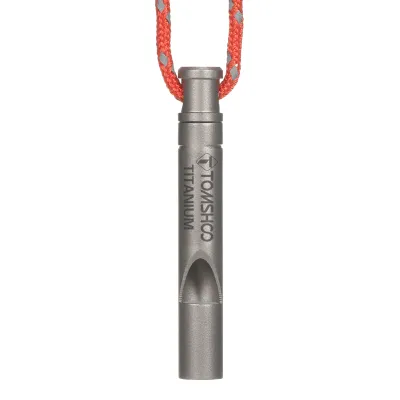
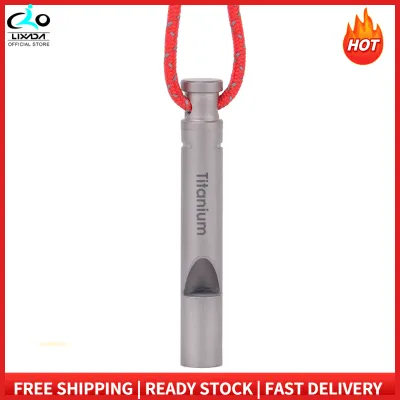
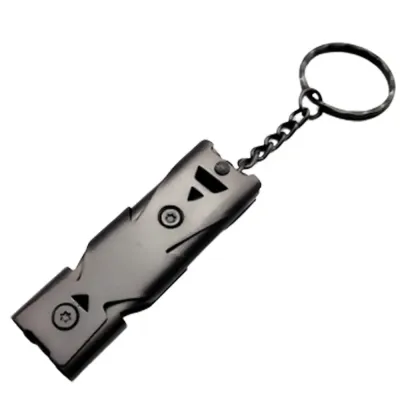
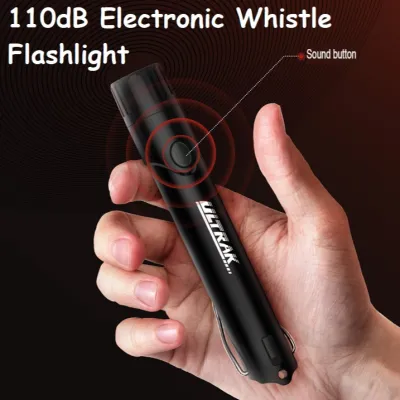
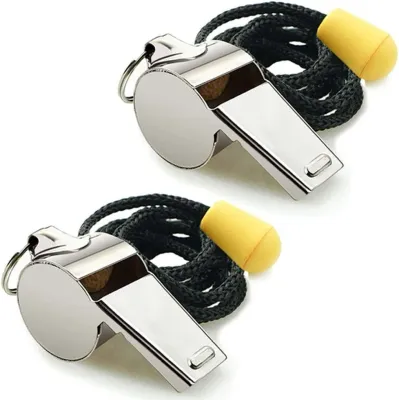

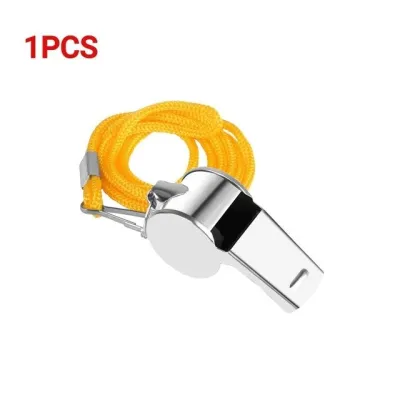
Prices are valid at publication and may change. Please refer to the product page for the latest price.
To prevent this failure, water sports enthusiasts should look for pealess designs. These whistles rely on engineered air chambers to create sound, ensuring they function even when completely submerged. When selecting a pealess whistle for water use, verify the manufacturer’s drainage specifications to ensure water clears instantly upon blowing. Additionally, check if the product is designed with inherent buoyancy or includes a floating lanyard so it does not sink if dropped.
For wilderness exploration, trail running, and hiking, your primary challenge is projecting sound over long distances and through dense natural barriers. Terrain features like thick foliage, rushing rivers, and high winds can rapidly disperse sound waves. In these environments, a high-visibility, multi-chamber pealess whistle is highly recommended.
Multi-chamber designs produce multiple frequencies simultaneously, creating a discordant sound that is easier for the human ear to distinguish from natural background noise. When preparing your gear, verify the attachment options to ensure the whistle can be securely fastened to your backpack shoulder strap or personal flotation device. Always check the manufacturer’s decibel (dB) labels on the packaging to confirm the acoustic range is suited for open-air environments.
In team sports and coaching scenarios, the primary requirement is a sharp, immediate signal that can be heard over shouting players and spectator noise. Traditional pea whistles are highly favored here because they allow the user to vary the tone and volume through breath control, creating distinct commands for different plays or infractions.
However, pea whistles have moisture and maintenance limits. Saliva and condensation can accumulate inside the chamber during intense use, which may cause the pea to stick. For indoor courts or situations where hygiene is a priority, electronic whistles offer an excellent alternative. These hand-operated devices produce a consistent, loud tone at the push of a button, eliminating the need to share mouthpieces or blow manually.
Verifying Key Features and Manufacturer Specifications
When shopping for a safety whistle, avoid relying on vague marketing terms like “ultra-loud” or “extreme range.” Instead, look for standardized acoustic output ratings, typically measured in decibels (dB), printed directly on the product packaging or specification sheet. A higher decibel rating generally indicates a louder sound, but you must also consider the frequency profile.

High-frequency tones cut through wind and open spaces effectively, while lower frequencies may travel better through dense brush. Check the manufacturer’s documentation to see if the whistle is optimized for specific environments. Remember that actual performance will vary based on your lung capacity and environmental conditions, so verifying these specifications beforehand is crucial.
The material of your whistle dictates how well it performs under extreme temperatures and physical impact. Most modern safety whistles are constructed from high-impact ABS plastic or metals like aluminum and titanium. Plastic whistles are lightweight, do not corrode in saltwater, and will not freeze to your lips in cold weather.
If you choose a plastic whistle, check the manufacturer’s notes regarding UV stability to ensure the material will not degrade and become brittle after prolonged sun exposure. Metal whistles offer exceptional durability but can become uncomfortably hot or cold to the touch depending on the weather. Verify the product’s stated temperature thresholds to ensure it matches the climate of your planned activities.
In an emergency, finding your whistle quickly can make a significant difference. Opt for high-visibility colors such as bright orange, neon yellow, or lime green, which stand out against natural landscapes and dark gear bags. Some models also feature reflective elements on the body or the attached lanyard to assist with low-light recovery.
Ergonomics are equally important, especially if you need to use the whistle while wearing gloves or during strenuous physical exertion. Look for a mouthpiece shape that allows for a secure grip with your teeth, enabling hands-free operation if you need to swim or climb. A textured grip on the body of the whistle can also prevent it from slipping out of wet or cold hands.
Carrying, Cleaning, and Knowing When to Replace
How you carry your whistle determines whether you can access it during a sudden emergency. Secure carrying options include lanyards, gear clips, and integrated mounts on hydration vests or life jackets. If you use a lanyard around your neck, it is critical to check its breakaway strength.
A breakaway lanyard features a safety clasp that releases under tension, preventing snag hazards if the cord catches on branches, rocks, or watercraft. For active sports like trail running or kayaking, clipping the whistle directly to a shoulder strap or zipper pull keeps it close to your mouth and prevents it from swinging excessively.
Regular maintenance ensures your whistle remains hygienic and fully functional. For pealess whistles, a simple routine of rinsing the device in warm, clean water and allowing it to air-dry is usually sufficient to remove dirt, salt residue, and saliva.
If you use a traditional pea whistle, a more thorough inspection is required. Regularly look inside the chamber to check for internal mold, debris, or mineral buildup that could restrict the movement of the pea. Avoid using harsh chemical cleaners that could damage the plastic or leave an unpleasant taste; instead, use mild dish soap and rinse thoroughly.
No safety whistle lasts indefinitely, and you should inspect your gear before every outing. Look for observable signs of wear, such as hairline cracks in the housing, deep scratches, or a faded, airy sound when blown. If the whistle fails to produce a clear, sharp tone with moderate effort, replace it immediately.
It is vital to remember that a safety whistle is a supplementary tool and cannot replace proper training, navigation skills, or comprehensive emergency protocols. Always inform someone of your itinerary before heading into remote areas, and carry secondary signaling devices when appropriate.
Deciding Between a Versatile Whistle and Dedicated Gear
Using a single, versatile pealess whistle across multiple sports is a practical approach for many outdoor enthusiasts. A high-quality pealess model transitions seamlessly from a hiking backpack to a life jacket, offering reliable performance on both land and water. This versatility simplifies your gear setup and ensures you are always familiar with your signaling tool.
However, certain scenarios demand dedicated, specialized gear. For example, sports referees and coaches operating in indoor gymnasiums or crowded fields often require electronic whistles to protect their hearing and maintain hygiene across multiple users. Similarly, search-and-rescue canine handlers may use specific high-frequency whistles designed to get a dog’s attention without causing distress. Assess your primary activities to determine if a multi-use whistle suffices or if specialized tools are necessary for safety and efficiency.
Frequently Asked Questions (FAQ)
How loud does a safety whistle need to be for outdoor emergencies?
When preparing for outdoor emergencies, look for a safety whistle with a standardized acoustic output label on the packaging. While higher decibel ratings generally offer greater range, environmental factors like strong winds, dense foliage, and rushing water will significantly reduce how far the sound travels. Always check the manufacturer’s intended use case to ensure the whistle’s frequency and design are optimized for the terrain you plan to explore.
Are electronic whistles better than traditional ones for sports?
Electronic whistles offer distinct advantages for sports, such as consistent sound volume and hygienic, hands-free operation via a push button. However, they rely entirely on batteries and have specific moisture limits. Before using an electronic whistle in wet or humid conditions, verify the manufacturer’s water-resistance rating to ensure it can withstand sweat, rain, or accidental splashes without failing.

Community discussion
Share your experience or ask a question. Comments are reviewed before publication.