
Selecting the perfect football is not just about picking a design that catches your eye; it is about matching the ball’s engineering to the specific environment you play in and your current skill level. Whether you are playing on a damp natural grass pitch, a high-friction artificial turf field, or a polished indoor court, the ball’s casing, bladder, and stitching determine its performance and lifespan. Choosing a model that aligns with your playing conditions ensures optimal ball control, predictable flight paths, and excellent durability, while protecting you from unnecessary strain or injury.
Trionda offers a diverse range of footballs designed to meet these varying demands. To make an informed purchase, you must understand how different construction methods, materials, and certifications impact playability. By evaluating your primary playing surface and your experience level, you can select a ball that enhances your skills and withstands the rigors of your weekly matches or training sessions.
Identifying the Right Ball Construction for Your Playing Surface
The surface you play on is the single most important factor determining how long your football will last and how well it will perform. Different pitches exert different types of wear and tear on a ball, requiring specific material properties to maintain structural integrity and consistent playability.
Products mentioned in this guide
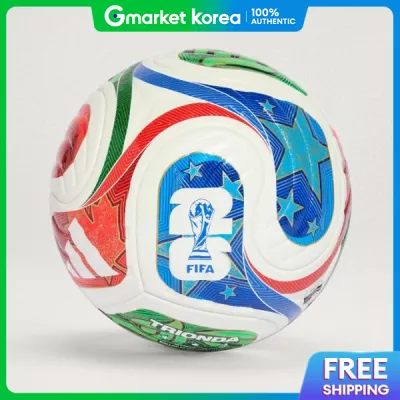
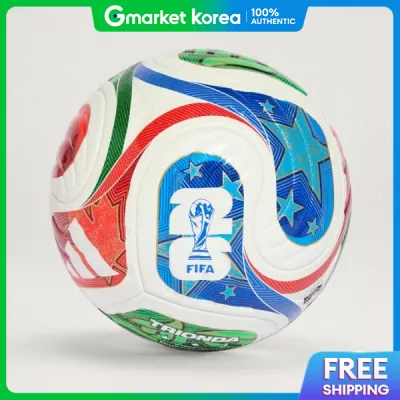
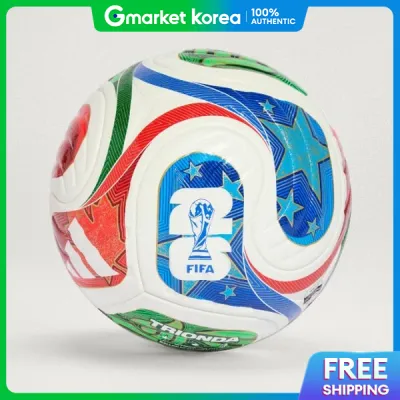
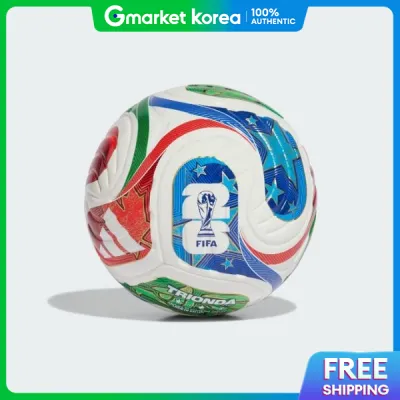
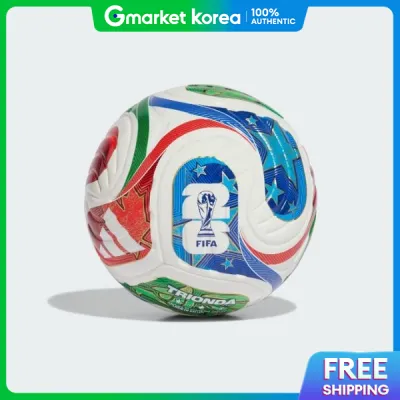
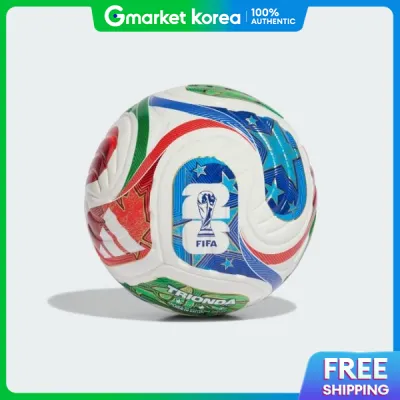
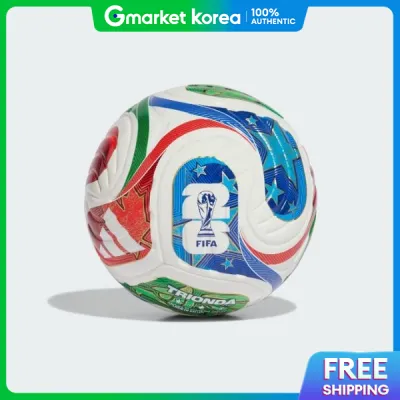
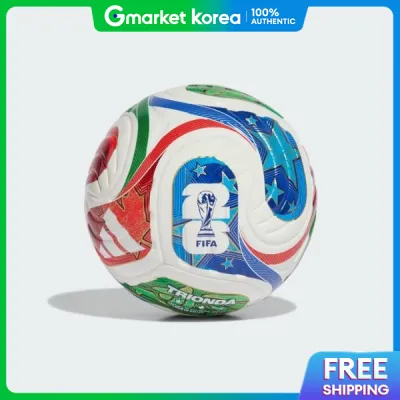
Prices are valid at publication and may change. Please refer to the product page for the latest price.
Natural Grass Pitches
Natural grass pitches offer a classic playing experience, but they present unique challenges, particularly regarding moisture and surface consistency. When playing on natural grass, your primary focus should be on water resistance and consistent bounce. During wet weather or on damp morning grass, a standard football can absorb water through its seams, making it heavy, sluggish, and difficult to kick. This added weight also increases the risk of neck and joint strain during headers and long passes.
To counter this, look for footballs featuring thermobonded panels or high-quality Polyurethane (PU) casings with sealed seams. Thermobonding eliminates stitching holes entirely, creating a seamless barrier that prevents water absorption. Additionally, natural grass requires a ball with a predictable, standard bounce to navigate the natural imperfections of the turf. A high-quality bladder, such as a latex or carbon-latex bladder, provides the responsive rebound needed to control the ball effectively on natural ground.
Artificial Turf (3G/4G Pitches)
Artificial turf pitches, which are highly common in urban sports complexes and community hubs, consist of synthetic plastic fibers supported by a base of sand and recycled rubber infill. While these pitches offer a level playing surface in all weather conditions, they are highly abrasive. The friction generated by synthetic blades and rubber pellets creates intense heat and wear, which can quickly scuff, peel, or tear a standard football casing.
For artificial turf, you must prioritize high abrasion resistance. Footballs designed for turf often feature a textured outer cover made of reinforced TPU (Thermoplastic Polyurethane) or specialized PU compounds. These materials are engineered to withstand constant scraping against synthetic fibers without losing their grip or structural shape. Furthermore, turf balls often utilize hybrid stitching—where the panels are both stitched and glued—to protect the seams from being compromised by tiny rubber pellets wedged between the panels.
Indoor Courts and Futsal Halls
Indoor sports halls with hardwood, vinyl, or polished concrete floors present a completely different set of physics. On these hard, unforgiving surfaces, a standard outdoor football will bounce erratically and travel at speeds that make close control nearly impossible. This can lead to chaotic gameplay, frequent stoppages, and an increased risk of collisions.
To play safely and effectively indoors, you need a dedicated low-bounce ball, commonly referred to as a futsal ball. These balls are smaller (typically Size 4) and heavier than standard footballs, and they feature a specialized bladder filled with synthetic fibers or foam. This internal filling dampens the rebound, ensuring the ball stays close to the floor. The outer casing of an indoor ball is also optimized for grip on smooth surfaces, allowing for quick, intricate footwork and precise passing in tight spaces.
Aligning Ball Specifications with Your Skill Level
Your experience level dictates the type of ball performance you require. Beginners need a forgiving ball that helps them build confidence, while advanced players require a high-precision tool that responds accurately to subtle touches and powerful strikes.

Beginners and Youth Players
For those who are new to the sport or purchasing a ball for youth players, the primary goals are safety, comfort, and skill development. Hard, heavy match balls can cause pain or bruising upon impact, which can discourage beginners from practicing headers, volleys, or proper trapping techniques.
Beginners should look for footballs constructed with soft-touch materials, such as foam-backed TPU casings. These materials provide a cushioned feel upon contact, reducing the fear of impact and allowing players to focus on mastering their footwork and passing accuracy. Additionally, pay close attention to sizing: younger players should use smaller, lighter balls (Size 3 for under-8s, Size 4 for ages 8 to 12) to prevent joint strain and facilitate proper biomechanical development before transitioning to a standard adult Size 5 ball.
Intermediate Players and Regular Training
Intermediate players who participate in regular training sessions, casual leagues, or weekend kickabouts need a balanced ball that offers reliable flight stability, standard weight, and excellent durability. At this stage, players are developing more power in their shots and precision in their passing, meaning the ball must behave predictably in the air.
For this level, a standard-weight Size 5 ball with a hybrid or high-quality machine-stitched construction is ideal. These balls typically feature a durable PU casing reinforced with multiple layers of polyester or cotton linings. This multi-layer backing helps the ball retain its roundness over months of repeated use. A butyl bladder is highly recommended for intermediate training balls, as it retains air pressure for weeks, reducing the need for constant inflation before every practice session.
Advanced and Match Play
Competitive match play demands the highest level of performance, where even a millimeter of deviation in ball roundness can alter the trajectory of a crucial shot or pass. Advanced players require balls engineered with strict aerodynamic stability, minimal water absorption, and maximum energy transfer.
Premium match balls utilize thermobonded construction to achieve a perfectly spherical shape and a seamless surface. This design minimizes wind resistance, allowing the ball to cut through the air with a highly predictable flight path. These balls feature high-grade PU casings with textured surfaces that optimize grip between the boot and the ball, enabling advanced players to apply precise spin and swerve. They also utilize premium latex bladders, which offer unmatched responsiveness, explosive power transfer, and a sensitive touch, though they do require regular inflation.
How to Verify Trionda Product Labels and Certifications
When browsing online marketplaces or physical sports stores, you will encounter various product descriptions and technical specifications. Knowing how to decode these labels allows you to verify the quality and suitability of a Trionda football before making a purchase.
Checking for Quality Certifications
To ensure a football meets international standards of performance and durability, look for recognized quality marks printed on the casing. The most common certifications are issued by FIFA, the international governing body for football:
- FIFA Quality Pro: This is the highest certification available. It guarantees the ball has passed rigorous laboratory tests simulating professional match conditions. The tests evaluate weight retention, circumference consistency, sphericity, bounce height, water absorption, loss of pressure, and shape retention after thousands of high-speed impacts.
- FIFA Quality: This mark indicates the ball is suitable for competitive club play and high-level training. It undergoes similar tests to the Quality Pro mark but with slightly wider tolerances.
- IMS (International Match Standard): This certification uses the same testing criteria as the FIFA Quality mark but is often found on balls where the manufacturer chose not to pay the FIFA branding fee. It represents excellent value for competitive players.
If a Trionda ball carries one of these marks, you can be confident in its roundness, weight, and flight predictability.
Verifying Casing and Bladder Materials
Do not rely solely on visual designs; always check the technical specifications for the casing and bladder materials. The table below outlines the key differences between the common materials you will encounter:
| Component | Material | Key Characteristics | Best Suited For |
|---|---|---|---|
| Casing | Polyurethane (PU) | Soft touch, high elasticity, excellent responsiveness, good water resistance. | Competitive matches, advanced training, natural grass. |
| Casing | Thermoplastic Polyurethane (TPU) | Highly durable, scuff-resistant, slightly firmer feel than PU. | Intermediate training, artificial turf, recreational play. |
| Casing | Polyvinyl Chloride (PVC) | Extremely hard-wearing, inexpensive, feels stiff and hard in cold conditions. | Street play, concrete surfaces, budget-conscious beginners. |
| Bladder | Butyl | Exceptional air retention (holds air for weeks), slightly heavier feel. | Recreational play, daily training, low-maintenance setups. |
| Bladder | Latex | Highly responsive, soft touch, excellent bounce, porous (loses air daily). | Professional matches, advanced play, high-performance training. |
By matching these material properties to your specific needs, you can avoid purchasing a ball that is either too delicate for your playing surface or too stiff for your skill level.
Confirming Recommended Surface Guidelines
Manufacturers typically design footballs with specific surfaces in mind and will state this on the packaging or product listing. Look for designations such as “FG” (Firm Ground/Natural Grass), “AG” (Artificial Grass/Turf), or “IN/IC” (Indoor Court).
Using a natural grass ball (FG) on a highly abrasive artificial turf pitch (AG) will void any manufacturer warranties and cause the outer casing to peel prematurely. Conversely, using a stiff turf ball on natural grass may result in a less responsive feel. Always verify that the product description explicitly supports the surface you play on most frequently.
Essential Care and Maintenance by Surface Type
Even the highest-quality Trionda football will degrade quickly without proper care. Implementing a simple maintenance routine tailored to your playing surface will preserve the ball’s touch, shape, and inflation pressure for seasons to come.
Cleaning Routines After Play
Different surfaces leave different residues on your football, requiring specific cleaning methods to prevent material degradation:
- After Natural Grass Play: Mud, dirt, and organic matter hold moisture against the casing, which can weaken adhesives and stitching over time. Wipe the ball down immediately after use with a damp cloth and mild soapy water. Never use harsh chemical detergents, abrasive scrubbers, or high-pressure water, as these can strip the protective coating off the casing. Allow the ball to dry naturally in a well-ventilated indoor space away from direct heat sources.
- After Artificial Turf Play: Turf pitches leave fine plastic dust and black rubber infill residue on the ball. These tiny rubber particles can wedge themselves into the seams of stitched balls, slowly stretching the threads. Use a soft-bristled brush to sweep away any loose rubber pellets and dust from the seams, then wipe the casing with a damp microfiber cloth.
- After Indoor Play: Indoor courts accumulate fine dust and floor wax residue, which can make the ball's surface slippery and reduce grip. Wipe the ball with a clean, damp cloth after every session to restore its natural tackiness and ensure optimal control during your next game.
Proper Inflation Practices
Maintaining the correct air pressure is vital for preserving the ball’s shape and ensuring a consistent bounce. Always refer to the recommended pressure range (usually measured in PSI or Bar) printed directly around the ball’s inflation valve.
When inflating your football, always moisten the inflation needle with a drop of glycerin, valve oil, or soapy water before inserting it into the valve. Inserting a dry needle can friction-damage the rubber valve core or push it out of alignment, leading to slow, permanent air leaks. Insert the needle straight and smooth, avoiding any tilting that could bend the valve. Use a reliable pressure gauge to verify the inflation level; over-inflating a ball stretches the seams and distorts the casing, while under-inflating leads to sluggish performance and poor flight aerodynamics.
Storage in Humid Climates
Singapore’s high humidity and tropical heat present a challenging environment for sports equipment. High moisture levels in the air can accelerate the breakdown of glues used in hybrid and thermobonded balls, while extreme heat can warp the bladder and dry out the casing.
Never store your football in direct sunlight, damp outdoor lockers, or the boot of a car, where temperatures can easily exceed 50 degrees Celsius. Instead, store your ball in a cool, dry, and well-ventilated indoor space. If you are storing the ball for an extended period, slightly deflate it to relieve tension on the seams and bladder, and keep it in a breathable mesh bag rather than a sealed plastic container.
Frequently Asked Questions (FAQ)
Can I use a standard outdoor football on an indoor court?
Using a standard outdoor football on a hard indoor court is not recommended. Outdoor balls are designed to bounce on soft grass or turf; when used on hardwood or concrete, they bounce excessively high and travel too quickly, making close control difficult and increasing the risk of accidental collisions or injuries. Additionally, the hard indoor surface will rapidly scuff and damage the delicate casing of an outdoor ball, while the ball itself may leave dark scuff marks on polished sports hall floors. For indoor play, always use a dedicated low-bounce futsal ball.
How often should I check the air pressure of my football?
You should perform a quick visual and tactile check of your football’s pressure before every playing session. If you use a ball with a latex bladder, expect to inflate it before every game, as latex is naturally porous and loses pressure daily. Butyl bladders hold air much longer, but they should still be checked with a pressure gauge at least once a week if you play regularly. Keep in mind that temperature changes affect air pressure; moving a ball from an air-conditioned indoor room to a hot outdoor pitch will cause the air inside to expand, so always verify the pressure in the environment where you plan to play.
Community discussion
Share your experience or ask a question. Comments are reviewed before publication.