
Selecting the right Victor backpack requires balancing your weekly playing frequency, the volume of gear you carry, and your daily transit habits. As one of the most prominent names in badminton, Victor designs a wide range of carrying solutions, from compact commuter bags to high-capacity tournament packs. Finding the ideal match is not about choosing the largest or most expensive option; instead, it is about identifying a bag that protects your rackets, isolates damp court gear, and fits comfortably during your commute. By evaluating your specific equipment needs and understanding key structural features, you can select a backpack that supports your progression on the court while standing up to regular use.
Assess Your Badminton Gear and Carrying Needs
Before browsing specific Victor backpack designs, you must take a detailed inventory of what you actually carry to the court. The primary consideration is always your rackets. A casual player might only carry one or two rackets, which can easily fit into a standard backpack compartment or an external sleeve. However, competitive club players often carry three, four, or more rackets to ensure they have backups in case of string breakage or changing court conditions. The physical space required for multiple rackets increases significantly, as does the need for dedicated protection to prevent frames from rubbing against each other or colliding with other gear.
Beyond rackets, badminton requires a surprising variety of accessories that can quickly clutter a single-compartment bag. Consider how many tubes of shuttlecocks you need to transport. A single tube takes up substantial vertical space, while coaches or regular organizers might need to carry three or more tubes simultaneously. Smaller essentials like replacement grip tapes, scissors, wristbands, sports towels, and joint supports also need dedicated storage. Without small, organized pockets, these items inevitably sink to the bottom of your bag, making them difficult to locate quickly during a short water break.
Products mentioned in this guide
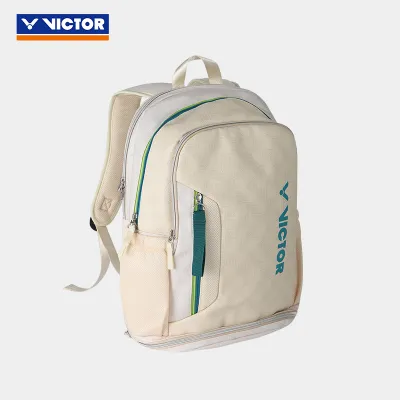
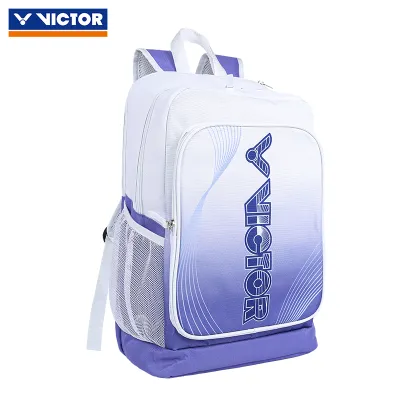
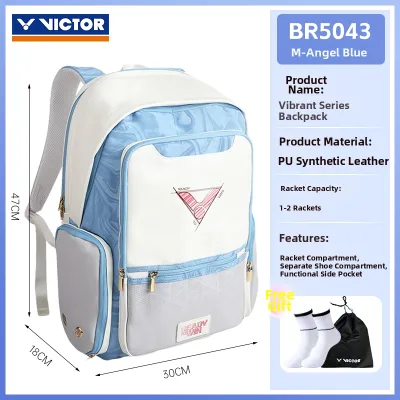
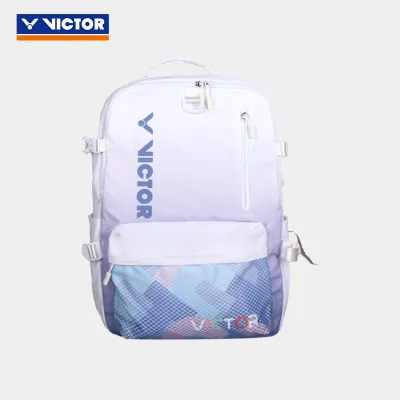
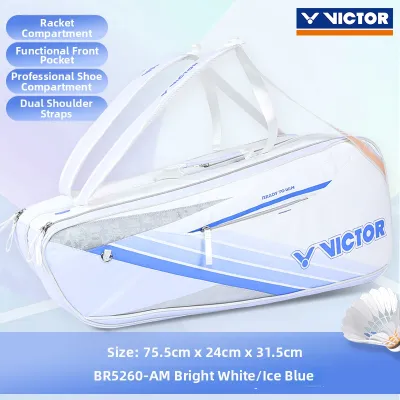
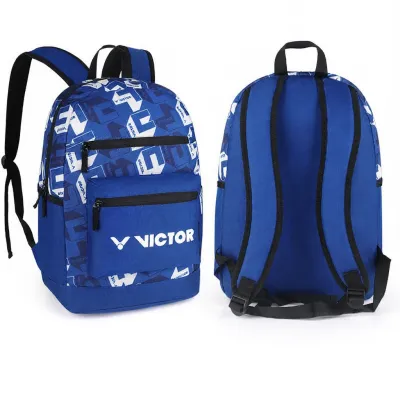
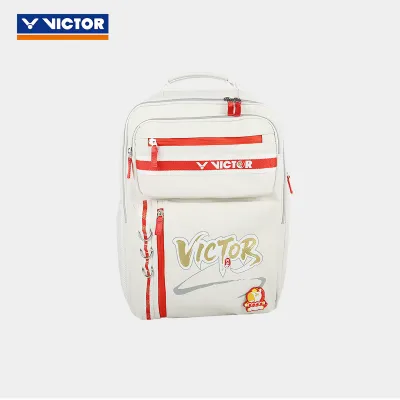
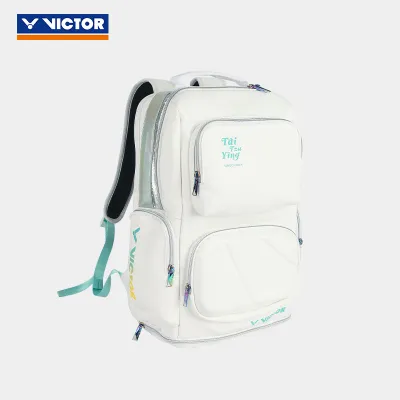
Prices are valid at publication and may change. Please refer to the product page for the latest price.
Your off-court gear and personal items also dictate the size and layout of your ideal backpack. In warm, humid climates like Singapore, a post-match change of clothing is practically mandatory. This means your bag must accommodate a fresh set of clothes, a towel, and toiletries, alongside your damp, sweaty court wear. Furthermore, your badminton shoes require significant volume. Because court shoes should not be worn on outdoor surfaces to preserve their grip, you must carry them to and from the venue. This necessitates a dedicated space that keeps dirty outsoles away from your clean apparel.
Finally, consider your daily routine and transit methods. Many players head to the court directly from work or university, meaning their badminton backpack must double as a daily commuter bag. If this applies to you, look for a model that includes a secure, padded compartment for a laptop or tablet, as well as organizer pockets for chargers, notebooks, and pens. Balancing these professional or academic tools with sweaty sports gear requires a highly organized interior layout to prevent moisture transfer and physical damage to your electronics.
Key Features to Evaluate in a Victor Backpack
When examining Victor’s product lineup, understanding the technical features and structural designs listed on product labels will help you make an informed decision. The racket compartment is the core of any badminton bag. You should check whether a model features an independent racket compartment that isolates your frames from the rest of your gear. Some premium Victor bags incorporate thermal protection indicators or specialized linings designed to shield racket strings and frames from extreme temperature fluctuations. While these linings help maintain string tension, you should verify the manufacturer’s specific material claims on the product tag to ensure they meet your local climate demands.

A dedicated shoe compartment is another critical feature to evaluate. Look for designs that place the shoe pocket at the bottom or side of the backpack, completely sealed off from the main storage area. Crucially, this compartment must feature ventilation grommets or mesh panels. Proper airflow is essential for allowing moisture to escape, which helps prevent the buildup of odor and bacteria after an intense session. When inspecting a bag, check the size of the shoe opening to ensure your specific shoe size can slide in and out easily without forcing the zipper.
Ergonomic support is vital, especially if you commute by public transport or walk long distances to the sports hall. Evaluate the shoulder straps; they should be wide, heavily padded, and contoured to distribute weight evenly across your shoulders. Adjustable chest or sternum straps are excellent additions for stabilizing a heavy load, preventing the backpack from shifting as you walk or ride. Additionally, examine the back panel. Victor utilizes various mesh and padded structures designed to create air channels between the bag and your back. This ventilation is highly beneficial for keeping you cool during warm commutes.
Material specifications directly impact the longevity of your backpack. Look for heavy-duty polyester or nylon fabrics with high denier ratings, which indicate greater resistance to tears and abrasions. Many Victor bags feature water-resistant external coatings or water-repellent zippers to protect your gear during sudden rain showers. Check the base of the backpack as well; a reinforced, easy-to-wipe bottom material is highly desirable, as badminton bags are frequently placed on dusty sports hall floors or outdoor benches. Finally, test the zippers. Heavy-duty, smooth-gliding zippers with robust pulls are essential, as zipper failure is one of the most common reasons sports bags become unusable.
Matching Backpack Profiles to Your Playing Frequency
Your weekly playing schedule and lifestyle are excellent guides for determining which style of Victor backpack will serve you best. Casual or weekly players who typically play for recreation once a week generally do not need a massive, specialized tournament bag. For this group, a compact, classic-style backpack is often the most practical choice. These models usually hold one or two rackets in a rear compartment, leaving the main section free for a pair of shoes and a light change of clothes. Their streamlined profile makes them exceptionally easy to carry on crowded buses or trains, and they blend in seamlessly in office or classroom environments.
Regular club players, league competitors, and local coaches require a more robust carrying solution. If you hit the courts three or more times a week, your gear demands escalate. You will likely need to carry multiple rackets, several tubes of shuttlecocks, training aids, and a comprehensive selection of spare clothing and towels. For these high-frequency users, Victor’s larger rectangular backpacks or specialized dual-shoulder racket bags are highly suitable. These designs maximize internal volume and offer structured compartments that keep your extensive gear organized, accessible, and well-protected throughout consecutive days of play.
For tournament travelers and players who participate in multi-day events, maximum capacity and advanced organization are paramount. Traveling for badminton requires packing not just your court gear, but also personal travel essentials, toiletries, and multiple changes of athletic wear. In these scenarios, look for Victor’s largest capacity backpacks, which often feature expandable compartments, dedicated wet/dry separation zones, and multiple external accessory pockets. These bags are designed to handle heavy loads comfortably over long distances, ensuring that all your equipment remains organized and protected during transit.
What to Check Before You Buy
Before finalizing your purchase, whether you are shopping at an authorized physical sports store or browsing an online marketplace, there are several practical checks you should perform. First, verify the exact physical dimensions, empty weight, and total liter capacity against the manufacturer’s official specifications. A bag that looks compact online might feel excessively bulky in person, or it may not fit into standard gym lockers. Ensure the bag’s dimensions align with your physical stature and your daily commuting constraints.
Next, conduct a thorough physical inspection of the build quality. Open and close every zipper multiple times to check for smooth operation and to ensure the fabric does not get caught in the teeth. Examine the stitching, particularly at high-stress areas such as where the shoulder straps connect to the main body of the backpack. Look for reinforced stitching or double seams, which are strong indicators of durability. Adjust the shoulder and chest straps to verify that the plastic buckles hold securely under tension and do not slip easily.
It is also essential to confirm the warranty terms, authenticity guarantees, and return policies of the retailer. Because counterfeit sports gear is common online, purchasing from an authorized Victor dealer or official brand outlet is the best way to ensure you receive a genuine product. Genuine Victor bags typically come with specific holographic tags or serial numbers that can be verified. Check if the retailer offers a clear return policy in case the backpack does not fit your gear as expected once you bring it home.
If you are shopping in a physical retail store, take the opportunity to test the backpack’s loaded balance. Ask the staff if you can place a few rackets and a pair of shoes inside the bag to simulate a real-world load. Put the backpack on, adjust the straps, and walk around for a few minutes. Pay attention to how the weight distributes across your shoulders and back. A well-designed backpack should keep the center of gravity close to your body, preventing the bag from pulling backward or sagging uncomfortably.
Frequently Asked Questions (FAQ)
Can I use a regular everyday backpack for badminton?
While you can technically use a standard school or commuter backpack to carry your badminton gear, it is not recommended for regular players. Everyday backpacks lack the specialized compartments required to protect sports equipment. Standard bags rarely feature dedicated racket compartments, leaving your expensive frames vulnerable to scratches, warping, or damage from other items. Furthermore, they lack isolated, ventilated shoe compartments, meaning dirty outsoles and damp, sweaty clothes will share the same space as your clean items, leading to odor buildup and hygiene issues. The lack of ergonomic support designed for carrying heavy, uneven sports gear can also cause shoulder and back strain over time.
How should I clean and maintain my badminton backpack?
To extend the lifespan of your Victor backpack, establish a regular cleaning and maintenance routine. After every session, completely empty all compartments, especially the shoe and wet clothing sections, to prevent mold and odor from developing. For general cleaning, wipe the exterior and interior surfaces with a damp cloth and a mild, non-abrasive soap. Avoid using harsh chemicals or machine washing the bag, as this can damage water-resistant coatings and structural paddings. Always allow the backpack to air dry completely in a well-ventilated, shaded area away from direct sunlight or heat sources, which can warp materials and degrade adhesives.

Community discussion
Share your experience or ask a question. Comments are reviewed before publication.