
Keeping a cast dry is critical for proper bone healing and preventing skin infections, especially in Singapore’s warm, humid climate. Whether you are navigating a daily shower in a compact HDB bathroom or hoping to wade in a swimming pool, choosing the right waterproof cast cover requires matching the design to your specific activity. A suitable cover must create a reliable, airtight seal against your skin without cutting off circulation, allowing you to maintain your hygiene and mobility while your injury heals.
Selecting the wrong type of protection can lead to costly cast replacements, skin irritation, or delayed recovery. By understanding the differences between light splash protection and full submersion seals, evaluating key material features, and ensuring an accurate fit, you can confidently protect your plaster or fiberglass cast. This guide outlines the essential factors to consider when purchasing a waterproof cast cover in Singapore, helping you make an informed decision for a safe and comfortable recovery.
Understanding Your Needs: Showering vs. Swimming
The first step in choosing a waterproof cast cover is identifying the level of water exposure it must withstand. Daily showering and recreational swimming present entirely different challenges for waterproof seals, and a cover designed for one may fail under the conditions of the other.
Products mentioned in this guide
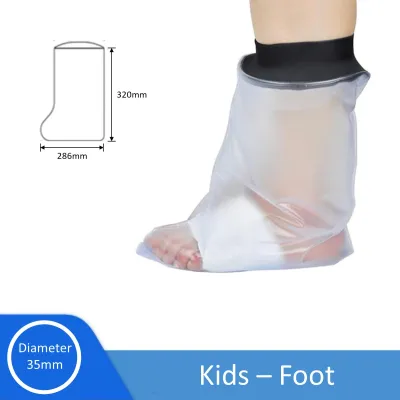
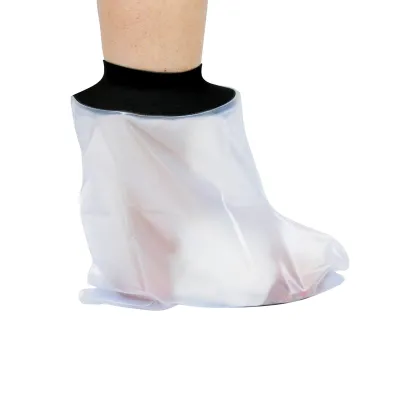
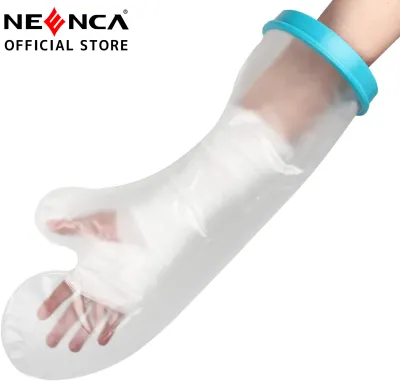
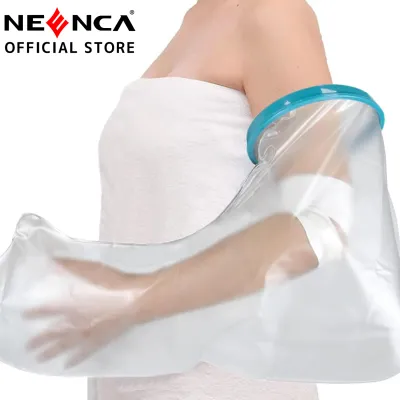
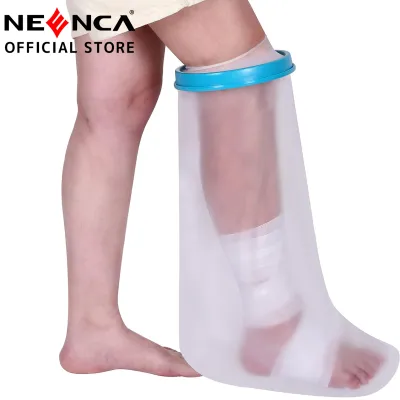
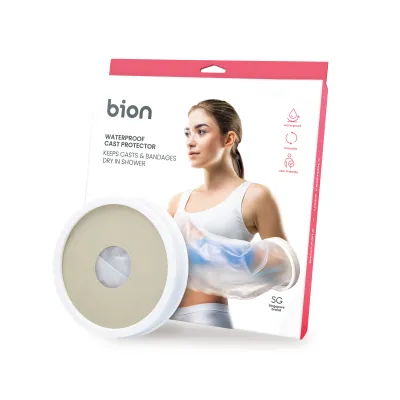
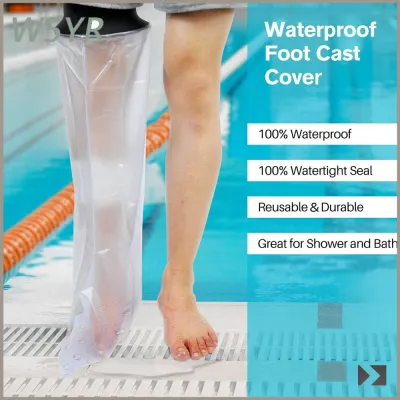
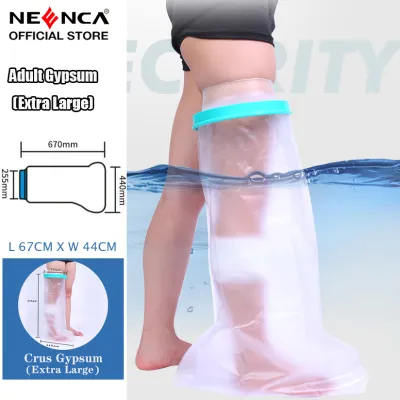
Prices are valid at publication and may change. Please refer to the product page for the latest price.
Showering typically involves gravity-fed, low-pressure water that runs down the body. The primary goal of a shower cover is to deflect falling water and splashes away from the cast. Because the limb is not submerged, the seal does not need to withstand significant hydrostatic pressure. A standard splash-proof cover with a flexible elastic or neoprene band is often sufficient for these daily routines, provided the water is not sprayed directly at the seal interface.
Swimming, on the other hand, involves complete submersion, which subjects the cover to continuous hydrostatic pressure. As you lower your limb into the water, the pressure increases, forcing water against the seal from all directions. Furthermore, the active physical movements of swimming—such as kicking, paddling, or splashing—create dynamic water pressure that can easily breach a weak or loose seal.
If you plan to use a cover in a swimming pool or at the beach, you must select a product explicitly rated for full submersion. These covers typically feature heavy-duty silicone diaphragms or vacuum-pump mechanisms that extract air to create an airtight, watertight lock. Always check the manufacturer’s specifications for maximum submersion depth and duration limits before entering the water, as most covers are not designed for deep diving or prolonged swimming sessions exceeding 30 minutes.
Key Features to Evaluate for Reliable Protection
To help keep your cast dry, you must evaluate the specific design features of the cover. The effectiveness, durability, and comfort of a waterproof protector depend heavily on its seal mechanism, material composition, and overall build quality.

The seal is the most critical component of any cast cover. Common seal mechanisms include:
- Silicone Diaphragms: These are highly elastic, rubber-like rings that stretch over the cast and snap back to hug the bare skin tightly. They offer a highly effective waterproof barrier and are durable and latex-free. However, they can feel very tight on the skin, and pulling them over a bulky cast may require assistance.
- Neoprene Straps: Made from a soft, synthetic rubber similar to wetsuit material, neoprene seals are comfortable and less likely to pinch the skin. They are easier to slide on and off, making them ideal for users with limited mobility. The trade-off is that they may stretch out over time and are generally better suited for showering rather than full submersion.
- Vacuum Seals: These covers feature a built-in hand pump that allows you to extract air from the sleeve once it is on your limb. This creates a customized, vacuum-tight fit that conforms closely to the shape of your cast. While highly secure for swimming, they are typically more expensive and require careful handling to avoid damaging the pump valve.
Material durability is another essential factor, especially when covering rough fiberglass casts. Standard PVC (Polyvinyl Chloride) is lightweight and affordable, but it can be prone to punctures if dragged against the abrasive edges of a fiberglass cast. TPU (Thermoplastic Polyurethane) is a more robust alternative, offering superior tear resistance, flexibility, and longevity. If you have sensitive skin or a known allergy, ensure the cover is labeled as latex-free to prevent contact dermatitis in Singapore’s humid weather.
Finally, consider whether a reusable or single-use design is more cost-effective for your recovery timeline. Single-use plastic sleeves with adhesive strips are inexpensive upfront but can become costly and less reliable over a standard six-to-eight-week healing period. A high-quality, reusable cover typically costs between S$20 and S$60 in Singapore and provides reliable, repeatable protection that lasts throughout your entire rehabilitation process.
Matching Cover Types to Your Cast and Activity
Waterproof cast covers are anatomically designed to fit specific limbs, and choosing the correct form factor is vital for maintaining a watertight seal. The design challenges for arm covers differ significantly from those of leg covers.
Arm and wrist covers must be easy to apply independently, as you will likely only have one fully functional hand to slide the cover on. These protectors must accommodate the thumb and fingers comfortably if they are left free by the cast, while ensuring the upper seal sits securely on the upper arm or forearm. Half-arm sleeves are ideal for wrist or lower-arm injuries, whereas full-arm sleeves are necessary for elbow fractures or full-arm casts, requiring the seal to sit high on the bicep.
Leg and foot covers face the unique challenge of weight-bearing and movement. If your doctor has cleared you to walk, your leg cover must be durable enough to withstand contact with the ground. More importantly, wet plastic and silicone are extremely slippery on tiled bathroom floors or pool decks. To prevent dangerous slips and falls, look for leg covers that feature a textured, non-slip sole. Half-leg covers protect the foot and calf, sealing below the knee, while full-leg covers extend up to the thigh, requiring a very secure seal that will not slide down under the weight of the water.
The type of cast material also influences your choice. Traditional plaster casts are highly vulnerable to moisture; even minor exposure can cause the plaster to soften and dissolve, requiring an immediate trip to the clinic for a replacement. If you have a plaster cast, prioritize highly secure seals and avoid full submersion unless absolutely necessary. Fiberglass casts are more resilient to water, but the cotton padding underneath must remain dry to prevent skin maceration, severe itching, and bacterial growth. Because fiberglass has a rough, sandpaper-like texture, it is wise to wrap the top edge of the cast in a soft cloth or bandage before sliding the cover on to prevent tearing the waterproof sleeve.
Ensuring a Proper, Safe, and Comfortable Fit
A waterproof cast cover can only perform effectively if it fits your limb correctly. An improper fit can lead to water leaks, skin damage, or restricted blood circulation.
To find the correct size, do not rely on your clothing size or height. Instead, take precise measurements of your limb using a flexible measuring tape. First, measure the circumference of your bare skin approximately 5 to 10 centimeters above the top edge of your cast. This is where the waterproof seal must rest; it must never sit directly on the cast or on a bandage, as this will allow water to seep through. Second, measure the total length of your cast from the tip of your fingers or toes to the top edge, adding a few centimeters of clearance to ensure the cover does not cramp or compress your limb. Compare these measurements against the manufacturer’s sizing chart.
When applying the cover, stretch the elastic diaphragm gently with both hands to create a wide opening, then carefully slide your limb inside. Avoid pulling the cover by the thin seal material, as this can cause tears. Once the cover is fully on, gently pull the sleeve back slightly to smooth out any folds or wrinkles in the seal. A single wrinkle can create a microscopic channel that allows water to bypass the barrier.
Pay close attention to how the seal feels once in place. It should feel snug and secure, but not painfully tight. Warning signs of a poor fit or restricted circulation include numbness, tingling, coldness, or a pale or bluish color in your fingers or toes. If you experience any of these symptoms, remove the cover immediately and choose a larger size. Additionally, limit your wear time to the recommended 20 to 30 minutes; the high humidity in Singapore can cause rapid sweat accumulation inside the airtight cover, which can wet your cast from the inside out.
Purchasing Checks and Local Availability in Singapore
When sourcing a waterproof cast cover in Singapore, taking the time to verify product details and seller credibility will help you avoid low-quality counterfeits that fail during use.
You can find waterproof cast covers at physical retail locations and online marketplaces. Major local pharmacies and specialized medical supply shops—often located near major public and private hospitals—stock standard waterproof protectors. Purchasing in person allows you to physically inspect the thickness of the material and the elasticity of the seal. If you choose to buy from an online marketplace, read customer reviews carefully, paying close attention to feedback regarding sizing accuracy and seal reliability. Ensure the seller offers a clear return or exchange policy in case the cover does not fit your limb securely.
Before purchasing or using any waterproof cover, consult your orthopedic specialist or healthcare provider. This is especially critical if your injury involves surgical incisions, external fixation pins, stitches, or active wound drainage. Standard cast covers are designed to keep dry, intact skin and casts clean; they do not provide a sterile environment. Your doctor can advise you on whether your specific injury is ready for water exposure and recommend the safest method for maintaining hygiene during your recovery.
Frequently Asked Questions (FAQ)
Can I use a waterproof cast cover for open wounds?
No, standard waterproof cast covers are not suitable for protecting open wounds, surgical incisions, or external pins. These covers are designed to keep dry casts and intact skin clean, but they do not create a sterile environment. Trapping moisture, sweat, and body heat inside an airtight plastic sleeve can create a warm, humid breeding ground for bacteria, significantly increasing the risk of infection. Always consult your doctor or surgeon for specialized wound-care protocols and approved waterproof dressings before attempting to shower or bathe with an open wound.
How do I clean and maintain a reusable cast cover?
To maintain hygiene and prolong the lifespan of your reusable cast cover, rinse both the interior and exterior with clean, lukewarm water after every use. This removes soap residue, chlorine, salt, and sweat that can degrade the material over time. Avoid using harsh detergents, bleach, or abrasive scrubbing pads. Hang the cover to air dry completely in a well-ventilated indoor area, away from direct sunlight or direct heat sources like hair dryers, which can warp or crack the elastic seal. Inspect the seal for tiny tears or punctures before each use.
What should I do if water gets inside the cover?
If you feel or suspect that water has leaked inside the cover, exit the shower or pool immediately. Carefully slide the cover off your limb, taking care not to let any pooled water spill onto your cast. Dry your skin and the exterior of the cast with a clean towel. If you have a traditional plaster cast and it feels soft, damp, or out of shape, or if your fiberglass cast’s inner cotton padding is wet, contact your clinic or hospital’s orthopedic department right away. Wet padding can cause severe skin maceration, irritation, and infection within hours, and typically requires a professional cast replacement.
Community discussion
Share your experience or ask a question. Comments are reviewed before publication.