
Recovering from a Triangular Fibrocartilage Complex (TFCC) injury requires a highly targeted approach to wrist stabilization. Unlike general wrist sprains that benefit from broad compression, a TFCC tear or strain demands specialized support that specifically offloads the ulnar (pinky) side of the wrist while controlling forearm rotation. In Singapore’s warm, humid climate, finding a brace that balances rigid stabilization with breathable, skin-friendly materials is essential for both daily recovery and a safe return to sports like tennis, badminton, or weightlifting. Selecting the right support involves evaluating the structural design of the brace, matching its rigidity to your current stage of healing, and verifying its fit to prevent secondary complications.
Identifying Your TFCC Support Requirements
The Triangular Fibrocartilage Complex acts as the main stabilizer of the distal radioulnar joint, absorbing shock and supporting the wrist during gripping, rotating, and weight-bearing movements. When this structure is compromised, pain is typically localized to the ulnar side of the wrist, directly beneath the pinky finger. Standard wrist splints often immobilize the entire joint, restricting flexion and extension, which may not address the specific rotational forces that aggravate a TFCC injury. To support a TFCC recovery path, you need a brace designed to target ulnar-sided stability and limit forearm rotation (pronation and supination) without unnecessarily freezing the entire hand.
A specialized TFCC brace works by compressing the distal radioulnar joint, effectively squeezing the radius and ulna together. This compression stabilizes the joint and offloads the ulnar side of the wrist, transferring load away from the damaged cartilage and ligaments during movement. By reducing this mechanical stress, the brace helps alleviate pain during daily tasks and prevents further micro-trauma to the healing tissue.
Products mentioned in this guide
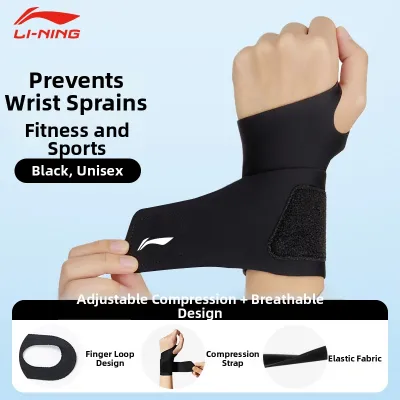
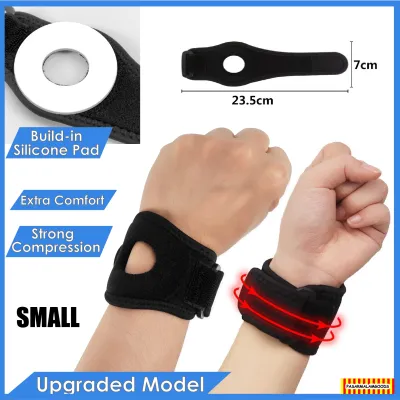
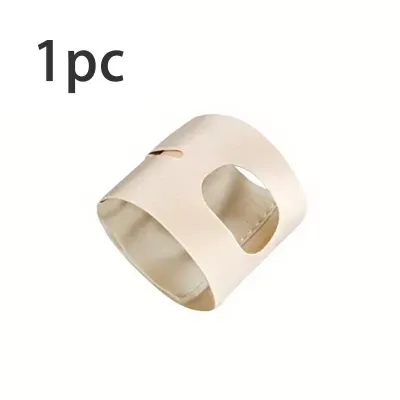
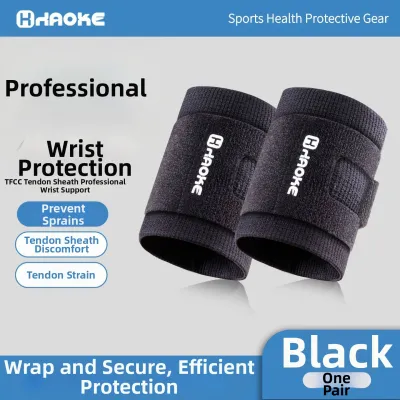
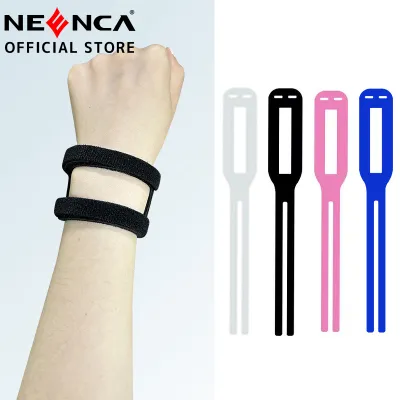
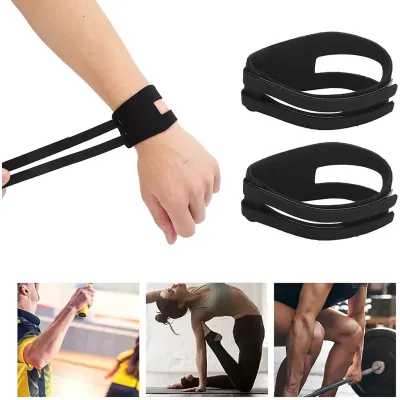
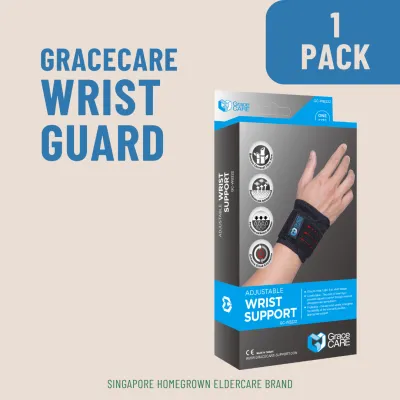
Prices are valid at publication and may change. Please refer to the product page for the latest price.
Before purchasing any wrist support, it is critical to consult a physiotherapist, hand therapist, or orthopedic specialist in Singapore for an accurate diagnosis. TFCC injuries can range from minor micro-tears to complete ligament ruptures, and some cases may require surgical intervention rather than conservative bracing. A qualified professional can perform specific clinical tests, such as the ulnar fovea sign or the press test, to confirm the injury and recommend the exact level of immobilization required for your specific recovery timeline.
Essential Design Features for TFCC Stabilization
When evaluating wrist braces for TFCC support, look for specific structural elements designed to target the ulnar styloid process. An effective TFCC brace often features an ulnar gutter design or specialized focal padding. This design cradles the pinky side of the wrist, providing a physical barrier against lateral deviation while cushioning the sensitive bony prominence of the ulnar head. Without this targeted support, a general sleeve will simply apply uniform pressure, which can compress the injured tissue further and exacerbate localized pain.

The strap system is another critical component of a functional TFCC brace. Look for dual-strap or targeted wrapping configurations that allow you to apply localized pressure directly over the distal radioulnar joint. These straps should be adjustable, enabling you to restrict harmful pronation (turning the palm down) and supination (turning the palm up) while still allowing comfortable finger movement and basic wrist flexion. This selective restriction is vital for maintaining functional hand use during recovery without risking re-injury.
Given Singapore’s year-round high humidity and warm temperatures, material selection is paramount for compliance and skin health. Heavy, non-breathable neoprene braces can trap sweat, leading to skin maceration, itching, and bacterial buildup during extended wear. Prioritize lightweight, moisture-wicking fabrics, perforated synthetic blends, or open-frame designs that maximize airflow. These materials help keep the skin dry, reducing the risk of dermatological irritation and making it much easier to wear the brace consistently throughout the day.
Finally, ensure the brace incorporates a highly adjustable compression mechanism. The closure system—whether utilizing high-grade hook-and-loop fasteners, dial-based tensioners, or elasticized bands—must allow for micro-adjustments. This adjustability ensures you can secure the joint firmly during physical tasks and loosen the tension slightly during periods of rest, maintaining optimal stabilization without impeding blood circulation or compressing the ulnar nerve.
Matching Brace Rigidity to Your Activity Level
Your choice of wrist brace should align directly with your current recovery phase and the physical demands of your daily routine. During the early stages of daily recovery, when pain is present during routine tasks like typing, opening doors, or holding a cup, a low-profile, comfortable sleeve or a minimalist wrap is often ideal. These lightweight options provide mild compression and basic ulnar support, reminding you to avoid extreme movements while fitting easily under long-sleeved clothing or office wear. They offer just enough stability to take the edge off daily discomfort without restricting your hand’s functional mobility.
As you transition into active rehabilitation, your needs shift toward moderate-stabilization braces. These supports typically feature semi-rigid inserts, removable stays, or wider, reinforced strap systems. They are designed to allow controlled, safe movement within a pain-free range, which is essential for performing prescribed physiotherapy exercises. By limiting extreme lateral deviation and rotation while permitting gentle flexion and extension, these braces help you rebuild strength and mobility in the wrist without overloading the healing TFCC.
When you are cleared to return to sports, the physical demands on your wrist increase significantly. Activities that involve high-impact forces, heavy weight-bearing, or rapid rotational movements—such as tennis, golf, badminton, or weightlifting—require rigid or heavily strapped braces. These high-stability options often feature rigid thermoplastic or metal stays that firmly restrict extreme rotation and lateral bending. They are engineered to absorb external shock and reinforce the joint under heavy loads, ensuring that the sudden twisting forces common in racket sports or overhead presses do not compromise the healing ligament.
Ensuring Proper Fit, Sizing, and Comfort
To guarantee effective support and avoid secondary complications, you must measure your wrist and forearm accurately before purchasing a brace. Do not rely on general clothing sizes; instead, consult the manufacturer’s specific sizing chart. Use a flexible measuring tape to measure the circumference of your wrist directly over the ulnar styloid process (the bony bump on the outside of your wrist). If your measurement falls between two sizes, check the manufacturer’s recommendations—often, choosing the smaller size provides a more secure fit for compression braces, while rigid braces may require sizing up to avoid painful pressure points.
Once the brace arrives, verify the correct alignment of all built-in stays, pads, or hinges. The specialized ulnar padding or gutter must sit directly over or adjacent to the ulnar side of the wrist to function correctly. If the support elements are misaligned, the brace will not offload the TFCC properly and may apply unwanted pressure to other structures, such as the radial nerve or the tendons on the thumb side of the wrist. Take the time to adjust the straps individually, starting from the forearm and moving toward the hand, to ensure an even distribution of pressure.
Pay close attention to how your hand feels while wearing the brace, especially during the first few hours of use. Warning signs of a poor fit or excessive tightness include numbness, tingling in the fingers, cold fingertips, skin discoloration, or localized chafing. If you experience any of these symptoms, loosen the straps immediately. If the symptoms persist even after adjustment, stop using the brace and verify the sizing or consult your healthcare provider. A brace that is too tight can restrict blood circulation and compress peripheral nerves, leading to secondary nerve irritation that can complicate your recovery.
Verifying Specifications Before You Buy
When shopping for a TFCC wrist brace, particularly on online marketplaces or ecommerce platforms, it is crucial to read product labels and descriptions carefully. Distinguish medical-grade orthopedic supports from general fitness wraps or fashion accessories. Medical-grade braces are specifically engineered to provide anatomical stabilization and are often constructed from clinically tested materials. General fitness wraps, while useful for basic warmth and light compression, lack the targeted structural elements—such as ulnar-specific padding or rotational restriction—needed to manage a true TFCC injury.
Because purchasing medical supports online carries the risk of sizing errors, always review the seller’s return policies, warranty terms, and customer ratings before finalizing your purchase. Look for sellers that offer hassle-free exchanges or returns, as finding the perfect fit is essential for effective therapy. Additionally, check customer reviews specifically for feedback regarding material durability, strap longevity, and how well the brace holds up under humid conditions, as this can give you a realistic expectation of the product’s lifespan.
Finally, confirm that the brace you select is designed for your specific anatomical needs. Many advanced TFCC braces are hand-specific, meaning you must choose either a left-hand or right-hand version to ensure the ulnar support aligns correctly with your anatomy. Double-check your selection in the shopping cart to avoid the inconvenience of receiving a brace for the wrong hand. If the product is advertised as universal or ambidextrous, verify how the straps adjust to ensure that the ulnar-side compression remains effective regardless of which hand it is worn on.
Frequently Asked Questions (FAQ)
Can I wear a TFCC wrist brace while sleeping?
Wearing a wrist brace while sleeping can prevent accidental twisting or bending of the joint during the night, which often causes morning stiffness and pain. However, daytime activity braces are typically designed for active compression and may be too restrictive or bulky for overnight wear. If you require nighttime support, look for a dedicated resting splint or a softer, low-profile brace that provides gentle stabilization without restricting blood flow. Always follow the specific recommendations of your physiotherapist or orthopedic specialist regarding overnight bracing.
How long should I wear the brace during sports?
A wrist brace should be worn during sports for as long as your joint requires external stabilization to perform movements safely without pain. However, relying on a brace indefinitely can lead to muscle dependency and joint stiffness, as the surrounding muscles do not have to work as hard to stabilize the wrist. It is important to use the brace as a temporary tool within a structured rehabilitation timeline. As your wrist strength and stability improve through targeted physiotherapy exercises, gradually reduce the time you spend wearing the brace during lower-intensity training sessions.
Does a TFCC brace cure the injury?
A TFCC brace does not cure the injury on its own; rather, it provides the mechanical support and joint stabilization necessary to facilitate natural healing. By offloading the ulnar side of the wrist and preventing harmful rotational movements, the brace creates an optimal environment for the damaged ligaments and cartilage to repair. Actual recovery requires a comprehensive approach that combines bracing with adequate rest, targeted rehabilitation exercises to rebuild forearm and grip strength, and professional medical guidance to monitor your progress.

Community discussion
Share your experience or ask a question. Comments are reviewed before publication.