
Starting your angling journey can feel overwhelming when confronted with walls of colorful, complex fishing tackle. For most beginners, the most practical and forgiving fish lure to start with is either a soft plastic bait or a spinnerbait. These options are highly forgiving, cost-effective, and designed to work with simple retrieval techniques. Choosing between them depends on where you plan to fish, your target species, and how much patience you have for navigating underwater obstacles. By understanding how these lures interact with the water and the fish, you can minimize gear loss and maximize your chances of a successful first catch.
Diagnose Your Fishing Environment and Target Species
Before purchasing your first fish lure, take a close look at the specific waters you plan to fish. In Singapore, this often means casting into freshwater reservoirs, public parks, or managed payponds. Observe the water clarity first. Murky or stained water limits a fish’s vision, meaning you will need a lure that creates physical vibrations or has high-contrast colors. Clear water, on the other hand, requires more natural, realistic presentations to avoid spooking wary fish. You must also gauge the depth; deeper waters require heavier lures to reach the strike zone, while shallow, still ponds are better suited for lightweight options.
Next, scan the water for underwater structures. Are there visible weed beds, submerged rocks, or fallen timber near the banks? These structures are prime hiding spots for predatory fish, but they also present a high risk of snagging and losing your gear. If you are fishing open water with a sandy or clean bottom, you have much more freedom to use lures with exposed hooks.
Products mentioned in this guide
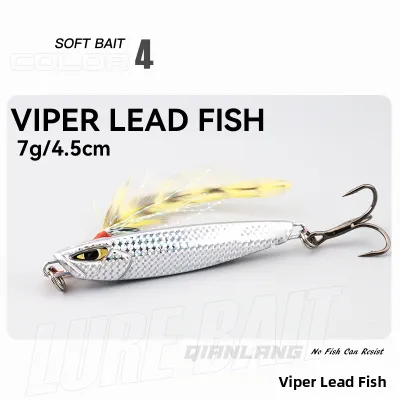
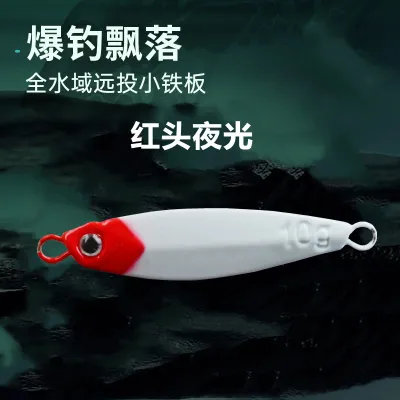
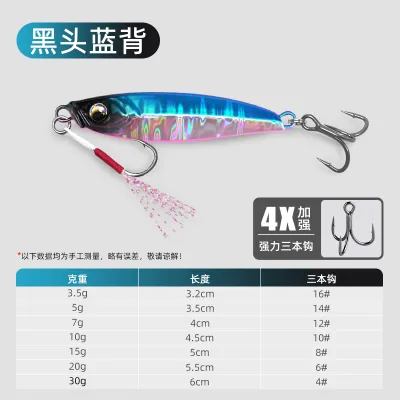
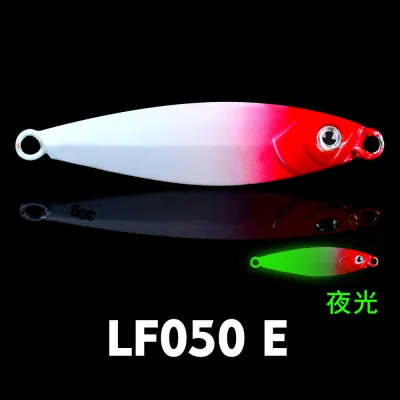
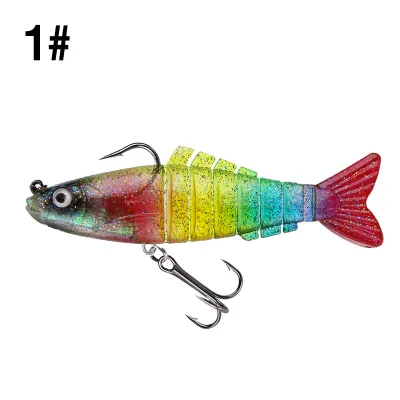
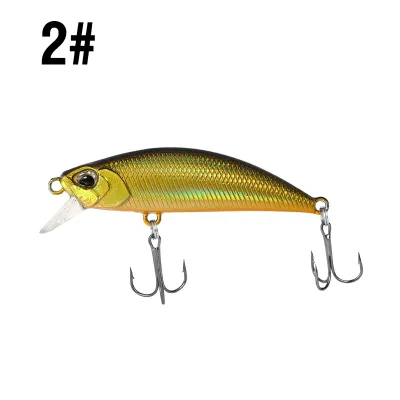
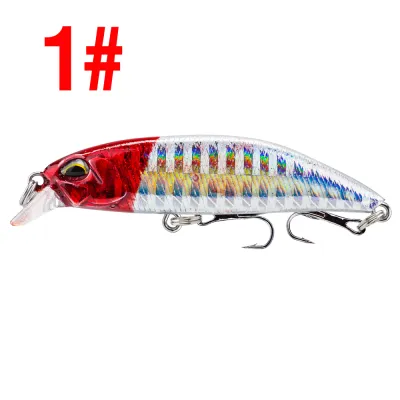
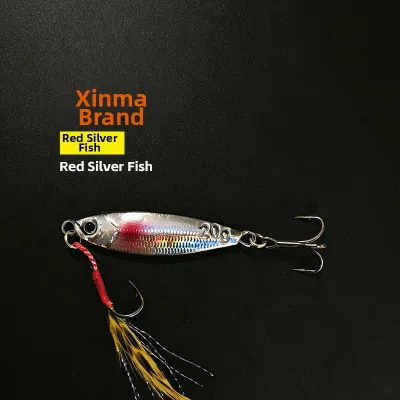
Prices are valid at publication and may change. Please refer to the product page for the latest price.
Finally, match your lure’s profile to the local forage of your target species. If you are targeting active predators like peacock bass or snakehead in local reservoirs, you want a lure that mimics small baitfish, such as glass bluegills or small rasboras. A lure that closely matches the size, shape, and swimming action of the local prey will always yield more consistent results for a beginner.
Evaluate Your Retrieval Style and Snag Risks
As a beginner, your physical coordination with the fishing rod and reel plays a massive role in your success. Some lures require active rod manipulation—such as twitching, pausing, or sweeping the rod tip—to mimic a wounded baitfish. If you are still getting used to casting and managing line tension, a lure that requires a complex retrieval style can quickly lead to frustration. Instead, look for options that perform well with a simple, steady retrieve, where the action is built directly into the lure’s design.

You must also realistically assess the underwater terrain of your chosen spot. Thick weed beds, rocky bottoms, and submerged branches are notorious for trapping hooks. If you cast a lure with multiple exposed treble hooks into heavy cover, you will likely spend more time pulling on snagged lines than actually fishing.
Consider your personal tolerance for re-tying knots and replacing lost tackle. Losing gear is an inevitable part of learning to fish, but constantly losing expensive lures can quickly drain your budget and enthusiasm. Starting with snag-resistant designs or highly affordable soft plastics allows you to practice casting near structure—where the fish actually are—without the constant fear of losing a costly investment.
Match Fish Lure Types to Your Beginner Profile
Once you have assessed your local waters and your comfort level, you can match these factors to specific lure categories. Different lure designs solve distinct beginner challenges, balancing ease of use, versatility, and the physical effort required to make the lure look alive. Selecting the right category ensures you are not fighting your equipment while trying to learn the basics of fish behavior.
Soft Plastic Baits for Versatile Presentations
Soft plastic baits, such as paddle tails, curly tail grubs, and worm imitations, are incredibly versatile and highly recommended for beginners. These lures are made of pliable, rubbery materials that mimic the natural texture of prey, often causing fish to hold onto them longer after a strike. One of their greatest advantages is the ability to rig them “weedless.” By using an offset worm hook and burying the hook point slightly inside the plastic body, you can cast into thick weeds and heavy cover without snagging.
These baits also allow you to easily adjust your presentation based on how active the fish are. If the water is cold or the fish are cautious, you can retrieve a soft plastic very slowly along the bottom, letting the tail gently flutter. In warmer, highly active conditions, a faster retrieve closer to the surface can trigger aggressive strikes.
When buying soft plastics, always check the packaging instructions to ensure the material is compatible with your target environment. Some soft plastics are formulated with specific salt contents or buoyancy characteristics designed for freshwater or saltwater use. Additionally, store different brands and colors in their original packaging, as mixing certain chemical formulations can cause the plastics to melt or bleed colors onto one another.
Spinnerbaits for Snag-Heavy and Murky Waters
Spinnerbaits are unique, safety-pin-shaped lures featuring one or more metal blades that spin as the lure is retrieved. They are exceptionally effective in murky or low-visibility waters because the spinning blades create both a bright flash and distinct underwater vibrations that fish can detect using their lateral lines. When choosing a spinnerbait, look at the blade shapes: rounded Colorado blades create heavy vibration for muddy water, while elongated willow blades offer more flash and less resistance in clearer, faster-moving water.
The physical design of a spinnerbait makes it naturally weedless. The wire frame acts as a bumper, pushing weeds and branches away from the single, upward-facing hook. This allows you to cast directly into submerged timber or reed edges with minimal risk of snagging.
To fish a spinnerbait effectively, all you need to do is maintain a steady, moderate retrieve. The water pressure keeps the blades spinning and the skirt pulsing automatically. Your main task is to reel just fast enough to keep the lure tracking straight and at your desired depth, making it an incredibly user-friendly option for those still mastering rod control.
Crankbaits for Built-In Action and Depth Control
Crankbaits are hard-bodied lures designed to dive underwater when retrieved. They are perfect for beginners who prefer a simple “cast and wind” approach, as the lure’s physical shape does all the work. Every crankbait features a plastic lip (or bill) at the front. By reading the manufacturer’s specifications on the packaging, you can easily determine the lure’s diving depth; a wider, longer lip dives deeper, while a short, angled lip keeps the lure near the surface.
The built-in wobble of a crankbait mimics a swimming baitfish perfectly without requiring any complex rod movements. As you reel, the water pushes against the lip, causing the body to shimmy and vibrate. This consistent action makes it easy to cover large areas of open water quickly to locate active fish.
However, because most crankbaits are equipped with dangling treble hooks, you must avoid casting them directly into heavy timber, thick weeds, or rocky crevices. They are best utilized in open water, along sandy banks, or just above the tops of submerged weed beds where the hooks can run clean.
Build a Practical Starter Lure Collection
Building your first tackle box does not require spending hundreds of dollars on endless varieties of gear. Instead, focus on assembling a small, highly practical collection of versatile options. Start by selecting a neutral, natural color palette that mimics the local forage in your area. Greens, browns, and pumpkinseed shades work exceptionally well in clear water, while bright chartreuse, white, or dark black offer the necessary contrast for murky conditions.
Rather than buying massive, low-quality bulk variety packs from online marketplaces, prioritize purchasing a few proven, individual styles from reputable fishing brands. A small selection of two or three soft plastic shapes, a couple of spinnerbaits, and one shallow-diving crankbait will cover almost any scenario you encounter as a beginner.
Before you head out to the water, always inspect your new lures out of the box. Check that the hooks are sharp by gently scraping the point against your fingernail; if it slides without catching, it may need a light touch-up. Ensure the split rings and line ties are secure and free of manufacturing defects, giving you full confidence when you hook your very first fish.
Frequently Asked Questions (FAQ)
Do I need to add scent to my fish lures?
Adding artificial scent is not strictly necessary for beginners, but it can provide an edge in challenging conditions. Scents help mask human odors—like sunscreen, insect repellent, or gasoline—that may have transferred to the lure during rigging. If you choose to use a scent, always follow the manufacturer’s instructions regarding application and material compatibility. Be cautious with oil-based scents, as they can chemically react with and degrade certain types of soft plastic baits, causing them to lose their shape or dissolve.
How do I safely remove a fish lure from a caught fish?
Safely removing a hook protects both you and the fish, especially if you practice catch-and-release. Always use a pair of long-nose pliers or a dedicated hook removal tool to maintain a firm grip and keep your fingers away from the hook points and the fish’s teeth. To make the process much easier, you can use your pliers to flatten the barbs on your hooks before casting. If a fish deeply swallows the lure and the hook is lodged in its throat or gills, do not force it out; instead, stop, cut the line as close to the hook as possible, and release the fish, as its stomach acids can often break down the hook over time.

Community discussion
Share your experience or ask a question. Comments are reviewed before publication.