
When stepping onto the putting green for the first time, a golf marker is one of the most essential small accessories you will need in your pocket. This tiny tool serves a critical role in golf etiquette and gameplay, ensuring that your ball does not obstruct another player’s line of putt. For a beginner, selecting the right golf marker involves balancing visibility, material durability, ease of handling, and how you prefer to carry your gear on the course. By understanding the key differences in materials like metal, plastic, and acrylic, as well as the practical benefits of magnetic attachments, you can make an informed choice that fits your playing style and budget. Choosing a marker that aligns with your personal preferences can also boost your confidence on the green, helping you focus on your putting technique rather than worrying about minor gear issues.
Understanding the Role of a Golf Marker on the Green
A golf marker, though small, plays a fundamental role in maintaining the flow and integrity of a round of golf. When your golf ball lands on the putting green, it can physically block the path of another player’s ball or create a visual distraction. According to the rules of golf, you must mark the position of your ball when it is on the putting green to allow other players to make their putts without interference. Placing a marker directly behind your ball before lifting it ensures you can return the ball to its exact spot when it is your turn to putt. This simple act keeps the game fair and organized for everyone in your group.
Beyond simply adhering to the rules, using a marker helps protect the delicate turf of the putting green. Stepping near or around a golf ball can cause minor indentations in the grass, which might alter the roll of subsequent putts. By marking your ball and lifting it, you minimize the footprint around the hole and help preserve the smooth surface for everyone on the course. This practice is a core element of golf etiquette that every new player should master early in their journey. It demonstrates respect for the course maintenance staff and your fellow players who expect a true roll on their putts.
Products mentioned in this guide
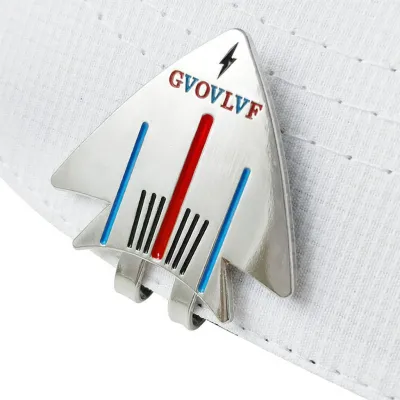
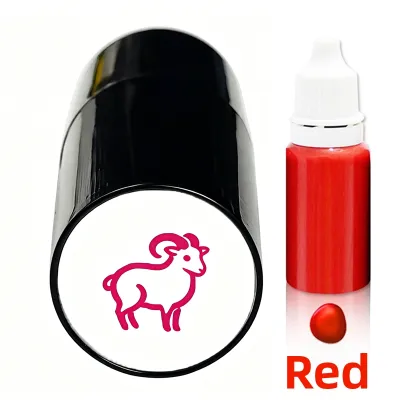
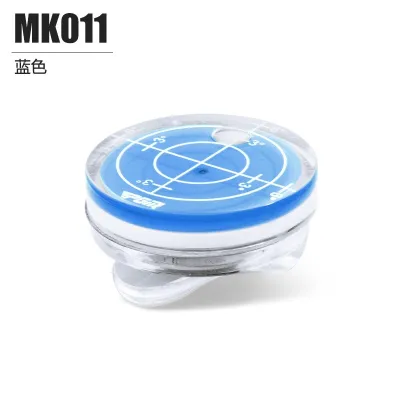
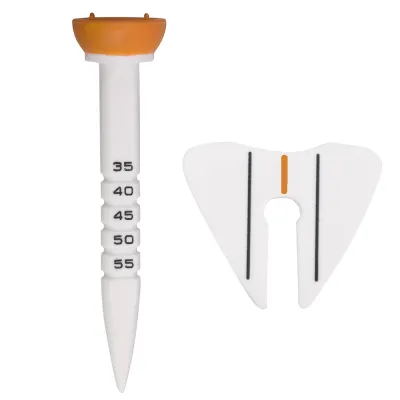
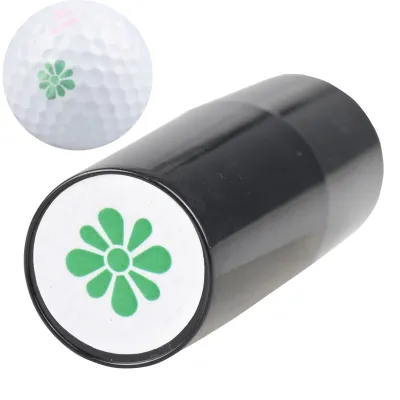
Prices are valid at publication and may change. Please refer to the product page for the latest price.
Additionally, incorporating a marker into your routine helps establish a consistent pre-putt focus. When you mark your ball, lift it, and clean off any dirt or sand, you gain a moment to step back and read the green. This pause allows you to assess the slope, grain, and distance to the hole without rushing. Returning the ball to the marked spot and aligning its markings toward your target line becomes a physical trigger that prepares your mind for a confident, controlled stroke. Over time, this repetitive sequence builds mental consistency, helping to lower your scores and reduce anxiety on challenging putts.
Evaluating Common Golf Marker Materials for Beginners
As you begin shopping for your first golf marker, you will encounter a variety of materials, each offering distinct advantages in terms of durability, weight, and aesthetic appeal. Metal markers are highly popular among golfers of all skill levels due to their robust construction and premium feel. Typically made from brass, stainless steel, or zinc alloys, these markers resist bending and can withstand being dropped on hard surfaces or stored loose in a golf bag. However, because metal is hard, you must handle these markers carefully to avoid scratching your clubfaces or other delicate equipment when stored together in your pocket. Some metal markers also feature magnetic properties, allowing them to pair seamlessly with magnetic clips.

Plastic and acrylic markers offer a lightweight and highly cost-effective entry point for beginners. These materials are exceptionally easy to handle and are often sold in bulk packs, making them ideal if you tend to misplace small items on the course. Acrylic markers, in particular, can feature vibrant, translucent designs that catch the light well, making them highly visible on the grass. While they may not offer the same substantial weight or premium tactile feedback as metal options, they are highly practical and virtually maintenance-free. They are also less likely to cause any accidental damage to other items in your golf bag or pocket.
When choosing between these materials, it is always wise to check the product labels and manufacturer specifications for exact material composition. Some metal markers feature painted or enameled details that require specific care to prevent chipping over time. Others may have protective coatings that resist rust and corrosion from exposure to morning dew or sudden rain showers. Reviewing these details before purchase helps ensure that your chosen marker will remain in excellent condition throughout your first few seasons on the course. Taking the time to understand these material differences will help you select a marker that matches both your aesthetic preferences and your practical needs.
Balancing Size, Weight, and Visibility for Easy Use
The physical dimensions of your golf marker directly impact how easy it is to use during a round. Standard markers typically measure around 25 millimeters in diameter, which is roughly the size of a small coin. This size is generally sufficient for most playing conditions, offering a low profile that does not distract other players. However, many beginners find that oversized markers, which can measure 32 millimeters or more, are much easier to handle, place, and retrieve, especially when wearing golf gloves or playing with cold hands. The larger surface area also makes them much easier to find when searching through a deep pocket filled with tees and pitch mark repair tools.
Weight is another crucial factor to consider, particularly when playing in windy conditions. A marker that is too light, such as a thin plastic disc, can easily be shifted or blown away by a strong gust of wind, which can lead to confusion about your ball’s original position. Metal markers provide a reassuring heft that keeps them securely anchored to the turf. When evaluating different options, look for a marker that feels substantial enough to stay put on the green without being so heavy that it sinks deeply into soft, wet grass. A well-balanced marker offers peace of mind, allowing you to focus entirely on reading the line of your putt.
Visibility is perhaps the most practical consideration for a new golfer. A marker that blends in with the green grass can be difficult to spot from a distance, leading to wasted time and unnecessary searching when it is your turn to play. Opt for high-visibility colors such as bright yellow, neon orange, or vibrant pink, or choose designs with high-contrast patterns. A marker with a shiny, reflective finish or a distinct geometric pattern will stand out clearly against the green, allowing you to keep track of your position effortlessly. This visual clarity helps maintain the pace of play, which is highly appreciated by everyone on the course.
Choosing Between Magnetic and Non-Magnetic Attachments
One of the most convenient innovations in modern golf accessories is the magnetic marker system. These markers are designed to work in tandem with a magnetic base, which can be clipped onto your golf hat, visor, belt, or glove. This setup allows for incredibly quick access, as you can simply pull the marker off your hat brim when you reach the green and snap it back into place once you have finished putting. This minimizes the need to fumble through your pockets or search through your golf bag mid-round, keeping your focus entirely on the game.
When opting for a magnetic system, it is important to verify the strength of the magnet and its compatibility with your existing gear. A magnet that is too weak may allow the marker to fall off when you swing your club or walk briskly down the fairway. Look for product descriptions that specify secure attachment mechanisms, and check that the clip fits comfortably on the thickness of your preferred hat or glove. Some systems use a magnetic base built directly into the glove’s wristband, offering a streamlined profile that many players find highly convenient. Ensuring a strong magnetic connection prevents the frustration of losing your marker during a round.
Non-magnetic markers, on the other hand, rely solely on pocket storage and manual retrieval. While they lack the quick-access convenience of magnetic systems, they are often simpler, more traditional, and less expensive. Non-magnetic markers are also less likely to attract stray metal debris or interfere with other magnetic accessories in your bag. If you prefer a clean look without clips on your hat or glove, a classic non-magnetic marker stored in a dedicated pocket of your golf trousers is a reliable and timeless choice. This option allows you to enjoy a traditional approach to the game without any extra attachments.
Finalizing Your Choice: A Pre-Purchase Checklist
Before making your final decision, take a moment to align your selection with your personal budget and how often you plan to play. If you are just starting out and only play a few rounds a year, a simple, budget-friendly plastic or basic metal marker is an excellent starting point. For those who plan to practice frequently and play regular rounds, investing in a high-quality magnetic marker set can provide long-term convenience and durability that justifies a slightly higher initial cost. Balancing your investment with your actual playing frequency ensures you get the most value out of your purchase.
Next, verify the physical compatibility of the marker with your current golf apparel and accessories. If you already own a favorite golf hat or a specific pair of gloves, check whether they feature built-in magnetic patches or if you will need a marker that comes with its own matching hat clip. Ensuring that your new accessory integrates seamlessly with your existing gear will prevent any frustration on the course and make your pre-putt routine feel smooth and natural. It also helps maintain a cohesive and professional look while you are playing.
Finally, review the manufacturer’s guidelines for cleaning, storage, and long-term maintenance. Different materials require different levels of care to maintain their appearance and functionality. For example, some metal alloys may require prompt drying after a wet round to prevent tarnishing, while acrylic options may simply need a quick wipe down. Understanding these requirements beforehand will help you keep your marker looking sharp and performing reliably for many rounds to come. Proper care not only extends the lifespan of your accessory but also ensures it remains highly visible and easy to use every time you step onto the green.
Frequently Asked Questions (FAQ)
Can I use a standard coin as a golf marker?
Yes, under the official rules of golf, you can use a standard coin or a similar small object to mark your ball on the putting green. Many players use coins as temporary markers when they do not have a dedicated golf tool on hand. However, standard coins can sometimes present practical challenges on the course. They are often thicker than purpose-built golf markers, which can create a physical obstruction if another player’s ball rolls over them. Additionally, smooth coins can easily slip on wet grass or be difficult to pry up from soft turf. Transitioning to a dedicated, flat golf marker is highly recommended for better consistency, visibility, and respect for the green. Using a proper marker also shows your commitment to the etiquette of the sport.
How do I safely clean my golf marker after a round?
To keep your golf marker in optimal condition, clean it regularly using mild soap, warm water, and a soft microfiber cloth. This gentle method effectively removes dirt, grass stains, and sand without damaging the surface. Avoid using harsh chemical solvents, abrasive scrubbers, or metal polishes, as these can strip away painted details, protective coatings, or custom engravings. After washing, ensure you dry the marker thoroughly with a clean towel before storing it in your golf bag. Always consult the manufacturer’s care instructions for any specific material recommendations, especially for markers with intricate magnetic components or specialized finishes. Proper maintenance ensures your marker remains a reliable part of your golf kit for years to come.

Community discussion
Share your experience or ask a question. Comments are reviewed before publication.