
Selecting your very first fishing reel can feel overwhelming with the sheer volume of technical specifications, brands, and models available on the market. For beginners in Singapore, Ryobi has long been a staple brand, recognized for delivering dependable engineering and practical features without a premium price tag. Starting your angling journey with the right reel ensures you spend your time mastering casting and reading the water rather than fighting tangled lines or mechanical failures.
To make an informed decision, you must align the reel’s design with your intended fishing style, target species, and the unique tropical environments found across Singapore. Whether you plan to cast lures for peacock bass in freshwater reservoirs or present live bait to wild seabass along coastal jetties, understanding how to evaluate a reel’s specifications will help you choose a model that feels balanced, performs smoothly, and lasts for years. Focus on practical usability, ease of maintenance, and local compatibility to set yourself up for early success on the water.
What to Look for in an Entry-Level Ryobi Reel
When evaluating Ryobi’s extensive lineup, the first specification to consider is the reel size, which directly dictates line capacity and overall weight. For general angling in Singapore, a reel in the 2000 to 3000 size range offers the most versatile starting point. A 2000-size reel is lightweight and pairs exceptionally well with light-action rods measuring 6 to 6.5 feet, making it ideal for casting small lures in freshwater reservoirs. If you plan to fish along coastal jetties or paid ponds where larger species might bite, a 3000-size reel provides the extra spool depth needed for thicker lines and longer runs.
Products mentioned in this guide
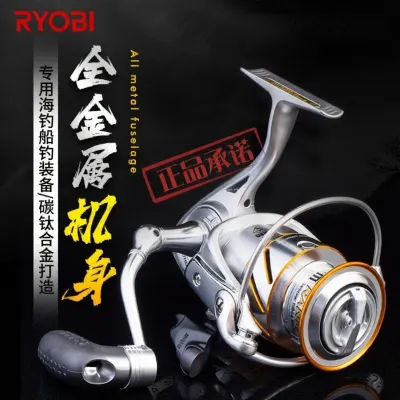
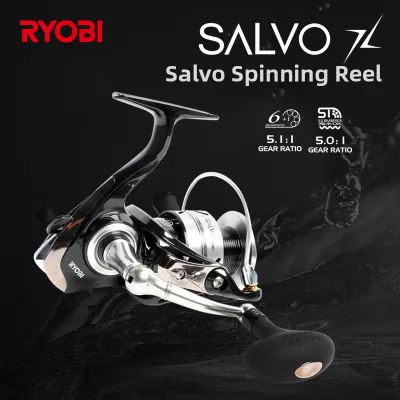
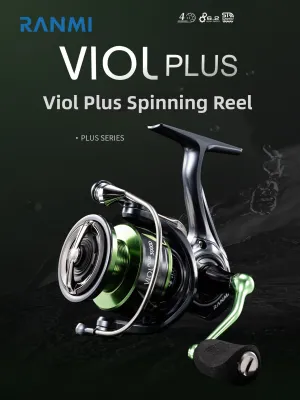
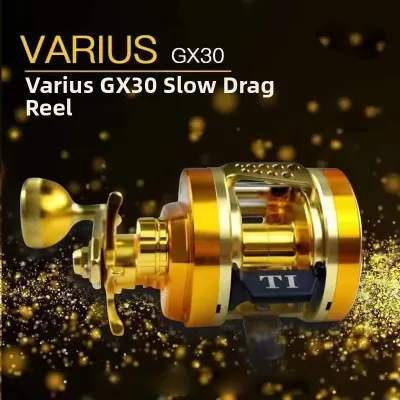
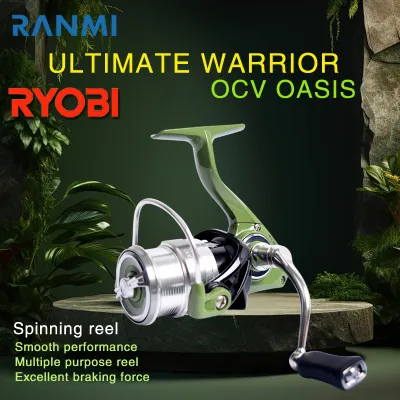
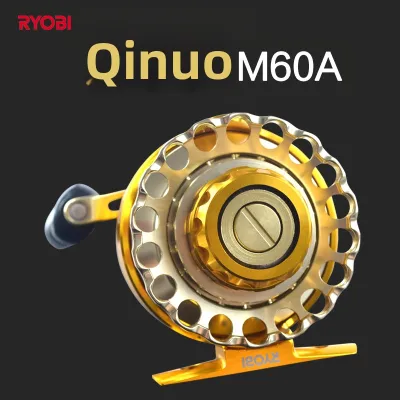
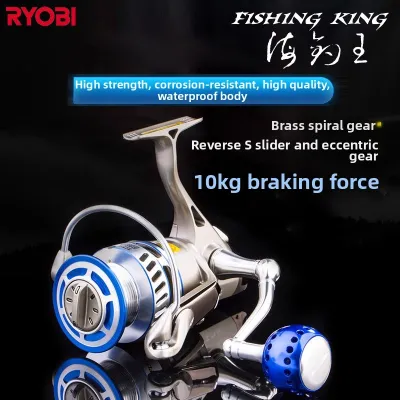
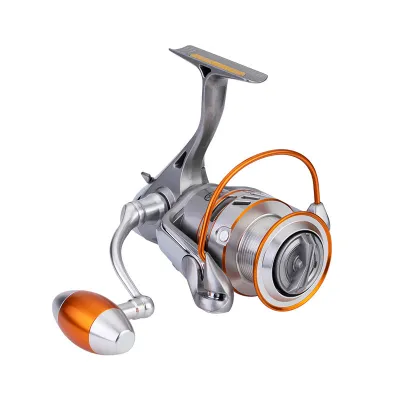
Prices are valid at publication and may change. Please refer to the product page for the latest price.
Gear ratio is another critical factor that determines how quickly the reel retrieves line with each turn of the handle. Expressed as a ratio such as 5.2:1, this number indicates that the spool rotates 5.2 times for every single full rotation of the handle. Beginners should generally look for a moderate gear ratio between 5.0:1 and 5.3:1. This middle-ground speed provides enough torque to retrieve heavy baits while remaining fast enough to work active lures, allowing you to experiment with various techniques without needing multiple specialized setups.
Your reel’s drag system is your primary defense against strong fish, acting as a slipping mechanism that releases line under tension to prevent breakage. When inspecting a Ryobi reel, look for a drag system that operates smoothly without sudden jerks or sticking points. For local species like peacock bass, snakeheads, or small snapper, a maximum drag capacity of 3kg to 5kg is more than sufficient. Rather than chasing high maximum drag numbers, prioritize progressive drag adjustment, which allows you to make micro-adjustments while fighting a fish.
Do not let high bearing counts listed on packaging mislead you during your search. Manufacturers often highlight high ball bearing numbers as a sign of quality, but the material, shielding, and placement of those bearings are far more important than the quantity. A reel with four high-quality, shielded stainless steel bearings placed at key friction points—such as the main gear shaft and the line roller—will perform more reliably and resist corrosion far better than a reel packed with ten cheap, unshielded bearings.
Spinning vs. Baitcasting: Which Ryobi Reel Type Suits You?
Before purchasing your gear, you must decide between a spinning reel and a baitcasting reel, as each mechanism requires a completely different skill set. Baitcasting reels feature a rotating spool that sits on top of the rod, requiring the angler to use their thumb to control the spool’s speed during a cast. For a novice, failing to control this rotation precisely results in an immediate overrun, commonly referred to as a “bird’s nest” or backlash, which can take a long time to untangle and quickly ruin a fishing trip.

Spinning reels, which feature an open, fixed spool suspended beneath the rod, are highly recommended for first-time anglers. Because the line unravels freely off the front of the spool during a cast, the risk of backlashes is virtually eliminated. This user-friendly design allows beginners to build foundational casting skills, learn how to control line trajectory, and focus on lure presentation without the constant frustration of clearing severe line tangles.
Your choice should also align with your preferred fishing style and physical comfort. If you enjoy active lure casting—where you are constantly throwing and retrieving artificial baits for hours—a lightweight spinning reel keeps the physical demand low. Conversely, if you prefer passive bait fishing, where you cast out a live prawn or dough bait and wait for a bite, a spinning reel is incredibly easy to set in a rod holder with the bail arm open or the drag set loose.
Ergonomics play a major role in how long you can comfortably fish during hot, humid days at local spots. A poorly balanced setup causes rapid wrist and forearm fatigue, leading to sloppy casts and missed strikes. When selecting a Ryobi reel, pay attention to the body material; models utilizing high-strength graphite or composite bodies offer a lightweight feel that keeps your entire rod-and-reel outfit balanced and comfortable for extended sessions.
Building Your Shortlist: Key Checks Before Buying
When you are ready to purchase, conducting a few physical and logistical checks will ensure you get a reliable product. First, verify whether the seller is an authorized dealer or if they offer a clear local warranty. While parallel imports on online marketplaces might offer a slightly lower upfront price, they often lack local service support. Purchasing through established local tackle shops ensures that if a mechanical issue arises, you have access to professional repairs and genuine replacement parts.
Never buy a reel without testing how it feels paired with a rod. If possible, bring your chosen fishing rod to the tackle shop and mount the reel onto the reel seat. Hold the rod at the foregrip and check the balance point; the setup should not feel excessively tip-heavy or butt-heavy. Rotate the handle slowly to check for any play, wobble, or grinding sensations in the gear train, and ensure the bail arm clicks open and snaps shut decisively.
Another crucial consideration is the long-term availability of spare parts. Components like drag washers, line rollers, and handle assemblies naturally wear down over time and require replacement. Before finalizing your purchase, ask the retailer if they stock common spare parts for that specific Ryobi model series. Choosing a widely distributed model ensures you won’t have to retire the entire reel simply because a small, inexpensive internal spring or washer is unavailable.
Finally, approach user reviews on ecommerce platforms with a critical eye. Many initial reviews are written immediately after unboxing and only reflect the reel’s cosmetic appearance or out-of-the-box smoothness. Look for long-term feedback from local angling communities or forums, focusing on how the reel performs after six months of regular use, how well the anti-reverse clutch holds up under load, and whether the body shows signs of premature wear.
Adapting Your Gear to Singapore's Fishing Environments
Singapore offers a diverse range of fishing environments, each presenting distinct challenges to your tackle. If you plan to fish primarily in saltwater environments, such as Changi Boardwalk, Labrador Park, or southern offshore islands, you must prioritize corrosion resistance. Saltwater is highly destructive to metal alloys; therefore, look for Ryobi models that feature sealed drag systems, rubber gaskets, and corrosion-resistant surface treatments to prevent saltwater from penetrating the gear gearbox.
For freshwater environments like Lower Peirce or Pandan Reservoir, standard models without heavy sealing are perfectly adequate, though they still require basic care. When targeting local freshwater species like peacock bass or snakeheads, spool your reel with a braided line of 10lb to 15lb breaking strength, paired with a fluorocarbon leader. This setup provides the sensitivity needed to feel subtle bites and the strength to pull fish away from submerged structures and vegetation.
Regardless of where you fish, establishing a strict post-trip cleaning routine is essential to combat Singapore’s high ambient humidity and salt exposure. After every saltwater outing, tighten the drag knob completely to prevent water from entering the drag stack, then gently rinse the reel under a slow-running tap of cool freshwater. Avoid using high-pressure hoses, which can force salt and grit deep into the internal bearings. Wipe the exterior dry with a clean microfiber cloth, loosen the drag completely to relieve pressure on the washers, and let the reel air-dry in a well-ventilated indoor space.
Keep a close eye out for early warning signs of wear or contamination. If you notice a gritty feeling when turning the handle, a squeaking noise from the line roller, or a jerky drag release, stop using the reel immediately. These symptoms indicate that salt, sand, or moisture has bypassed the seals. Addressing these issues early with a basic clean and relubrication—or by taking the reel to a professional servicing technician—will prevent permanent damage to the main gears and extend the lifespan of your gear.
Frequently Asked Questions (FAQ)
How much should a beginner expect to spend on a reliable Ryobi reel?
For a reliable, entry-level Ryobi spinning reel, beginners should expect to spend between S$40 and S$80. This price range offers excellent value, providing a durable graphite body, a smooth multi-disc drag system, and reliable anti-reverse mechanisms that can withstand regular use. Mid-range models with enhanced sealing and lighter composite materials generally range from S$80 to S$150. Be cautious of unusually low-priced listings under S$30 on online marketplaces, as these may be counterfeit products or older, discontinued models that lack warranty support and spare parts availability.
Do I need to perform special maintenance after fishing in local reservoirs?
Yes, freshwater maintenance is still necessary to protect your gear. While reservoir water does not contain corrosive salt, it carries suspended silt, organic matter, algae, and minerals that can accumulate in the line roller, spool shaft, and handle joints. After fishing in a reservoir, give your reel a quick rinse with clean tap water and wipe it down with a dry cloth. Periodically apply a single drop of light reel oil to the line roller bearing and the main shaft to ensure smooth operation and prevent the high tropical humidity from causing localized oxidation on exposed metal parts.

Community discussion
Share your experience or ask a question. Comments are reviewed before publication.