
Climbing is an inherently high-risk activity where safety depends on proper training, sound judgment, and reliable equipment. No piece of gear can substitute for professional instruction and personal competence. When selecting a climbing carabiner—often referred to in rigging and anchoring contexts as a carabiner ring—the absolute baseline for safety is verifying that the equipment carries recognized climbing-specific certifications.
To be considered safe for climbing, a carabiner must carry either a CE mark (indicating compliance with European standards) or a UIAA label (from the International Climbing and Mountaineering Federation), and ideally both. These certifications guarantee that the connector has been manufactured and tested to withstand the dynamic forces encountered during a fall. Using uncertified hardware in a life-safety system introduces unacceptable risks of catastrophic failure.
Before heading to the crag or climbing gym, climbers must understand how to identify these marks, verify their authenticity, and recognize when a connector is designed only for light accessory use. This guide outlines the critical certification frameworks, how to inspect your gear, and how to avoid dangerous equipment mix-ups.
Products mentioned in this guide
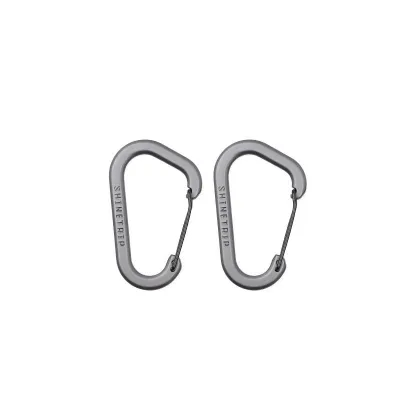
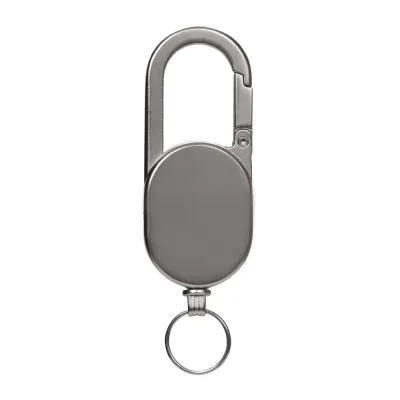
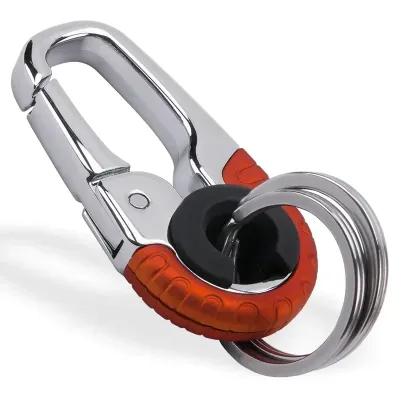
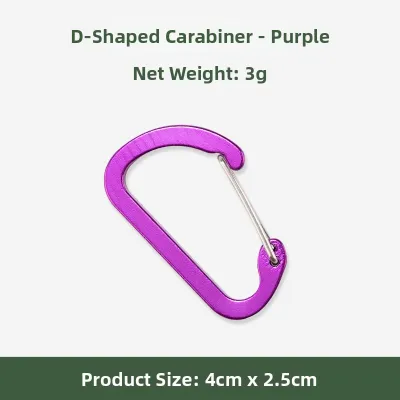
Prices are valid at publication and may change. Please refer to the product page for the latest price.
Why CE and UIAA Marks Matter for Your Carabiner Ring
The CE mark (Conformité Européenne) is a mandatory conformity marking for personal protective equipment (PPE) sold within the European Economic Area, but it is globally recognized as a benchmark for safety. For climbing carabiners, the CE mark indicates compliance with the specific European standard EN 12275. This standard defines the minimum breaking strength requirements, gate opening dimensions, and testing methodologies for different types of climbing connectors. When you see this mark, you know the gear has met strict legal requirements for health, safety, and environmental protection.
The UIAA safety label is a voluntary international standard developed specifically by mountaineers and safety experts. In many cases, UIAA standards are built upon the European EN standards but may require slightly more stringent testing or additional safety margins. When a carabiner ring carries the UIAA logo, it means the manufacturer has submitted the gear to an independent, accredited laboratory to verify it meets these rigorous mountaineering requirements. The UIAA works continuously to update these standards as climbing techniques and materials evolve.
These certifications ensure that the carabiner has undergone standardized testing for major axis strength, minor axis strength, and open-gate strength. During a fall, dynamic forces are transferred rapidly through the climbing system. Certified carabiners are engineered to deform slightly and absorb energy rather than snapping abruptly under these dynamic loads. This controlled deformation is a critical safety feature that uncertified hardware cannot guarantee.
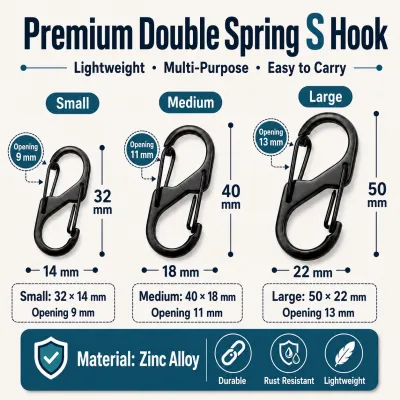
Any carabiner ring or connector that lacks these specific climbing certifications is strictly classified as non-load-bearing. These uncertified items are intended solely for accessory uses, such as clipping water bottles, keys, or light camping gear to a backpack. They are not manufactured to withstand human weight or the high-impact forces of a lead climbing fall. Mistaking an accessory ring for a load-bearing connector is a critical error that can lead to system failure.
How to Locate and Verify Certification Marks
To ensure your gear is authentic and safe, you must know how to physically inspect the carabiner body. Manufacturers of certified climbing gear stamp, forge, or laser-etch safety markings directly onto the spine of the carabiner. This is the thickest, straightest portion of the frame opposite the gate, where the markings are least likely to wear away quickly during regular use.

When examining the spine, look for the CE logo followed by a four-digit number (such as CE 0082 or CE 0333). This four-digit code identifies the specific notified body or independent laboratory that oversees the manufacturer’s quality assurance system. Adjacent to this, you should find the standard number, typically EN 12275, and the UIAA logo if the gear has received that certification. These markings are your primary assurance of quality.
In addition to the certification logos, the spine will display the rated breaking strengths measured in kilonewtons (kN). You will typically see three distinct ratings: major axis strength (gate closed and loaded end-to-end), minor axis strength (loaded side-to-side), and open-gate strength. A batch number or individual serial number is also etched onto the frame to allow the manufacturer to trace the production history of that specific unit.
Always cross-reference these physical markings with the manufacturer’s official specifications, product packaging, or user manual. Reputable brands provide detailed technical notices with every carabiner, outlining the correct orientation, loading limits, and certification details. If you purchase gear from an online marketplace or an unfamiliar retailer, verifying these documents is a critical step to avoid counterfeit products.
If the certification marks on your carabiner become faded, illegible, scratched off, or are completely missing, you must treat the gear as uncertified. Over time, friction against rock, bolts, or other metal hardware can wear down laser-etched markings. Once you can no longer verify the safety ratings or the origin of the connector, the item must be retired from life-safety use immediately.
Identifying Non-Climbing Carabiners and Avoiding Misuse
The market is flooded with inexpensive utility carabiners that look remarkably similar to climbing gear but are entirely unsuitable for life support. These non-climbing connectors are widely sold in hardware stores, key ring displays, and general outdoor sections. To prevent dangerous misuse, you must learn to spot the warning signs of non-certified hardware.
Most utility carabiners carry explicit warning labels stamped on the metal or printed on the packaging. Look for phrases such as “Not for Climbing,” “Not for PPE,” “For Accessory Use Only,” or “Do Not Use for Human Support.” If a carabiner ring lacks any markings whatsoever, or if it only features a generic weight limit (like “50 kg”) instead of a kilonewton (kN) rating, it is not a climbing-certified device.
The physical construction of hardware store carabiners differs significantly from certified climbing gear. Non-climbing models are often made from low-grade aluminum, zinc-plated steel, or plastic, which can fail catastrophically under minimal tension. They typically feature simple wire gates or non-locking mechanisms that can easily brush open, whereas climbing carabiners utilize high-strength, heat-treated aluminum alloys and precise locking sleeves (such as screw-locks, twist-locks, or magnetic locks) to prevent accidental opening.
There is an absolute prohibition on using uncertified rings or utility clips in any scenario involving fall risks, human suspension, or life-safety systems. This includes not only active climbing and belaying but also setting up hammocks, slacklines, highlines, or tree-climbing systems. A failure in any of these setups can lead to severe injury or death, making certified gear non-negotiable.
Inspection Routines and When to Retire Certified Gear
Even the highest-quality, fully certified carabiner will wear out over time. To maintain a safe climbing system, you must establish a disciplined pre-use visual and tactile inspection routine. Before every climbing session, handle each carabiner to check for physical defects.
Begin by inspecting the metal frame and gate for any visible cracks, deep gouges, sharp burrs, or significant corrosion. Run your fingers along the inner curves where the rope runs; if you feel deep grooves worn into the metal by rope friction, the carabiner may need to be retired. Test the gate action by opening it fully and letting it snap shut; the gate must close smoothly and completely on its own, and any locking sleeve must engage without sticking or binding.
Certain events require the immediate retirement of certified gear, regardless of how clean it looks. If a carabiner is subjected to a severe fall—such as dropping it from a high cliff onto a hard surface—it must be taken out of service. Such impacts can create micro-fractures within the aluminum structure that are invisible to the naked eye but severely compromise its strength.
Exposure to corrosive chemicals, such as battery acid, household bleach, or strong solvents, can degrade the metal and cause stress corrosion cracking. Similarly, exposure to extreme heat (such as a fire or being left on a hot stove) can alter the heat treatment of the aluminum alloy, weakening it permanently. Finally, always respect the manufacturer’s stated maximum lifespan, which is typically up to ten years from the date of manufacture for metal hardware, even if stored unused.
If you ever doubt the structural integrity of a carabiner, stop using it immediately. Do not attempt to repair a sticky gate with WD-40 or other household lubricants unless specifically recommended by the manufacturer’s maintenance guide, as some oils can attract dirt and worsen the mechanism. When in doubt, destroy the gear to prevent future use, and consult a qualified professional or the manufacturer for guidance.
Frequently Asked Questions (FAQ)
Can I use a CE-certified industrial carabiner for climbing?
Industrial personal protective equipment (PPE) carabiners are certified under different standards, such as EN 362, which are designed for fall protection in work-at-height industries. While these connectors are incredibly strong and highly regulated, they are often made of heavy steel and designed for static or semi-static industrial systems rather than dynamic climbing falls.
Climbing carabiners must be certified under EN 12275, which specifically addresses the dynamic forces, gate configurations, and weight considerations of mountaineering and sport climbing. Always check the exact standard number printed on the spine; do not assume an industrial rating is a safe substitute for climbing-specific dynamics.
Does a higher kN rating mean the carabiner is safer?
A kilonewton (kN) rating measures the ultimate breaking strength of a carabiner under controlled laboratory conditions, but a higher number does not automatically make the gear safer for your daily climb. The minimum strength requirements established by CE and UIAA standards already provide a massive safety margin that far exceeds the forces generated in a standard climbing fall.
Carabiners with exceptionally high kN ratings are often heavier, bulkier, or made of steel, which can increase climber fatigue and make gear management more difficult. Selecting a carabiner should involve balancing the certified strength with practical factors like weight, gate clearance, ergonomics, and the specific climbing discipline you are practicing.

Community discussion
Share your experience or ask a question. Comments are reviewed before publication.